How viruses reshape microscopic life in the sea
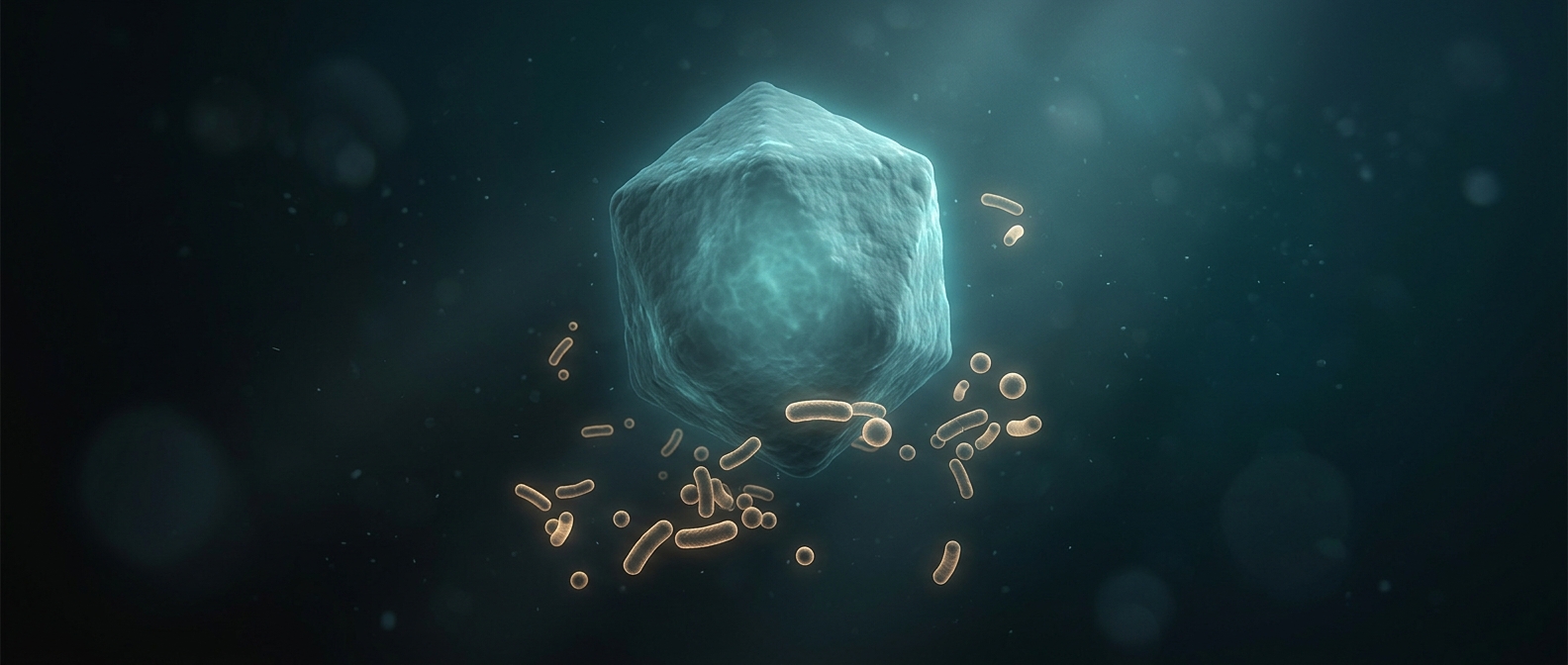
A virus cannot reproduce on its own. It must enter a living cell and use that cell’s machinery to make more viruses. In the ocean, many viruses infect bacteria and other microbes; after multiplying, they often burst the host cell, releasing its contents into the surrounding water.
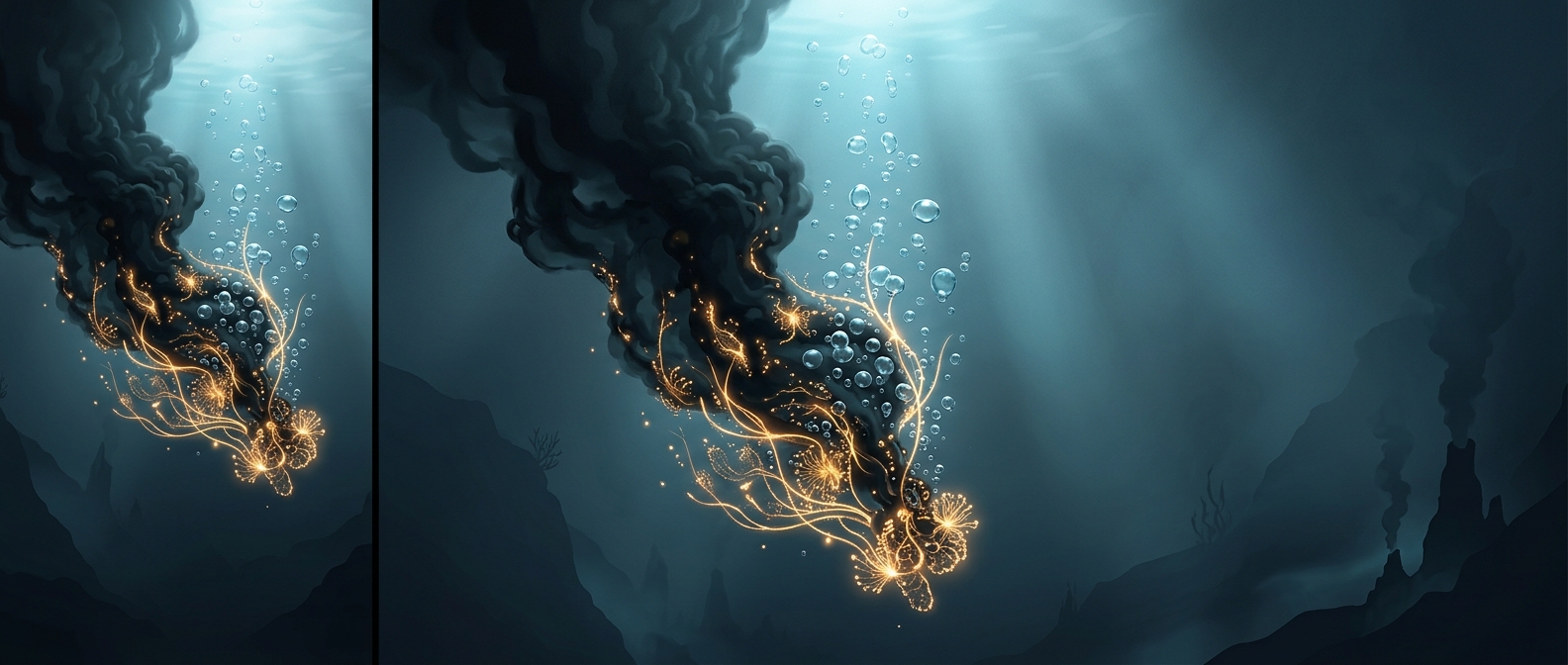
That release changes where nutrients go. Instead of all the materials inside a bacterium passing directly to organisms that eat it, some return to the water as dissolved organic matter. Other microbes can take up those materials and use them to grow. Scientists call this rerouting of cellular material the viral shunt.
A pressure that changes who thrives
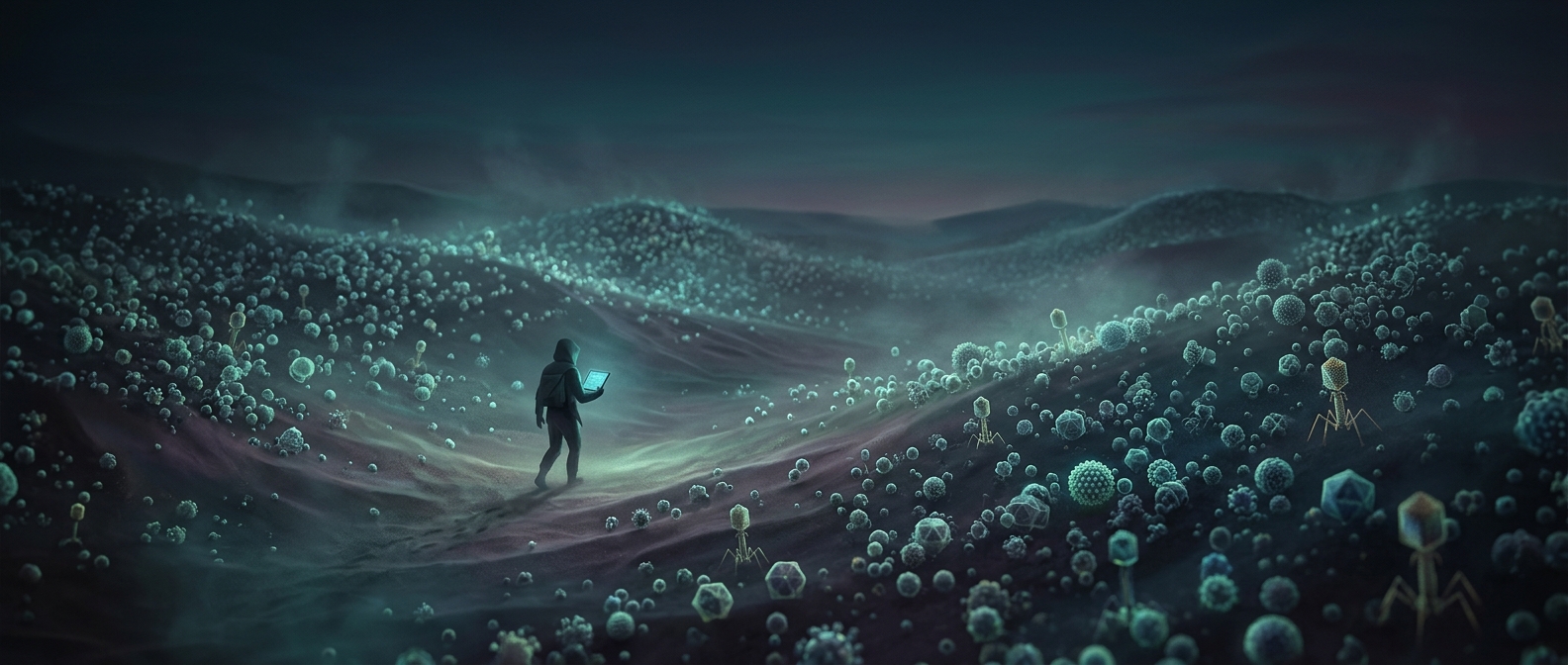
Viruses also affect which microbial populations become abundant. A virus that spreads through a common, susceptible host can reduce that population, giving other microbes more room and resources. The effect depends on which viruses meet which hosts, so viral infection can continually alter the balance among microbial communities rather than simply reducing all microbial life.
Those microscopic changes matter because ocean microbes process nutrients and form the base of marine food webs. Their growth and breakdown influence how carbon moves through seawater: some is quickly recycled near the surface, while some can travel deeper in sinking material. The enormous number of viruses is consequential not just as a count, but because infections repeatedly redirect matter and shift the communities doing that work.