Why the night sky looked like morning
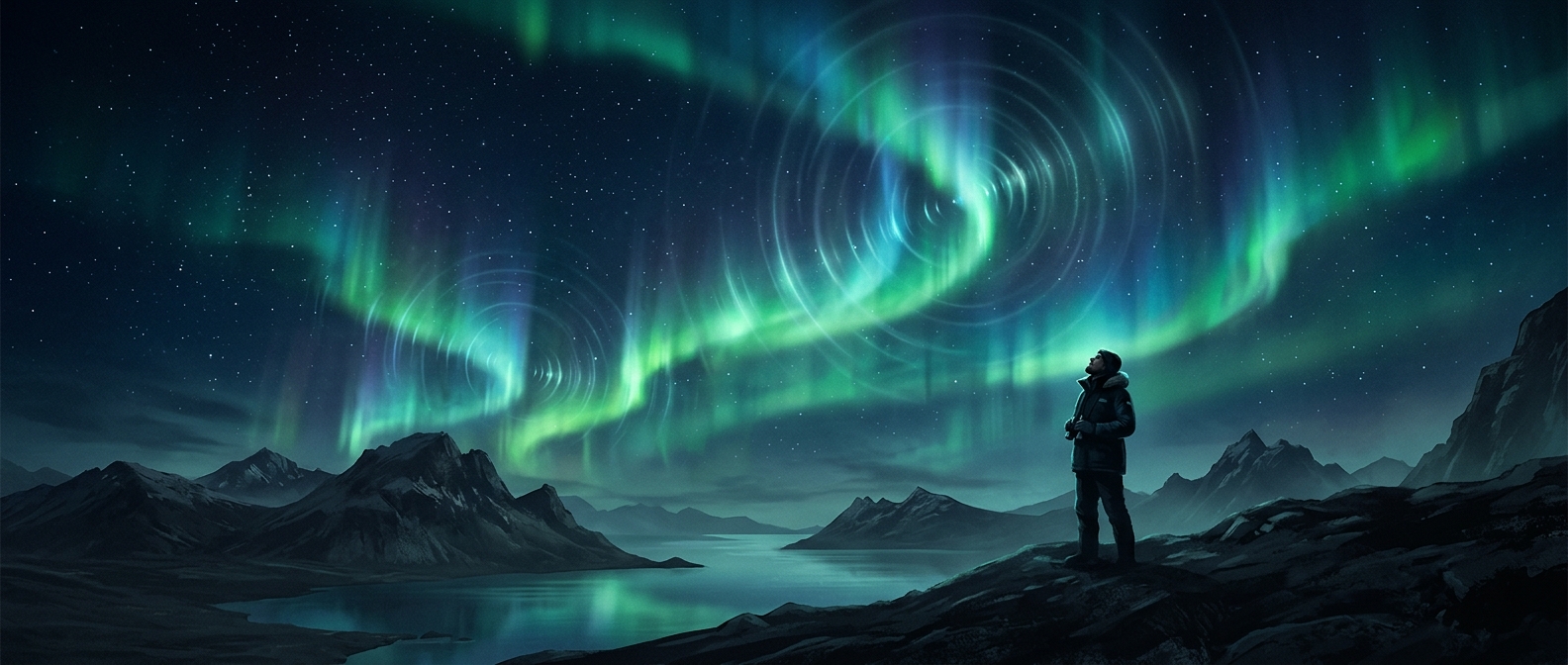
The 1859 storm began with an eruption from the Sun that disturbed Earth’s magnetic environment. When energy and charged particles from the Sun reached Earth, they stirred the upper atmosphere, producing an unusually bright aurora. Normally concentrated near polar regions, auroras during a powerful geomagnetic storm can spread much farther south.
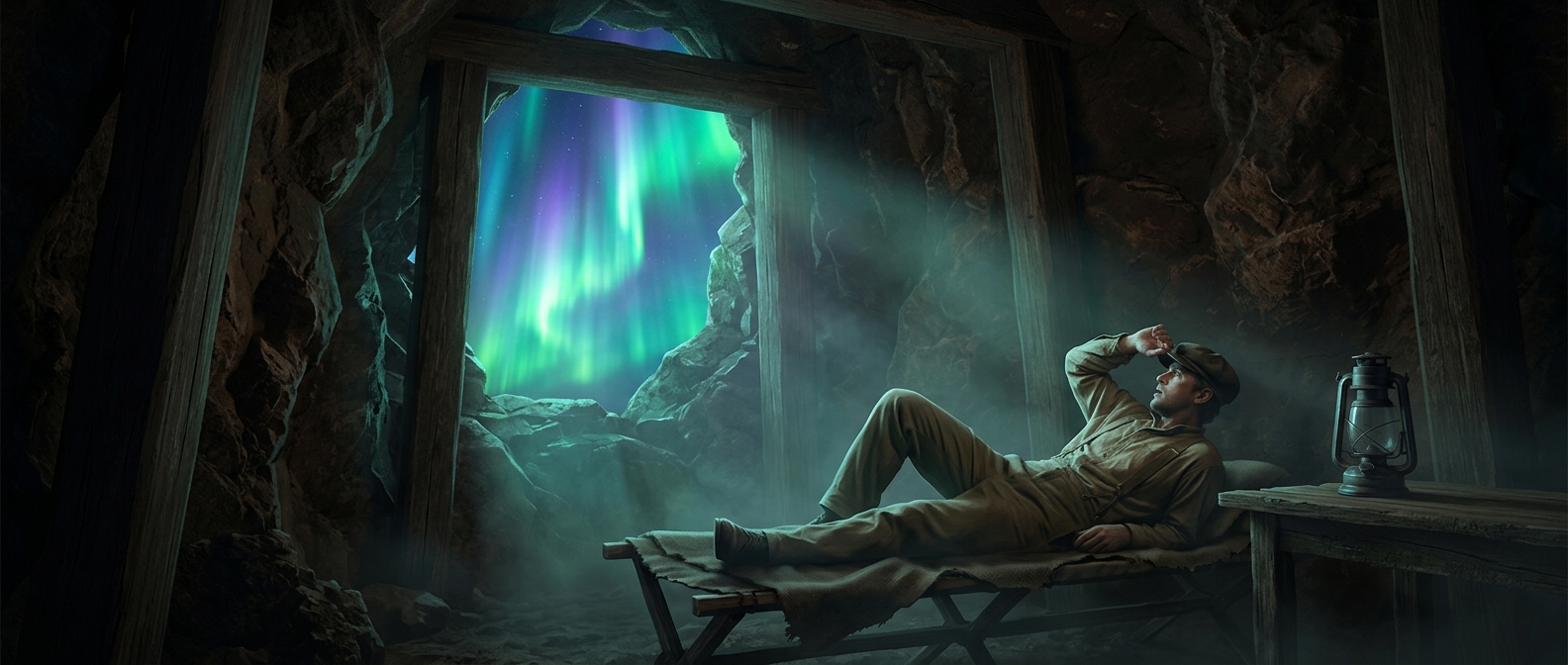
For miners in the Rocky Mountains, the glow was bright enough to resemble dawn. At 1 a.m., some mistook the illuminated sky for morning and got up to make coffee. The light came from the atmosphere high above them—not from the Sun rising over the horizon.
How a solar storm reached telegraph wires
The same disturbance that intensified the aurora also changed Earth’s magnetic field. Those changes can drive electrical currents in long conductors, including telegraph wires stretched across the landscape. In 1859, the telegraph was a major communications network, and its wires effectively gave the storm a vast path through which to produce electrical effects.
Operators reported shocks and equipment sparking; some telegraph systems could work even after their batteries were disconnected because storm-driven currents were flowing through the lines. The aurora was the visible sign of the disturbance, while the telegraph effects revealed that it was also interacting with technology on the ground.
That contrast made the storm remarkable: it could brighten the night enough to rouse sleeping miners while sending unwanted current through the wires that carried messages across the continent.