Why poutine’s curds soften instead of disappearing
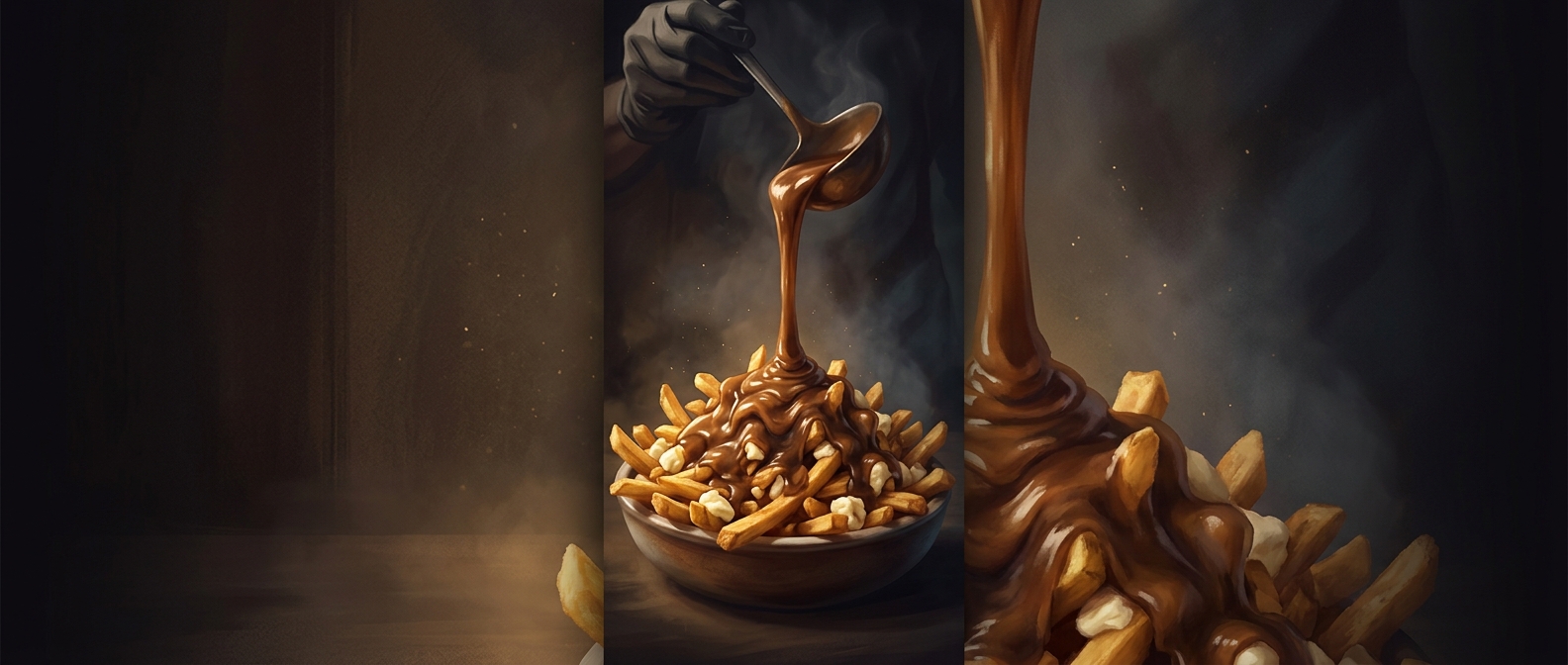
Cheese melts when heat loosens the structure holding its proteins and fat together. But a pour of gravy is not the same as leaving cheese in a hot pan: it transfers heat quickly, then cools as it spreads across the fries and curds. The curds warm and soften, yet often keep their shape rather than flowing into a uniform sauce.
Fresh cheese curds are especially suited to this contrast. Their compact, elastic structure gives them a springy bite; warming makes them more tender without necessarily making them liquid. How soft they become depends on the curds, the gravy’s temperature, and how long the assembled dish sits.
The texture is part of the design
Poutine brings together ingredients that behave differently under heat. Fries provide a crisp-to-tender base, gravy clings to their surfaces, and the curds remain distinct pockets of soft, chewy cheese. If the curds fully melted, that contrast would vanish: the cheese would blend into the gravy instead of offering a separate bite.
So the gravy does more than add flavor. It warms the curds just enough to change their texture while leaving their identity intact—a small temperature window that helps make poutine feel like more than fries covered in sauce.