Why untreated rubber behaved badly
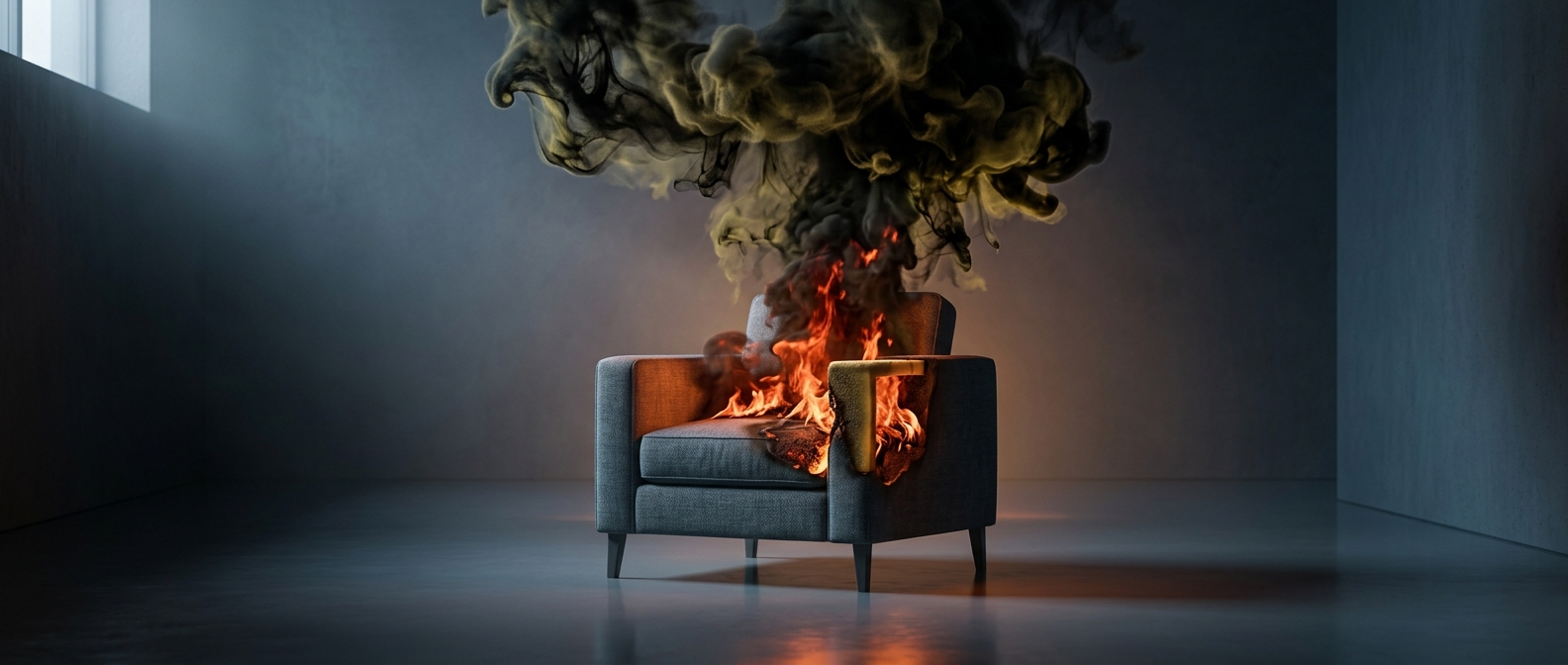
Natural rubber is made of long, flexible molecules. In untreated rubber, those strands can shift past one another, especially when warmed. The material may become sticky and sag in heat, then stiffen in cold. That made rubber difficult to rely on in everyday products: its shape and feel changed with the weather.
Sulfur turns loose strands into a network
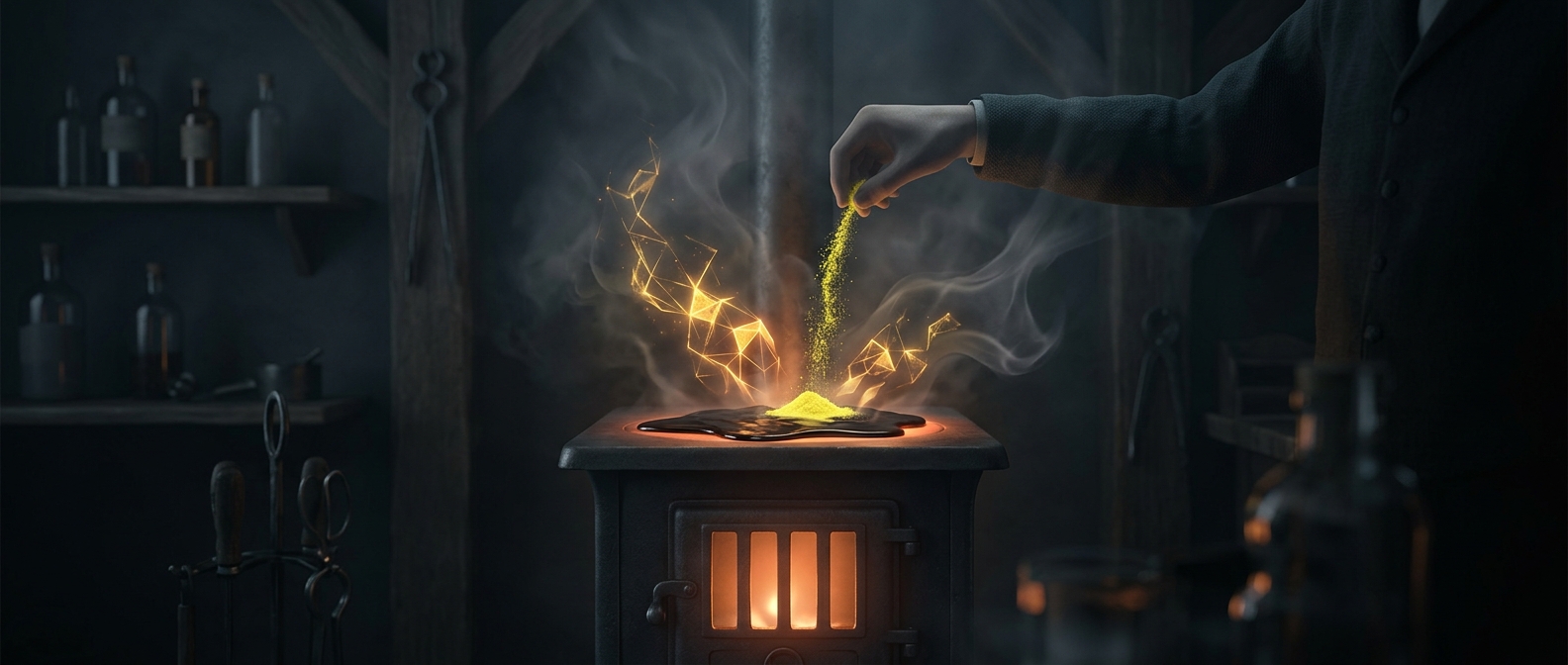
Heating rubber with sulfur creates chemical bridges, called cross-links, between neighboring molecules. The strands can still stretch, but the bridges stop them from flowing freely past one another. When the force is removed, the connected network helps the rubber spring back toward its original shape.
The stove story associated with Charles Goodyear captures the key clue: heat and sulfur together could produce a material with very different behavior. But the useful result came from working out how to make that change repeatable, not merely from noticing a scorched sample. This process became known as vulcanization.
From curious material to dependable equipment
Vulcanized rubber is more resistant to heat, cold, wear, and deformation than untreated rubber. Those properties made it practical for products that must flex repeatedly while keeping their shape, including tires and seals. The important change was not simply making rubber harder; it was giving its molecules enough connections to stretch without letting the material slump or crumble.