How TNT research led to a perfume ingredient
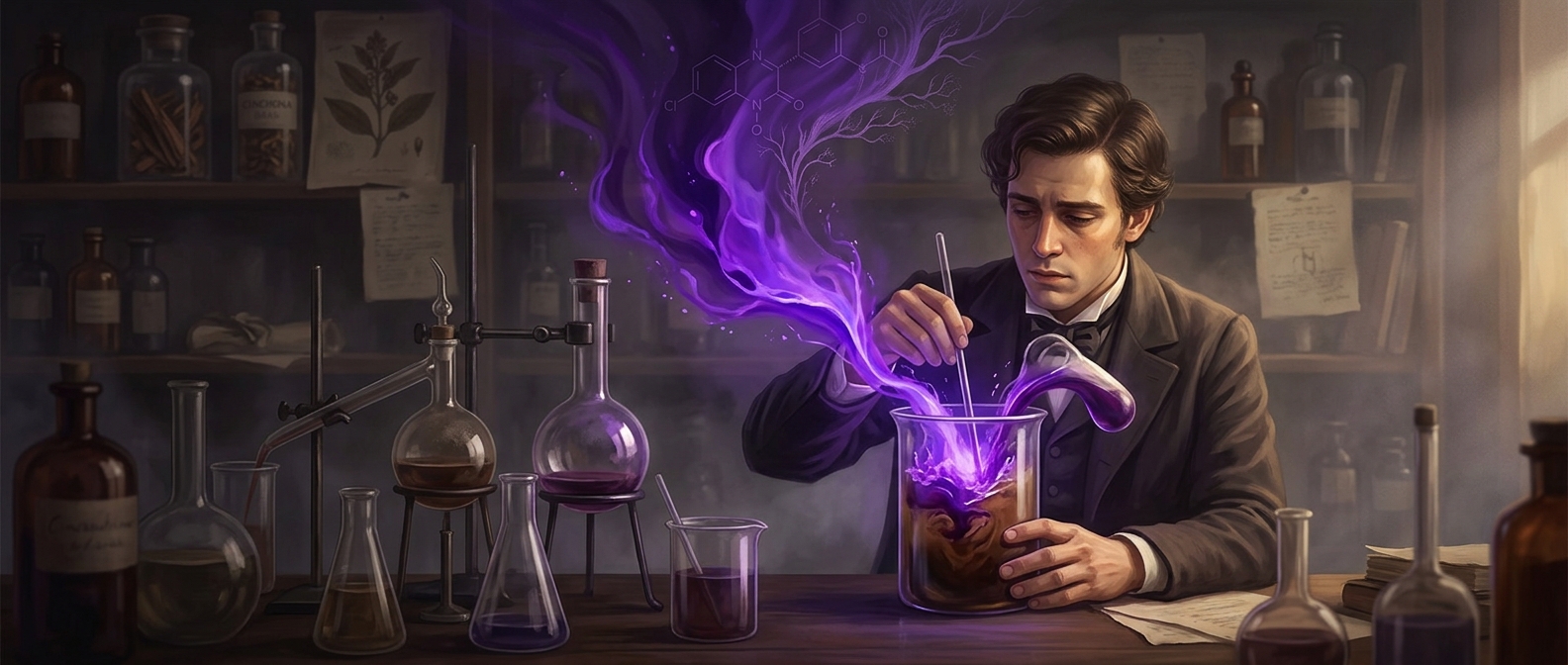
In the late 19th century, chemist Albert Baur was investigating compounds related to TNT when he noticed that some had a musky odor. The discovery was accidental in the practical sense: he was studying chemical behavior, not trying to reproduce an animal scent. Yet the odor suggested a new possibility for perfumers—musk could be made from laboratory chemicals rather than obtained from an animal source.
Smell depends on what a molecule does
A scent is not a tiny copy of the object it brings to mind. When airborne molecules reach the nose, they interact with odor-detecting cells, and the pattern of activity those cells produce is interpreted by the brain as a smell. Different molecules can therefore evoke a similar scent even when their structures—and their origins—are very different.
Baur’s compounds showed that a synthetic molecule did not have to match natural musk’s chemistry to produce a recognizable musky note. In perfumery, that mattered because scent is the goal: a material that creates the desired impression can stand in for one derived from an animal.
A new route to a familiar note
The discovery helped open the door to synthetic musks, a family of manufactured fragrance materials. It also revealed a broader principle of chemistry: researchers can find useful properties in compounds while pursuing an entirely different goal. A line of work connected to explosives had unexpectedly uncovered a way to create a prized perfume note without copying its natural source.