Science
Discover facts about science. Small discoveries that change the way you see familiar things.
Science
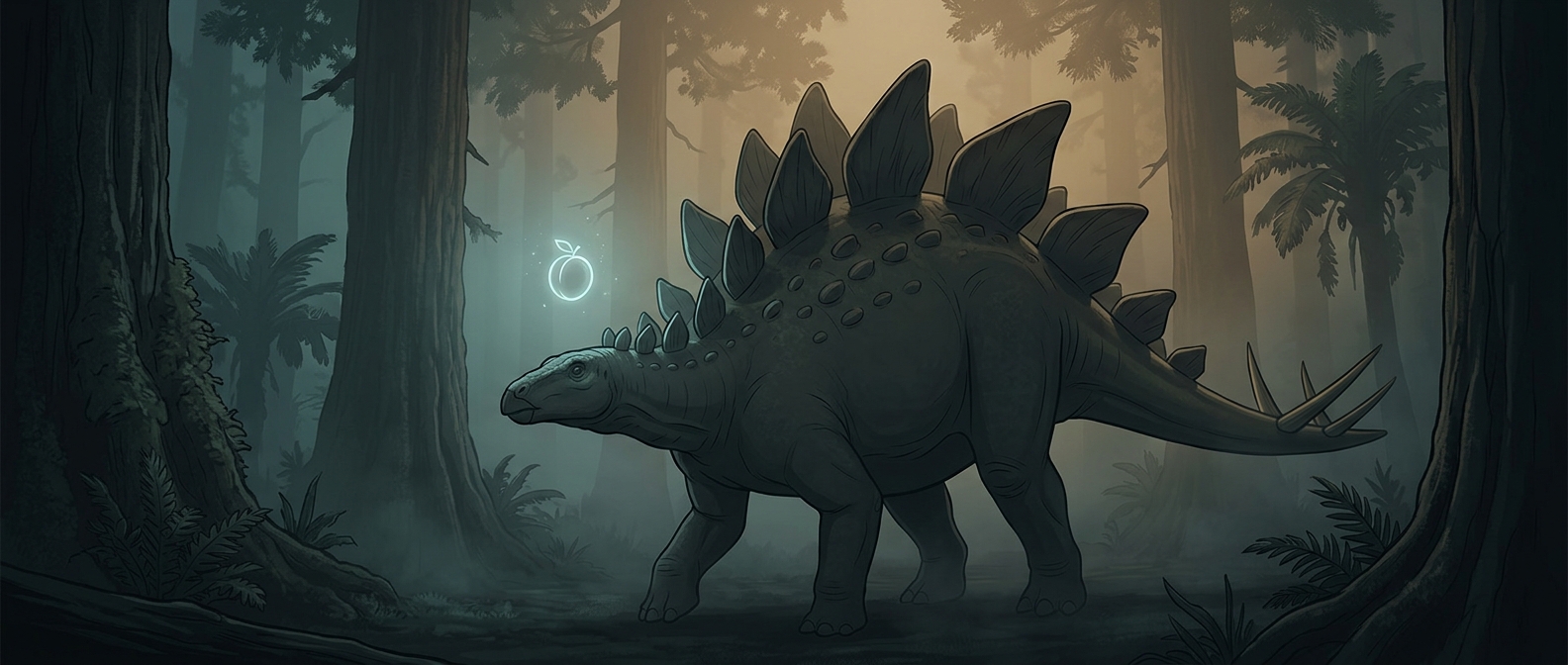
The dinosaur with a brain smaller than a plum
Evolution really skimped on the processing power for one of history's most famous dinosaurs. The Stegosaurus weighed roughly three tons and wielded a…
Discover more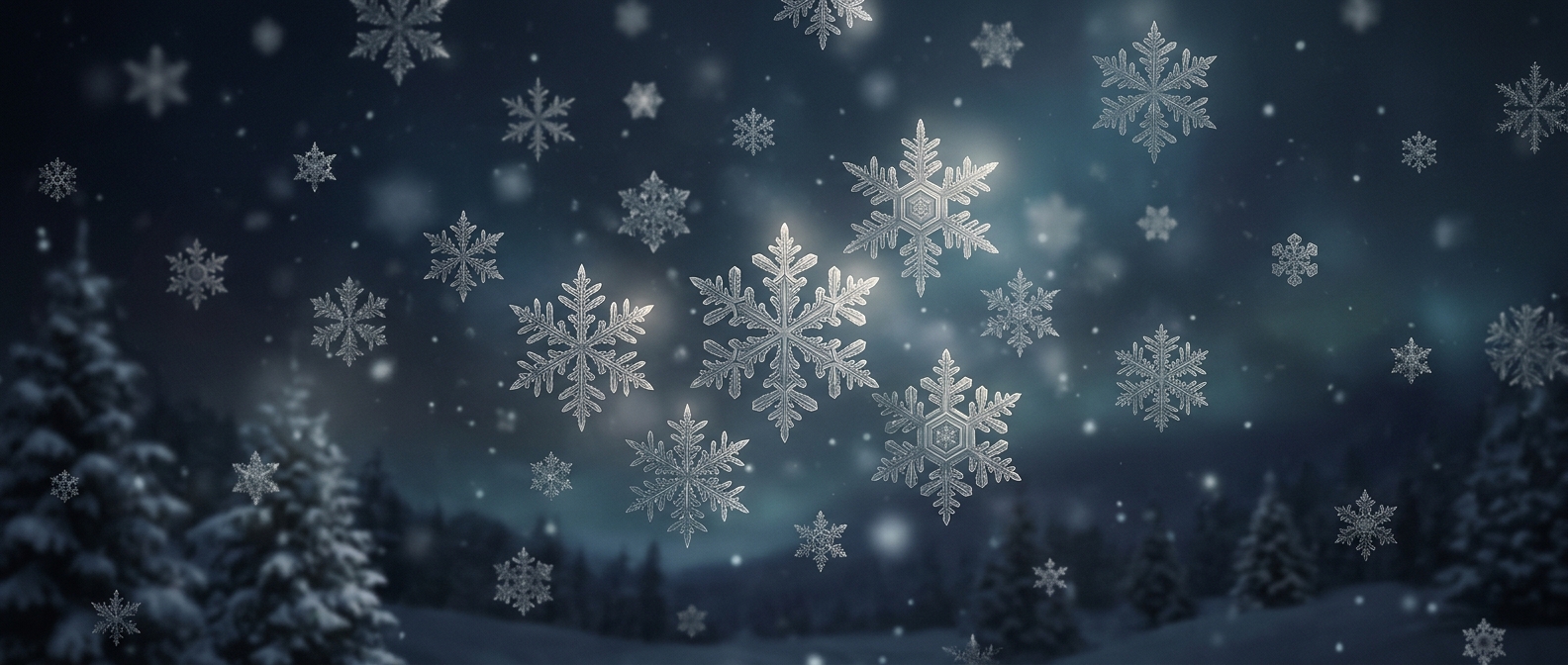
Why no two snowflakes are exactly alike
You might think the 'unique snowflake' metaphor is just inspirational poster garbage, but it's physically true. A snowflake’s final shape is determined by the…
Discover more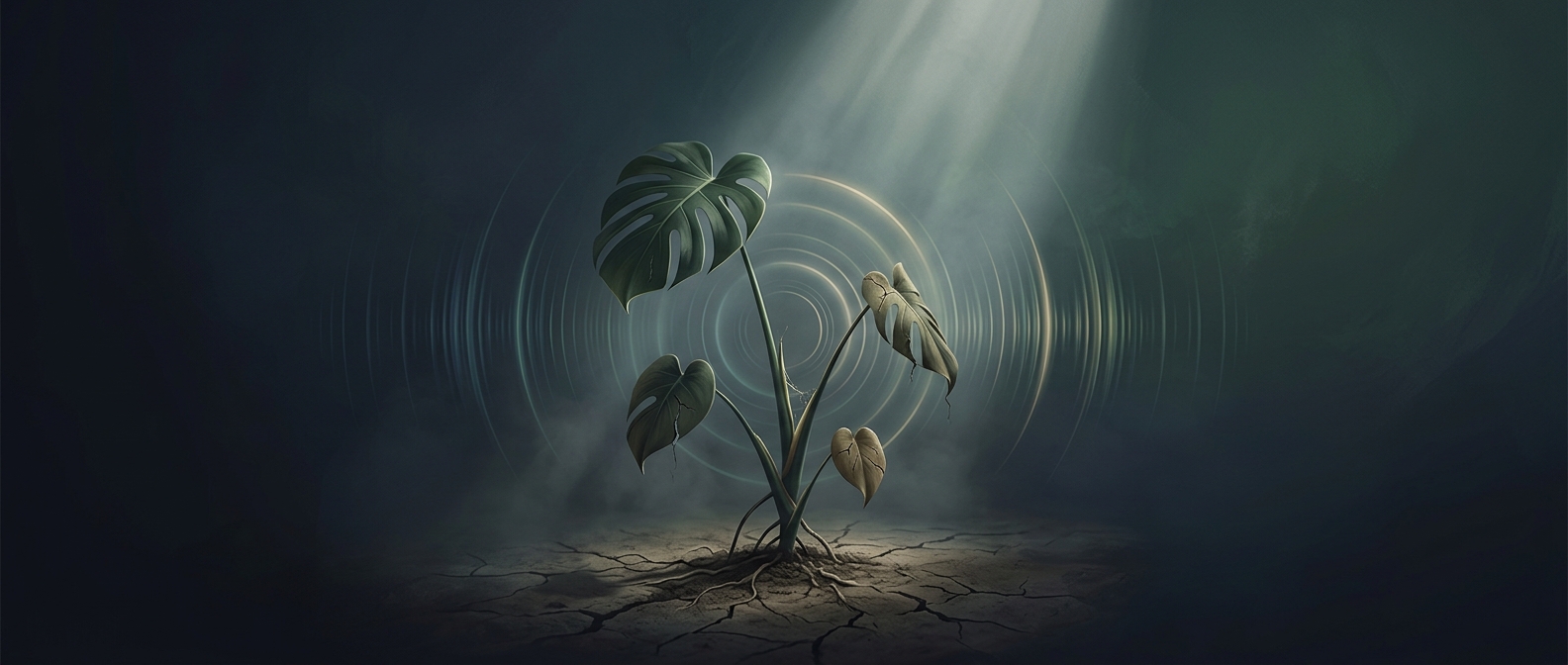
Thirsty plants may click loudly—but you can’t hear them
Vegans can't even claim the moral high ground anymore. Researchers have discovered that when tomato and tobacco plants are deprived of water or have their…
Discover more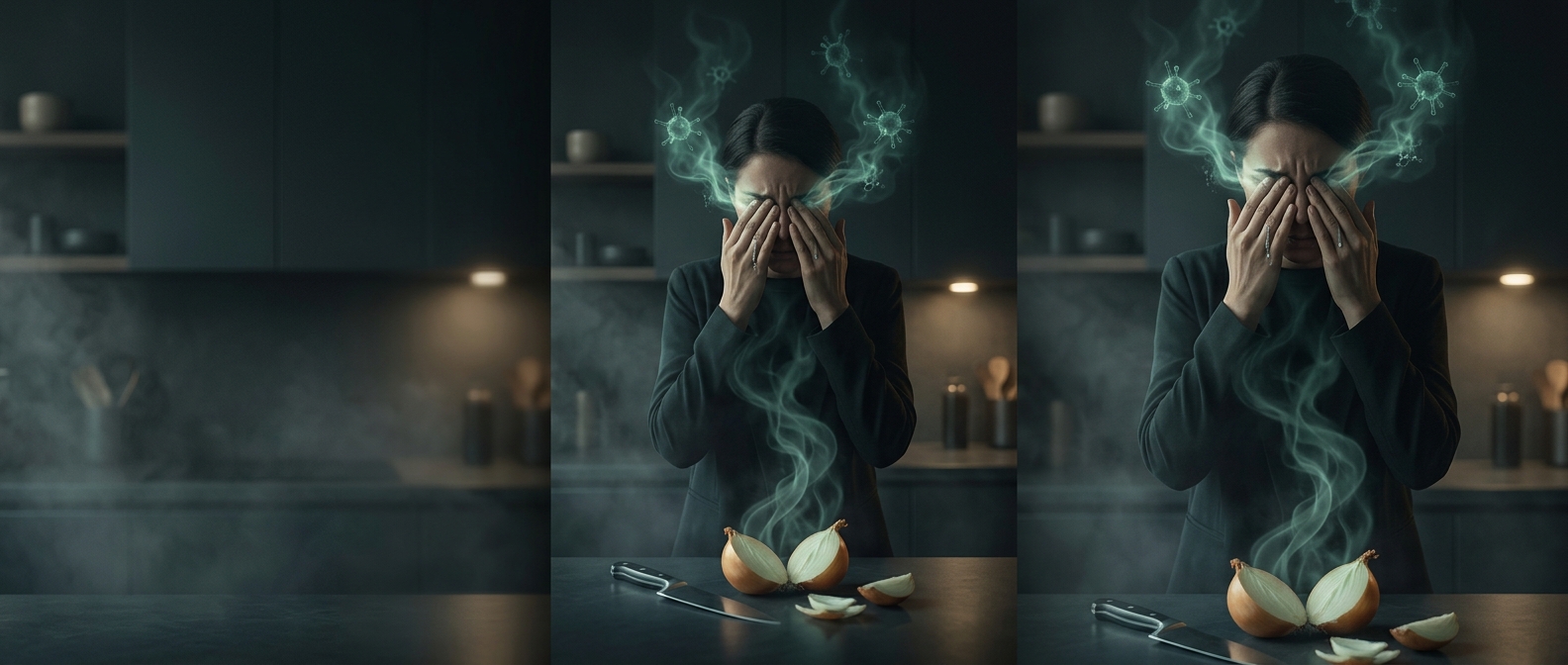
Cutting onions releases a gas that attacks your eyes and makes you cry
Onions don't want to be eaten, and they will absolutely fight dirty. When you slice into one, you rupture its cells, causing it to aggressively launch…
Discover more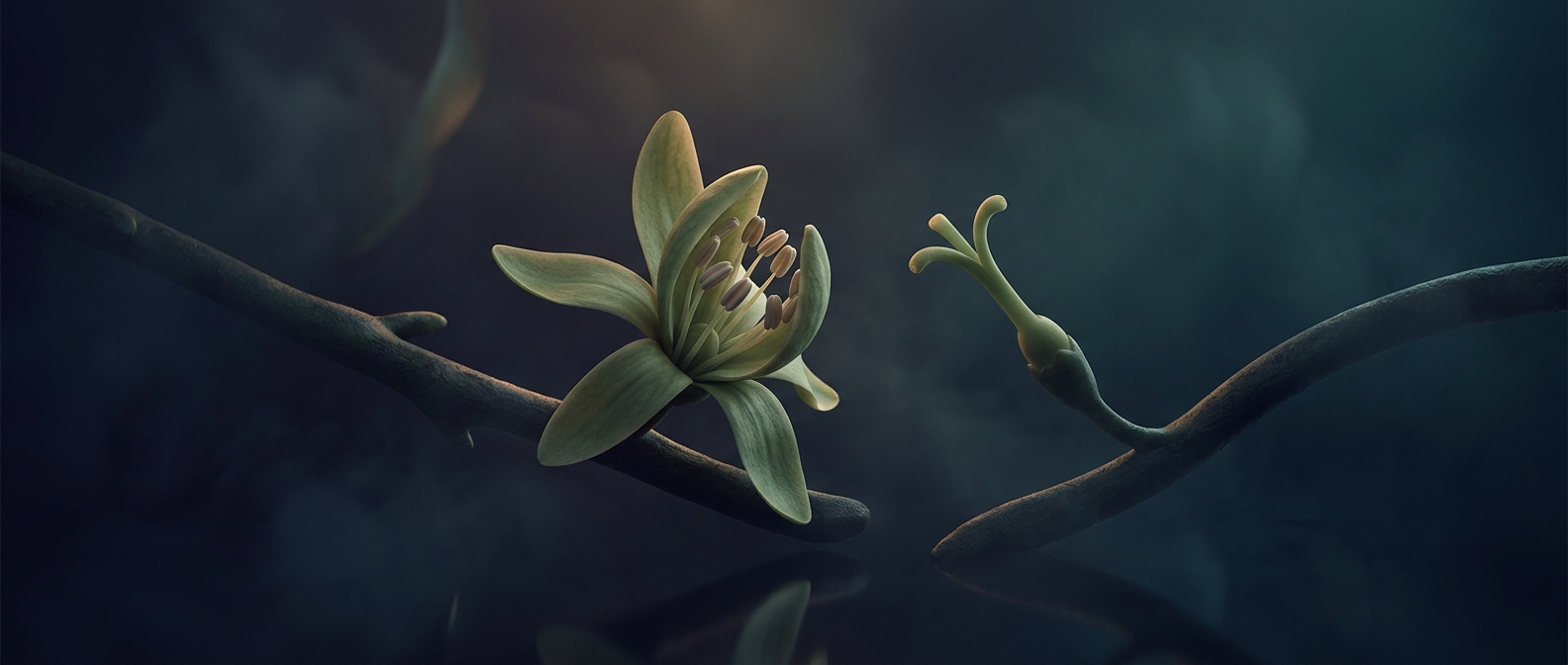
Why avocado trees need a neighbor to pollinate
Avocados are the ultimate divas of the orchard. Their flowers open as female one day, close, and then reopen as male the next day, making it incredibly…
Discover more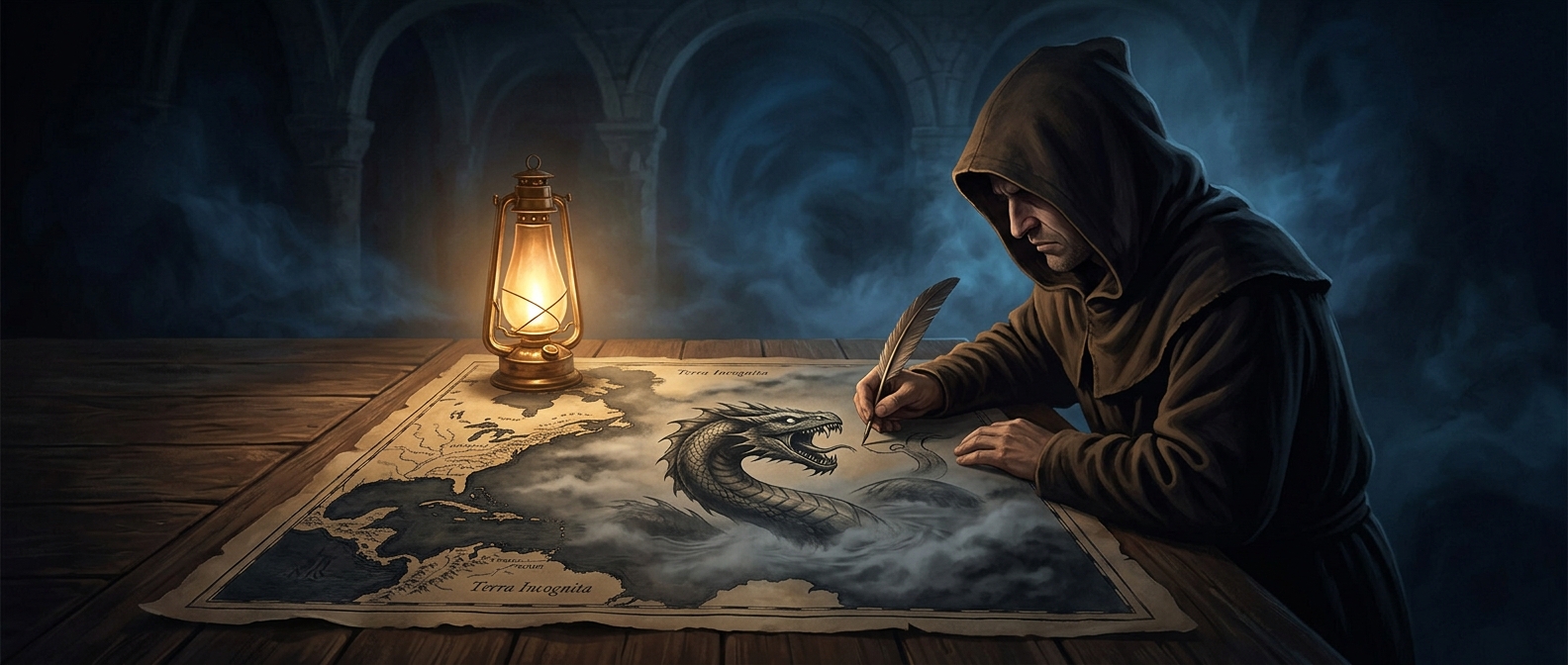
Why old maps were filled with sea monsters
Those terrifying sea serpents inked onto old nautical charts were not actual warnings of peril. Mapmakers simply hated leaving vast expanses of paper totally…
Discover more STACKY FOR IPHONE
A bigger world.
One discovery
at a time.
Keep discovering with Stacky. Interesting facts in an app that is always within reach.
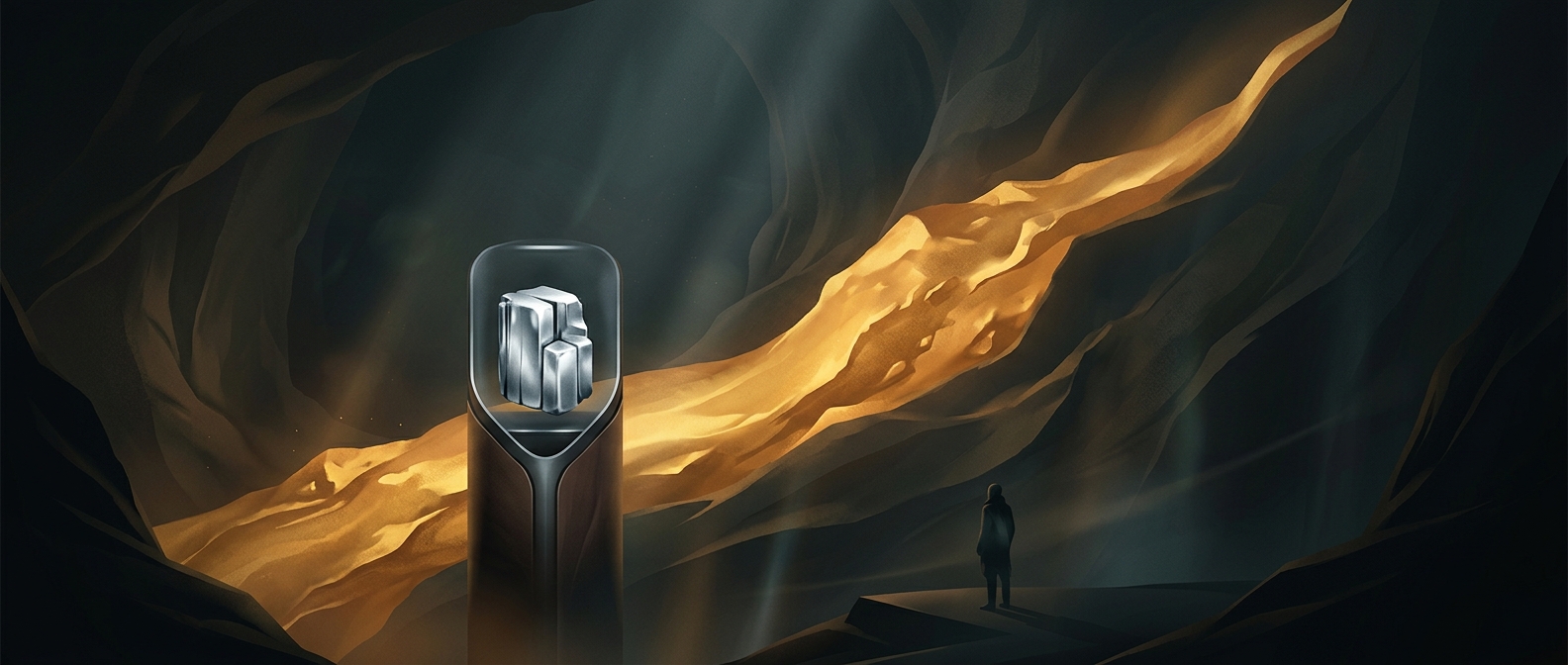
Platinum is far rarer than gold
Gold thinks it’s special, but it's incredibly common compared to platinum. If you poured all the platinum ever mined in human history into an Olympic-sized…
Discover more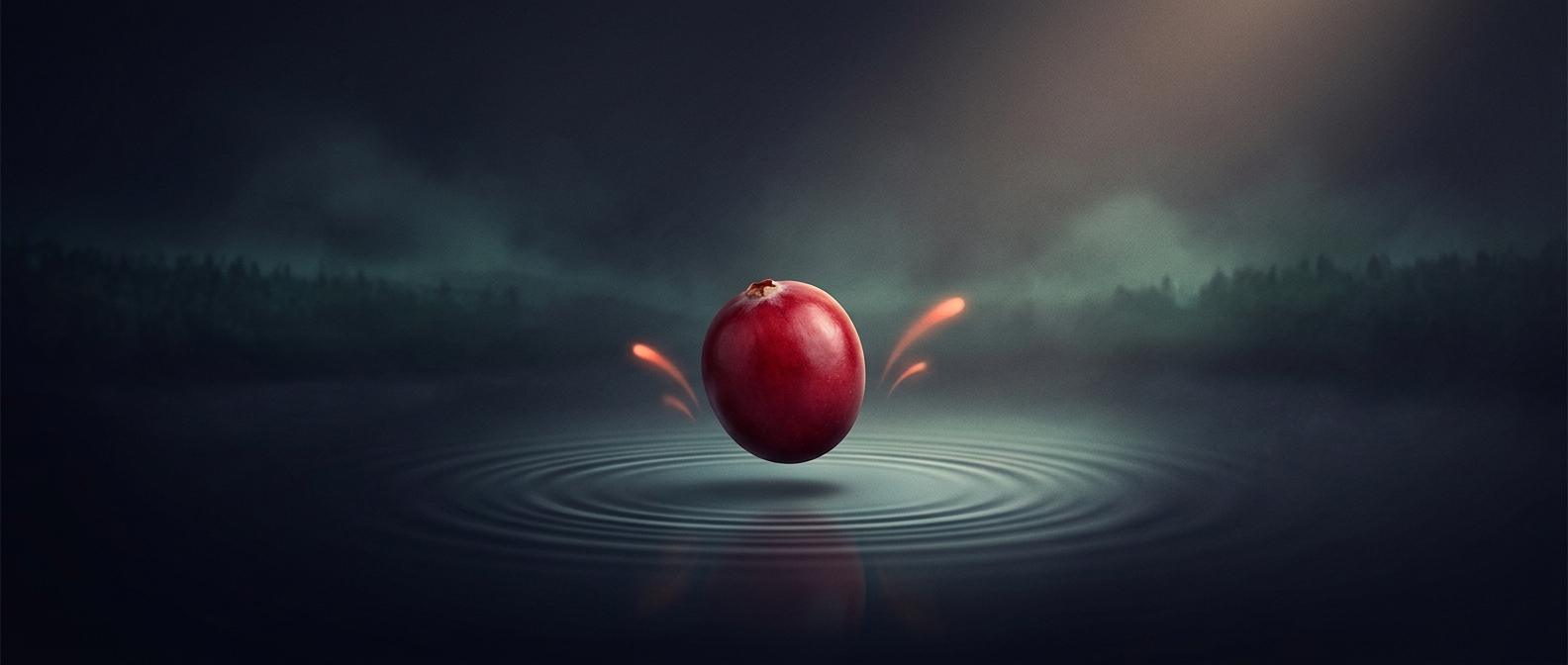
Why Ripe Cranberries Bounce
If you want to know if a cranberry is perfectly ripe, just aggressively throw it at the floor. Because they are filled with small pockets of air, fresh and…
Discover more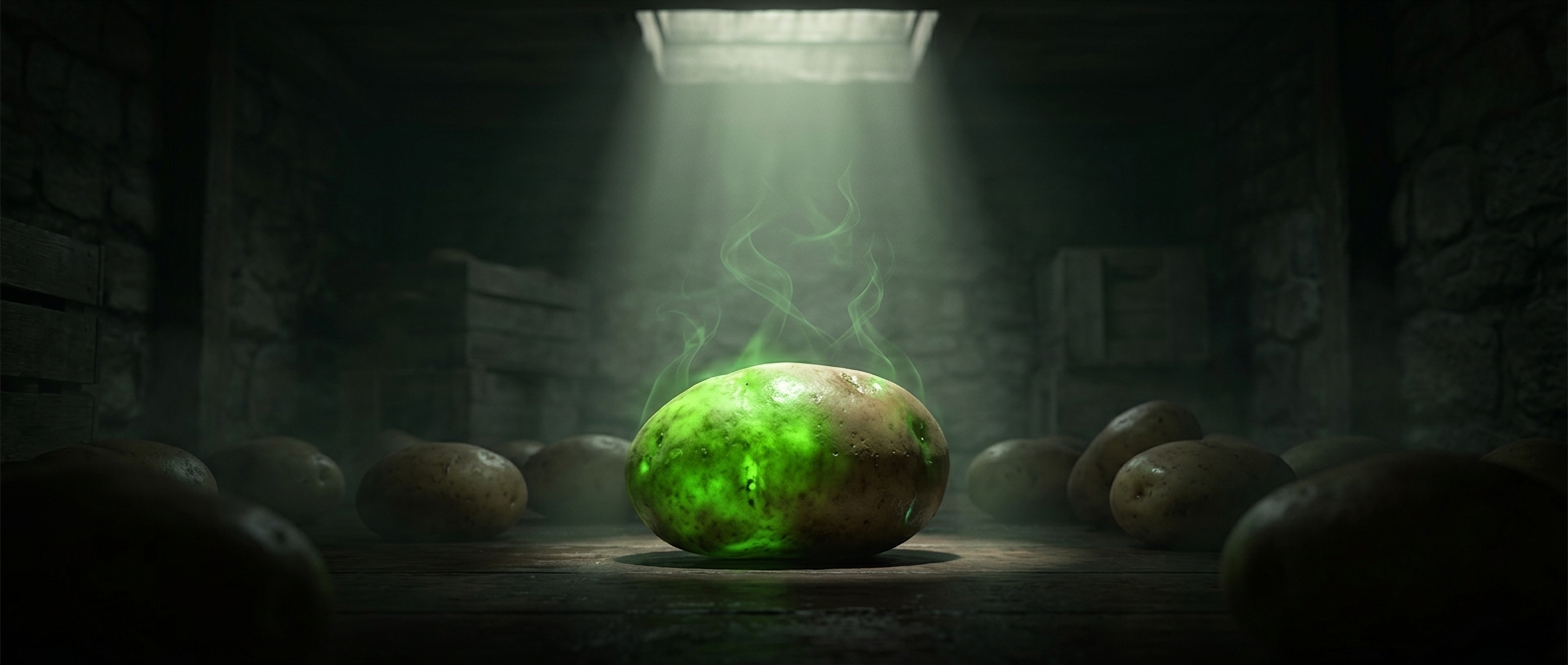
Why green potatoes can make you sick
Don't ignore the green spots on your old potatoes. When exposed to sunlight, potatoes produce chlorophyll, which is harmless, but it also triggers the…
Discover more
Why maps are called atlases
Calling a book of maps an 'atlas' has nothing to do with the maps themselves. In 1595, a famous cartographer simply slapped an illustration of the mythical…
Discover more
The first maps were built on hearsay
Early attempts to draw the globe were basically games of telephone. Cartographers would interview sailors who had spoken to other sailors, resulting in wild…
Discover more
White chocolate has no cocoa solids
White chocolate is a complete linguistic fraud. It contains absolutely zero cocoa powder or solids, meaning it carries none of the rich, complex compounds…
Discover more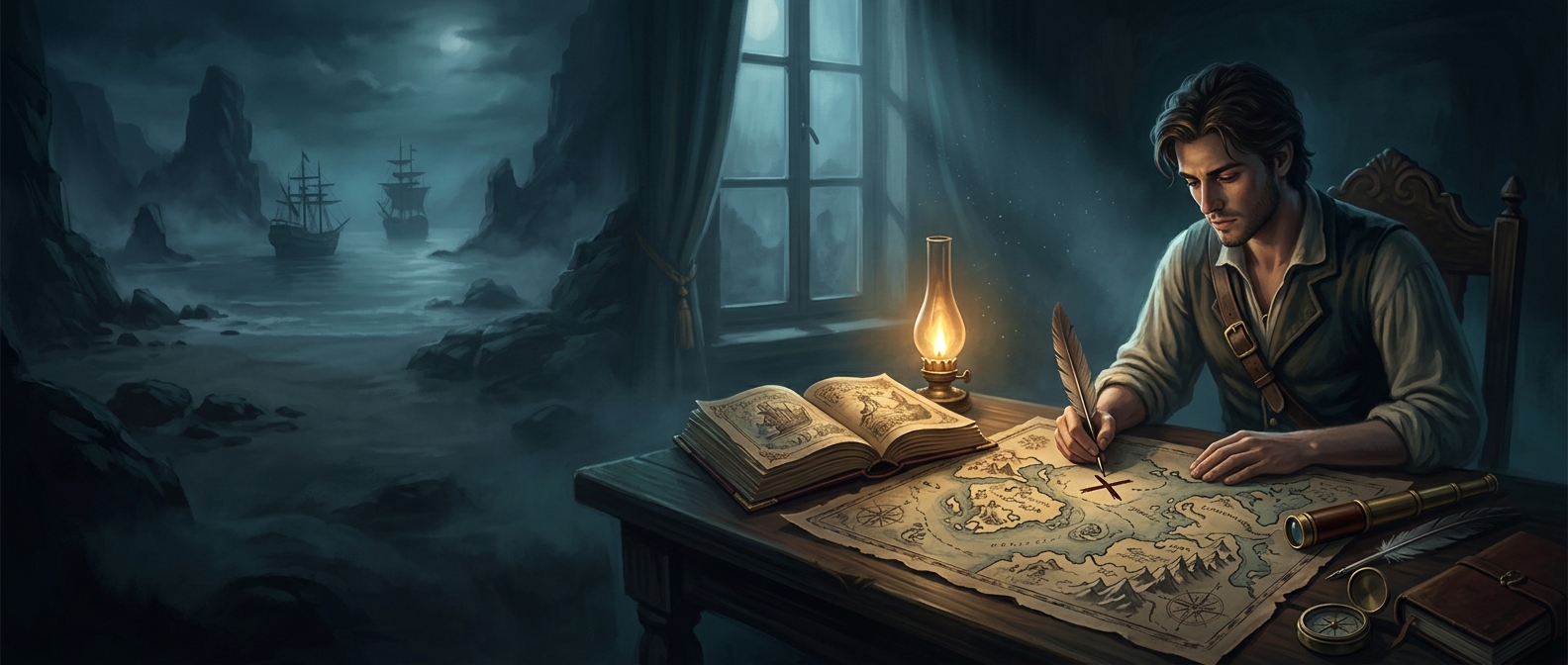
Pirates never used X to mark treasure
Actual swashbucklers never buried their gold and they certainly did not draw convenient maps with a massive red letter on them. Robert Louis Stevenson…
Discover more
You can eat pure gold
Billionaires rejoice: you can safely eat your wealth. Pure elemental gold is biologically inert, meaning it will completely ignore your digestive system and…
Discover more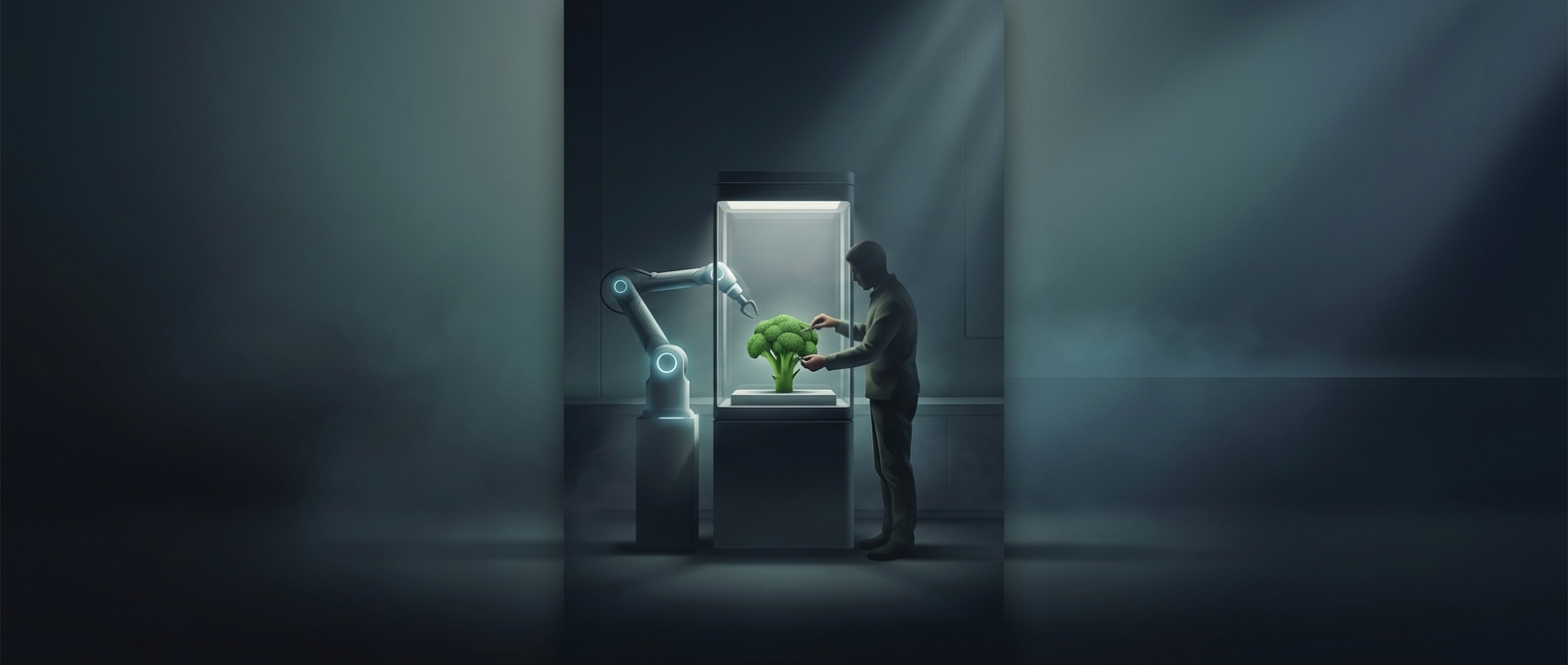
The wild mustard that became broccoli
You can't go into the wilderness and find wild broccoli. It's not natural. Centuries ago, overly ambitious farmers took a completely normal wild mustard plant…
Discover more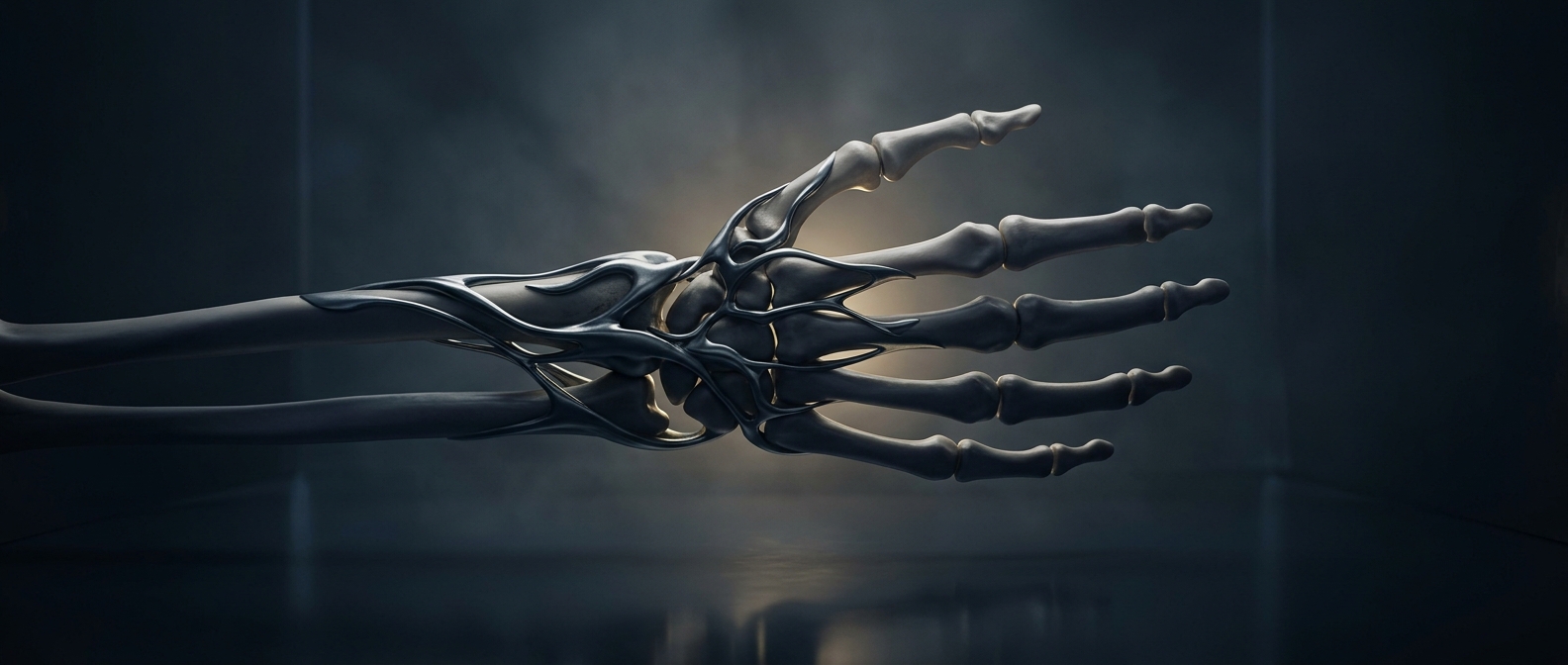
Why titanium can become part of your bones
Your body aggressively rejects almost every foreign object, except for titanium. Through a freak process called osseointegration, human bone cells will…
Discover more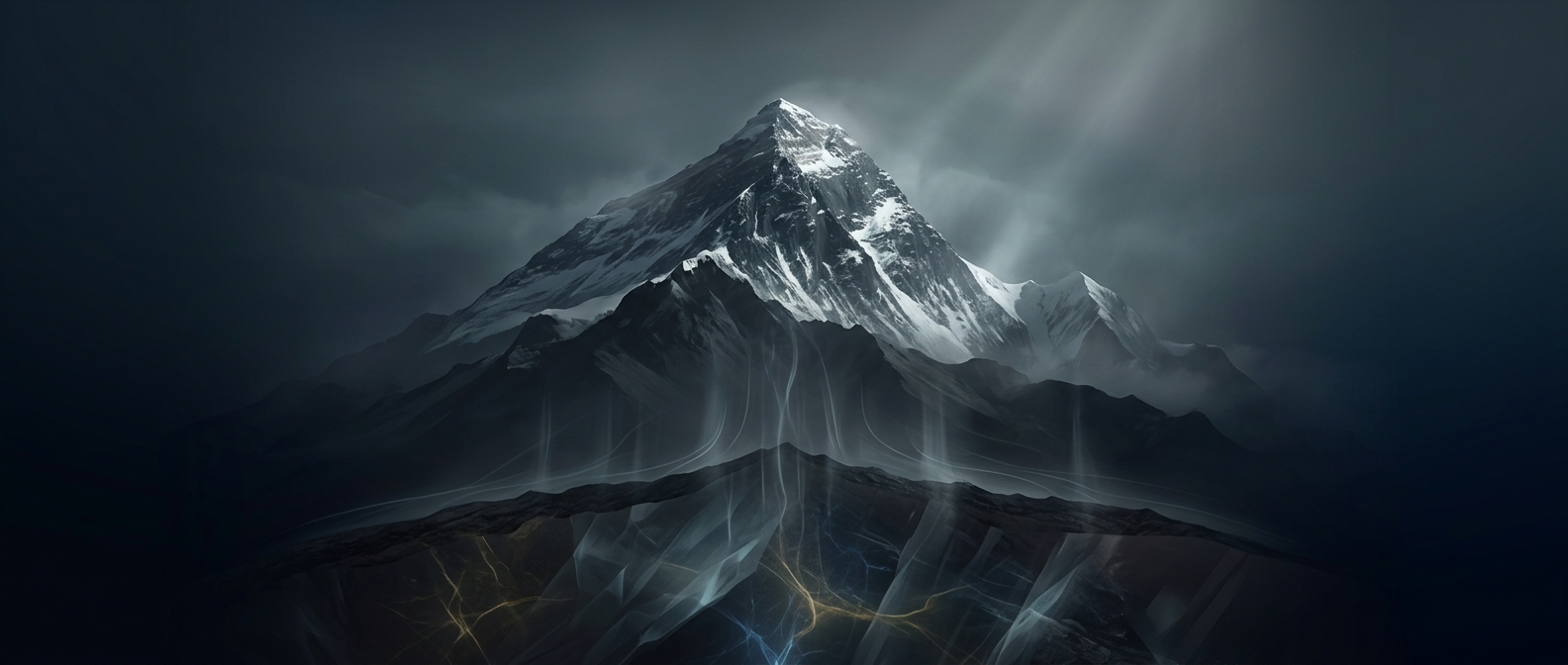
Mount Everest is still getting taller
Mount Everest isn't satisfied with simply being the tallest; it has an ego problem. Because the Indian tectonic plate is still relentlessly smashing into the…
Discover more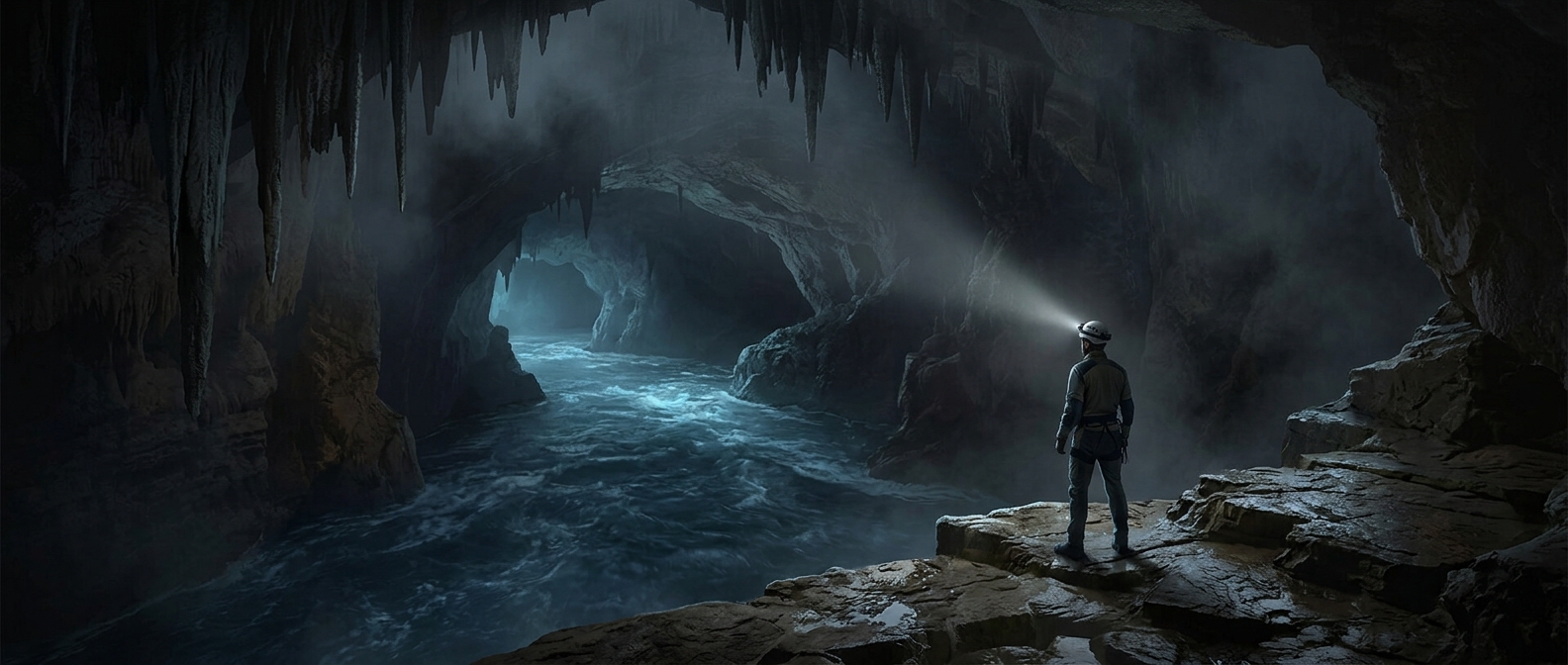
Massive rivers flow beneath the ground
Surface rivers get all the glory, but the real action is entirely out of sight. Massive, undetected underground rivers flow constantly through highly porous…
Discover more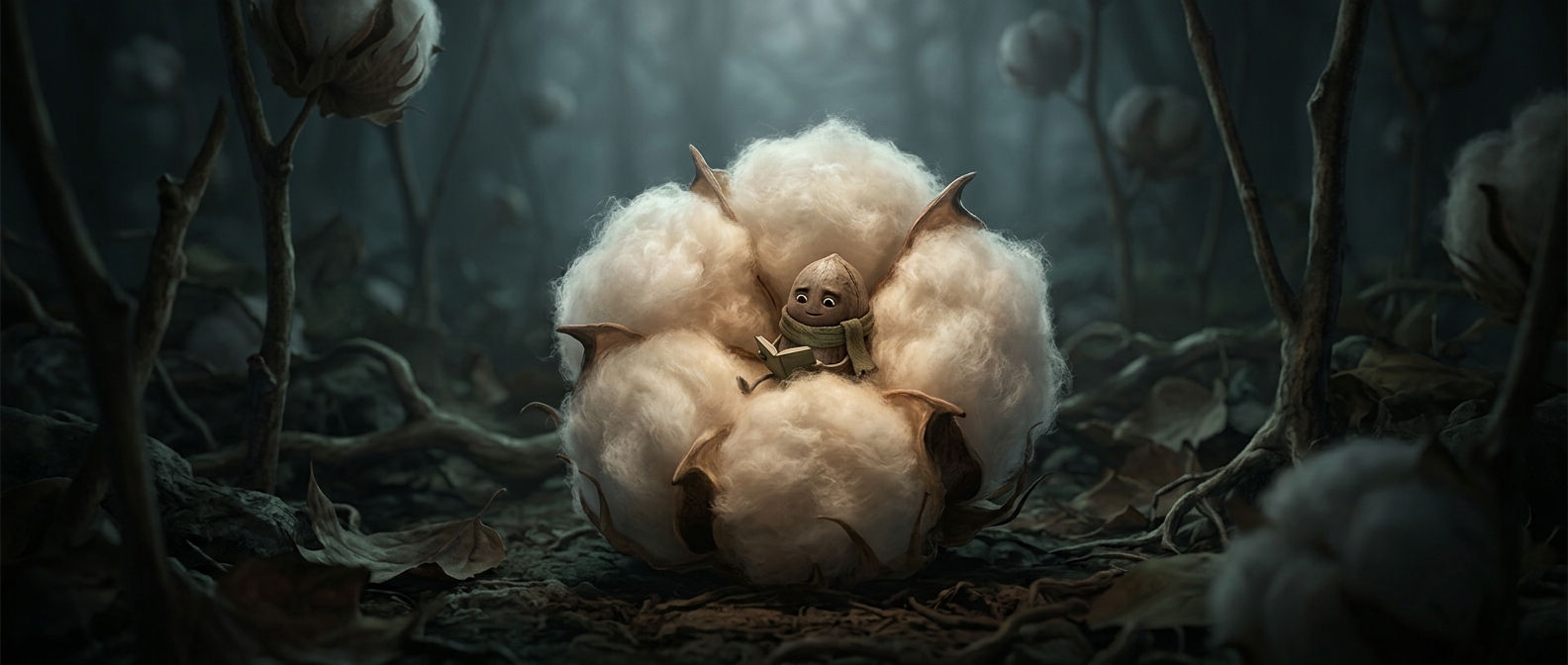
Cotton naturally grows as a fluffy protective seed casing
That expensive designer t-shirt you're wearing is made entirely out of plant fluff meant to protect seeds from the harsh world. The cotton plant pushes out…
Discover more
Why medieval maps put east at the top
If you look at medieval charts, you will be holding them sideways. Because the sun rises in the east, early mapmakers considered it the most important…
Discover more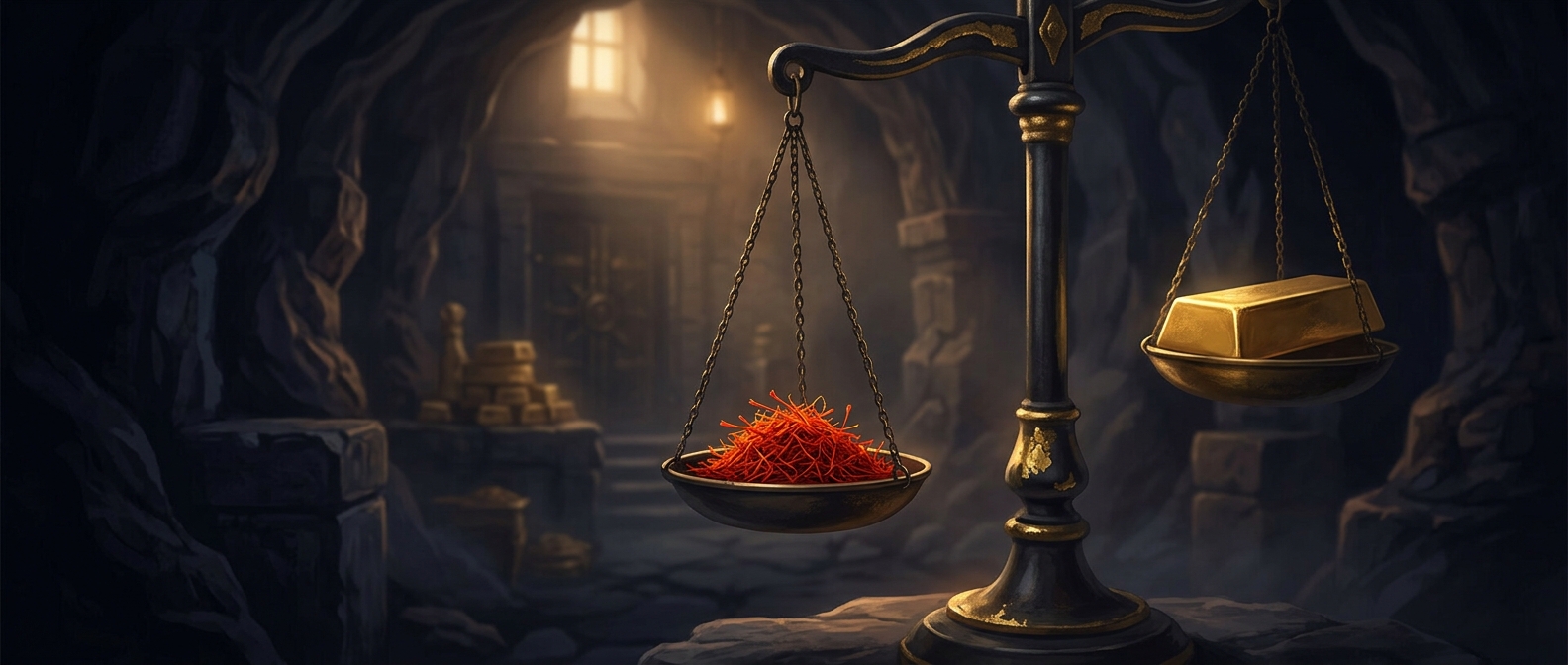
Why saffron can cost more than gold
If you ever feel worthless, just remember that a pile of dried flower bits is worth more than precious metals. Saffron threads are actually the tiny stigmas…
Discover more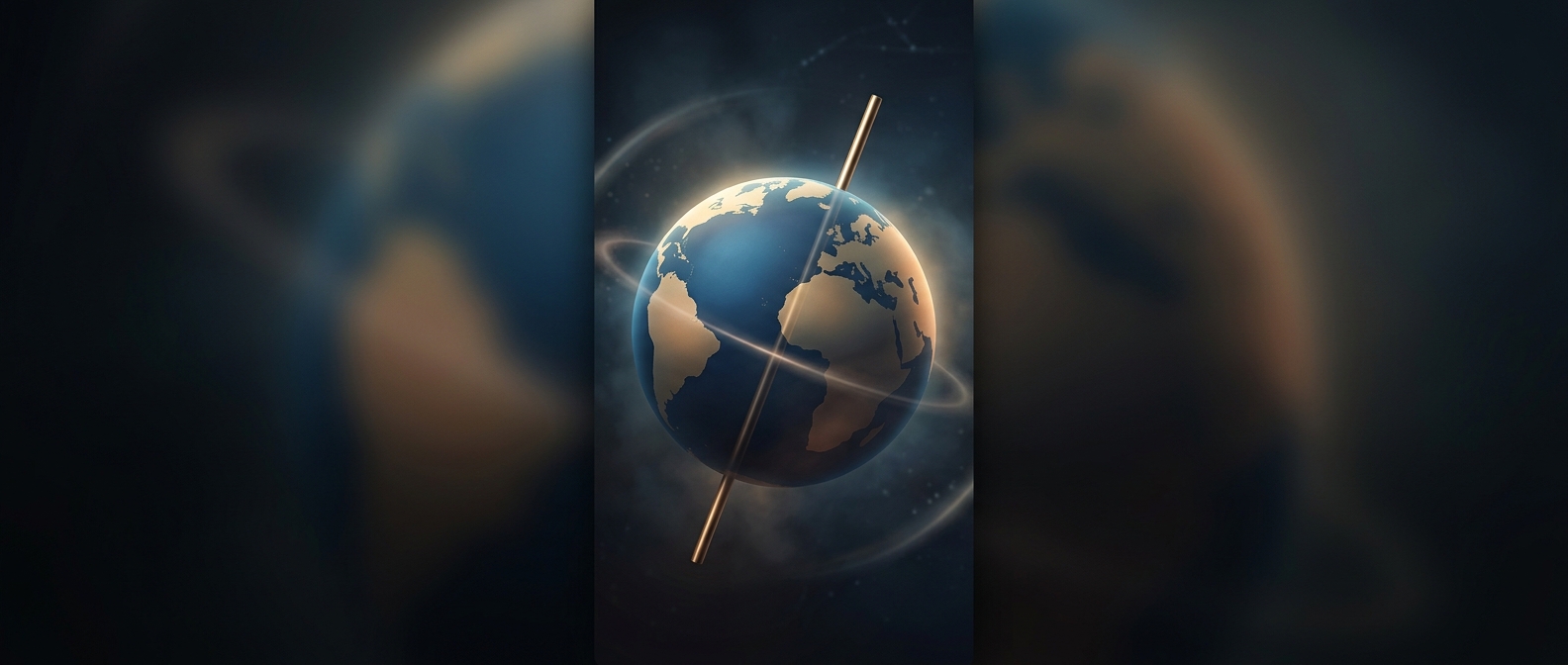
Globes tilt at exactly 23.5 degrees to match Earth
That awkward, angled mount holding every spinning globe in every library is not just a stylistic choice. It mimics the exact axial tilt of our planet relative…
Discover more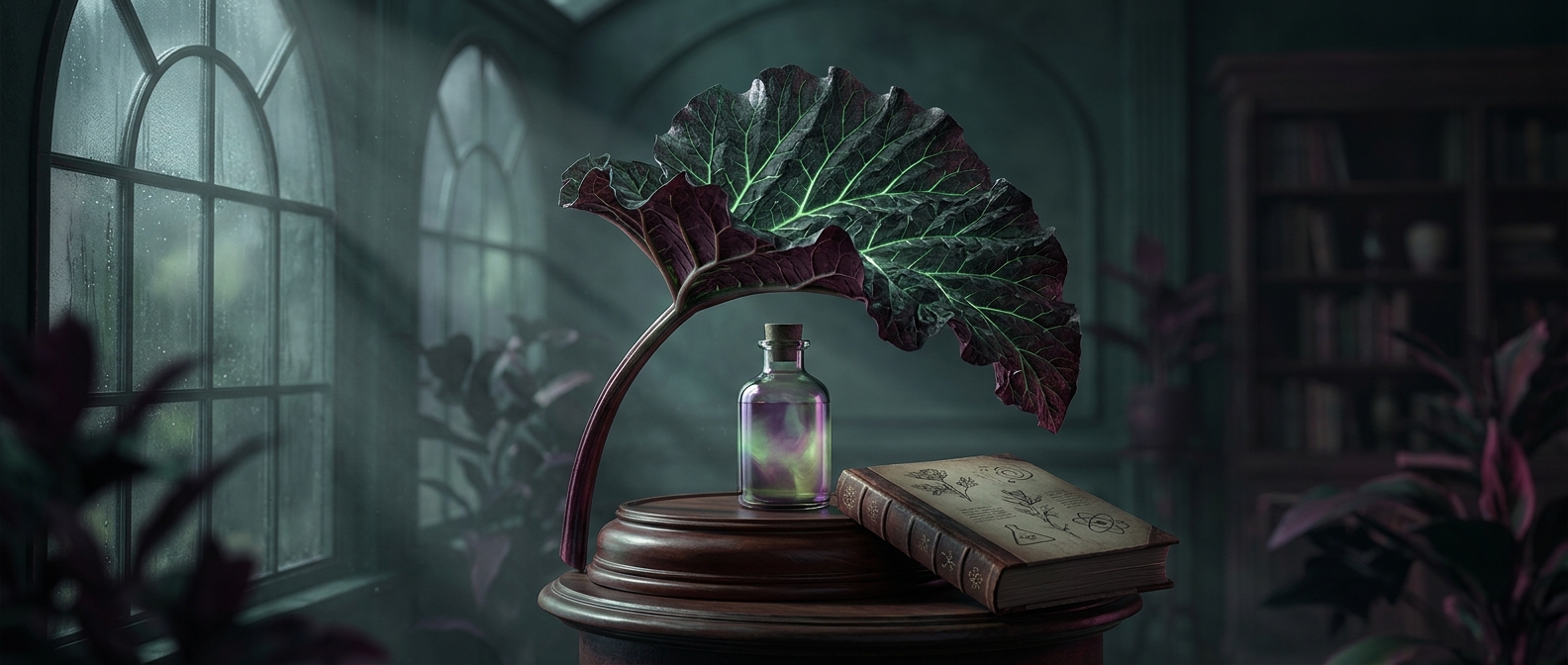
Why rhubarb leaves can be poisonous
Rhubarb is the Jekyll and Hyde of the garden. While the pink stalks make a wonderfully tart pie, the large green leaves are packed to the brim with oxalic…
Discover more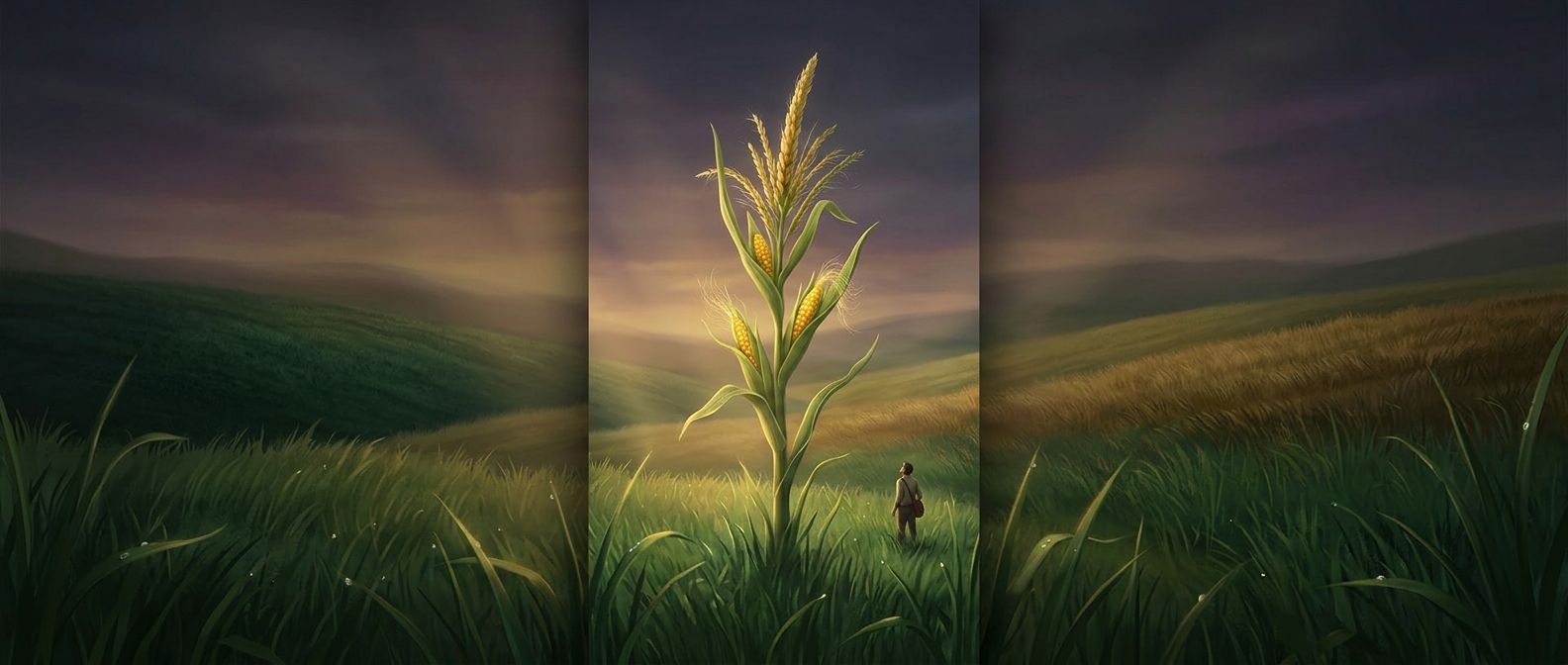
Corn is a grass—yes, really
Every time you eat a corn on the cob, you are just aggressively munching on a highly mutated grass stalk. Corn is a member of the Poaceae family, meaning it…
Discover more