Why rhubarb leaves affect the body differently
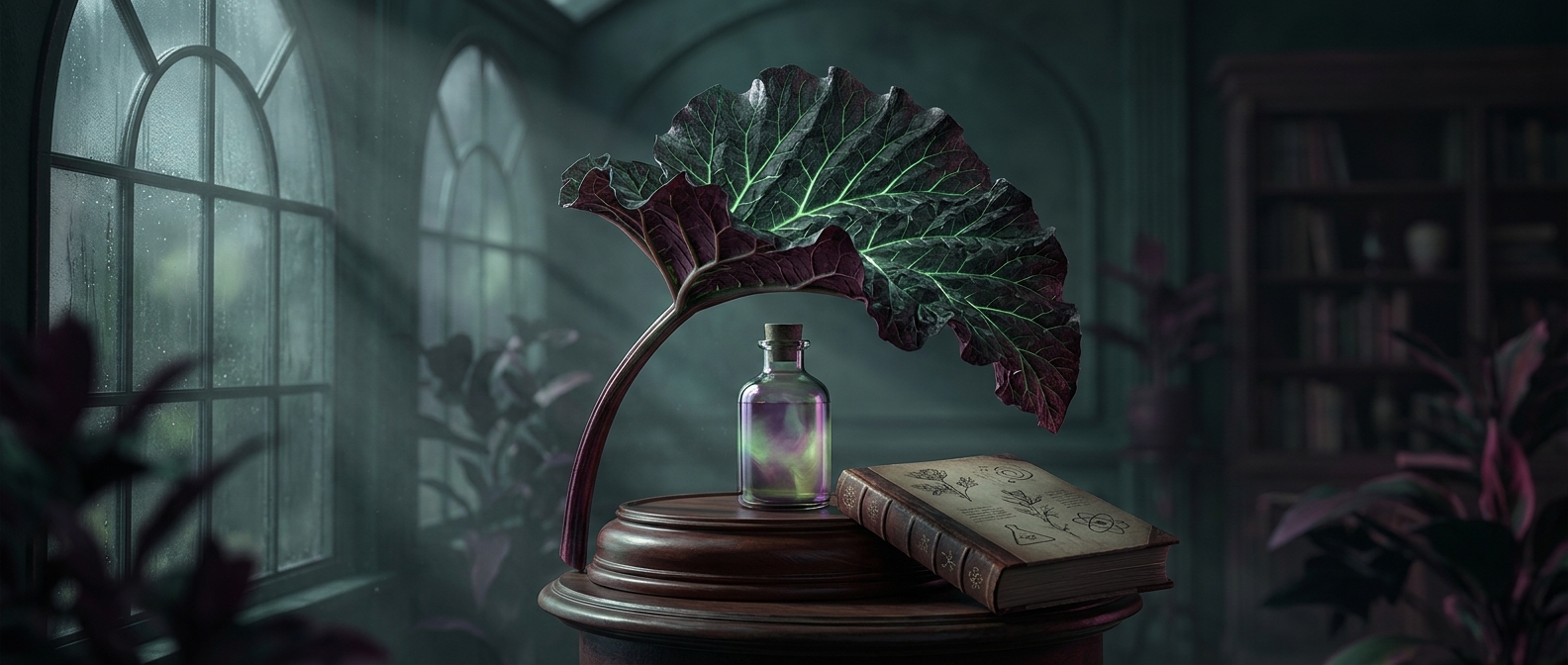
Rhubarb’s edible stalk and its broad leaves are parts of the same plant, but they do not have the same chemical profile. The leaves contain oxalic acid, a compound that can interfere with the body’s handling of calcium. In the gut, oxalate can bind to calcium; absorbed oxalate can also contribute to calcium oxalate crystals, the material found in some kidney stones.
From a leaf to a kidney risk
The danger depends on the amount eaten. A small taste and a substantial serving are not equivalent exposures, but eating enough leaf can cause serious poisoning. Oxalic acid may irritate the digestive system, while a large oxalate burden can strain the kidneys as they filter waste from the blood. The risk is not simply that the leaf is bitter or hard to digest: it is that a concentrated exposure can disrupt mineral balance and, in severe cases, damage organs.
Keep the plant parts separate
Rhubarb recipes use the stalk, which is prepared as food; the leaves are discarded. That distinction matters during harvesting, too: removing the leaves before cooking keeps them from being mistaken for an extra ingredient. The familiar red or green stalk is the culinary part—not a sign that the entire plant is safe to eat.