How a catalytic converter rewrites exhaust chemistry
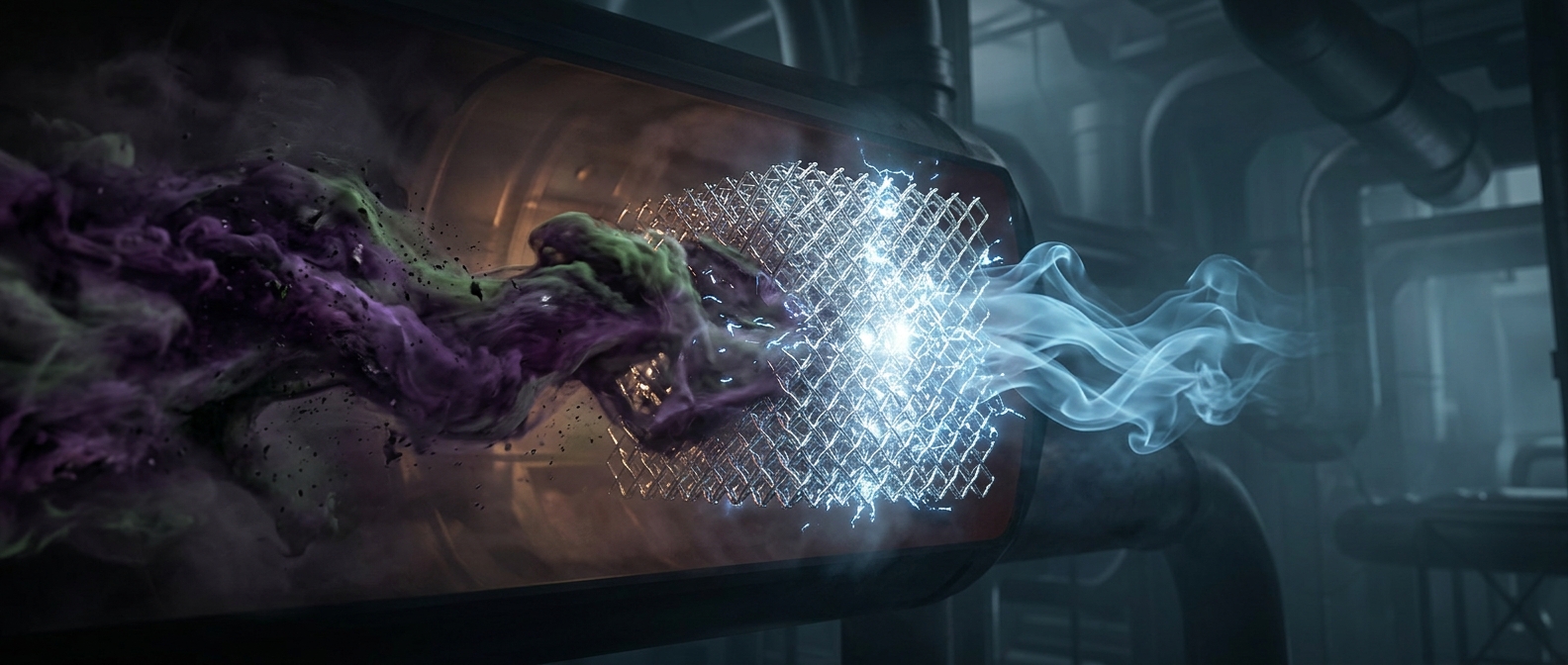
A catalytic converter gives exhaust gases a reactive surface before they leave the tailpipe. Its interior is coated with tiny amounts of platinum-group metals, including platinum; these metals help reactions happen faster without being used up in the process. The gases briefly attach to the metal surface, react, and then move on.
That surface helps carbon monoxide combine with oxygen to form carbon dioxide. It also helps burn leftover fuel into carbon dioxide and water. Those products are still emissions, but they are generally less acutely toxic than carbon monoxide and unburned hydrocarbons.
Different pollutants need different reactions
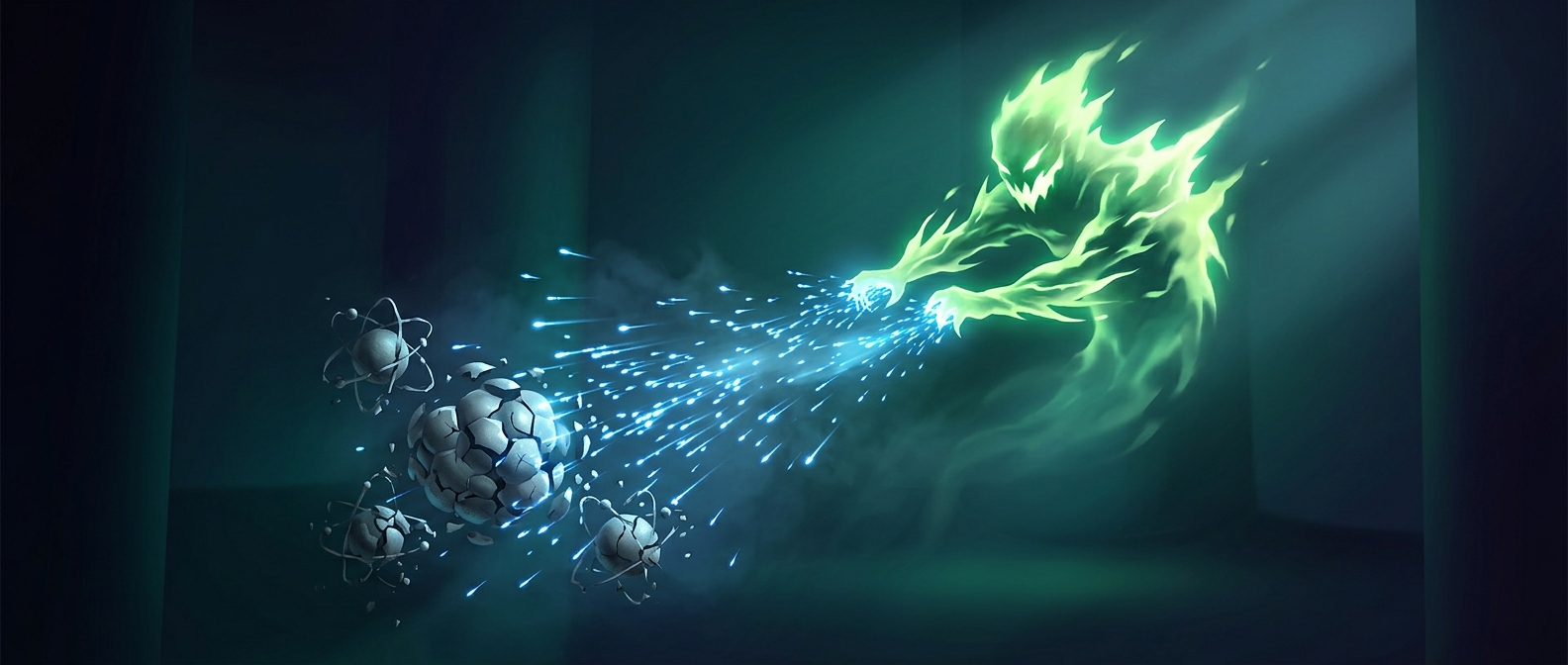
Nitrogen oxides, or NOx, form in hot engines and contribute to smog and other air-quality problems. A three-way catalytic converter uses a different reaction to split them, producing nitrogen gas and oxygen. Platinum can take part in the converter’s chemistry, while other metals—especially rhodium—are important for reducing NOx.
The converter must balance these reactions. Too much oxygen in the exhaust helps burn carbon monoxide and fuel but makes it harder to reduce NOx; too little oxygen has the opposite drawback. Modern engine controls adjust the fuel-and-air mixture so the converter can handle both jobs.
The metal is a catalyst, not a filter
Because the active metals speed reactions rather than store pollutants, the converter does not fill up like a sponge. But it needs to get hot enough to work well, and damage or contamination can reduce its effectiveness. The key change happens on a microscopic surface: hazardous exhaust compounds are rearranged into substances such as nitrogen, water, and carbon dioxide before they reach the air.