How small molecules become plastic
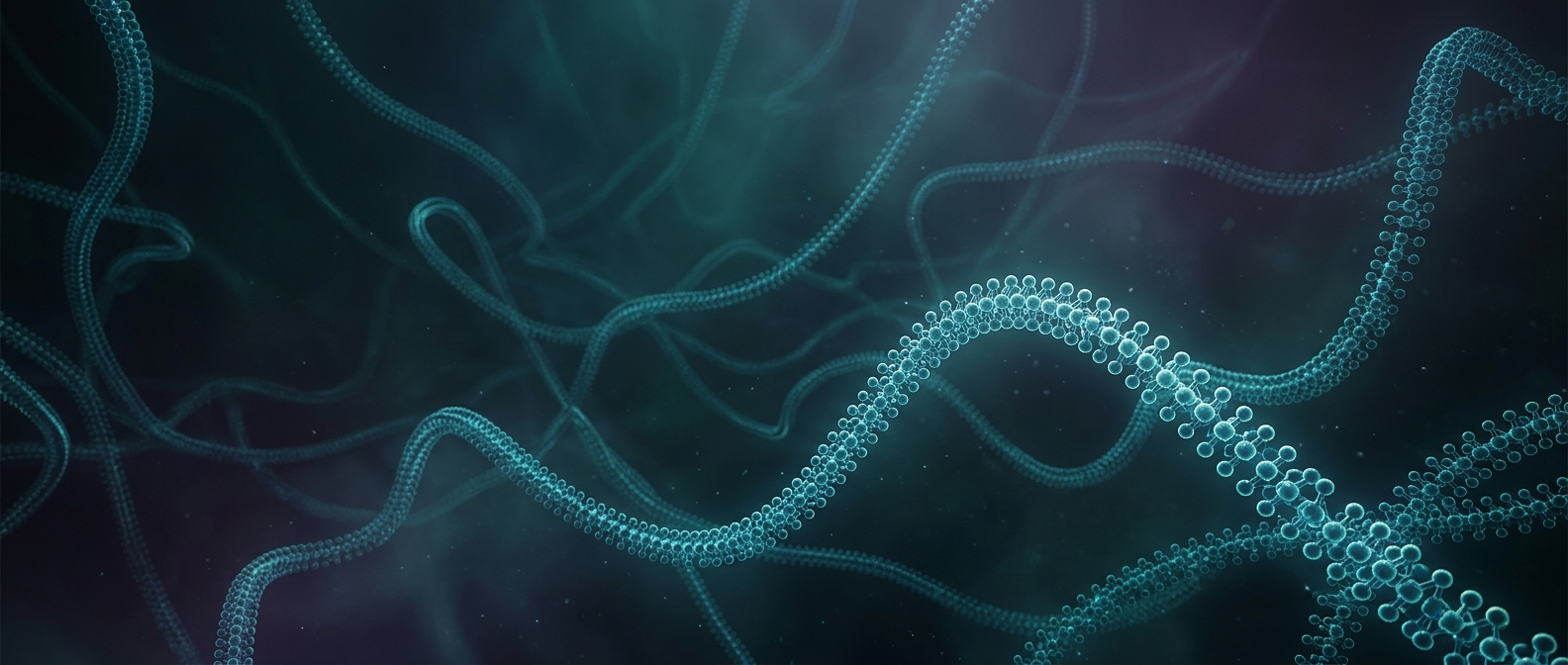
A polymer begins with monomers: small molecules that can link together. In polymerization, chemical bonds join many monomers into a single long molecule. The resulting chain may contain thousands of repeating units, and a piece of plastic contains enormous numbers of these chains packed together.
The chains are not all arranged alike. Some are mostly straight; others have side branches. In some plastics, chemical links connect neighboring chains into a network. These structural differences affect how closely chains can pack and how freely they can move.
Why structure changes how plastic behaves
In a bendable plastic, chains can shift somewhat when the material is pulled or folded. Their length and entanglement resist the motion, helping the material hold together instead of flowing apart. If chains pack closely into ordered regions, or are tied together by many cross-links, movement becomes more restricted and the plastic tends to be stiffer. Shorter or more branched chains may pack differently, changing the balance of flexibility and strength.
Temperature matters, too. Heating gives chains more freedom to move; cooling restricts it. That is why some plastics soften when warmed and can be reshaped, while others—with a strongly cross-linked network—do not simply melt into a flowable liquid.
A familiar bag and a rigid container can therefore be made from related kinds of molecular building blocks yet behave very differently. Their feel comes not just from what the chains are made of, but from how long they are, how they are shaped, and how they are arranged.