Science
Discover facts about science. Small discoveries that change the way you see familiar things.
Science
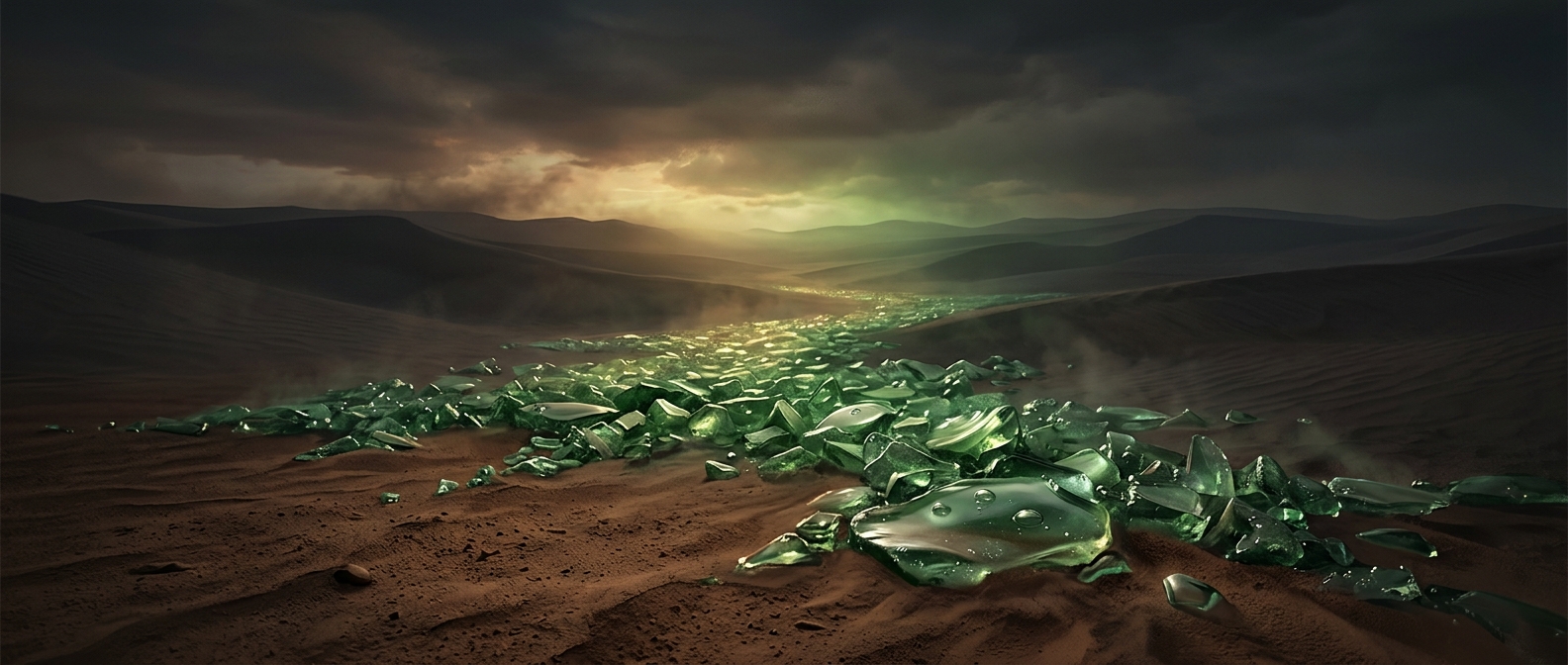
The first atomic bomb turned desert sand into green glass
When the US detonated the first atomic bomb in 1945, the blast didn't just vaporize a steel tower; it reorganized the local geology. The 100-million-degree…
Discover more
The radioactive mass known as Chernobyl's Elephant's Foot
Deep in the bowels of the ruined Chernobyl reactor sits the Elephant’s Foot, a massive, wrinkled mass of 'corium' that looks like fossilized lava. It formed…
Discover more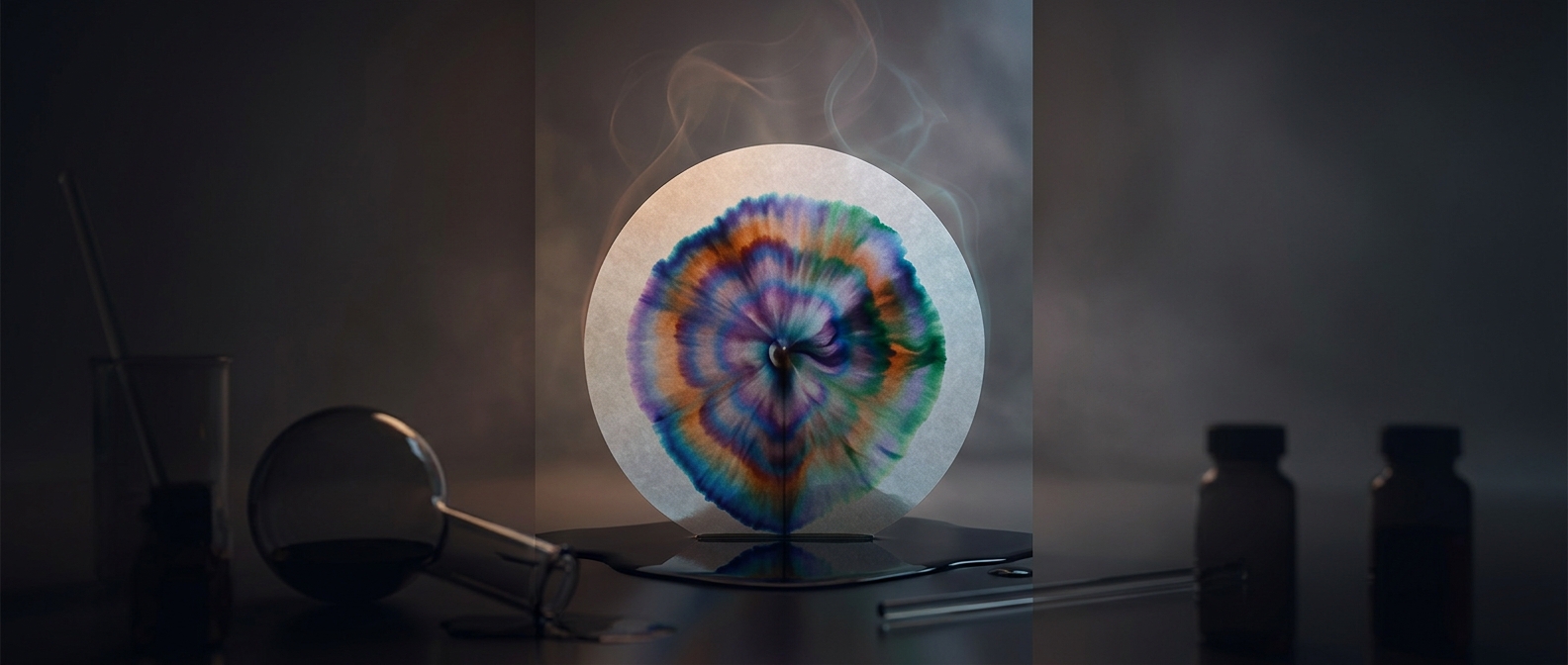
The messy desk experiment that led to chromatography
Friedlieb Ferdinand Runge was a 19th-century chemist whose greatest legacy came from dripping chemicals onto filter paper. He noticed that different…
Discover more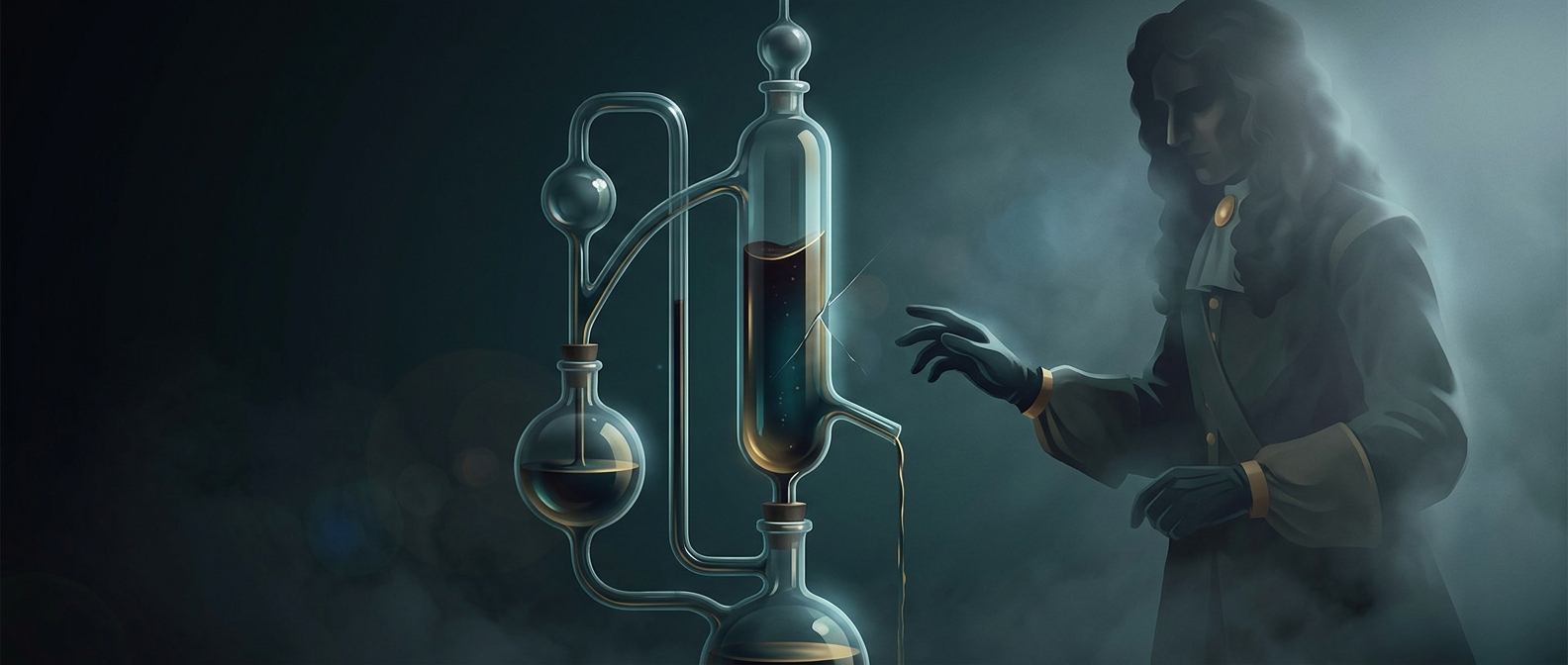
Boyle's magical flask was an illusion
Robert Boyle designed a magical-looking flask where a tube loops back into the container, seemingly creating a perpetual fountain of liquid powering itself.…
Discover more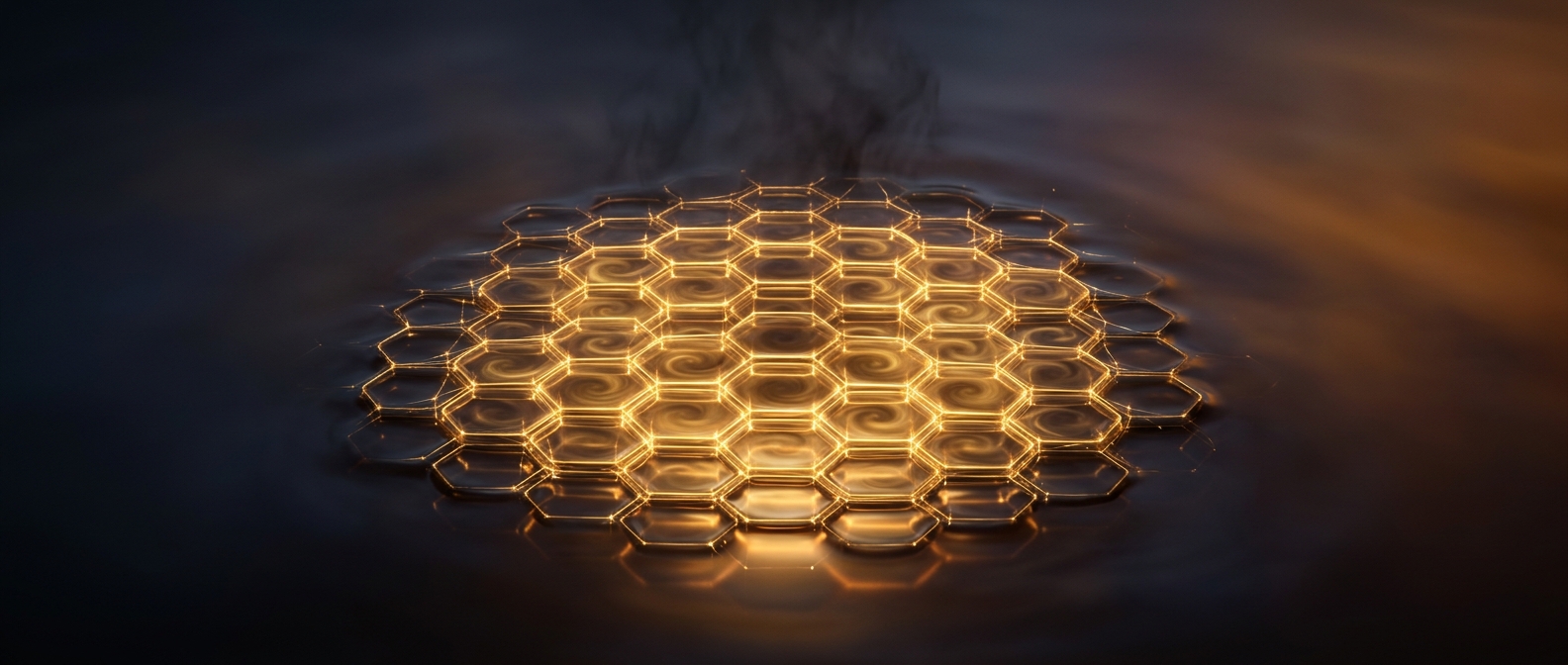
Boiling liquid can organize itself into hexagons
We like to think of boiling liquids as chaotic, bubbly messes, but physics has a weird obsessive-compulsive streak. When a shallow layer of fluid is heated…
Discover more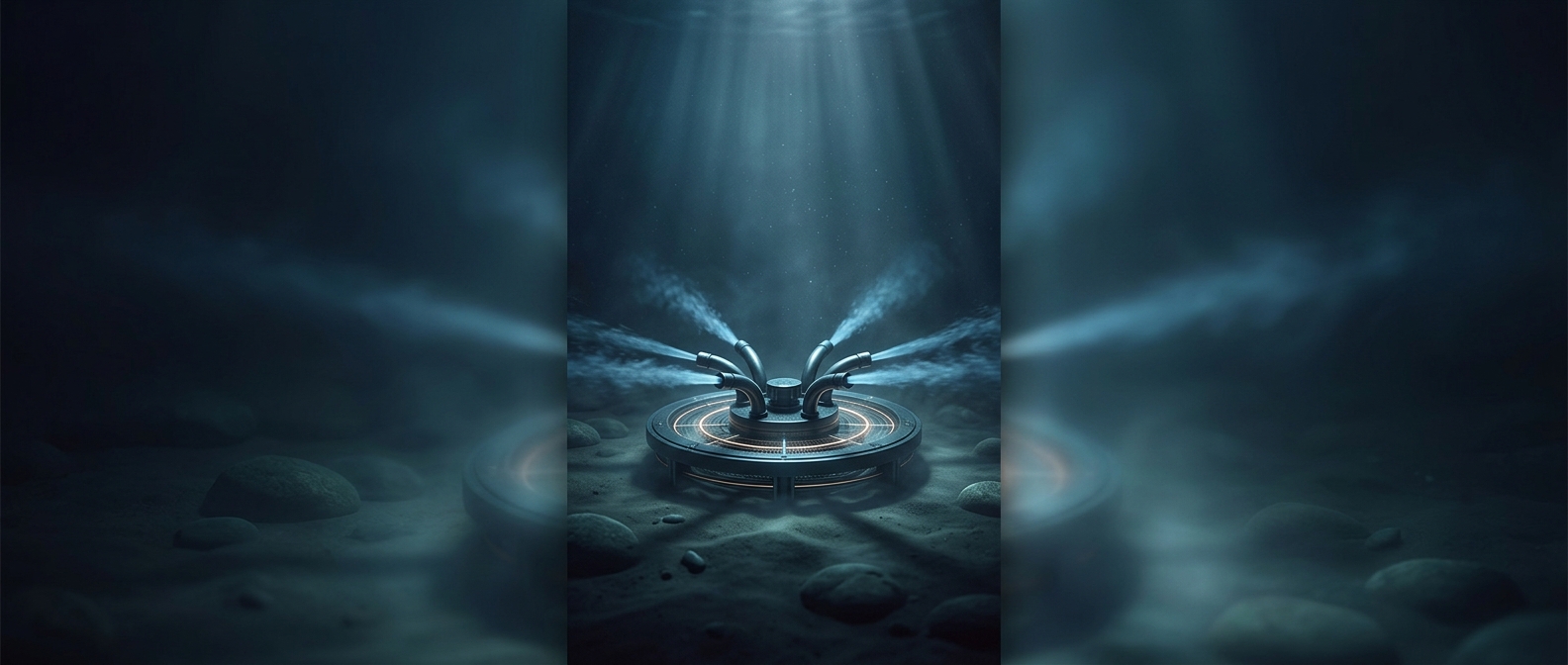
Why a sprinkler barely spins when it sucks
Richard Feynman famously nearly blew up a Princeton lab trying to figure out if an S-shaped lawn sprinkler spins in reverse when sucking water in, rather than…
Discover more STACKY FOR IPHONE
A bigger world.
One discovery
at a time.
Keep discovering with Stacky. Interesting facts in an app that is always within reach.
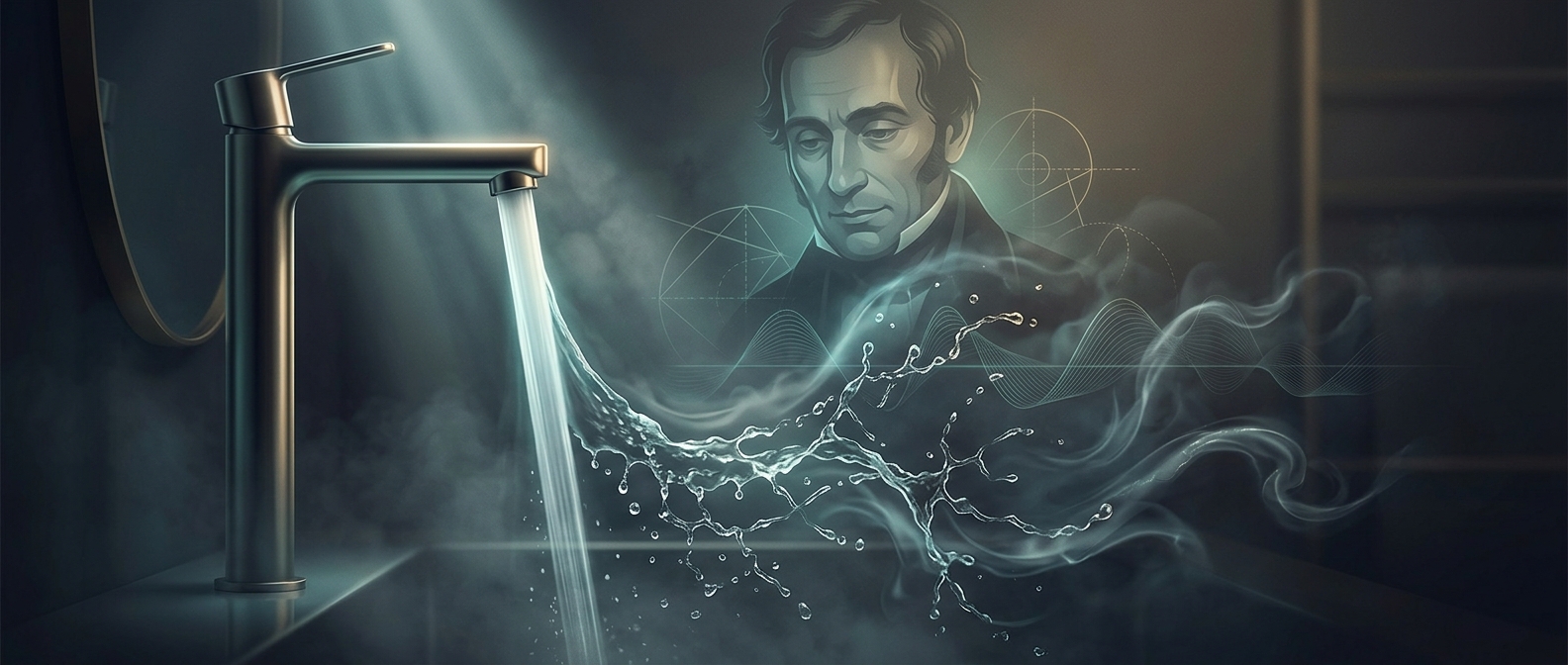
Why a faucet stream breaks into droplets
Turn your faucet down to a trickle, and the solid stream of water eventually breaks into individual droplets. Félix Savart spent an absurd amount of time in…
Discover more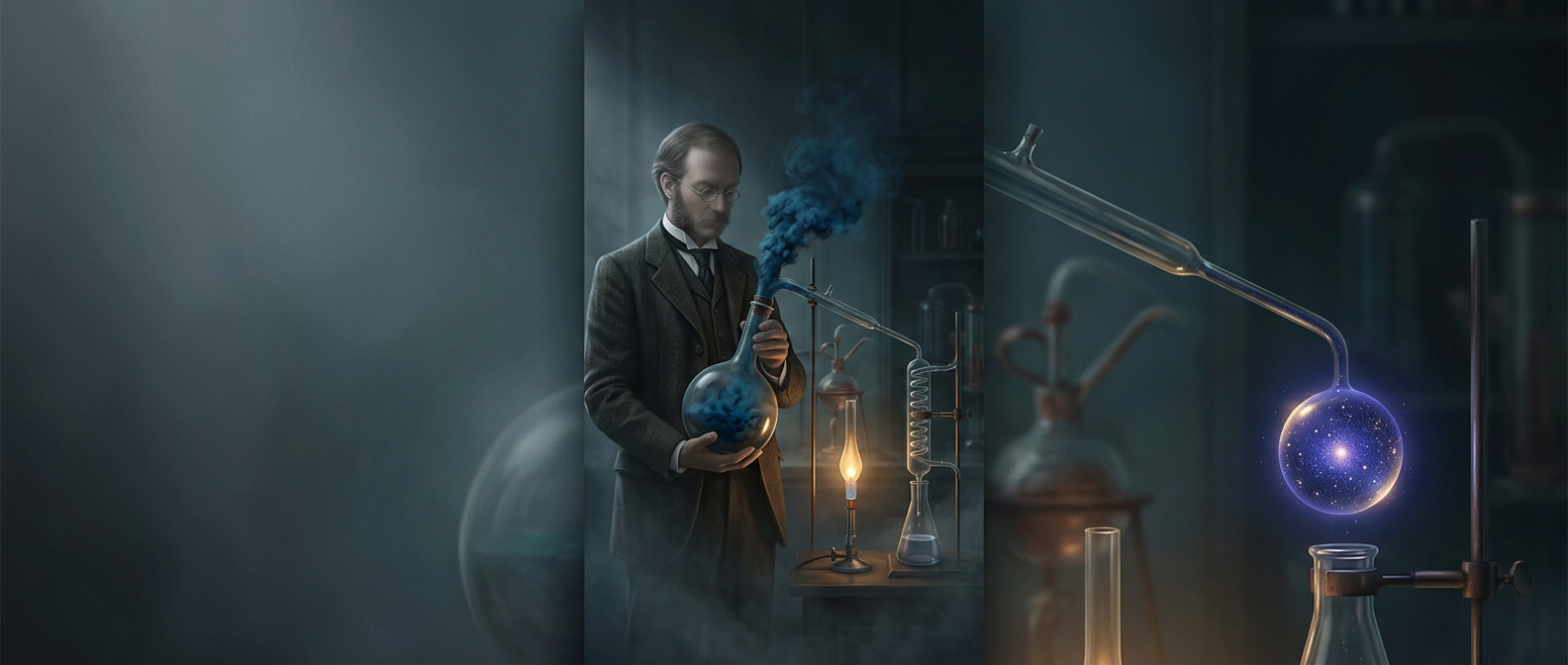
Lord Rayleigh found argon using dirty nitrogen
Lord Rayleigh spent years obsessing over why nitrogen extracted from the air was always marginally heavier than nitrogen derived from chemical compounds. Most…
Discover more
The scientist who sent microwaves through walls
Decades before WiFi or modern radar, Jagadish Chandra Bose was casually experimenting with millimeter-wave radio frequencies in the 1890s. While Marconi was…
Discover more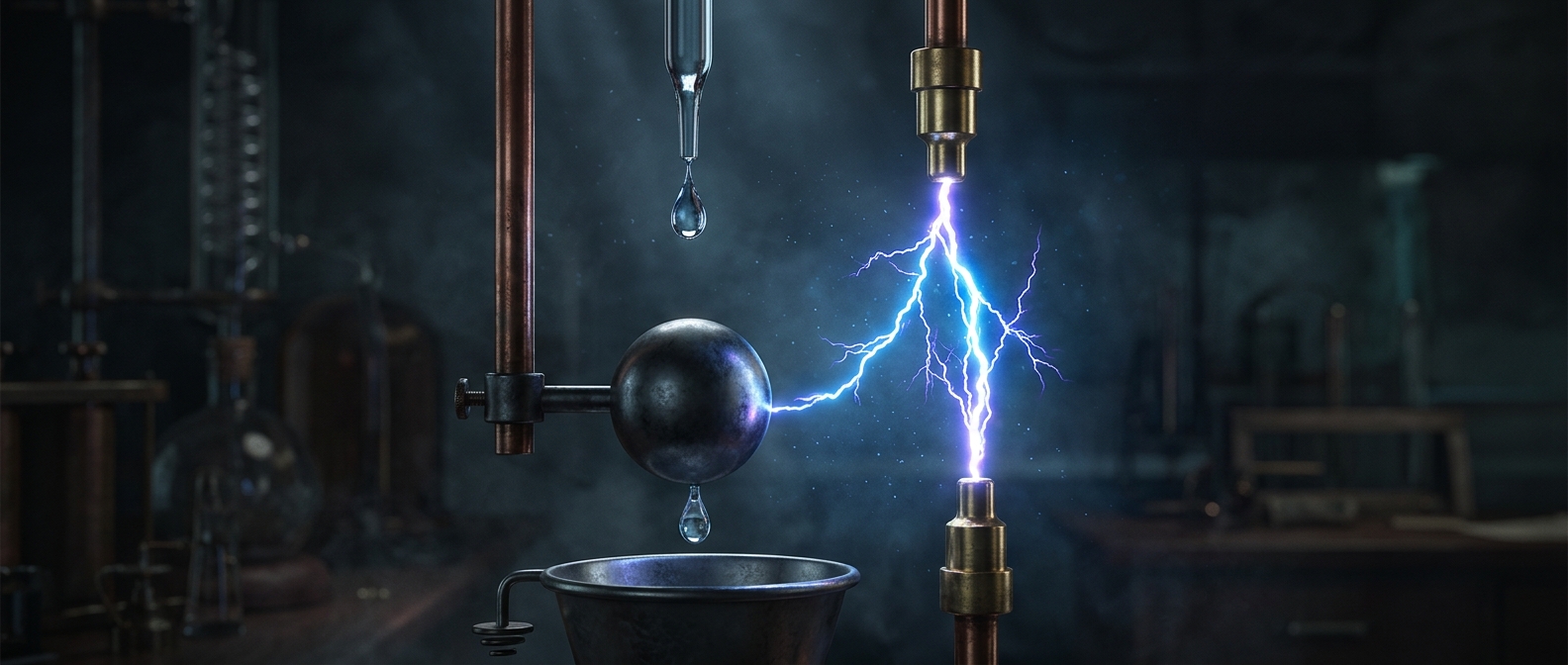
Falling water can make lightning
Lord Kelvin figured out a way to conjure high-voltage lightning using nothing but falling water and a few tin cans. The Kelvin water dropper exploits the…
Discover more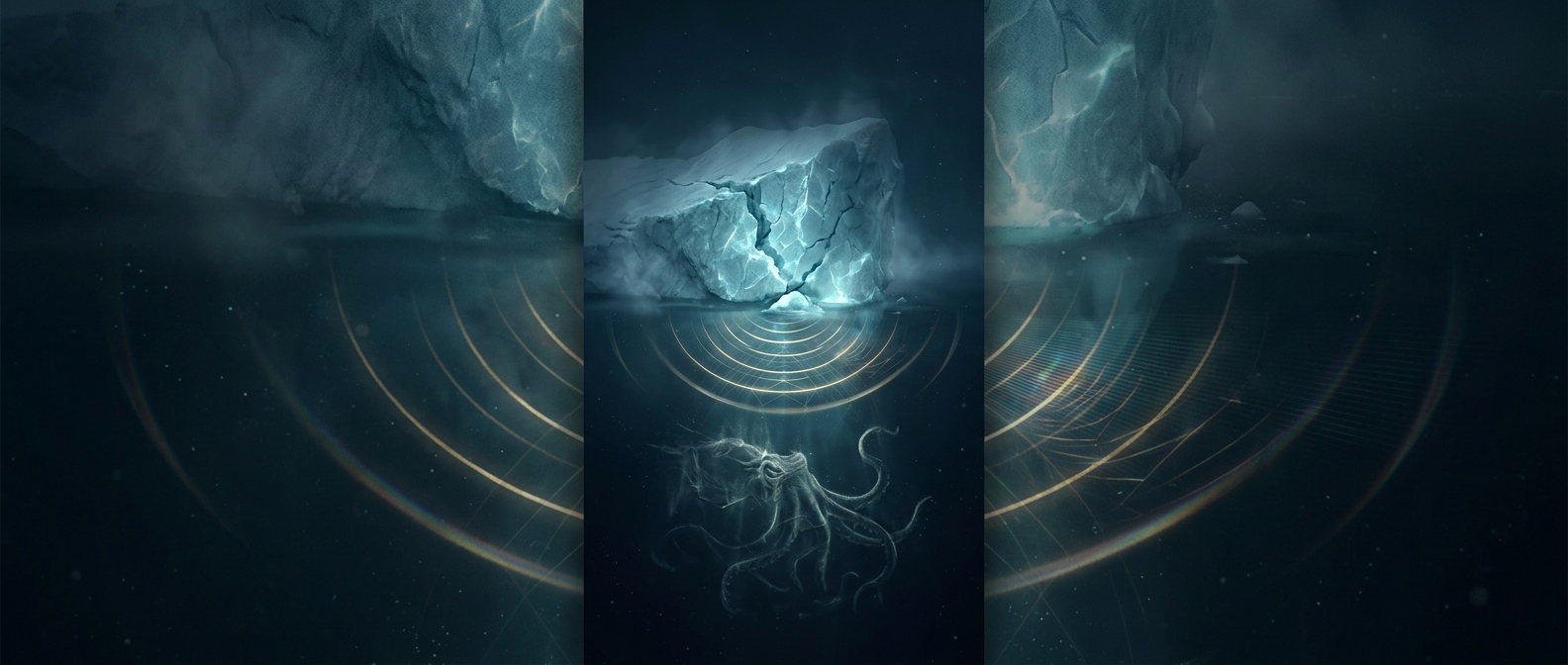
The 'Bloop' wasn't a sea monster
When NOAA picked up a colossal, ultra-low-frequency sound echoing thousands of miles across the Pacific in 1997, conspiracy theorists immediately prepared for…
Discover more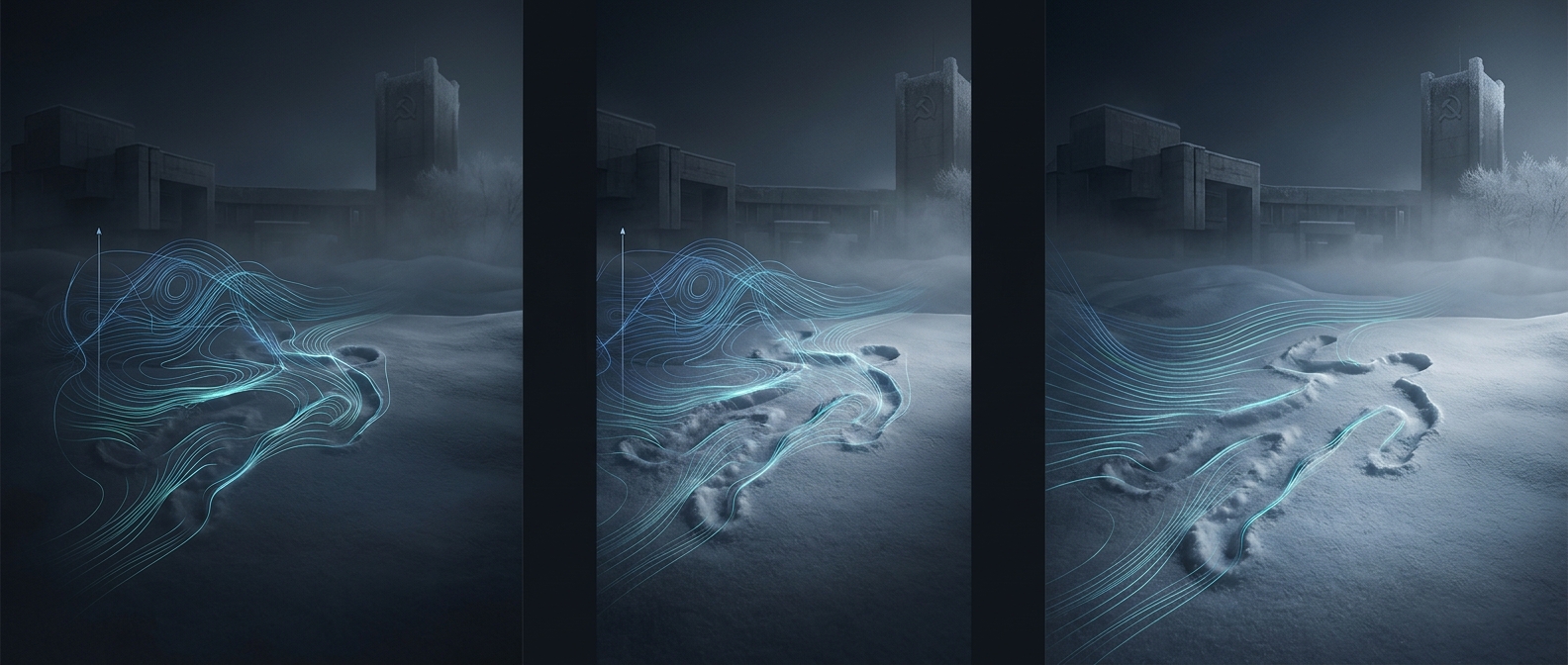
How Frozen helped explain the Dyatlov Pass deaths
Decades of wild alien conspiracy theories about the Dyatlov Pass hikers getting horribly crushed in their tents got completely dismantled by animation code.…
Discover more
The crystal symmetry that was called impossible
Chemistry textbooks used to treat crystal structures like a rigid religious dogma, insisting they could only repeat in very specific ways. When Dan Shechtman…
Discover more
Fruit flies reject mates over the wrong wingbeat
Imagine getting swiped left because your acoustic rizz is off. Male fruit flies literally sing to potential mates by vibrating their wings, but William…
Discover more
Flowing water can drag light along
We like to think of light as an untouchable cosmic speedster, but in 1851, Hippolyte Fizeau proved you can actually drag it. By shooting a beam of light…
Discover more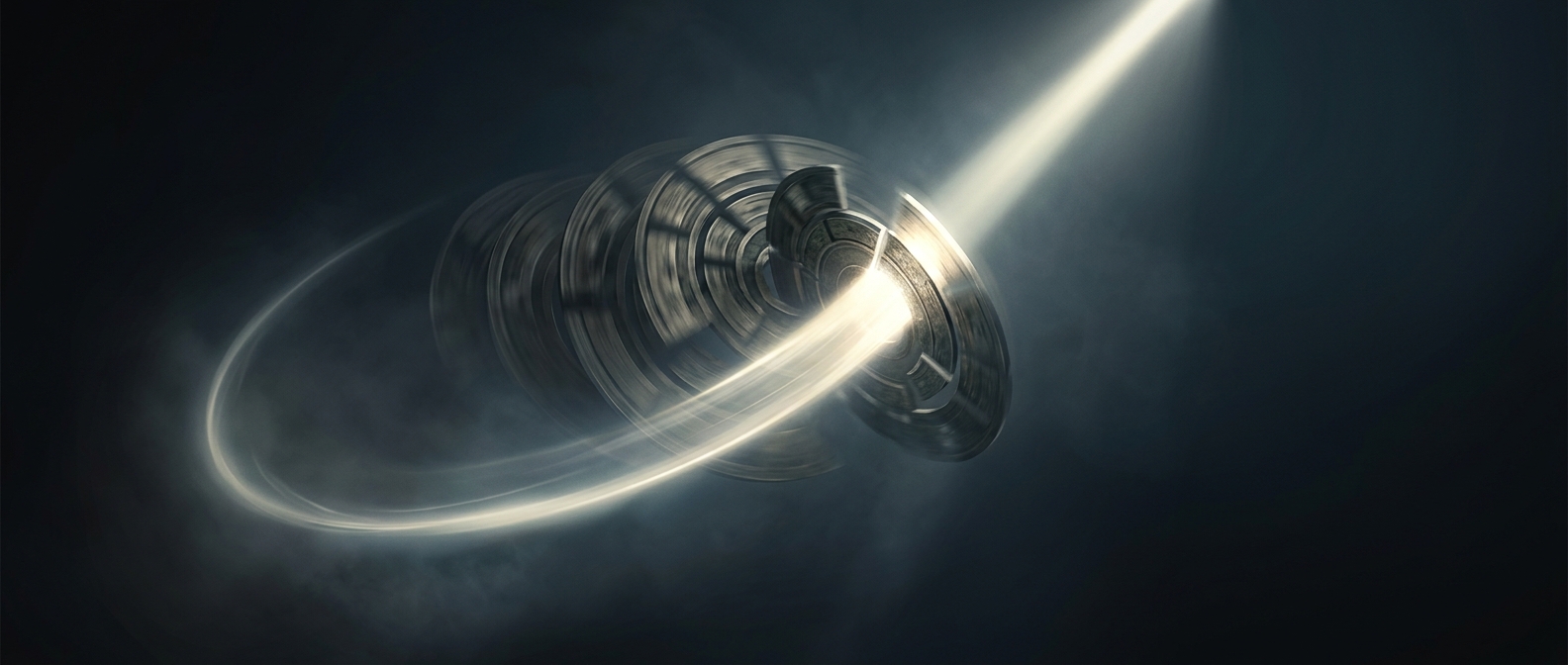
The machine that caught light after dark
In the mid-1800s, Alexandre-Edmond Becquerel wanted to know if materials glowed in the dark after the lights went out, even for a fraction of a second. So, he…
Discover more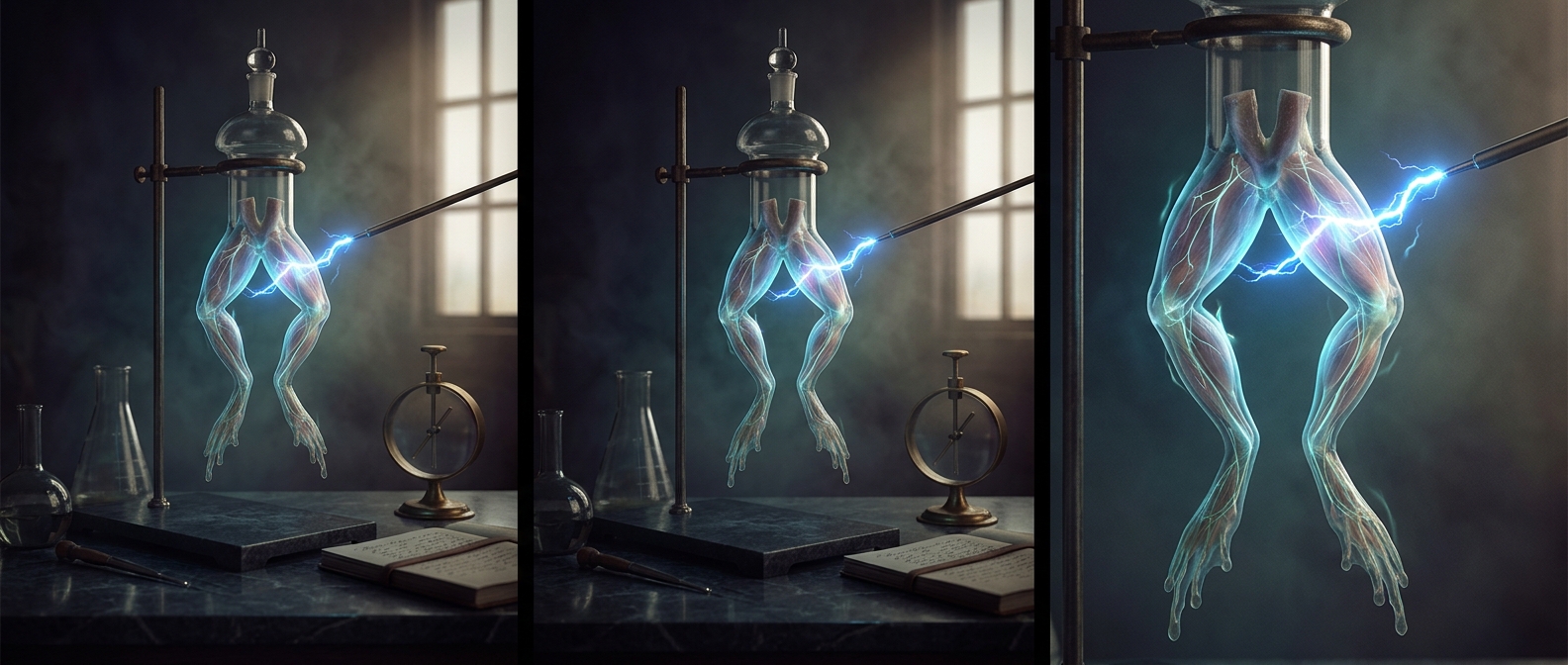
A dead frog helped inspire Frankenstein
Frankenstein was literally inspired by an Italian physician making amputated amphibian legs kick wildly with metal probes. Luigi Galvani discovered 'animal…
Discover more
The spacecraft that slowed itself with heat
For decades, astrophysicists were sweating because the Pioneer probes were mysteriously slowing down at the edge of the solar system, making them think…
Discover more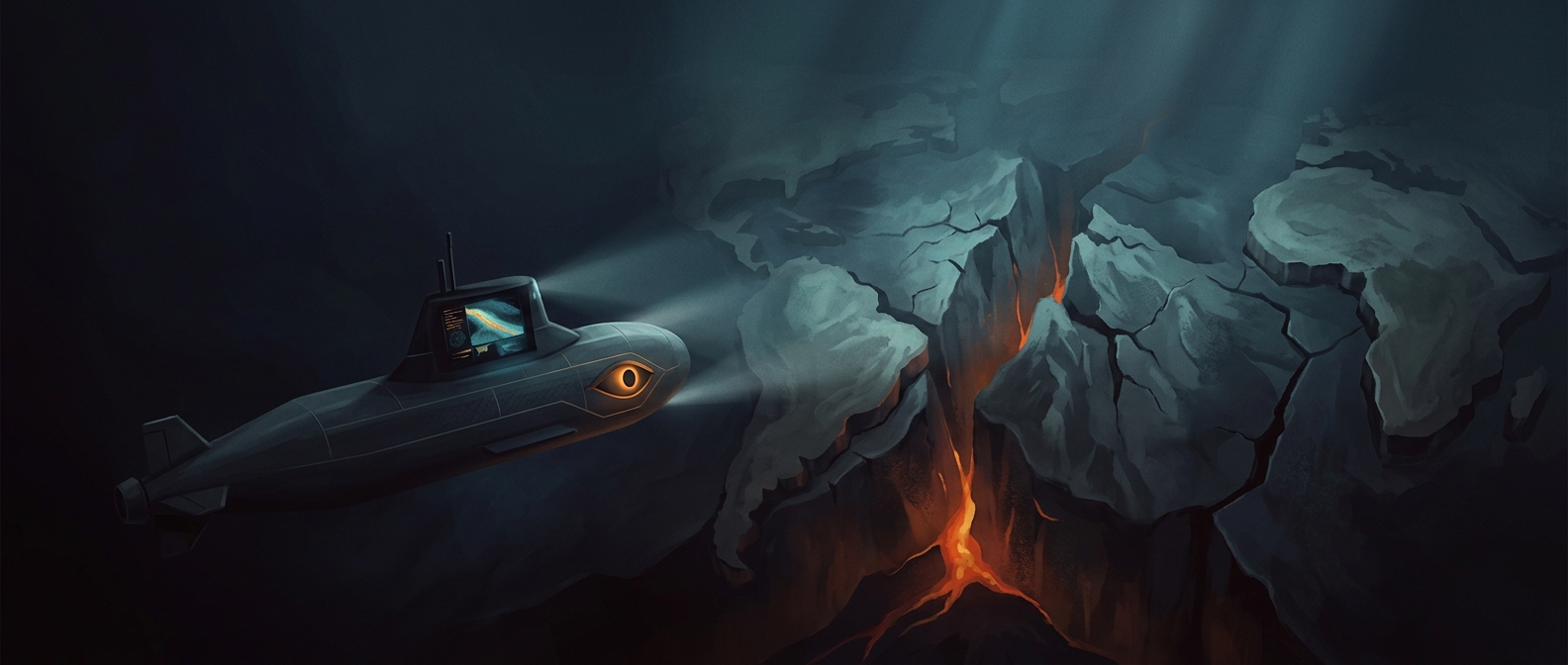
How submarine sonar helped reveal seafloor spreading
Harry Hess wasn't just hunting U-boats during WWII; he left his ship's sonar running and accidentally mapped flat-topped underwater mountains called guyots.…
Discover more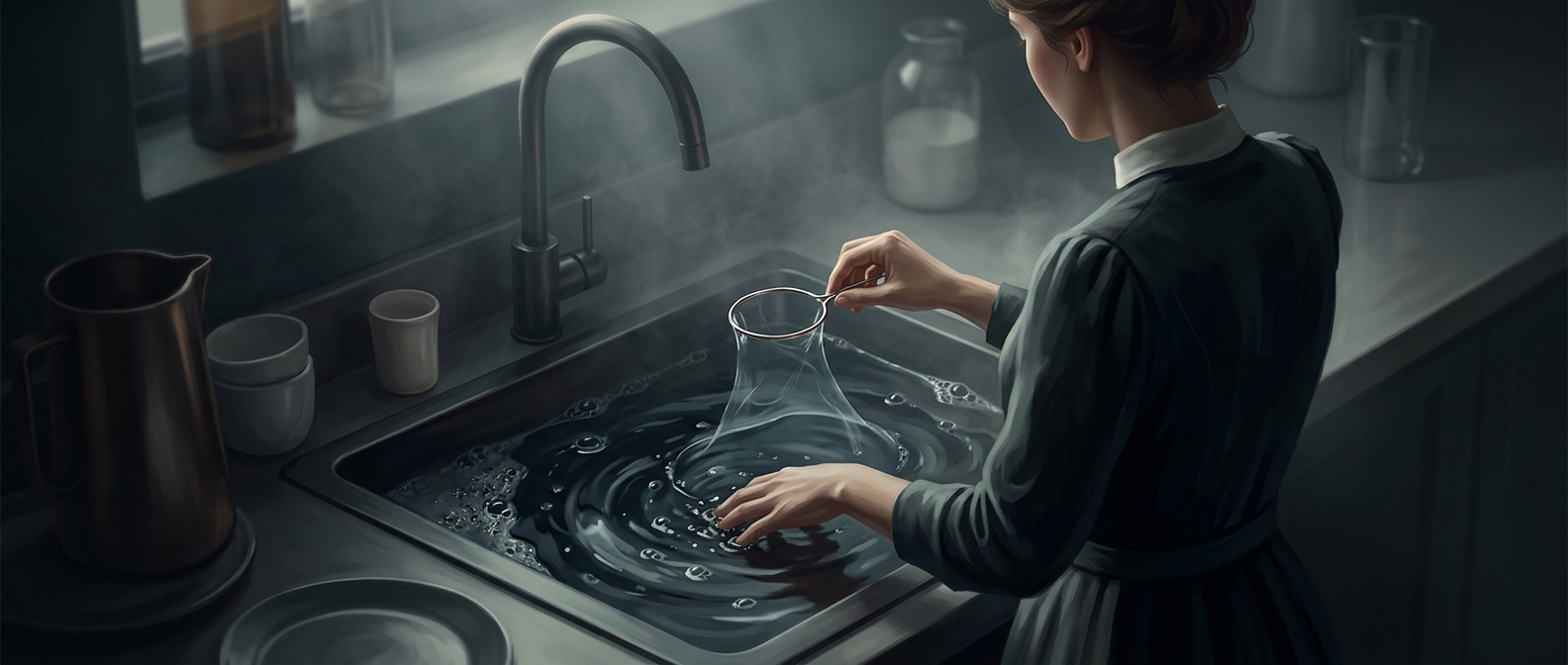
How doing dishes led to surface science
Denied a university education simply because of her gender, Agnes Pockels casually pioneered modern surface tension physics using her dirty dishwater. She…
Discover more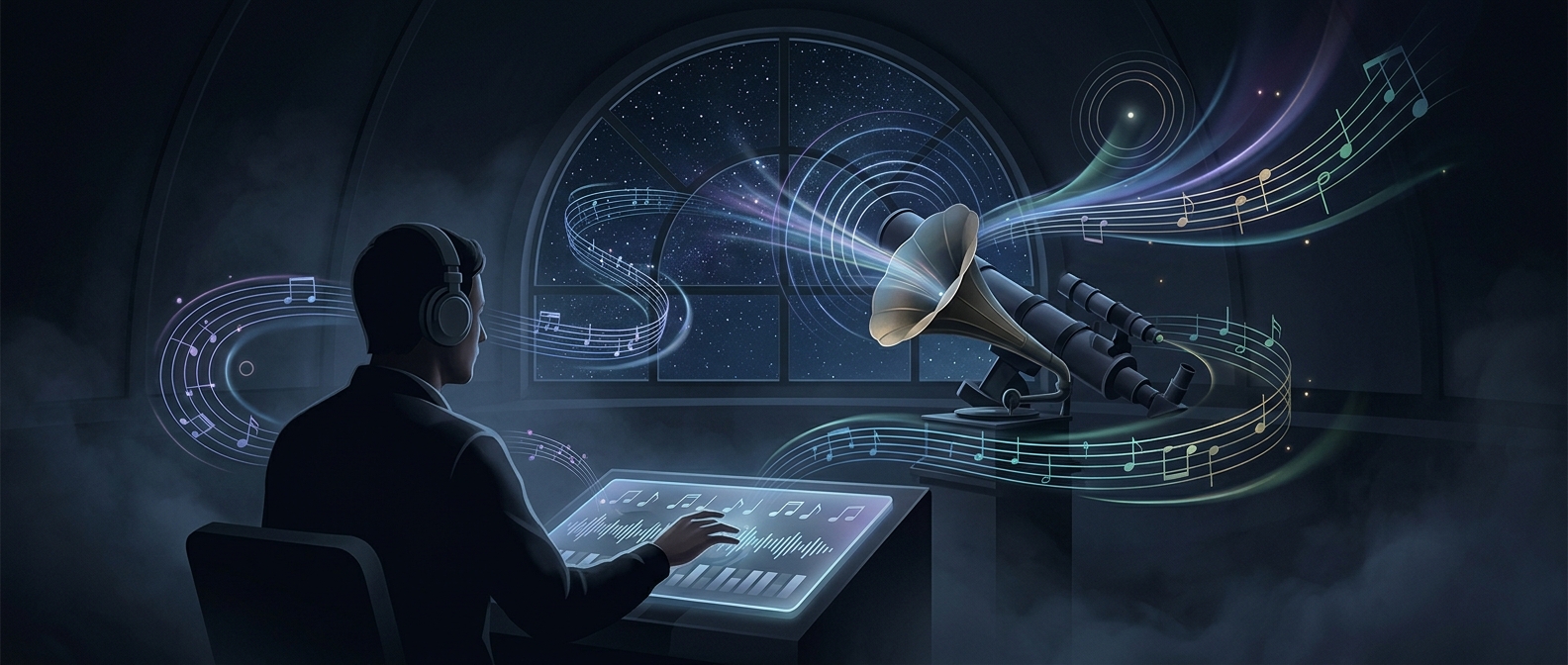
How a blind astronomer listened to the stars
When astronomer Wanda Diaz-Merced lost her sight, she didn't let a minor inconvenience like blindness stop her from analyzing the cosmos. She pioneered…
Discover more
The computer experiment that made chaos repeat itself
In the 1950s, physics legends Fermi, Pasta, and Ulam (along with the severely undercredited programmer Mary Tsingou) used an early supercomputer to watch…
Discover more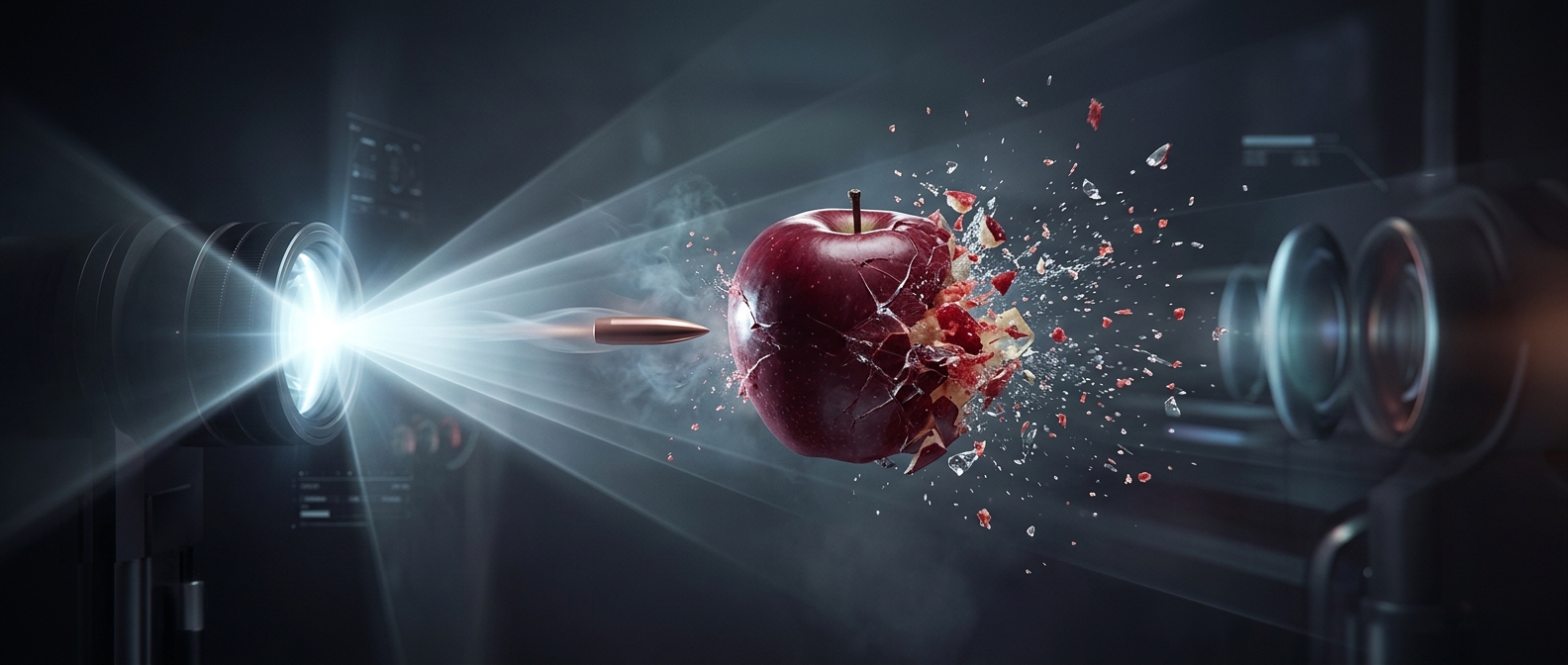
How flashing lights made bullets look frozen
Before Harold 'Papa Flash' Edgerton came along, humanity had no idea what fast things actually looked like. By hooking up a ridiculously powerful strobe light…
Discover more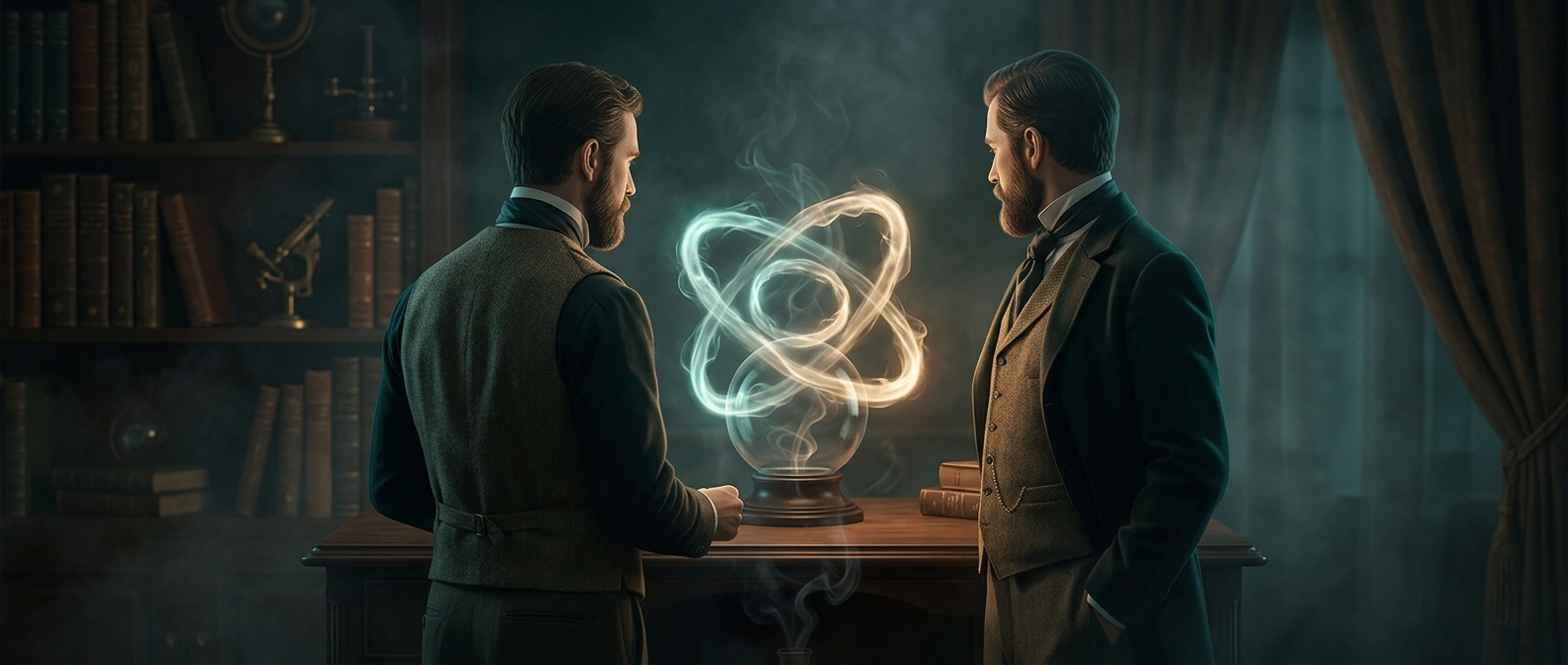
When physicists thought atoms were smoke rings
Long before quantum mechanics ruined everyone's afternoon, Hermann von Helmholtz and Lord Kelvin decided atoms were just incredibly tiny vortex rings swirling…
Discover more