Science
Discover facts about science. Small discoveries that change the way you see familiar things.
Science
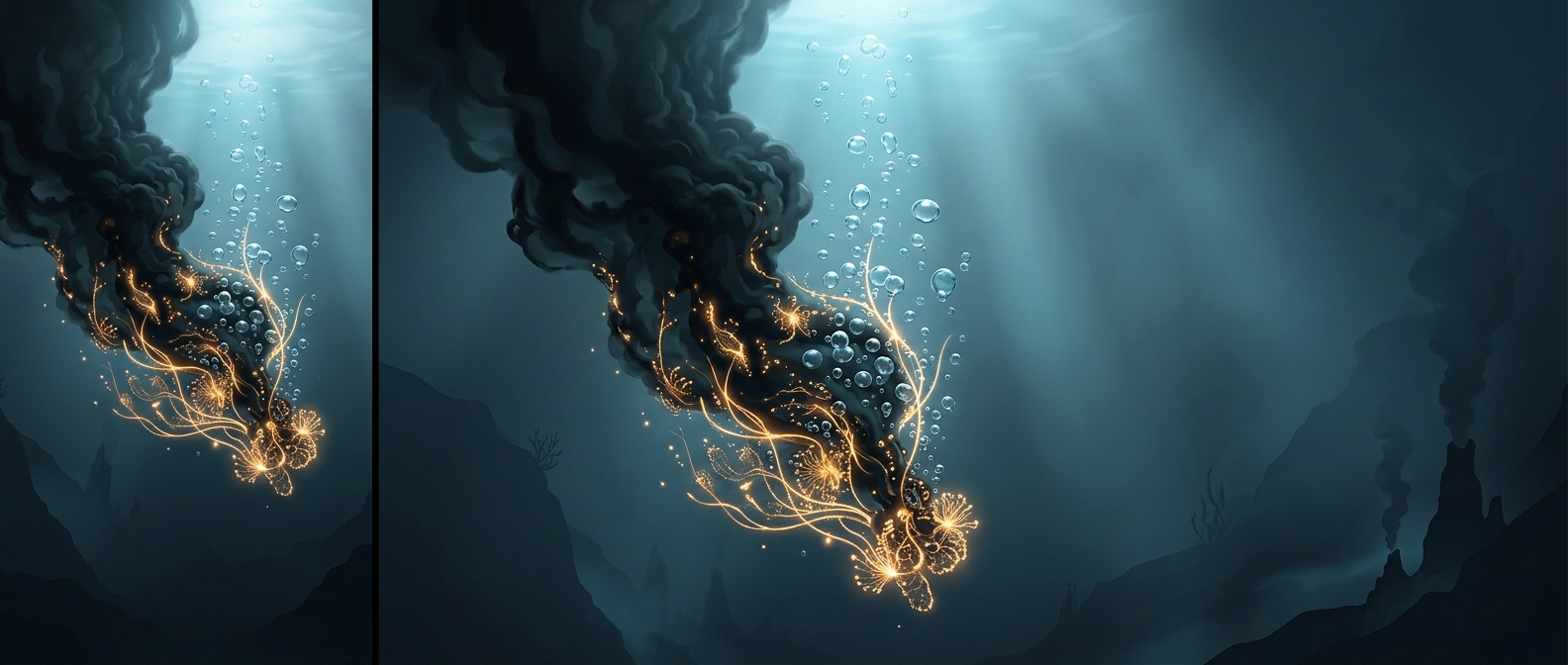
How microbes eat oil from ocean spills
When completely catastrophic industrial shipping accidents violently spill millions of gallons of thick toxic oil deeply into ocean currents, nature relies on…
Discover more
How a little polymer can make water flow more easily
When incredibly tiny amounts of long-chain synthetic polymers are successfully dissolved directly into actively flowing water, a deeply counterintuitive…
Discover more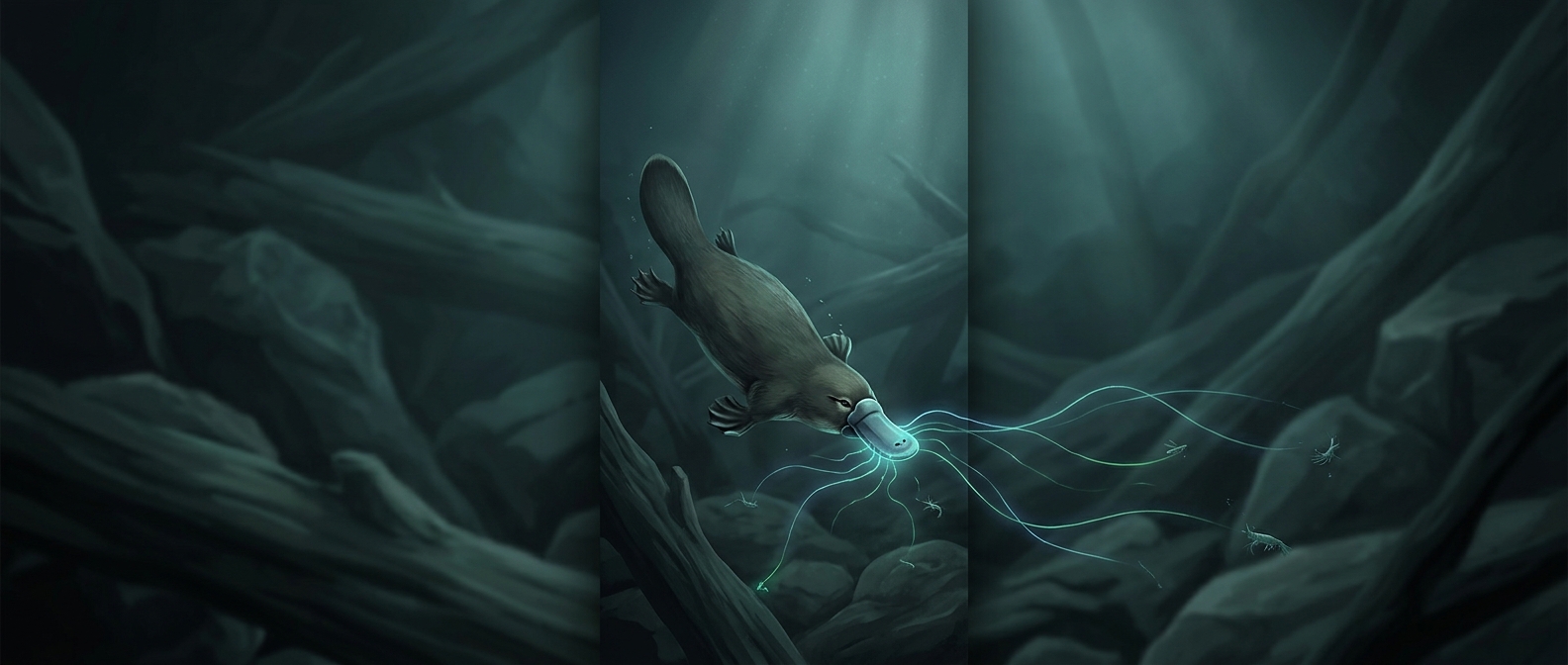
The platypus hunts with its eyes shut
To successfully navigate utterly pitch-black, violently muddy Australian rivers, the famously bizarre platypus entirely closes its eyes, heavily relying on…
Discover more
Why bismuth grows rainbow staircases
Because the pure atomic structure of the heavy metal bismuth actively grows significantly faster on its outer edges than on its internal core, it bizarrely…
Discover more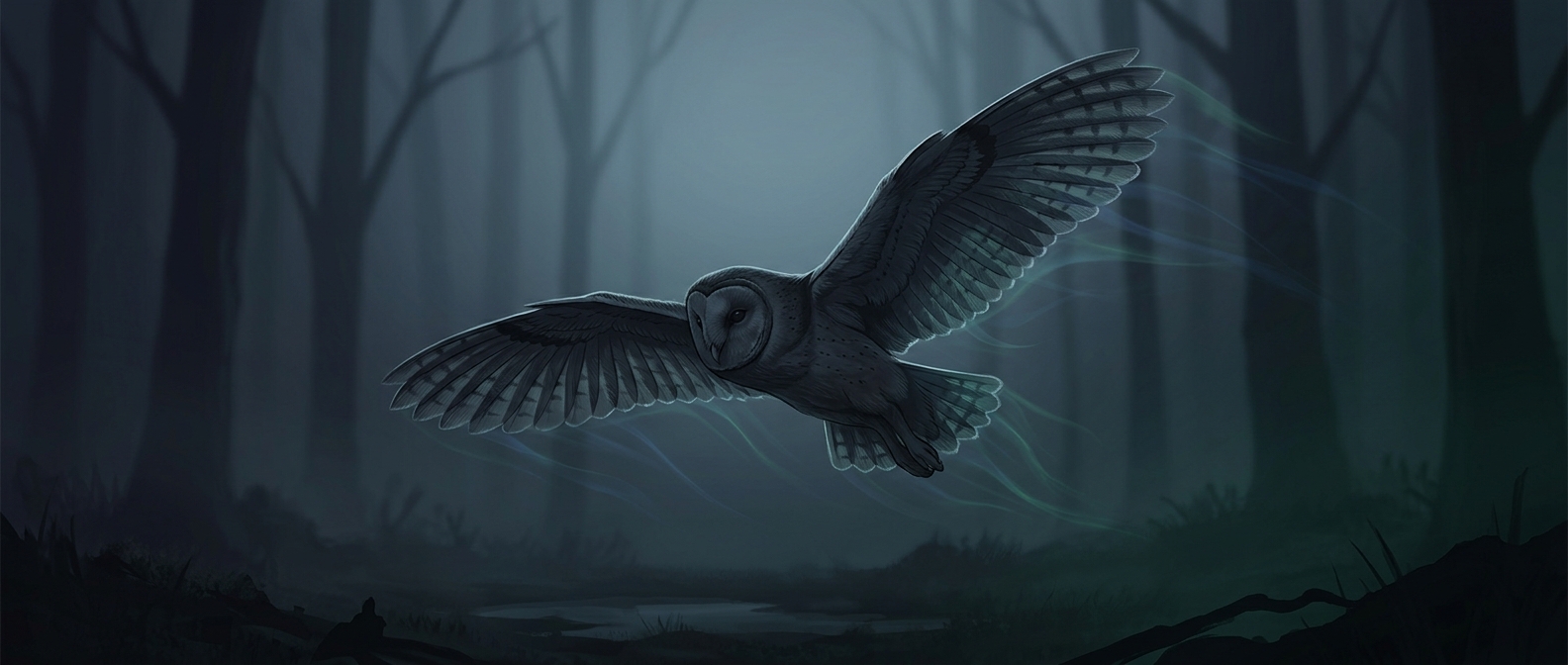
Why owls fly without making a sound
Unlike highly noisy pigeons or aggressive falcons, nocturnal owls have successfully evolved incredibly specialized, velvety fringes perfectly lining the sharp…
Discover more
The space cloud containing a raspberry flavor compound
While deeply intensely mapping the immensely completely utterly violently incredibly impossibly totally massive center of our sprawling galaxy, radio…
Discover more STACKY FOR IPHONE
A bigger world.
One discovery
at a time.
Keep discovering with Stacky. Interesting facts in an app that is always within reach.
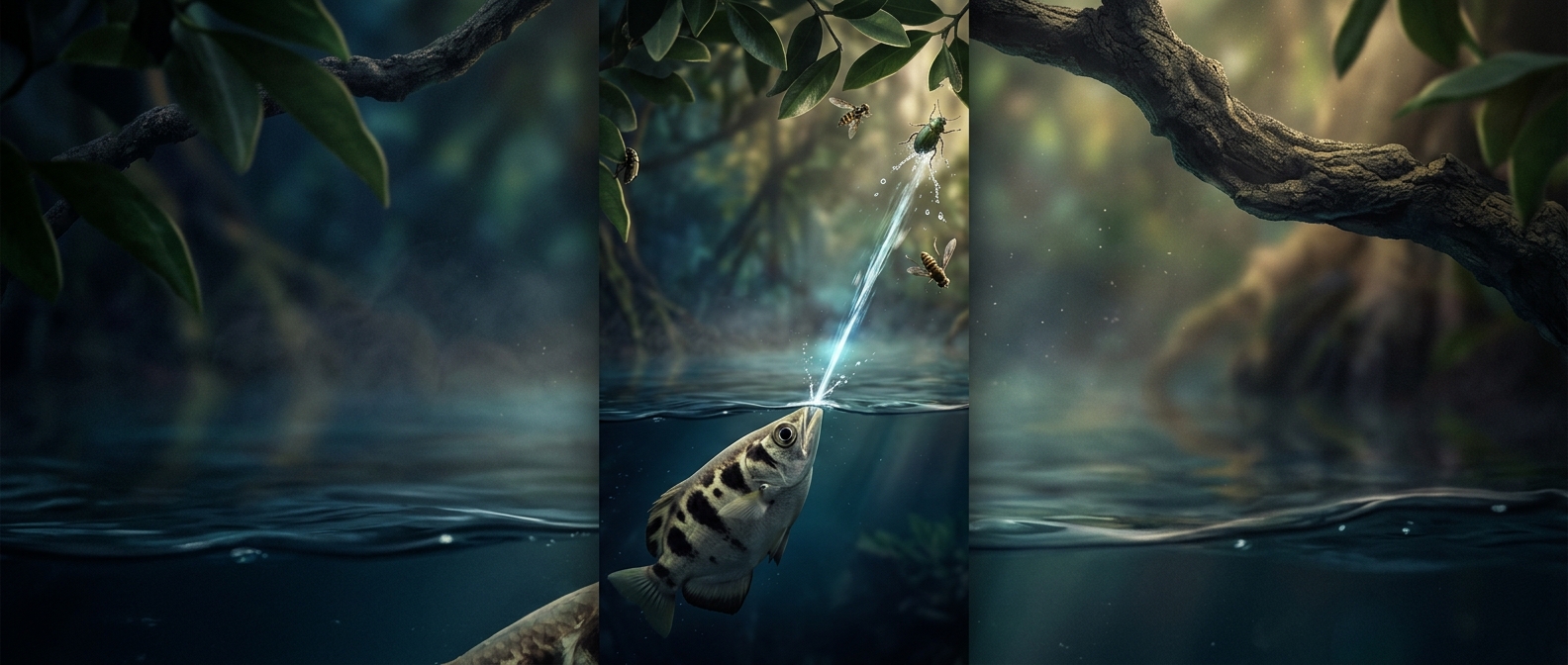
The fish that shoots insects out of trees
This incredibly highly evolved aquatic predator actively utilizes advanced physics to violently strike unsuspecting prey lingering entirely outside of the…
Discover more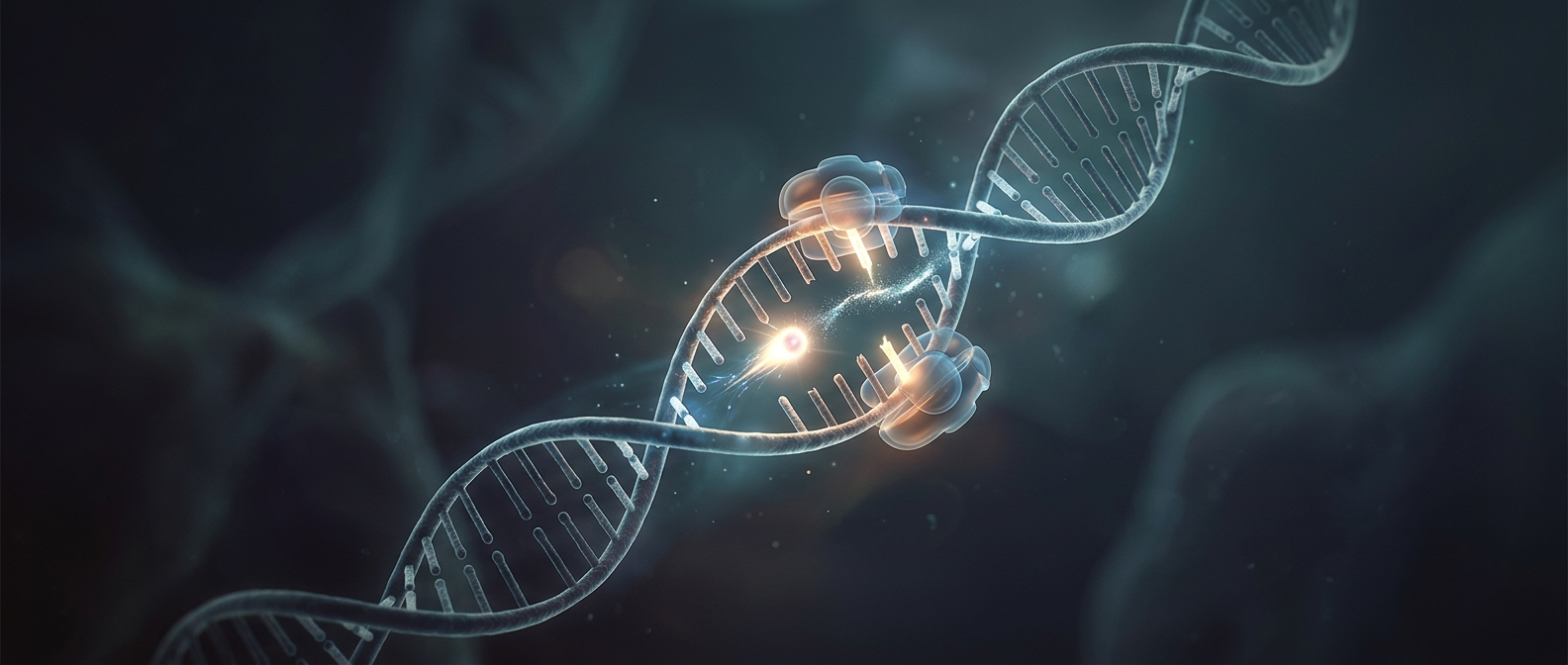
DNA mutations can begin with quantum tunneling
The mutation of human DNA isn't just biological; it is fundamentally quantum mechanical. Sometimes a proton in a DNA molecule essentially teleports through an…
Discover more
Why a curveball suddenly drops and bends
A well-thrown baseball seemingly defying gravity and dropping off a cliff isn't an optical illusion; it is fluid mechanics. The Magnus effect forces a rapidly…
Discover more
A pineapple is actually dozens of berries
A pineapple is not a single, massive fruit born from a single flower. It is actually a cluster of dozens of independent berries that have completely fused…
Discover more
Chalk is made from ancient sea life
The incredibly soft white sticks heavily utilized by eager schoolteachers to boldly write mathematical equations are fundamentally physically composed of…
Discover more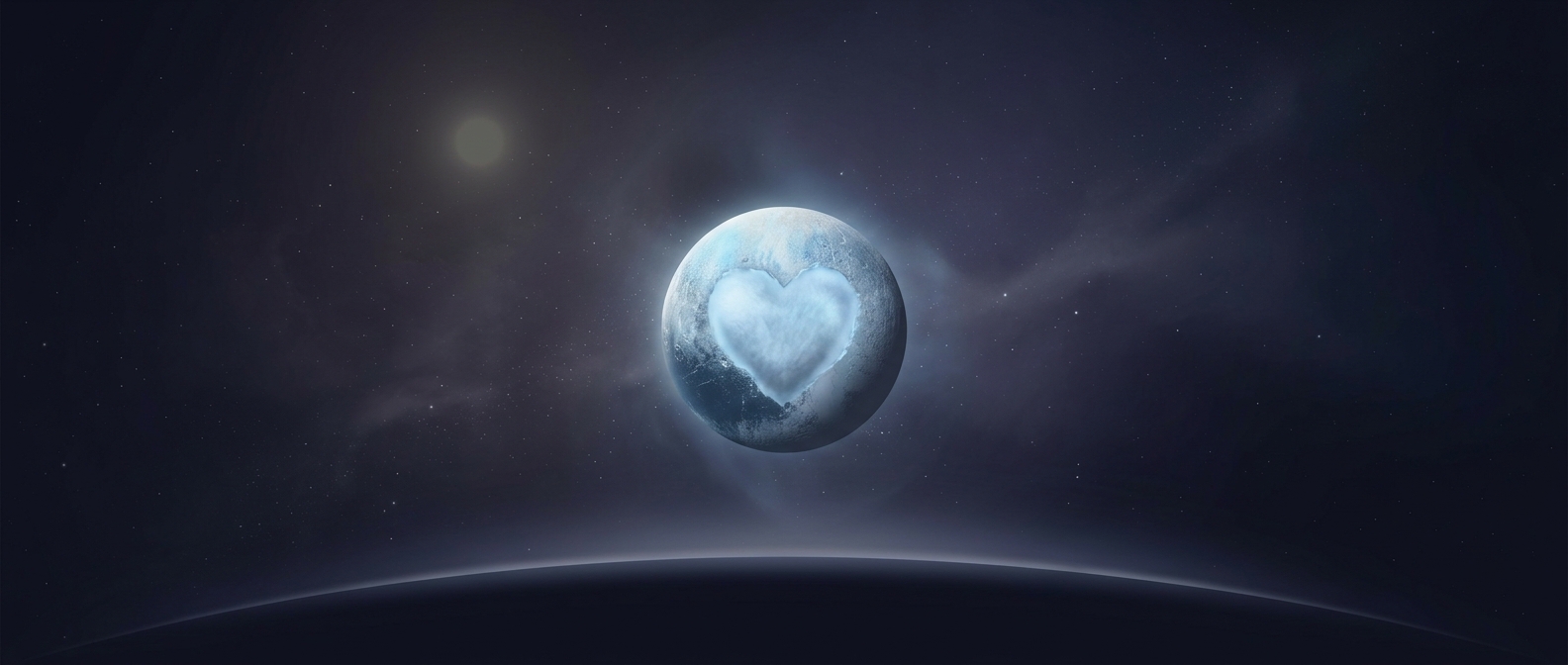
Pluto's heart is a glacier, not just a shape
When the New Horizons space probe finally flew by the distant, wildly controversial dwarf planet Pluto, it beamed back an incredibly heartwarming image. The…
Discover more
How light was slowed to bicycle speed
While the universally accepted maximum speed limit of the cosmos clocks in at nearly three hundred million meters per second, quantum physicists can…
Discover more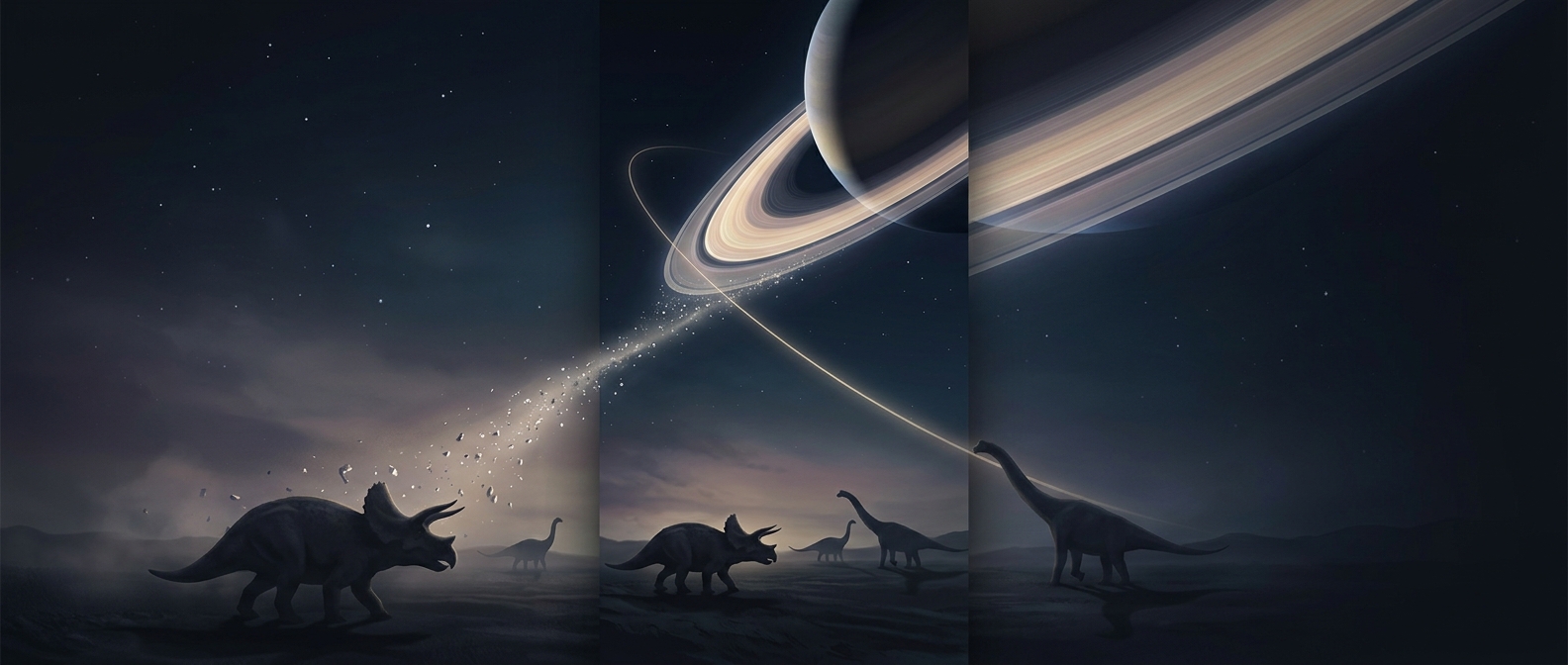
Saturn got its rings after the dinosaurs
The breathtaking, icy rings orbiting the planet Saturn are a surprisingly modern addition to our complex solar system. Astronomical data confirms that these…
Discover more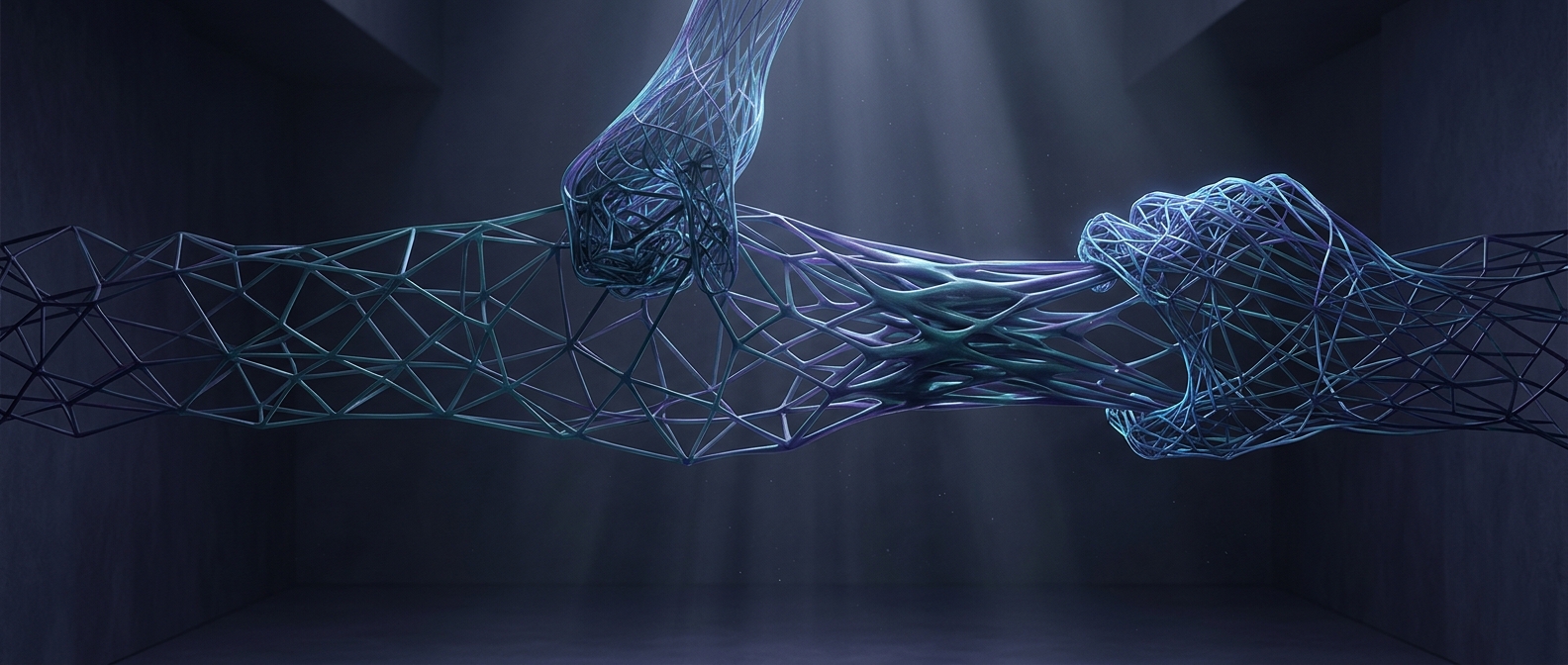
The materials that grow thicker when stretched
Most natural materials, like a rubber band, grow progressively thinner the further you pull them apart. However, specially engineered materials known as…
Discover more
Remarkably thick and dense atmosphere of the moon Titan
Saturn's largest moon, Titan, is incredibly unique because it boasts a massive atmosphere significantly thicker than Earth's. If you stood on its freezing…
Discover more
Strange matter could infect everything it touches
Strange matter.
Discover more
Why a moving flashlight doesn’t make light go faster
If you throw a heavy baseball heavily out of a highly speeding car, the heavy ball heavily moves faster. Remarkably, if you vigorously click on a heavy…
Discover more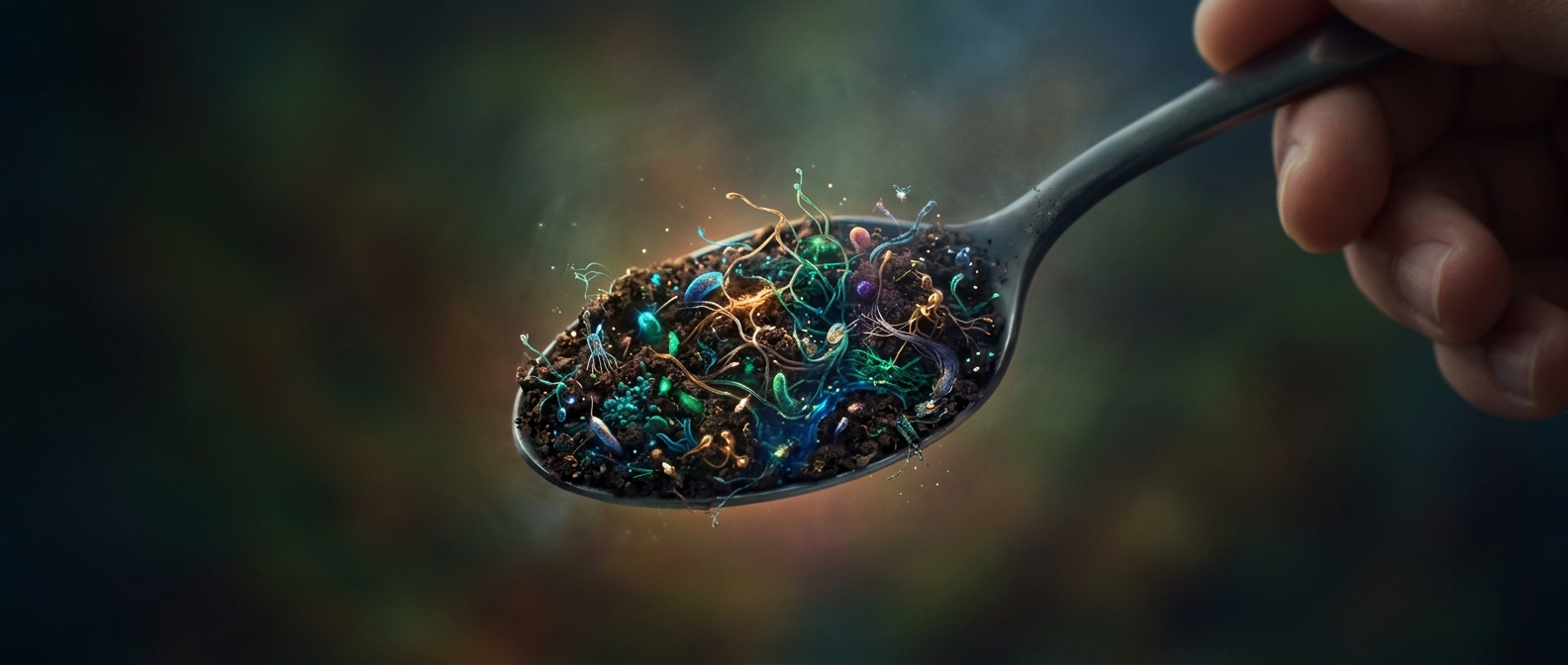
A teaspoon of soil teems with a billion microbes
The common dirt packed directly beneath our feet hosts an incomprehensibly vast, fiercely active ecosystem of bacterial life. A mere handful contains more…
Discover more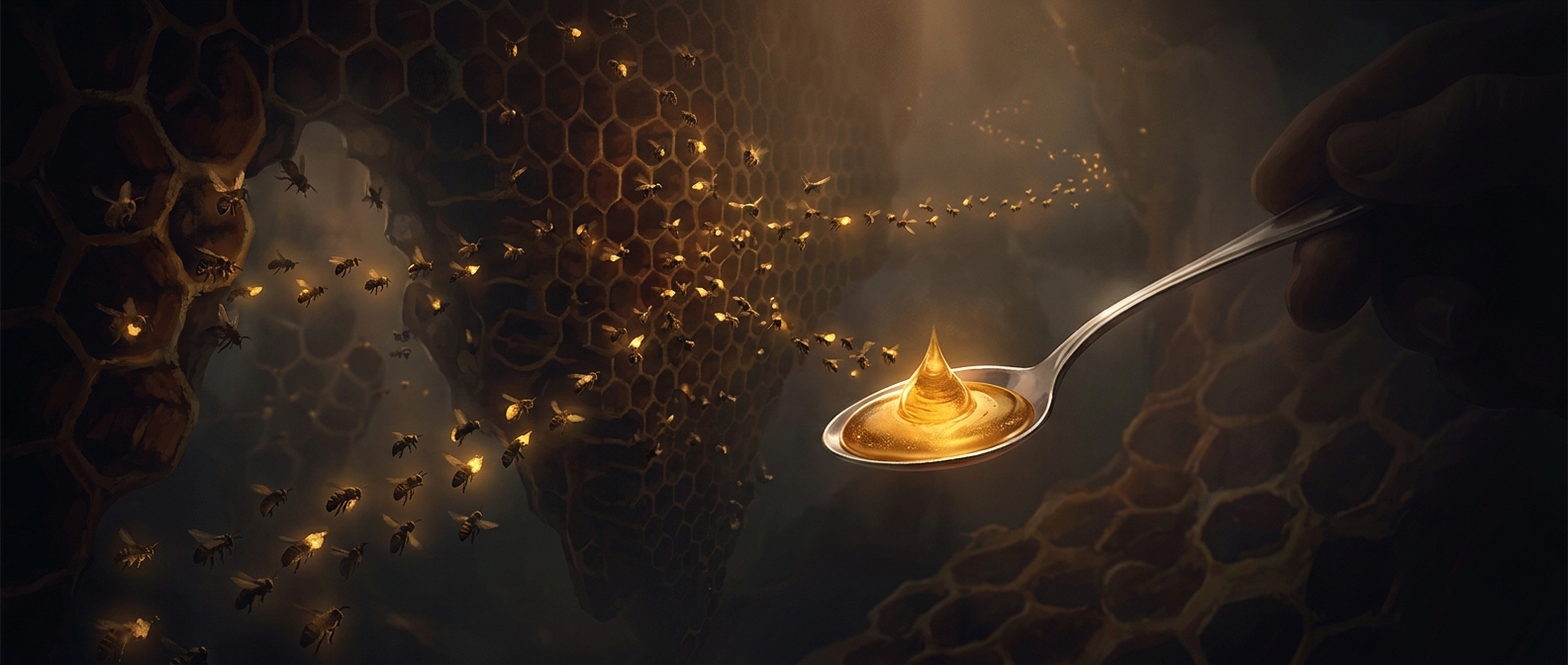
Twelve bees spend their lives making one teaspoon of honey
Producing natural honey is an incredibly labor-intensive biological process. It takes the entire lifespan of roughly twelve dedicated worker bees, flying…
Discover more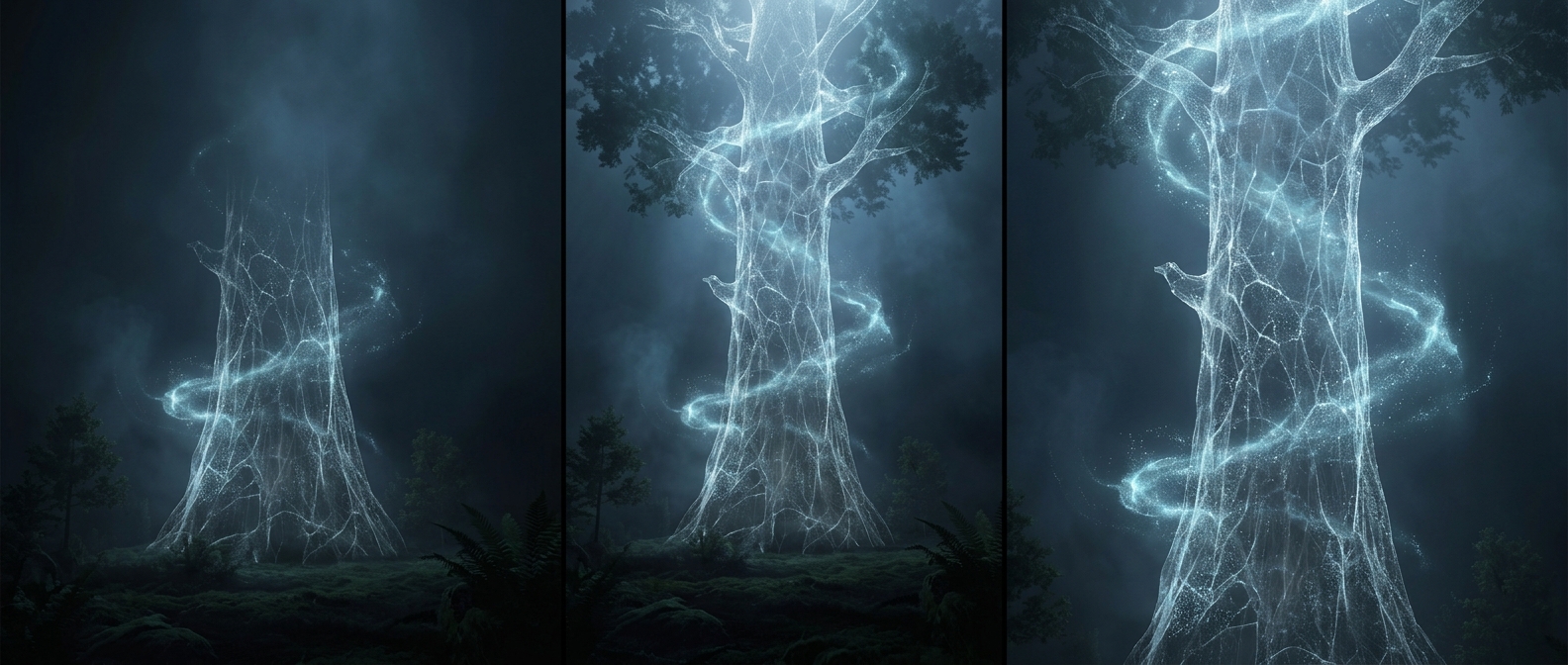
Trees build their trunks from carbon dioxide
It is a common misconception that massive redwoods pull their physical mass up from the dirt. Trees actively inhale invisible carbon dioxide from the wind,…
Discover more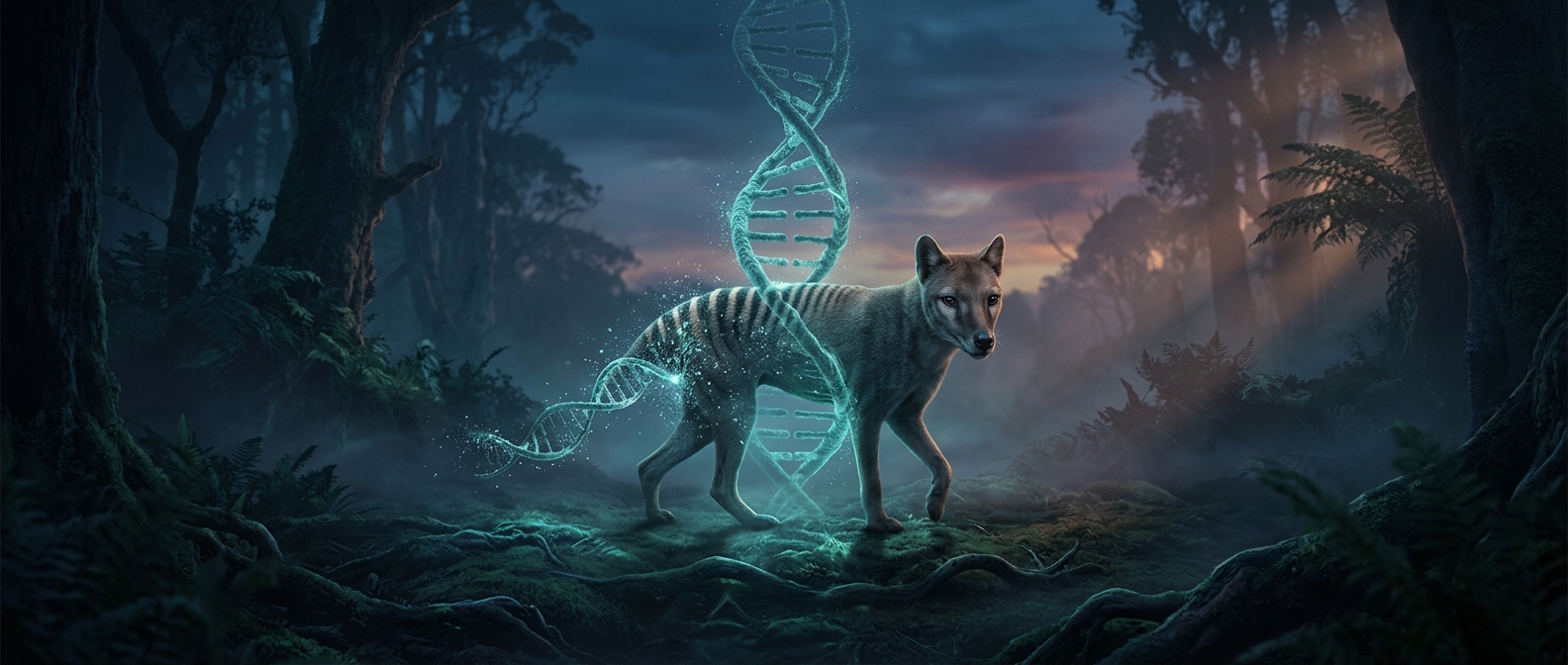
The Tasmanian tiger could return from extinction
Through the aggressive use of advanced CRISPR genetic editing, bio-engineers are actively attempting to pull the massive, striped Tasmanian tiger completely…
Discover more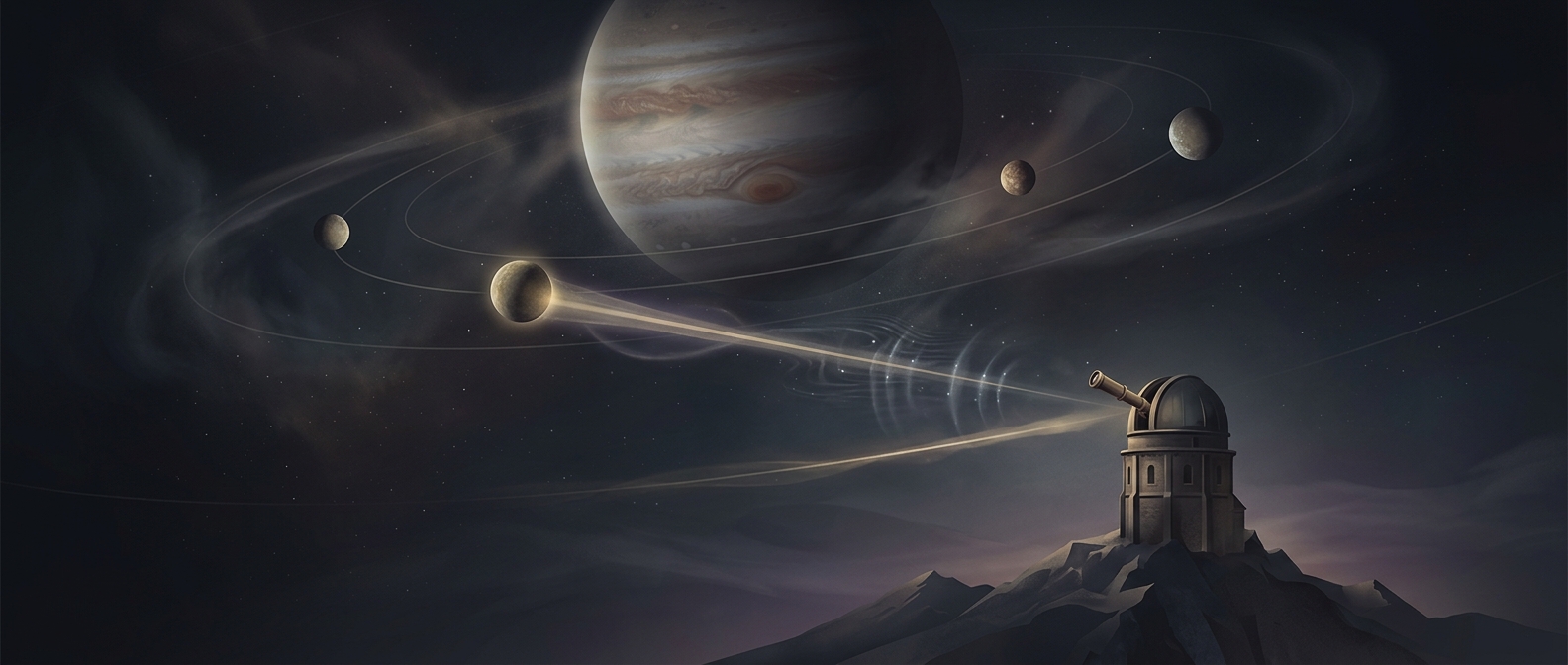
Jupiter's moon Io helped reveal the speed of light
In the late seventeenth century, astronomer Ole Rømer noticed that the eclipses of Jupiter's moon Io seemed to occur later when Earth was further away in its…
Discover more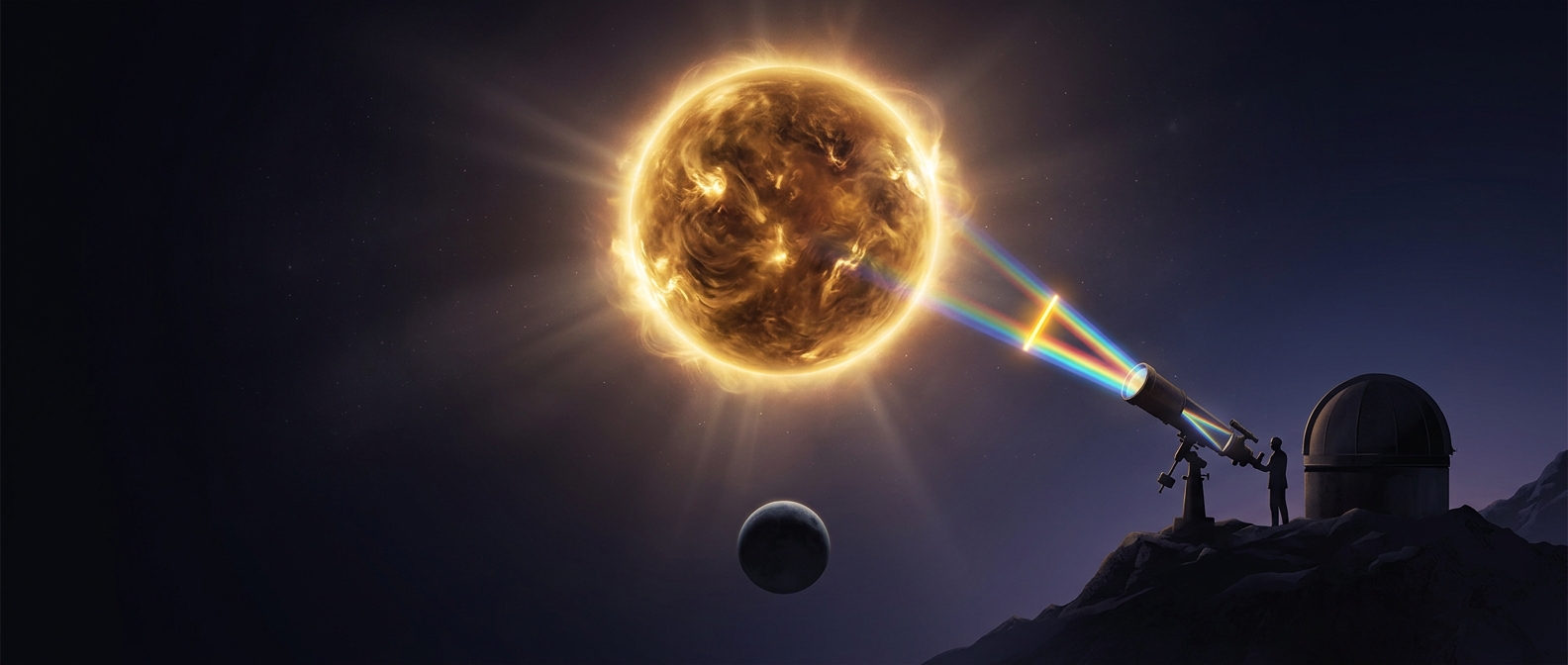
Helium was discovered on the Sun first
Before anyone knew it existed on Earth, French astronomer Jules Janssen detected an unknown yellow spectral line during a total solar eclipse in 1868. The…
Discover more