Science
Discover facts about science. Small discoveries that change the way you see familiar things.
Science
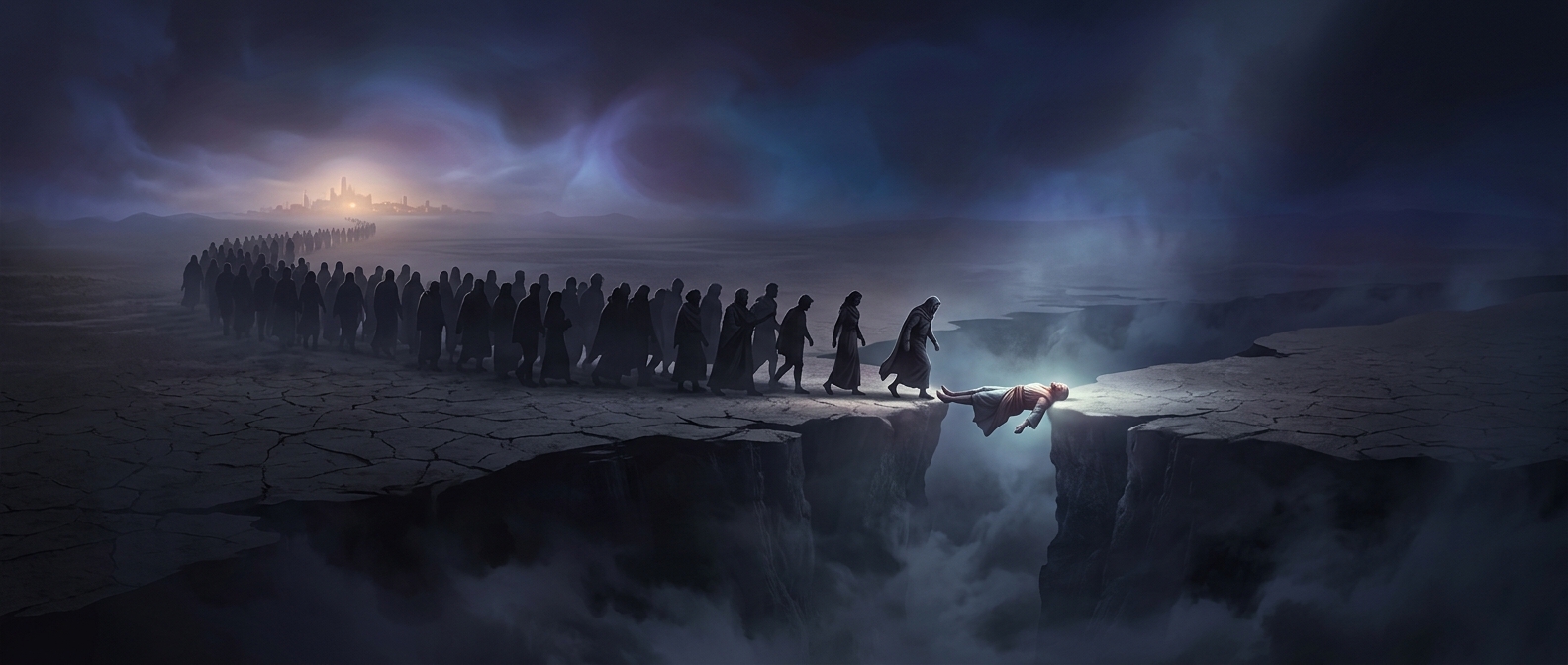
Why groups wait for someone else to act
The Volunteer's Dilemma highlights the mathematical cruelty of group dynamics. When a situation requires at least one person to undertake a minor cost to…
Discover more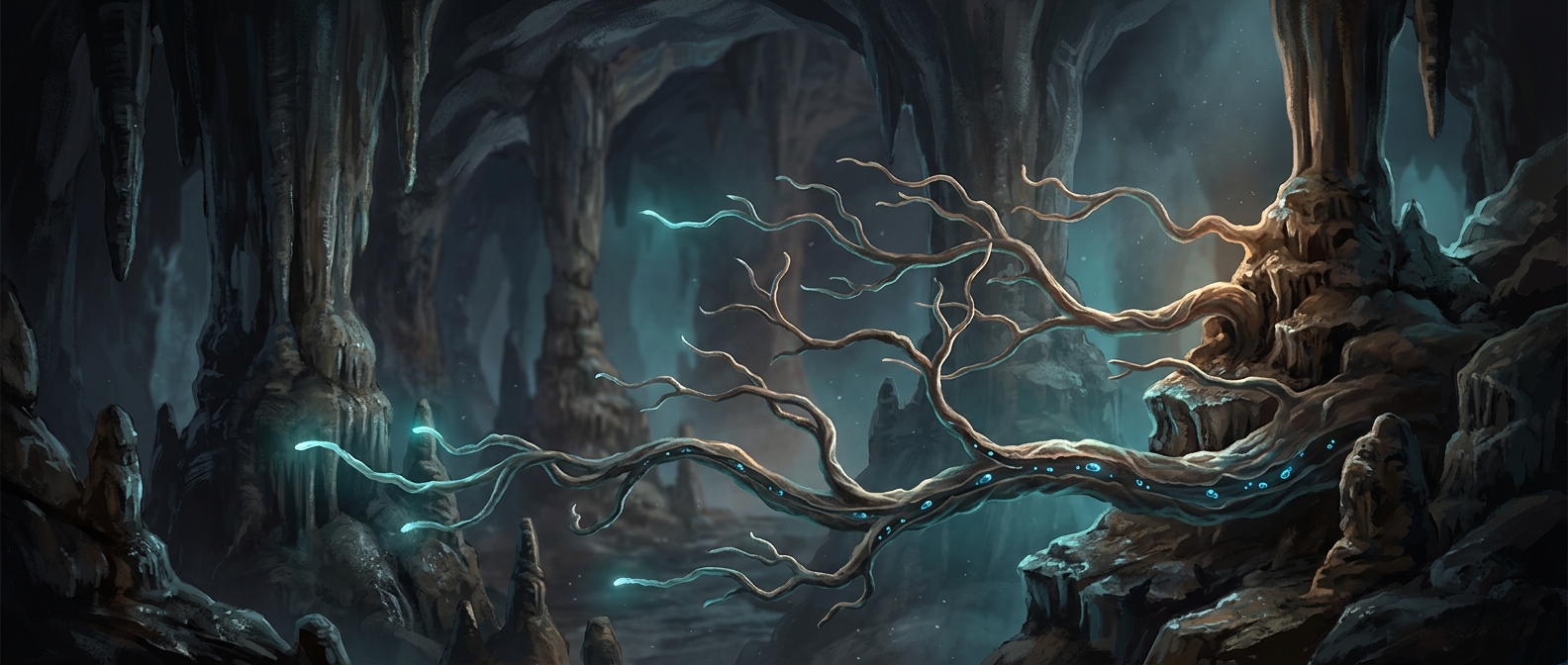
How cave formations grow sideways
Sometimes rocks just openly defy basic physics. These weird, twisting subterranean formations grow horizontally or even curl upwards because the water is…
Discover more
The bizarre dance ferrets do when excited
When overwhelmed with joy, these noodle-shaped mammals abruptly lose all control of their bodies. They violently arch their backs, hop backward erratically,…
Discover more
Why a piano and guitar sound different on one note
If a totally different instrument plays the strictly exact same note at the perfectly exact same volume, you can entirely tell them apart purely due to…
Discover more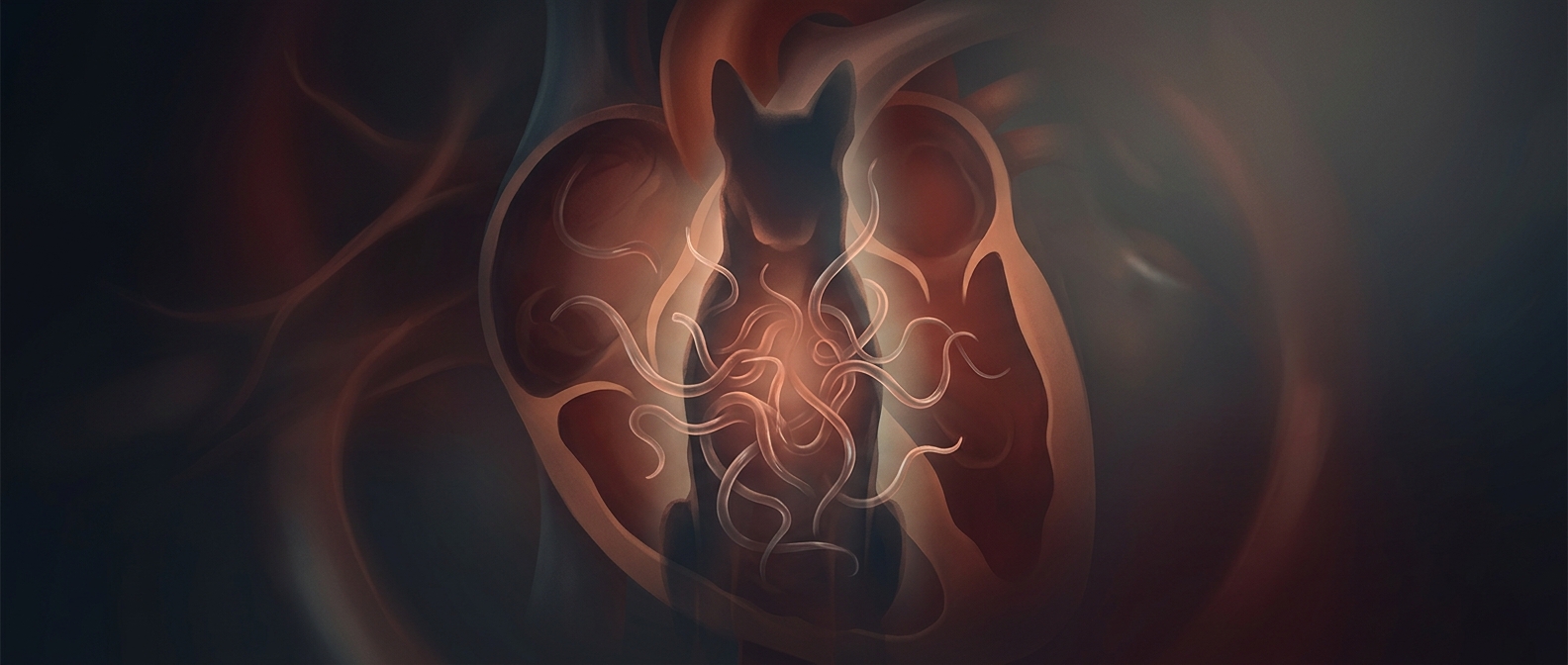
How mosquitoes can deliver worms to a dog’s heart
Mosquitoes don't just leave itchy bumps; they occasionally deliver a fatal spaghetti-like parasite directly into your dog's bloodstream. The microscopic…
Discover more
The internet has no central authority
The entire digital globe operates on pure unadulterated trust. There is no single master switch or governing body running the core infrastructure, just…
Discover more STACKY FOR IPHONE
A bigger world.
One discovery
at a time.
Keep discovering with Stacky. Interesting facts in an app that is always within reach.
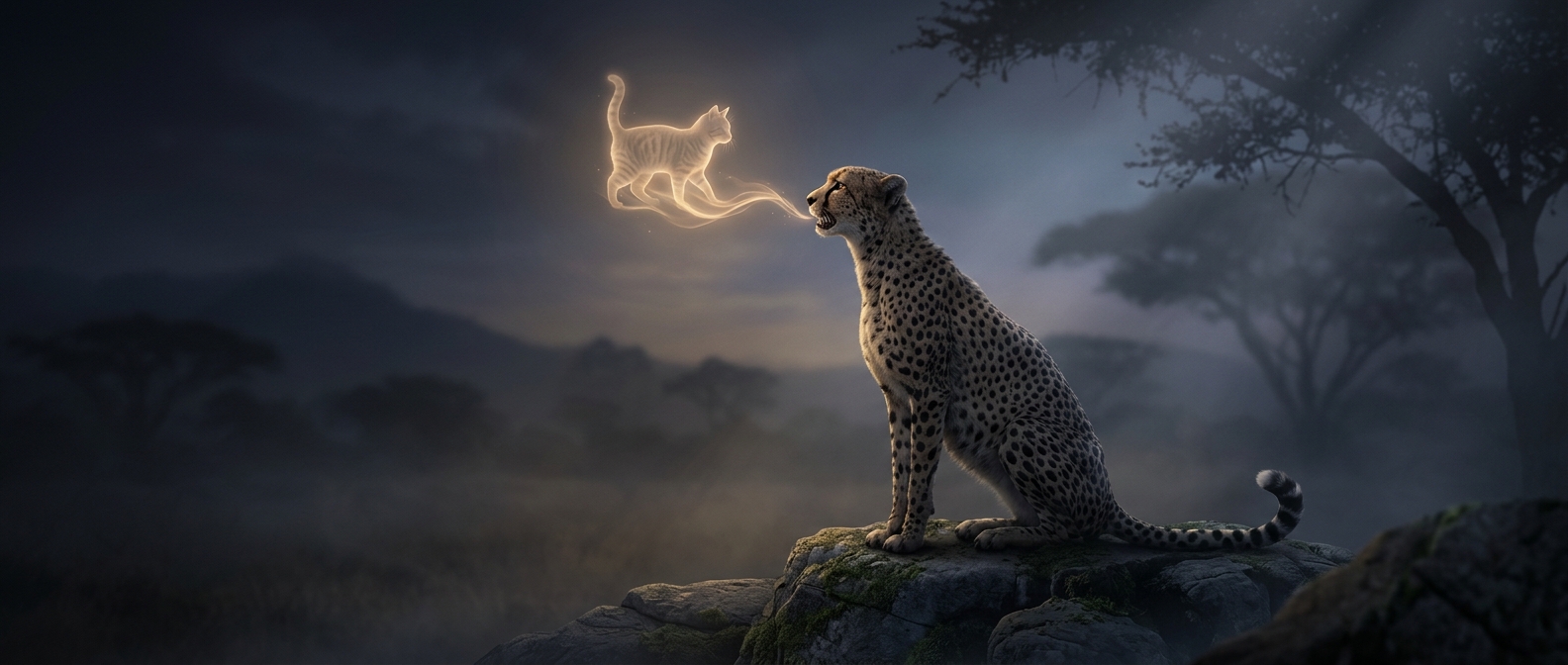
Cheetahs can't roar—they meow instead
For an animal that can effortlessly sprint 70 miles per hour, the cheetah has a shockingly un-intimidating voice. Because of the ossified structure of the…
Discover more
Sulfuric acid can turn sugar into black carbon
Pouring sulfuric acid onto standard table sugar does not just dissolve it; it stages a horrifying chemical exorcism. The acid aggressively rips every single…
Discover more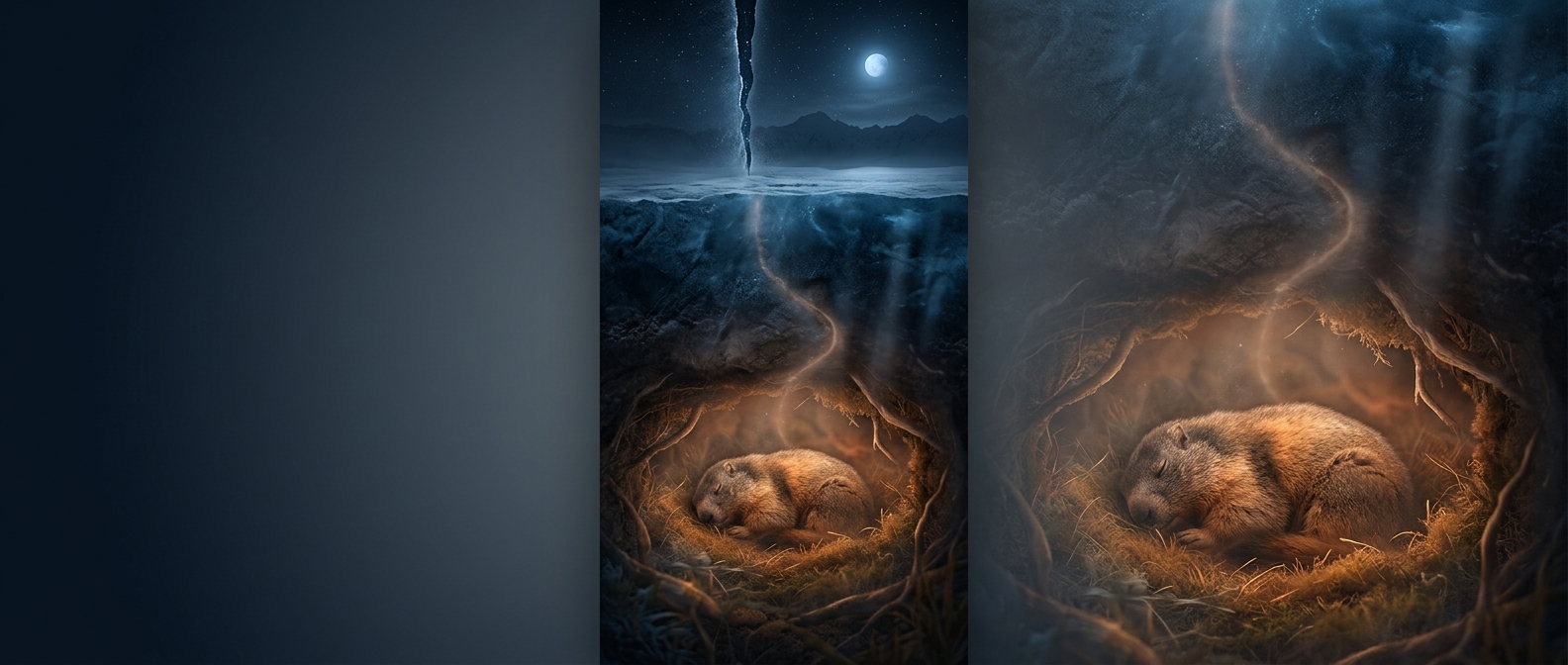
Alpine marmots sleep through up to eight months
Avoiding reality is a spectacular evolutionary tactic. Alpine marmots endure the bleakness of extreme high altitudes by completely shutting down their…
Discover more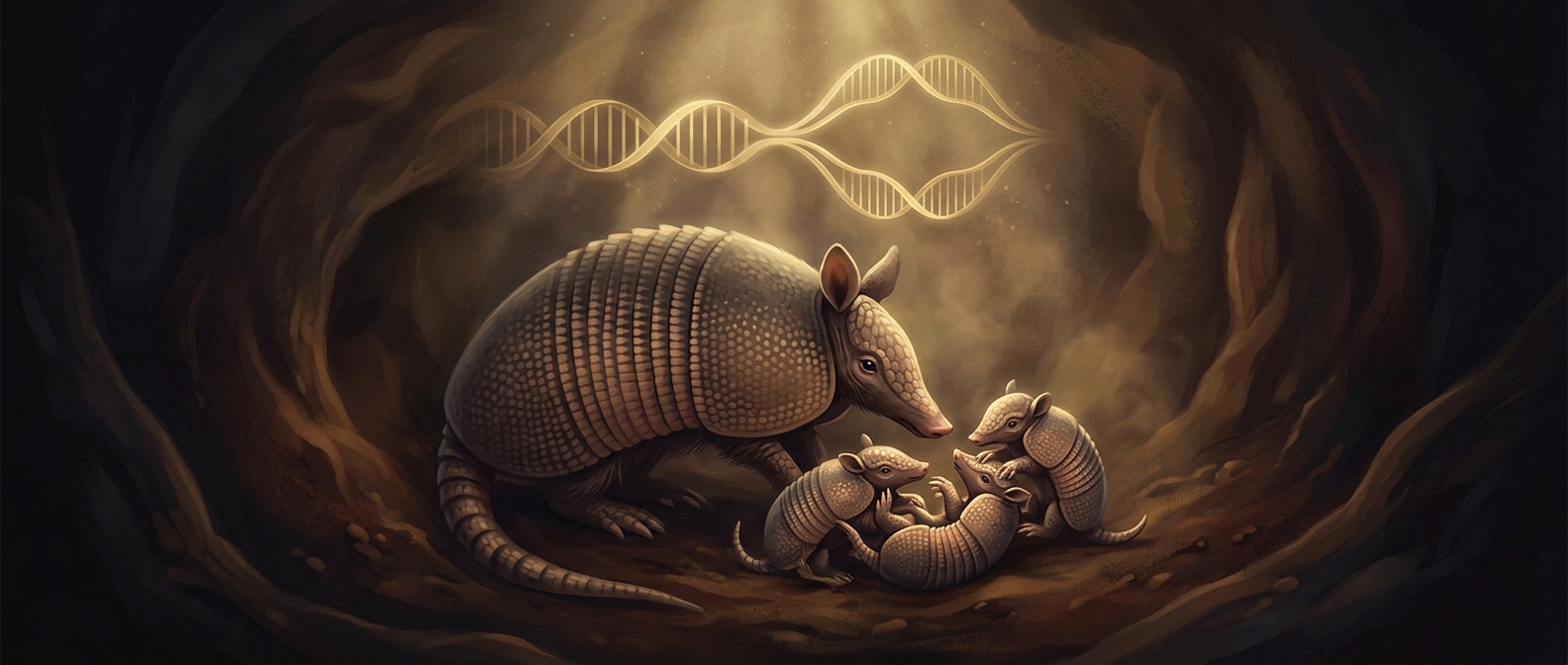
The armadillo that gives birth to four identical babies
Why bother making diverse offspring when you can just violently hit copy and paste? The nine-banded armadillo absolutely refuses to participate in normal…
Discover more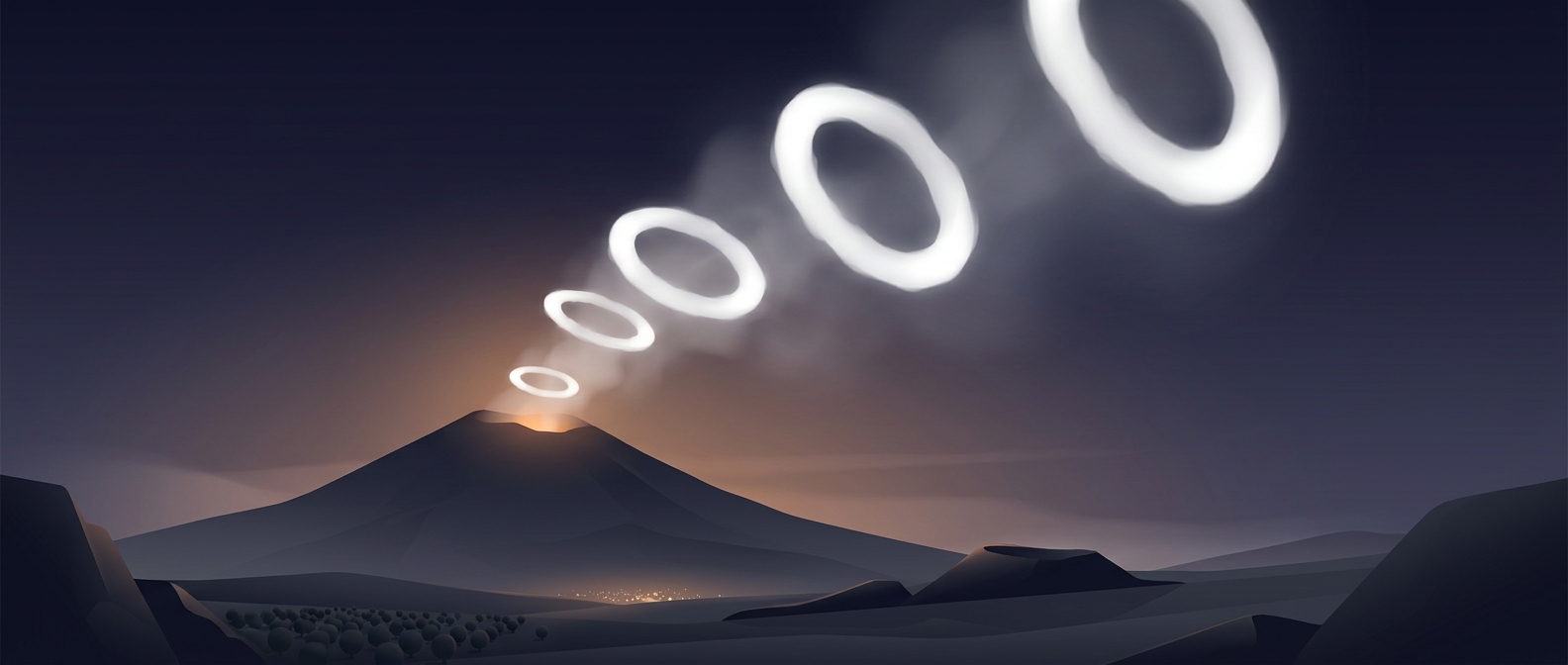
Mount Etna sometimes blows giant rings of white smoke
Europe's most active towering volcano apparently picked up a rather eccentric smoking habit. Under very specific internal venting conditions, it forcefully…
Discover more
Why squaring a circle is impossible
Ancient philosophers wasted centuries trying to construct a square with the exact same area as a given circle using only a compass and straightedge. It is…
Discover more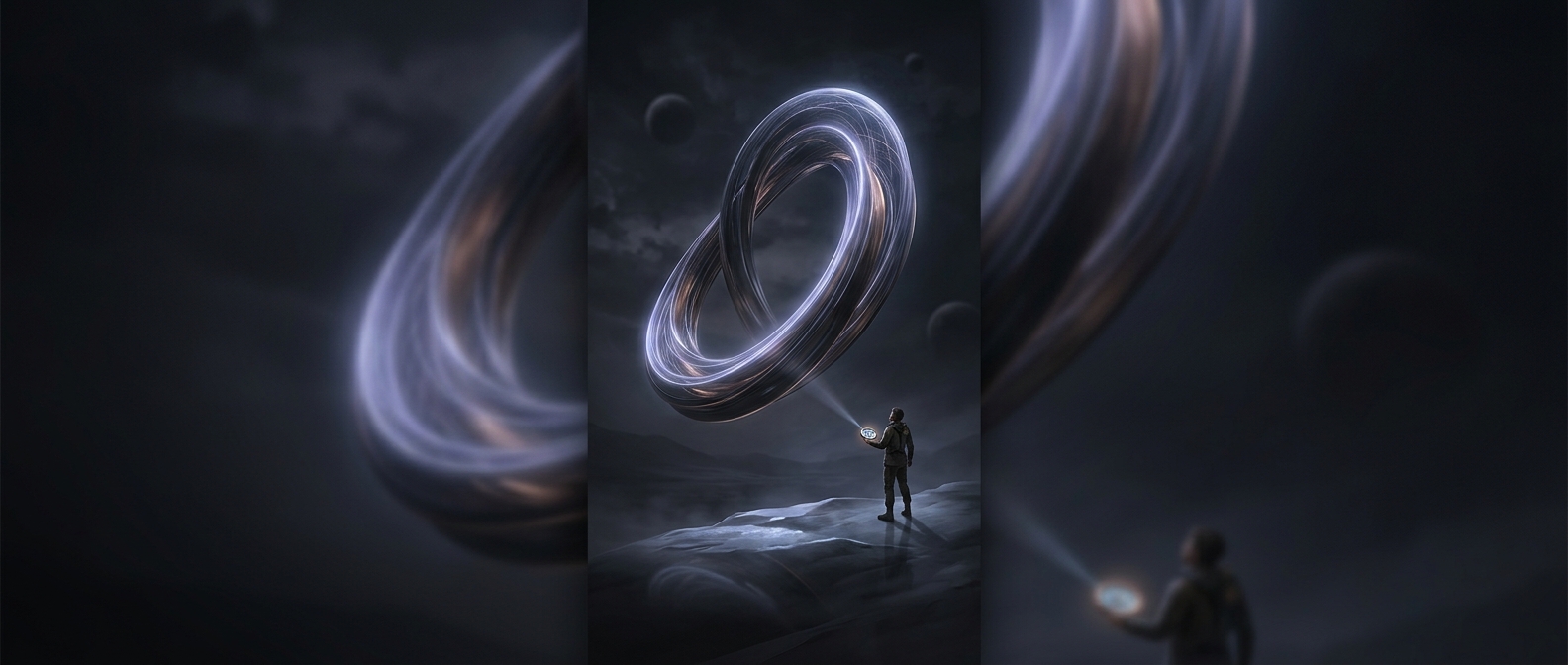
Magnetic fields loop continuously without ever ending
Unlike gravitational lines that just pull straight in, magnetic fields are eternal loops. A field line exiting the north pole must perfectly curve around and…
Discover more
Australia moves north about seven centimeters a year
The entire continent of Australia is trying to slowly escape its current latitude. Driven by aggressive tectonic plate motion, the landmass constantly shifts…
Discover more
Drumlin fields look like swarms of giant hills
When glaciers aggressively move over loose sediment, they sometimes smear the dirt into elongated, teardrop-shaped hills called drumlins. They almost always…
Discover more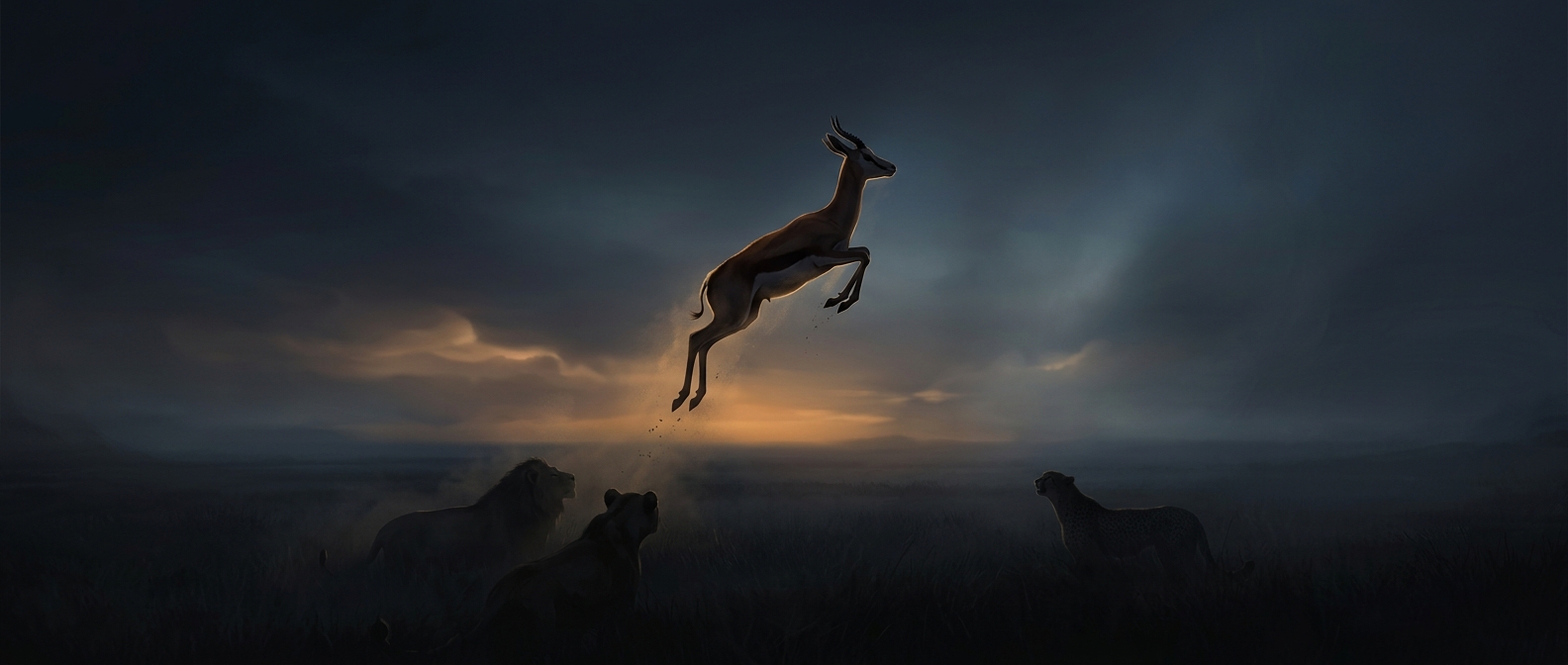
Why springboks leap when predators charge
When an apex predator charges, logic dictates running away instantly, but this antelope prefers to show off first. Springboks engage in an act called…
Discover more
Model train layouts require specific voltage drops
Building a massive miniature railway isn't just about laying track; it is a stressful exercise in electrical engineering. Because the metal rails physically…
Discover more
Fabry and Buisson discovered the Earth ozone layer
Two French physicists decided to figure out exactly why the sun wasn't actively frying the planet with raw ultraviolet radiation. By passing incoming light…
Discover more
Why an echo needs a wall 17 meters away
You cannot simply yell at a nearby wall and expect a dramatic cinematic echo. Your brain needs at least a tenth of a second to distinguish the original sound…
Discover more
Why globetrotter once referred to a horse
Before it meant someone who impressively stamps their passport every week, 'globetrotter' was originally a sarcastic term in the late 1800s. Trotters were…
Discover more
Exceptional statistical performance aggressively declines
Regression to the mean proves that prolonged excellence is a statistical anomaly. If an entity severely overperforms or underperforms the average, their next…
Discover more
Why rubbing things together creates heat
Rubbing two things together is just a microscopic turf war. What we call friction is actually the outer electrons of one surface getting far too emotionally…
Discover more
The metal that can shut down a nuclear reaction
When you have a vat of violently splitting uranium, you need an exceptionally strong emergency brake. Hafnium fits the bill perfectly because it boasts an…
Discover more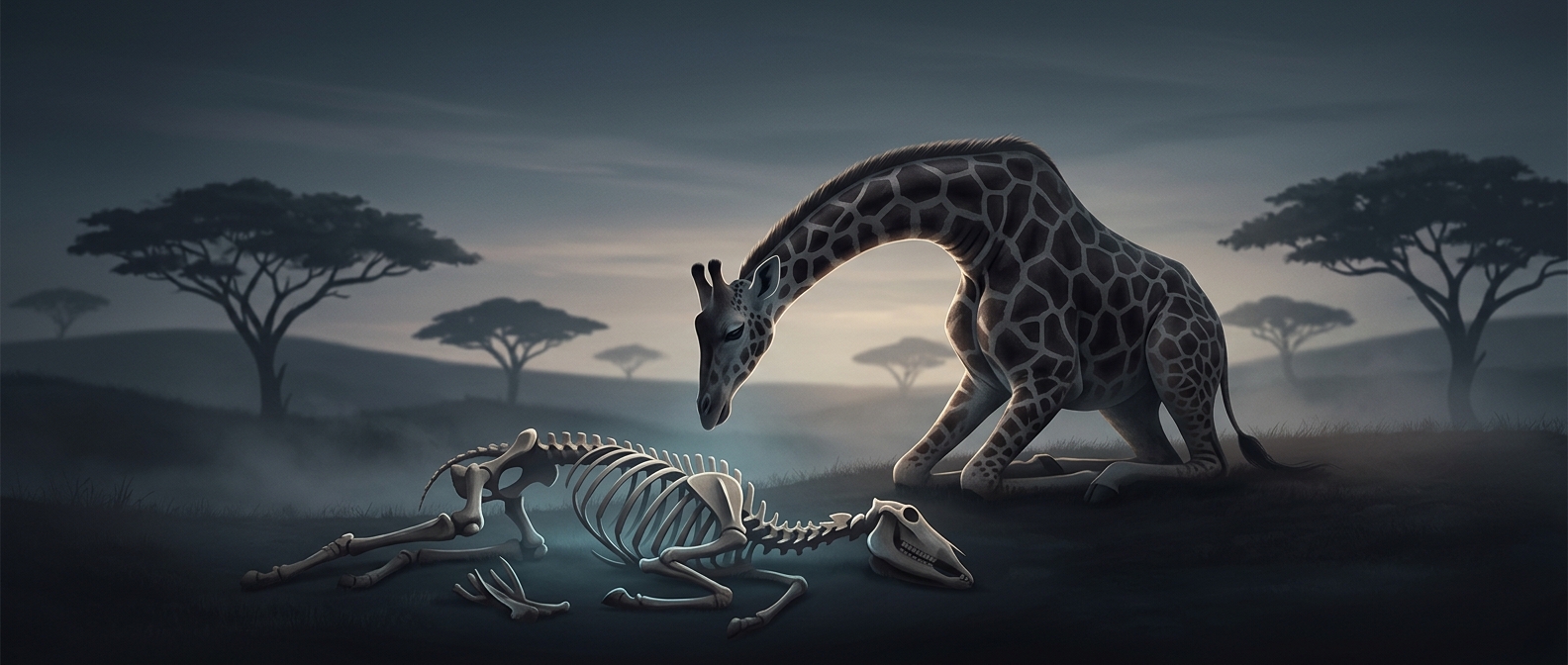
Why giraffes sometimes eat bones
Being a towering vegetarian is apparently a calcium-depleting nightmare. Because their diet of acacia leaves is severely lacking in crucial minerals, giraffes…
Discover more