Science
Discover facts about science. Small discoveries that change the way you see familiar things.
Science
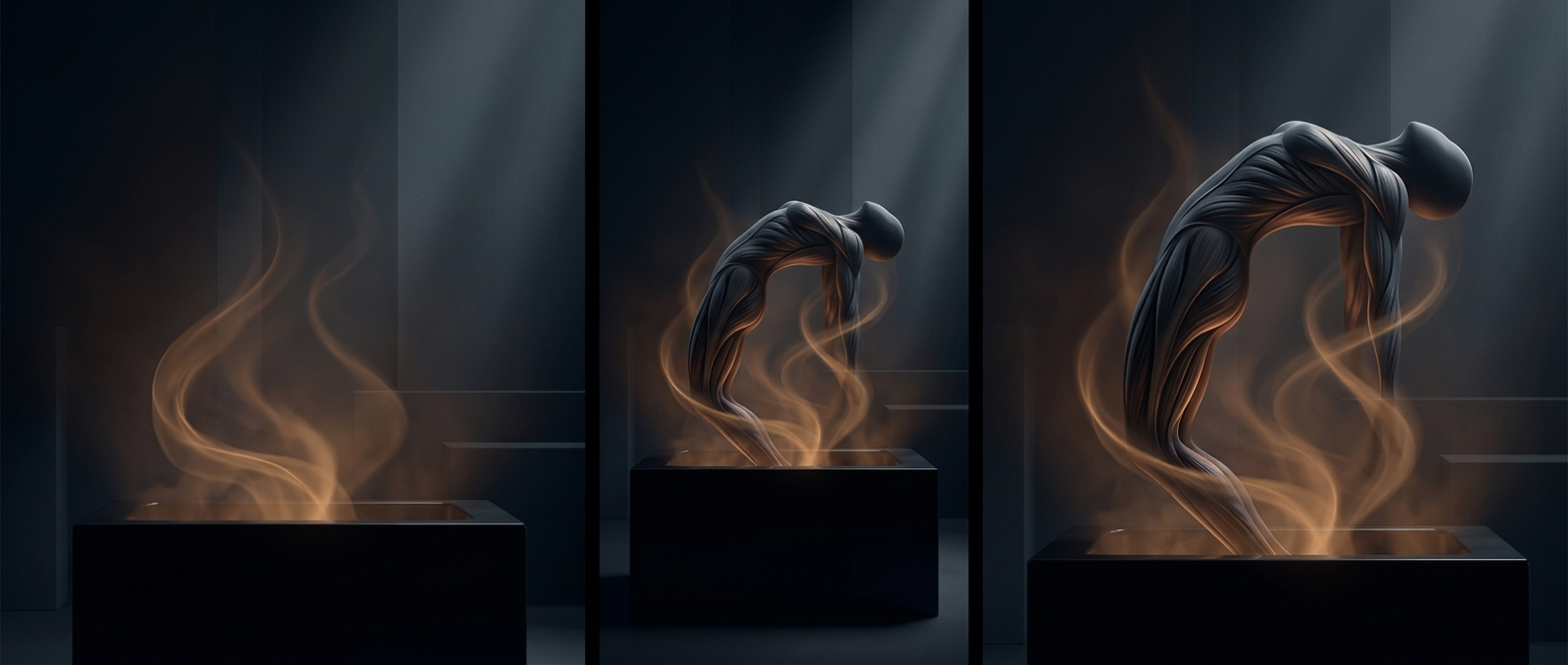
Heat can make a body move during cremation
Intense heat changes muscle proteins and dries tissue, causing it to shorten. Stronger flexor muscles can pull limbs into bent positions. Those changes need…
Discover more
A surprise execution creates a trap for prediction
A prisoner is told the execution will happen on a weekday and be a surprise. He rules out Friday, because surviving Thursday would reveal it, then reasons…
Discover more
The famous potato-shaped Earth image exaggerates gravity's bumps
It depicts the geoid: a reference surface shaped by variations in Earth's gravity, not the planet's literal rocky outline. The height differences are greatly…
Discover more
Kelvin formulated the strict rigid rules of thermodynamics
A heat engine cannot turn all its heat into useful work; some energy must leave as waste heat. Kelvin helped show that this is a basic limit, not a defect an…
Discover more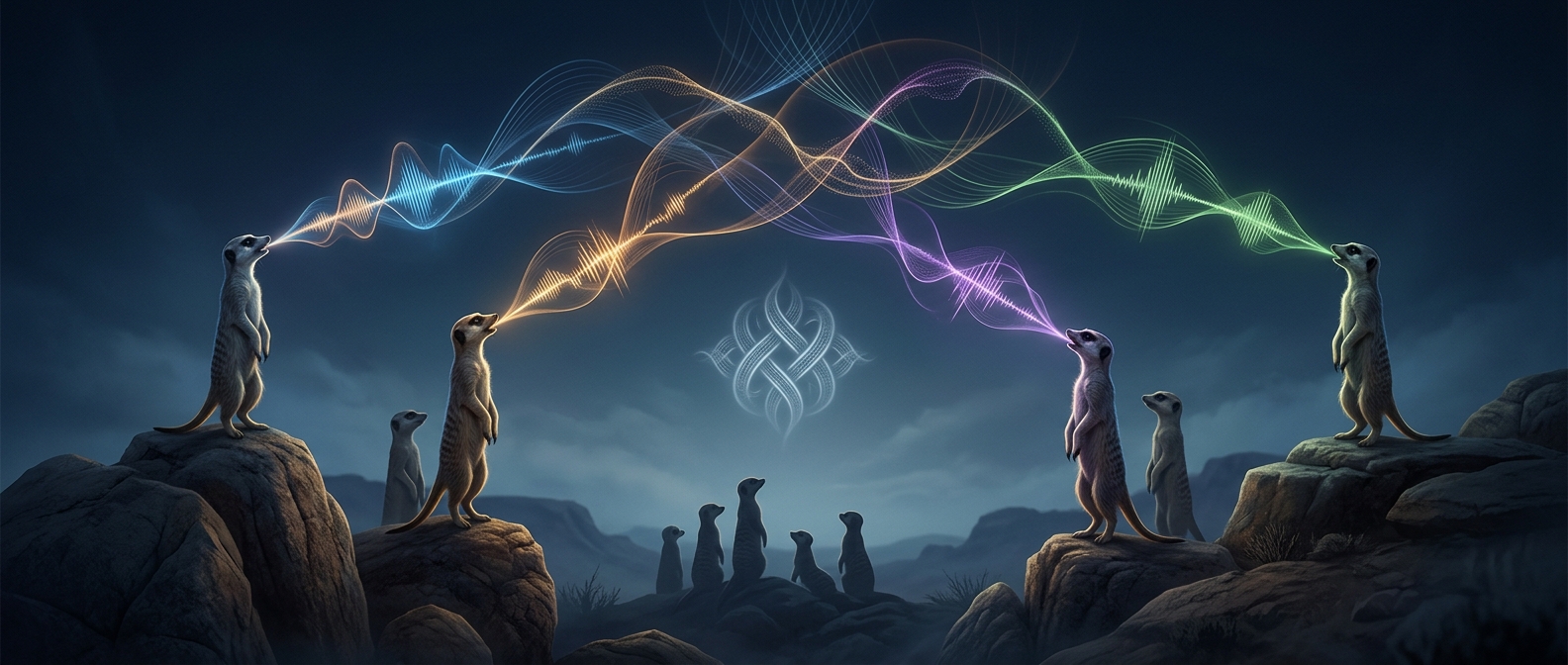
Meerkats recognize one another by voice
A quiet call from the grass can tell meerkats which group member is there. Their contact calls carry individual clues, letting companions track one another…
Discover more
Why some flowing liquid looks completely frozen
A smooth flow can look frozen because its surface barely changes. With little turbulence to wrinkle or flicker the surface, it reflects the surroundings like…
Discover more STACKY FOR IPHONE
A bigger world.
One discovery
at a time.
Keep discovering with Stacky. Interesting facts in an app that is always within reach.

Why measuring a coastline depends on your ruler
A small ruler can follow more of a coastline’s tiny bays and bends; a larger one bridges over them. Add up those extra twists and the measured coastline gets…
Discover more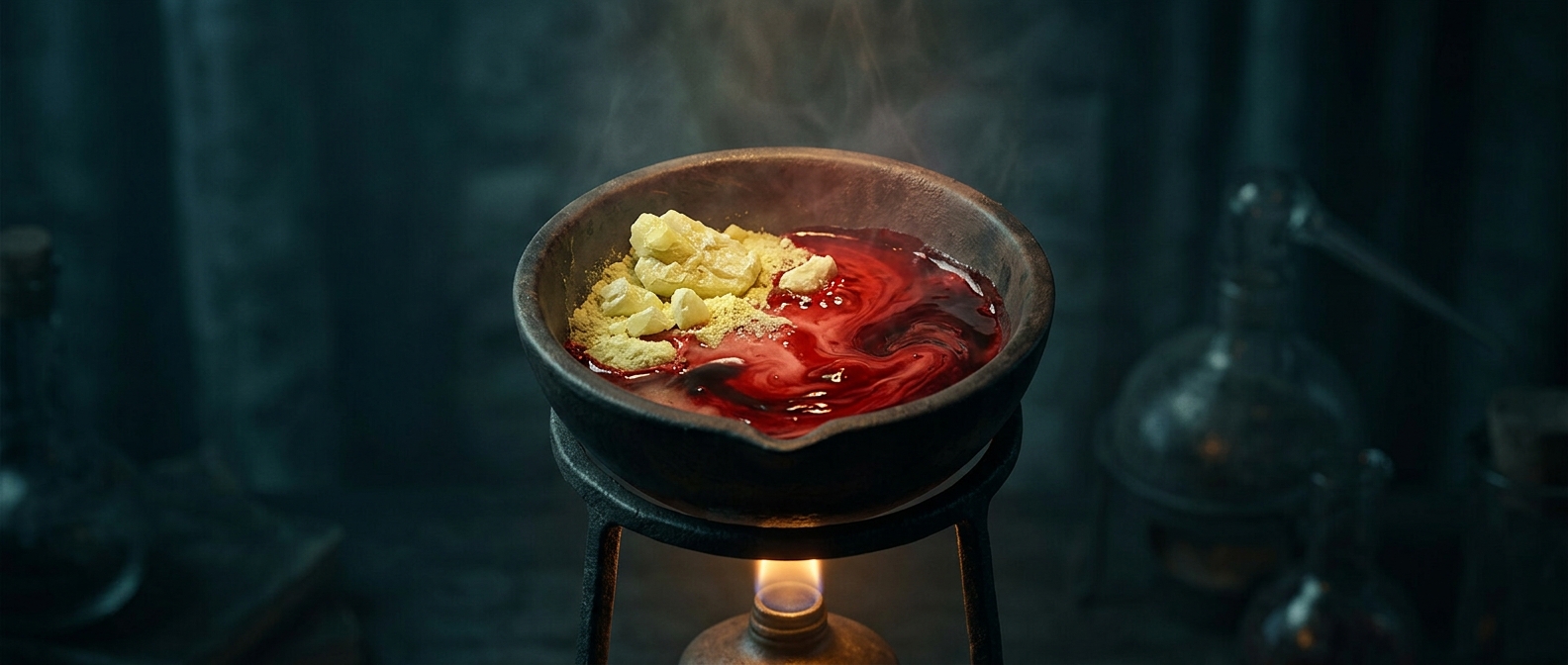
Sulfur turns blood-red when heated
Heat makes sulfur’s ring-shaped molecules link into long chains. Those chains tangle together, turning the liquid red-brown and thick enough to pour…
Discover more
Alternating current reverses direction sixty times a second
A 60-hertz current completes 60 full back-and-forth cycles each second. It switches direction twice per cycle, so the flow changes direction 120 times a…
Discover more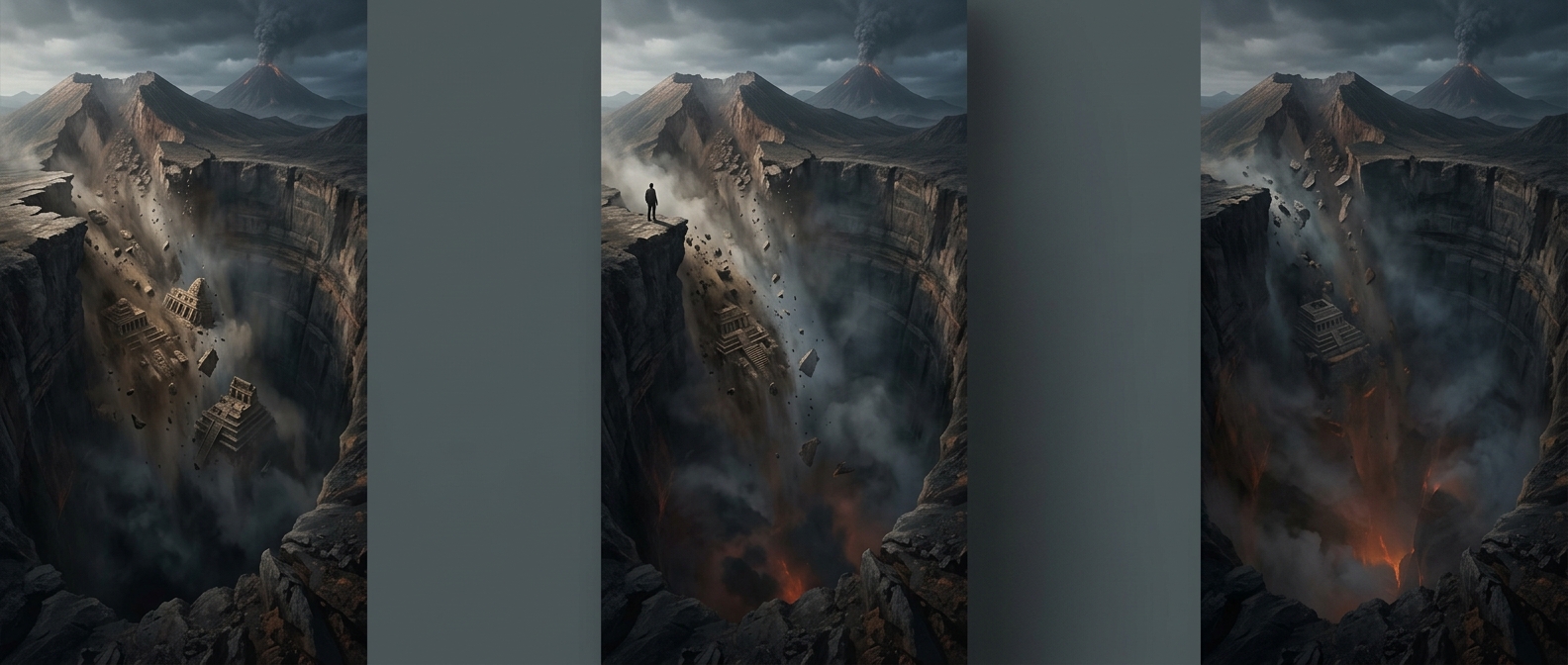
Caldera collapses create massive localized sinkholes
A caldera forms when the ground above a partly emptied magma reservoir collapses. The result isn’t simply a giant hollow chamber left by the eruption: the…
Discover more
Gallium melts in the palm of your hand
Gallium melts because its melting point is only a little above room temperature, and your warm hand can supply the extra heat. The shiny metal softens into a…
Discover more
A meter is measured by a split second of light
The meter comes from timing light: in a vacuum, light travels one meter in exactly 1/299,792,458 of a second. Atomic clocks let scientists measure that brief…
Discover more
Hydrogen is the most abundant element in existence
Hydrogen got a head start: most of it formed in the universe’s first minutes, before stars had even switched on. Stars fuse hydrogen into helium and…
Discover more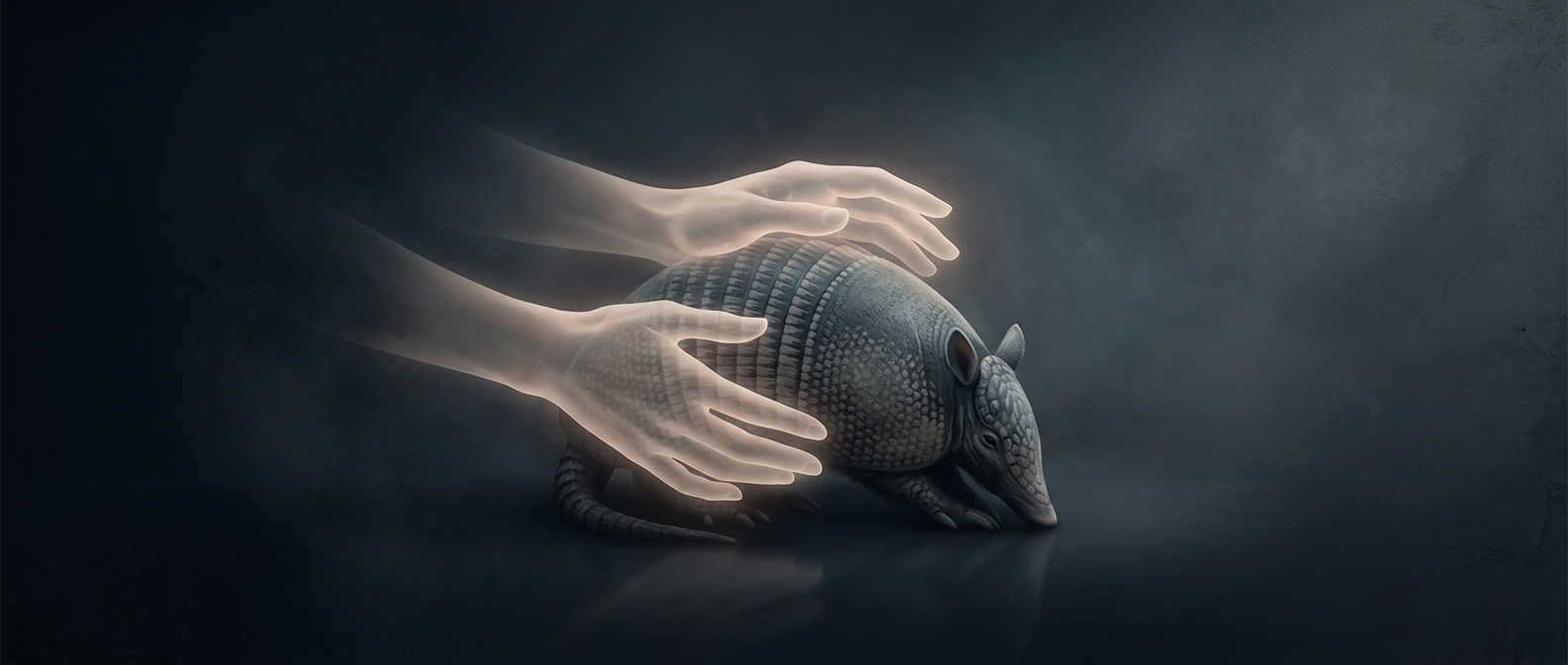
Armadillos can catch leprosy
The leprosy bacterium grows best in cooler parts of the body, and an armadillo’s relatively low body temperature gives it a suitable home. People can…
Discover more
Intermediate network nodes can invisibly alter messages
A message may be encrypted and still be sent to an impostor if your device can’t confirm the destination. Secure connections check the server’s identity as…
Discover more
A kangaroo's warning can travel through a foot thump
Researchers studying eastern grey kangaroos found that a thump can act as an alarm signal. A forceful impact makes a warning without a vocal cry. The same…
Discover more
A globe has no parallel great circles
On a sphere, the closest counterpart to a straight line is a great circle, like the equator. Any two such circles intersect at two opposite points. That is…
Discover more
Scientists grow tiny working models of human organs
Researchers guide stem cells into tiny clusters of specialized cells that behave in some ways like parts of an organ. These organoids let scientists test how…
Discover more
A rat can reach a toilet from the sewer side
Rats are capable swimmers and climbers, and some plumbing routes provide a passage from drains into a toilet bowl. The trap is designed to block sewer gases…
Discover more
Why blood can look green underwater
Water filters out more red light as you go deeper, leaving less red light for blood to reflect. Around 50 feet down, that shift can make blood look green;…
Discover more
The second-most-common word often appears about half as often as the first
Across large texts, word frequency roughly follows a rank pattern called Zipf's law: higher-ranked words occur much more often than those farther down the…
Discover more
The baboons that raise puppies as guard dogs
Baboons have been seen caring for feral dog puppies, and the puppies’ barking may alert the troop when danger approaches. That could make the puppies useful…
Discover more
Distributed networks never guarantee perfect consensus
If one computer sends a message and hears nothing back, it cannot tell whether the message vanished or the reply did. A confirmation only moves the…
Discover more
Platonism claims mathematical concepts exist
A Platonist would say that if every person vanished, two plus two would still equal four. Numbers, on this view, are abstract objects, not physical objects…
Discover more