Science
Discover facts about science. Small discoveries that change the way you see familiar things.
Science

How tiny experiments decide where buttons go
An A/B test turns a design hunch into a head-to-head trial: users are randomly split between two versions, and their actions are measured. Random assignment…
Discover more
Why blind people gesture while talking
Gestures can help speakers organize thoughts, even when nobody can see them. People blind from birth still move their hands while talking, suggesting the…
Discover more
The hashtag was proposed before Twitter adopted it
Before Twitter adopted hashtags, an early user suggested putting # in front of topics. The label gave scattered posts a shared tag, so a search could gather…
Discover more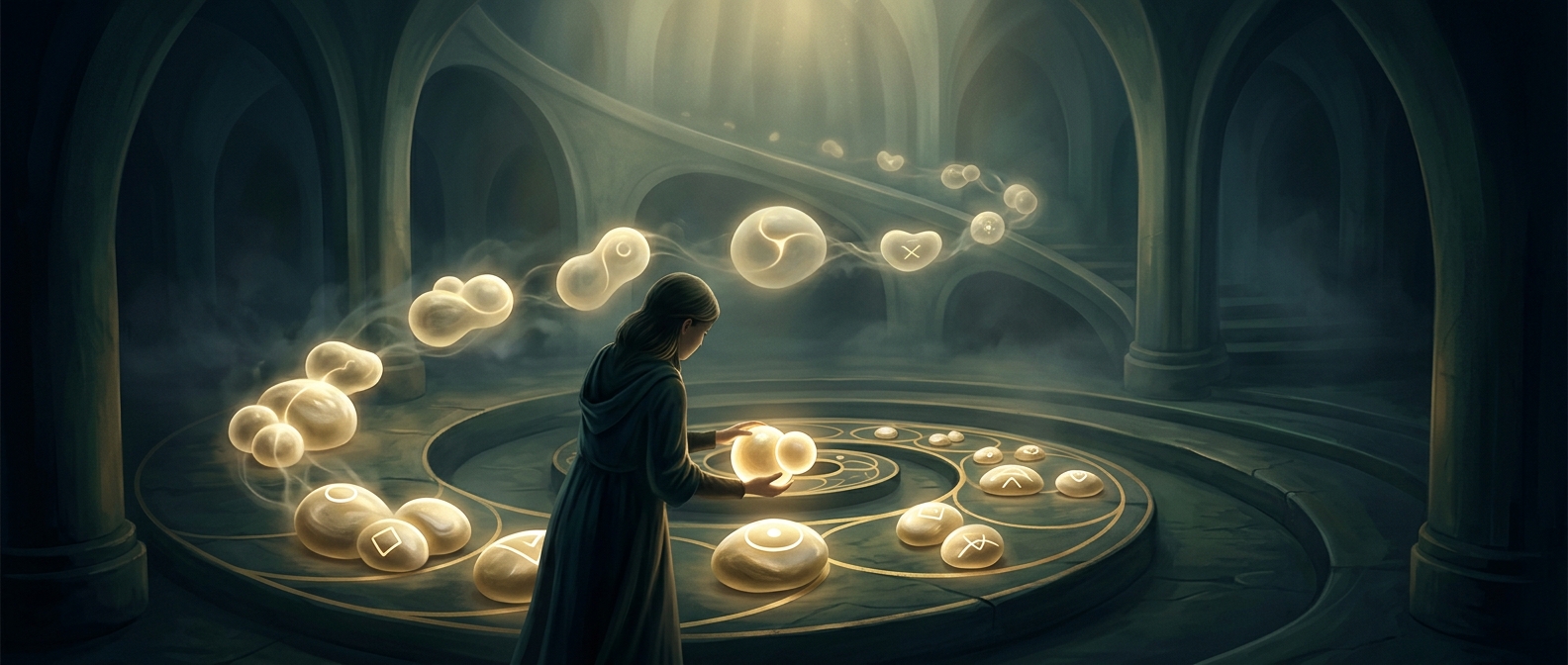
Fibonacci sequences are just recursive additions
Keep adding the last two Fibonacci numbers to make the next, then compare each number with the one just before it. That ratio gets closer and closer to the…
Discover more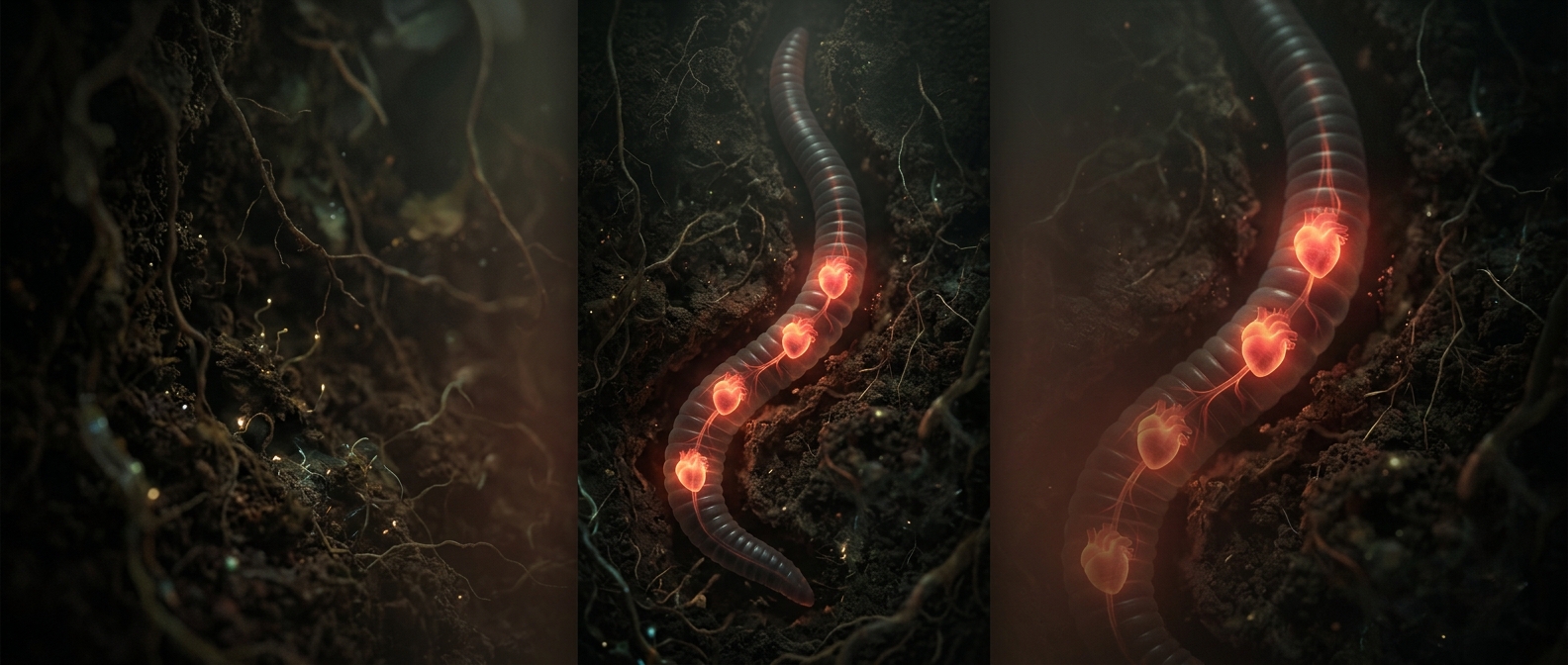
Earthworms have five pairs of hearts
An earthworm’s five pairs of “hearts” are actually aortic arches: contracting blood vessels near its head. They squeeze around the esophagus to keep blood…
Discover more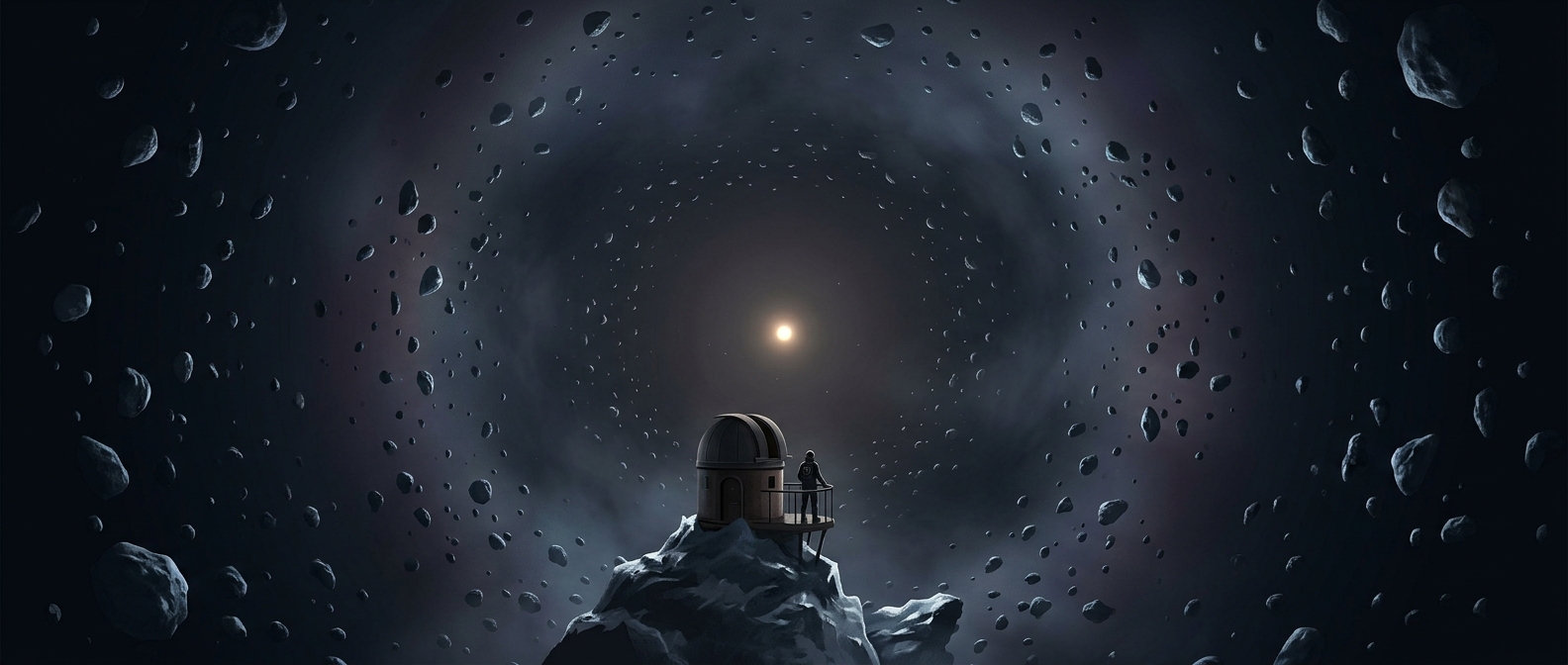
Oort cloud contains billions of distant icy cosmic objects
Some icy bodies at the solar system’s far edge get nudged by passing stars. A changed orbit can send one plunging toward the Sun, where it becomes a…
Discover more STACKY FOR IPHONE
A bigger world.
One discovery
at a time.
Keep discovering with Stacky. Interesting facts in an app that is always within reach.
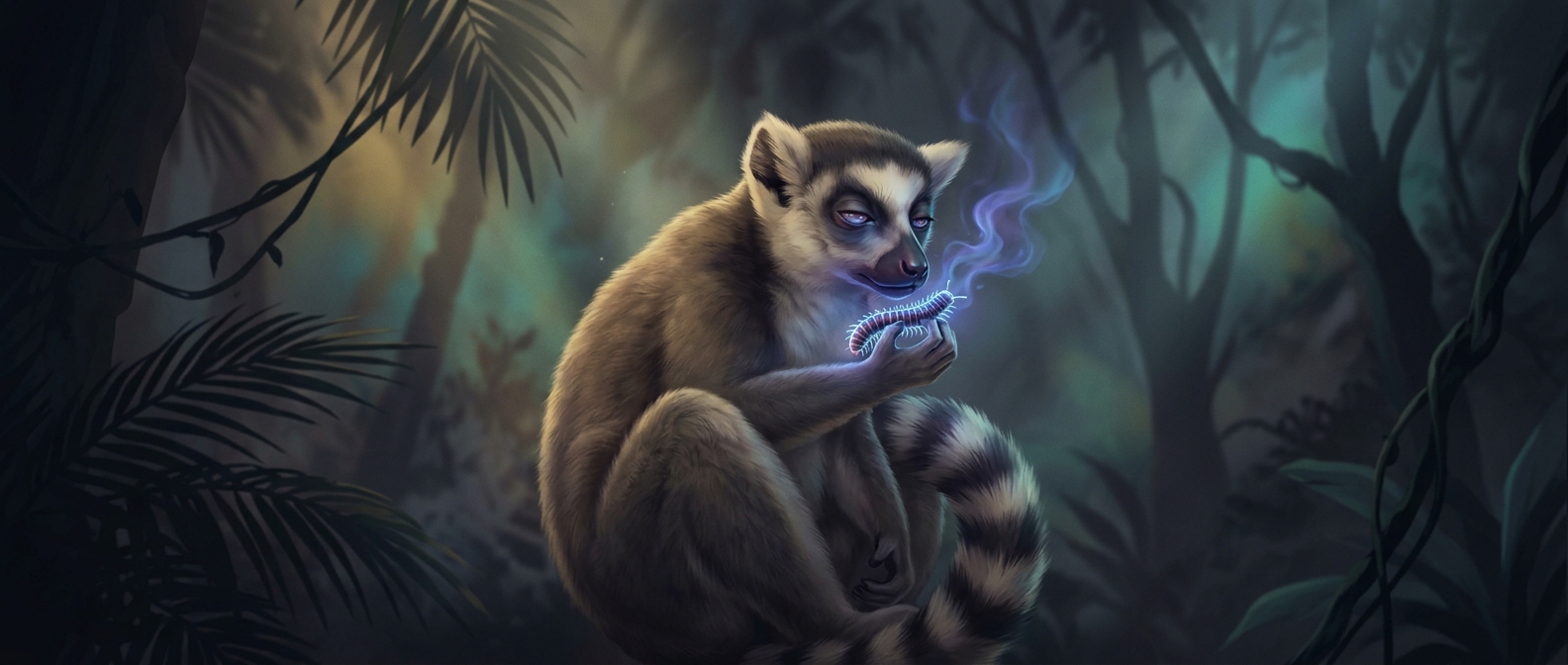
Why lemurs rub toxic millipedes on their fur
When a lemur bites or rubs a millipede, the startled bug releases chemicals to fend off attackers. The lemur smears that secretion on its fur, where it may…
Discover more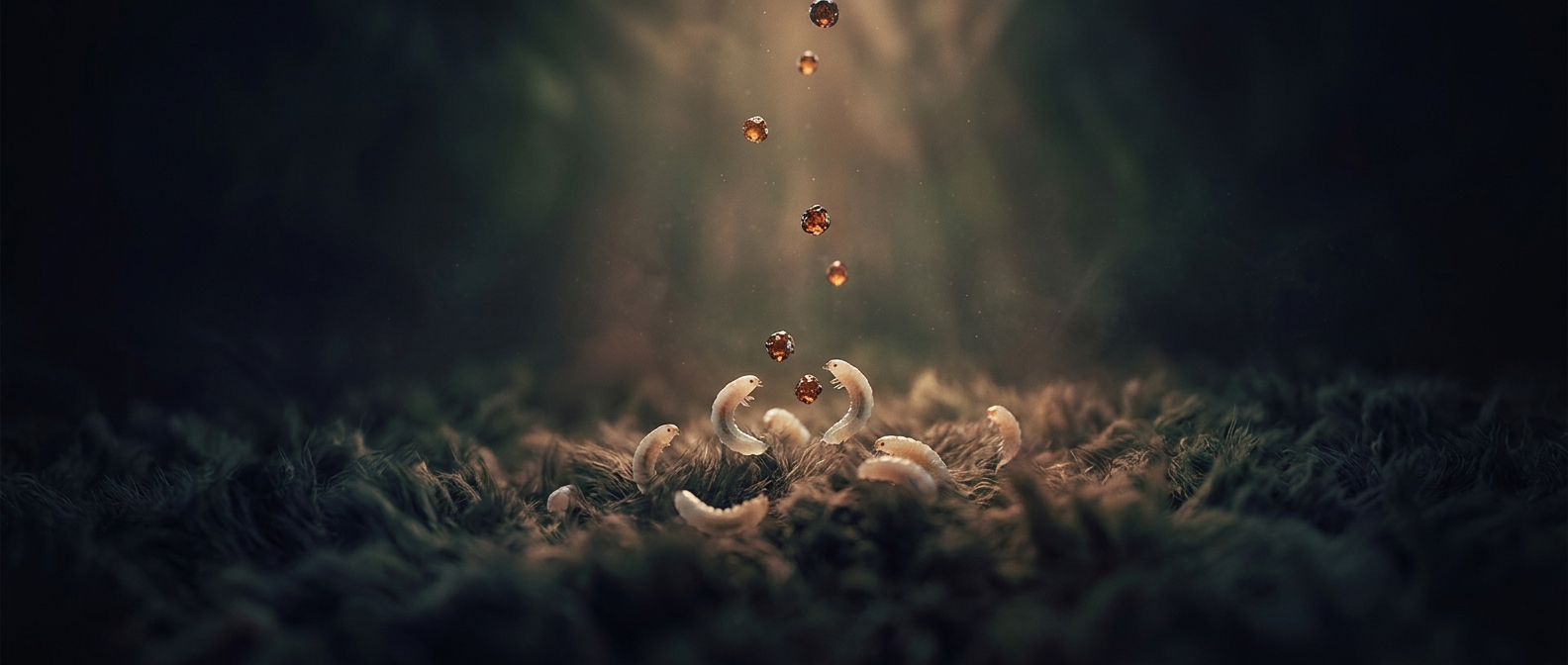
Flea babies grow up on dried blood
The dark specks are adult flea droppings, made largely from digested blood. Newly hatched larvae feed on those pellets tucked into carpet fibers, so adult…
Discover more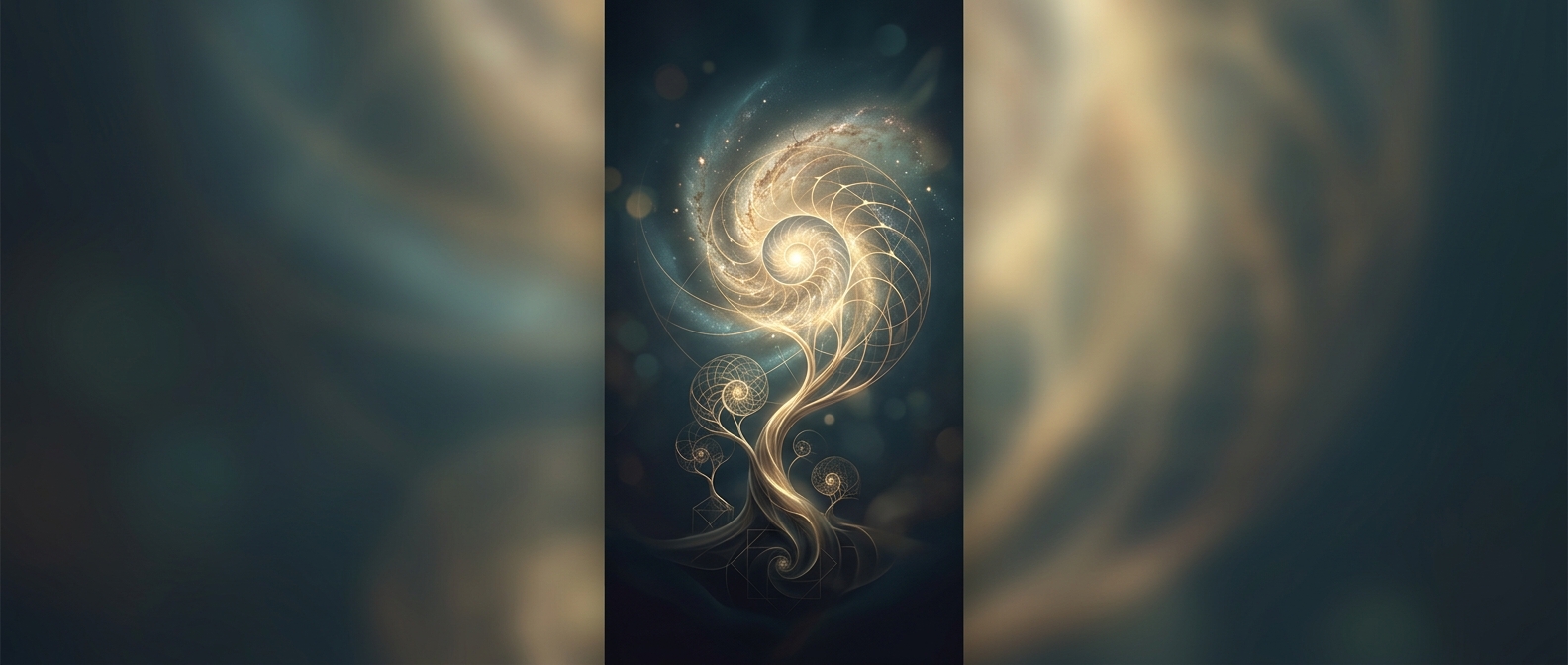
Fibonacci sequence appears in simple recursive formulas
Fibonacci numbers show up in some leaf and seed spirals, but plants aren’t calculating a secret sequence. As new parts grow, certain angles can help them fit…
Discover more
Mars is covered in the same rust as old bicycles
Mars looks rusty because iron-rich dust on its surface has reacted with oxygen—the same basic chemistry that rusts iron on Earth. Winds spread the fine grains…
Discover more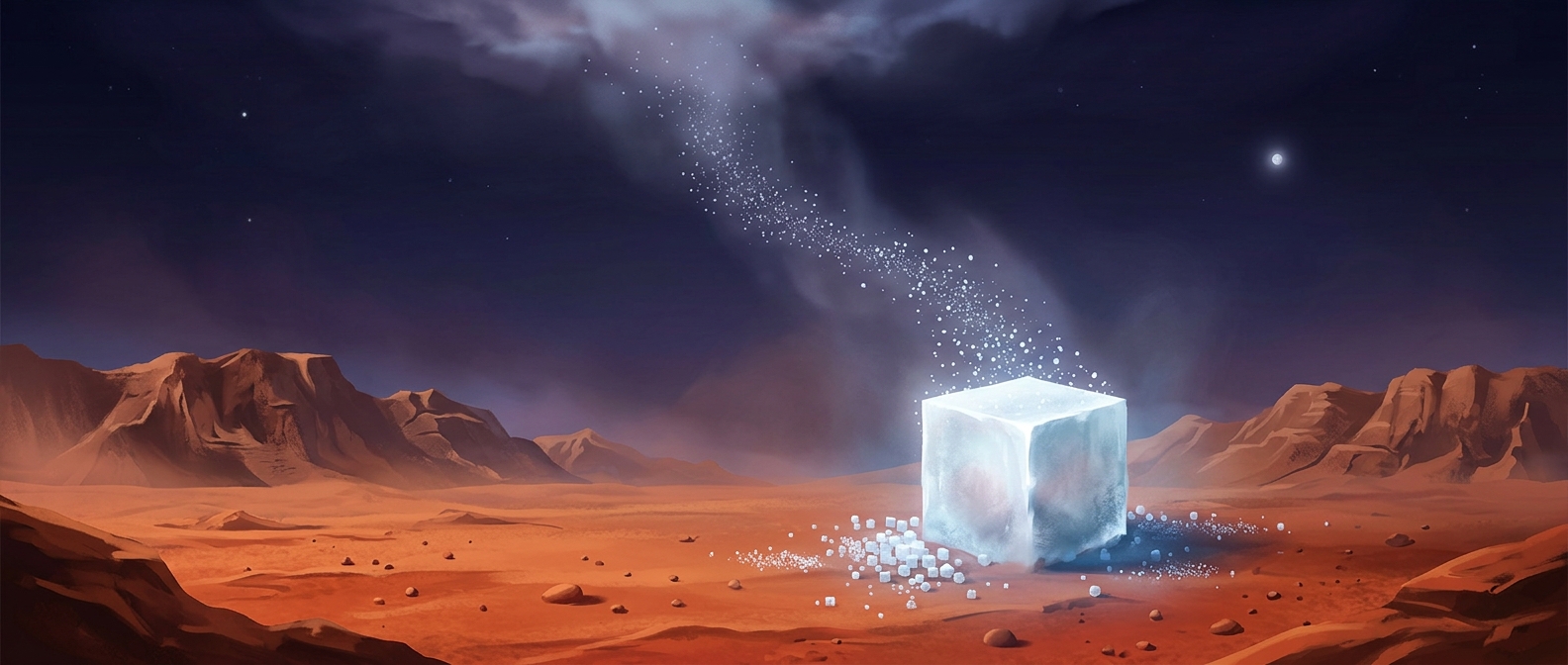
Mars can get snowfall made from carbon dioxide
NASA's Mars Reconnaissance Orbiter detected carbon-dioxide ice clouds and evidence of snowfall near the south pole. It is dry ice, a different material from…
Discover more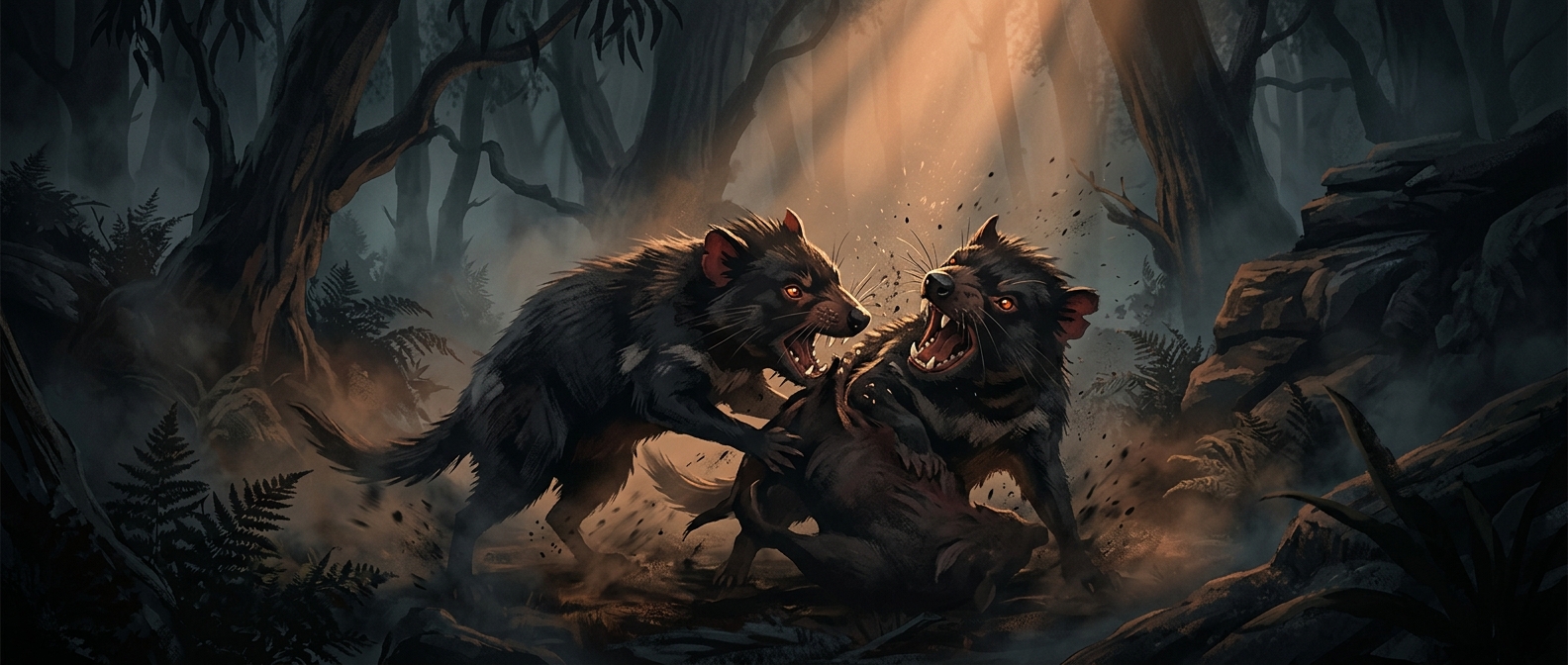
Why Tasmanian devils bite each other at dinner
At a carcass, a Tasmanian devil’s bickering and face-biting help decide who gets to eat. The animals use noisy scuffles to signal rank: those able to shove…
Discover more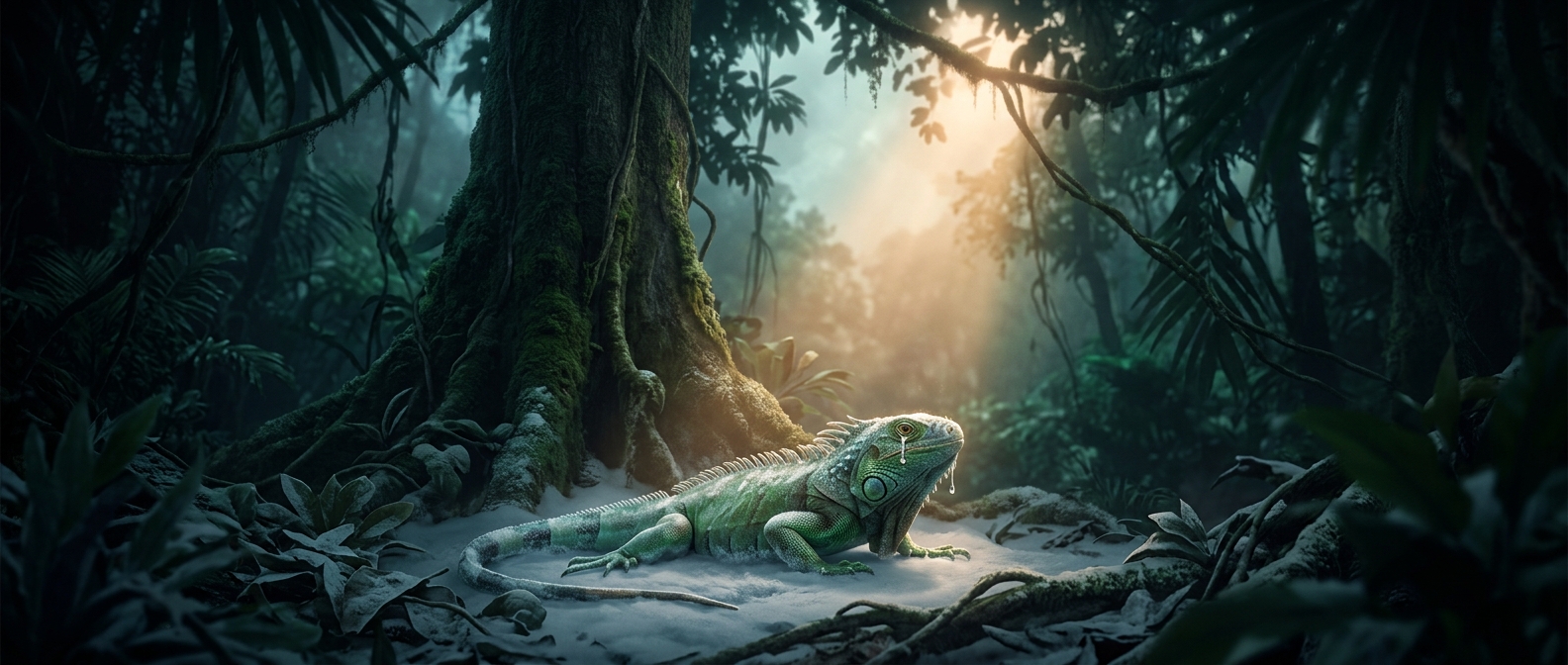
Why frozen iguanas fall from Florida trees
An iguana’s muscles need warmth to grip a branch. When Florida temperatures drop below about 40°F, those muscles slow down, its hold weakens, and gravity gets…
Discover more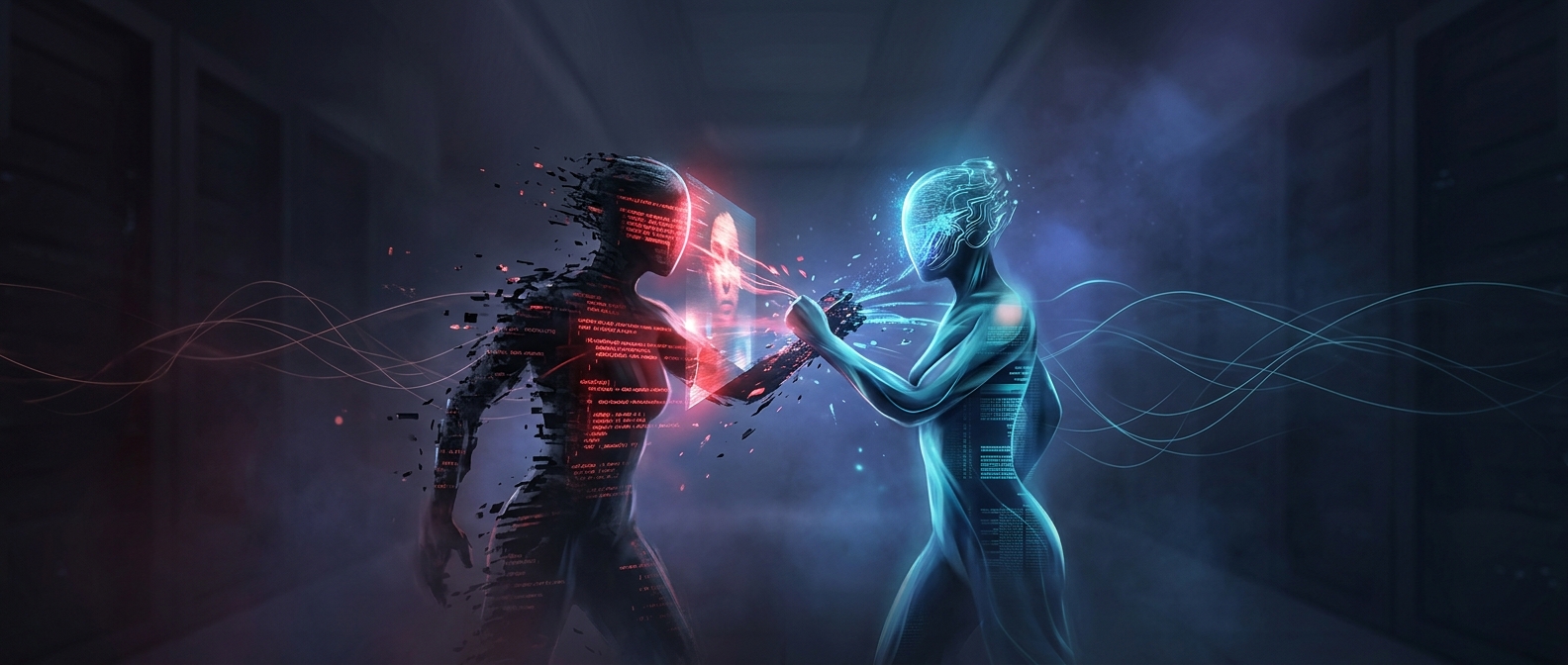
One way to train an image generator is to give it a rival
In a generative adversarial network, a generator creates samples while a discriminator learns to distinguish generated examples from real ones. Their…
Discover more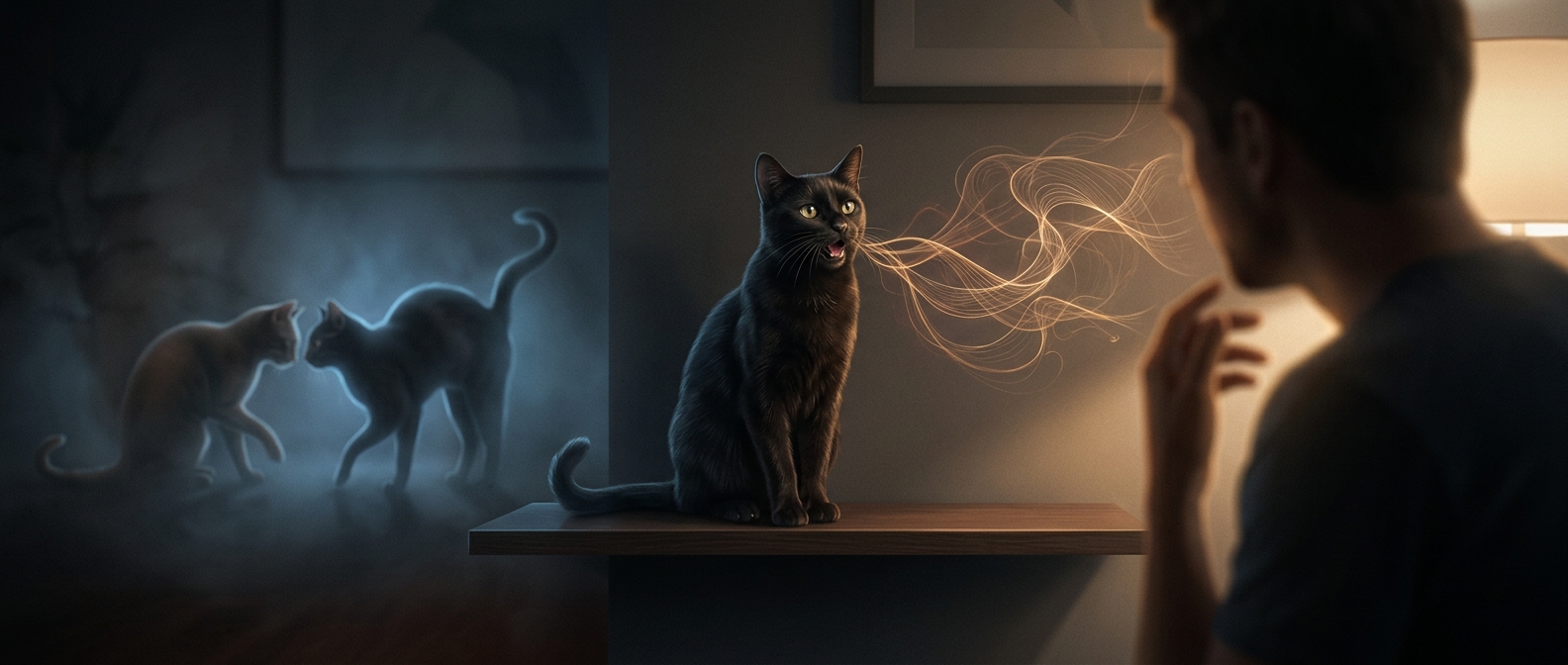
Your cat’s meow is very good at summoning a human
A kitten’s meow gets its mother’s attention, and adult cats can use that same kind of call to get a response from people. Many cats rely more on scent and…
Discover more
The southern lights mirror the northern ones
Both auroras begin when particles from the Sun collide with gases high above Earth, making those gases glow. Earth’s magnetic field guides many of the…
Discover more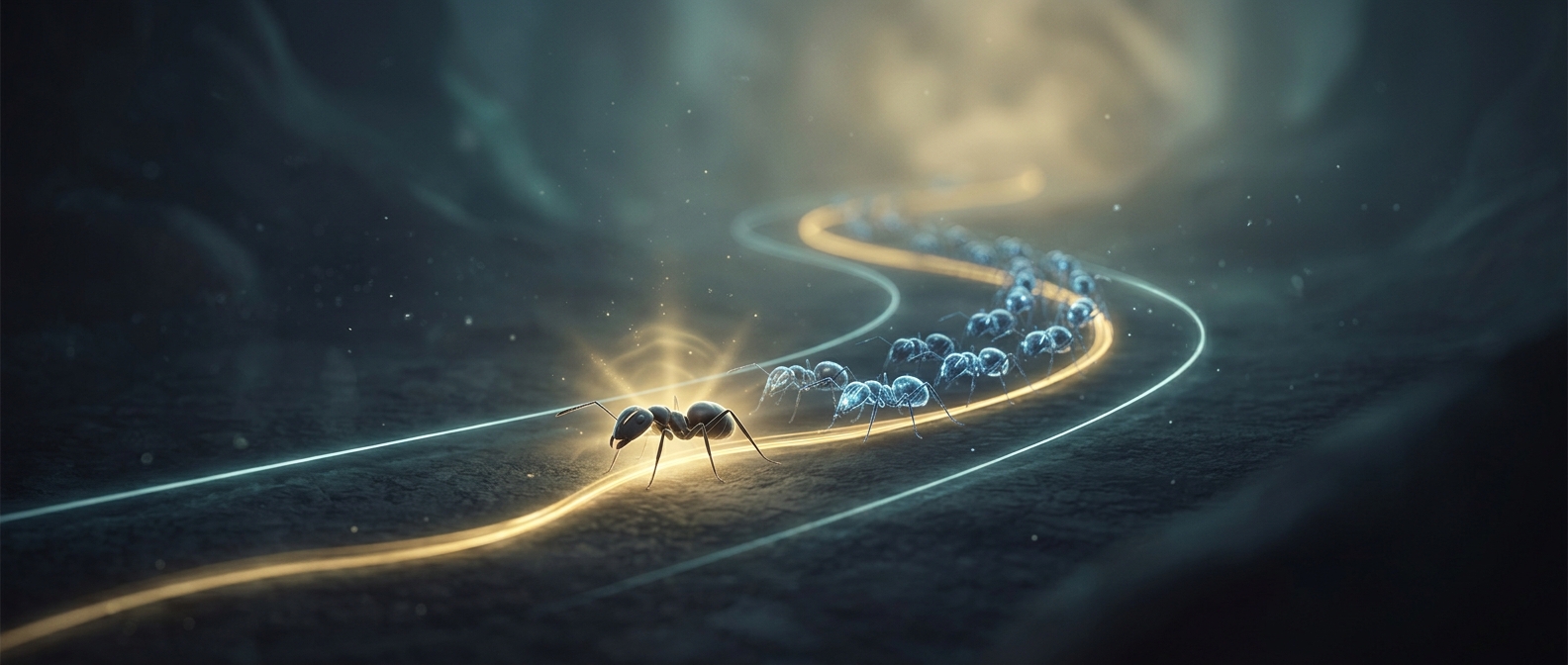
Foraging ants leave a chemical trail of pheromones to guide their colony directly toward newly discovered food
An ant that finds food lays down a scent trail on the way back. Other ants follow it and add more scent, strengthening the route; when the food is gone,…
Discover more
Command line interfaces remain popular for raw speed
A command line shines when a task involves the same sequence of actions again and again. Put those actions into a script, and one command can repeat them all.…
Discover more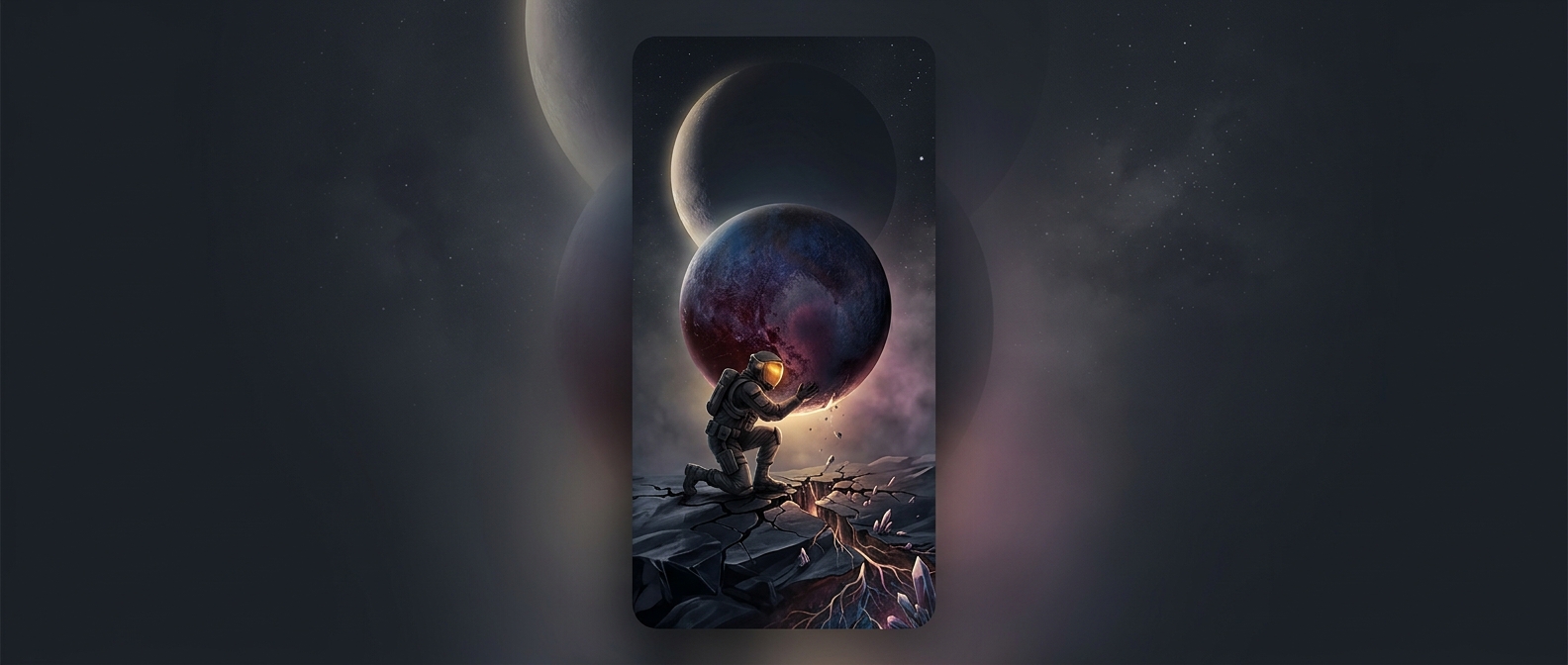
Pluto insists on destroying your life for growth
In astrology, Pluto represents upheaval and renewal; it isn't scientifically known to cause events in anyone's life. The symbolism is that when an old…
Discover more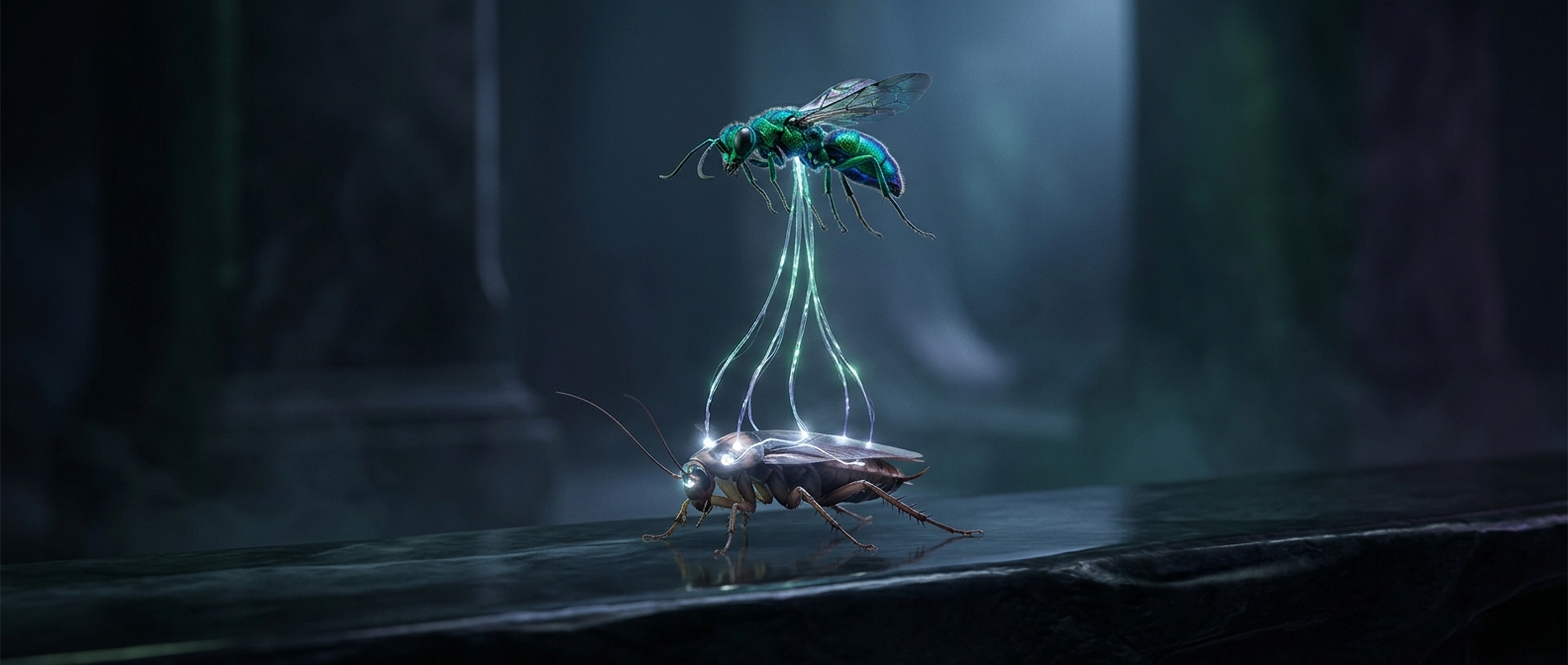
The wasp that turns cockroaches into zombies
The wasp’s sting changes the cockroach’s urge to escape, even though the roach can still walk. That lets the wasp lead it by an antenna to a lair, where the…
Discover more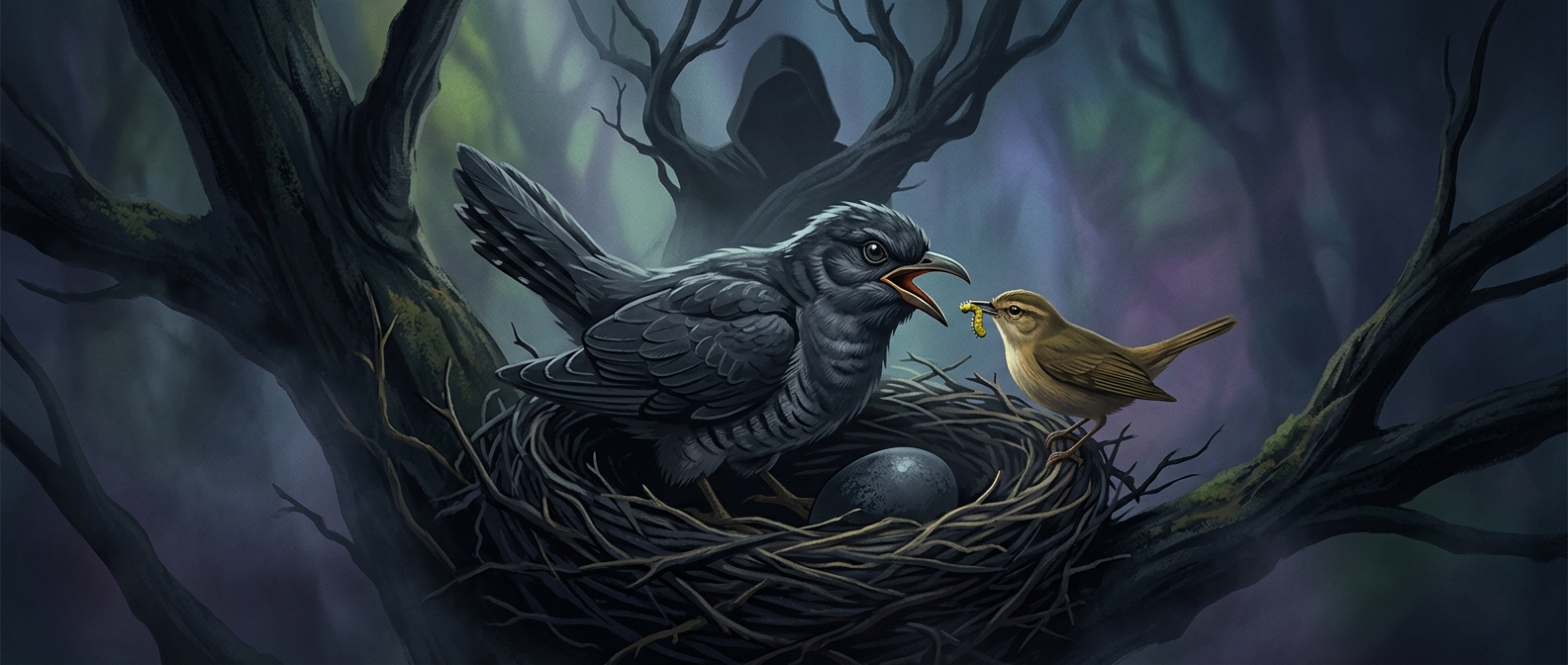
A cuckoo chick can evict its foster siblings
In species such as the common cuckoo, the newly hatched chick pushes eggs or nestlings over the nest's edge. That leaves the host parents feeding an intruder…
Discover more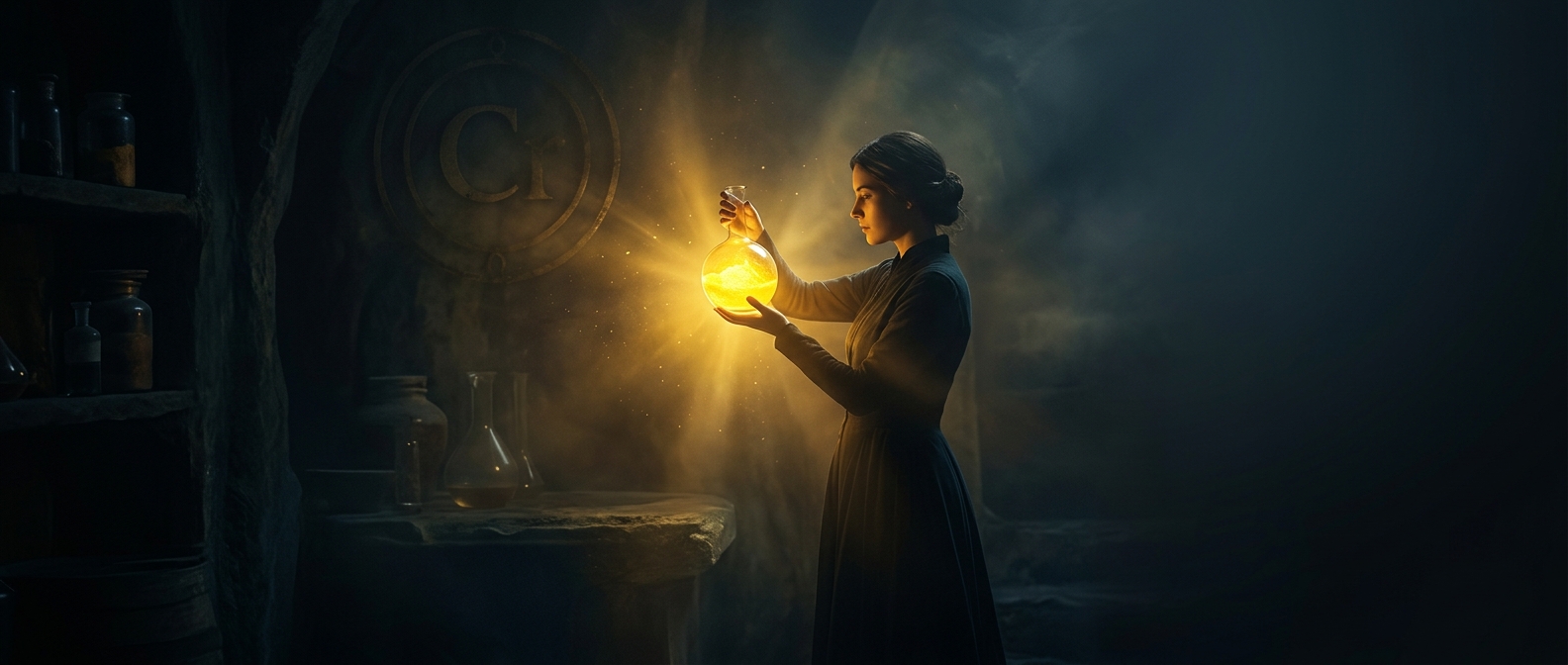
Why artists used toxic cadmium yellow
Cadmium sulfide gave artists a vivid yellow that could last; related cadmium compounds made orange and red. But cadmium is toxic, so the same chemistry that…
Discover more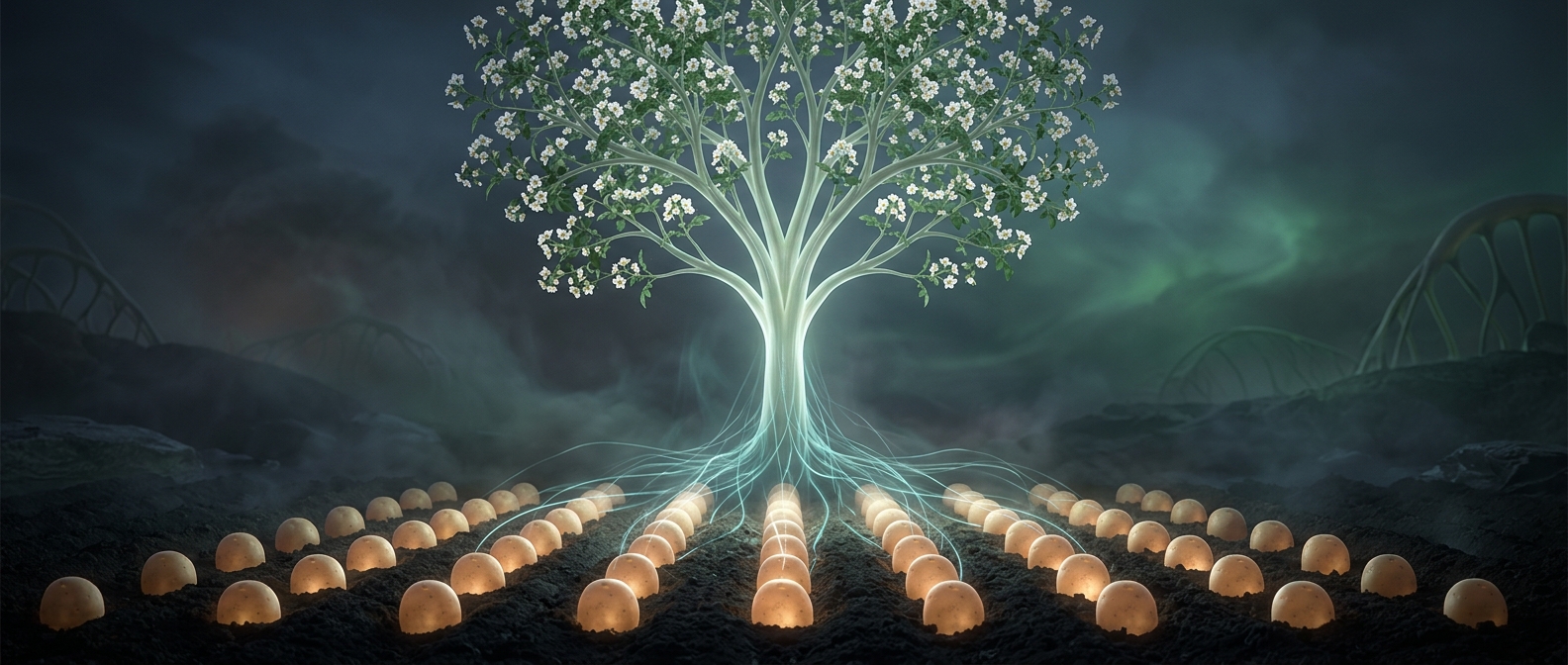
Most potatoes are genetic clones
A potato grown from a piece of another potato is nearly a genetic copy of its parent. The piece sprouts into a new plant without mixing genes from two…
Discover more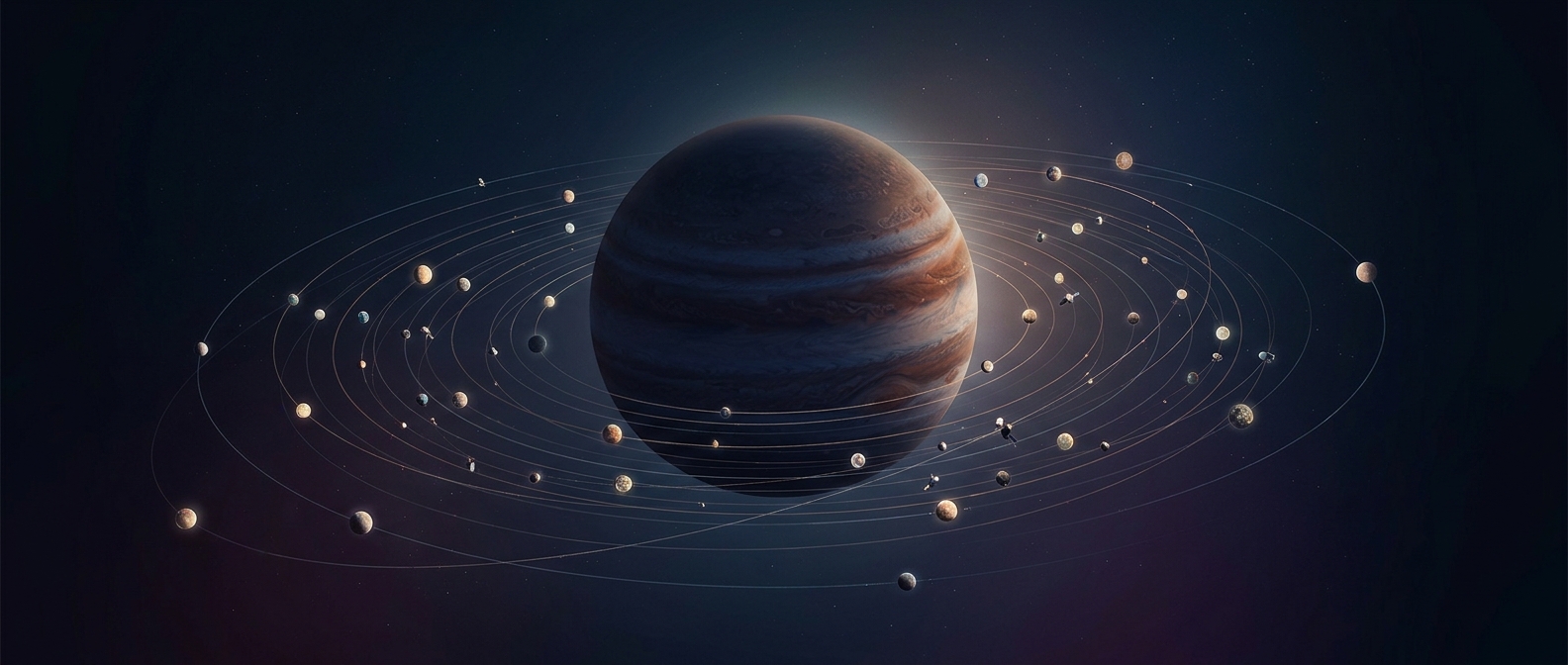
Jupiter has a moon larger than the planet Mercury
Ganymede is big enough to exceed Mercury in diameter, yet it remains a moon because it orbits Jupiter. Size alone does not decide whether an object is a…
Discover more