Why Earth has two auroral skies
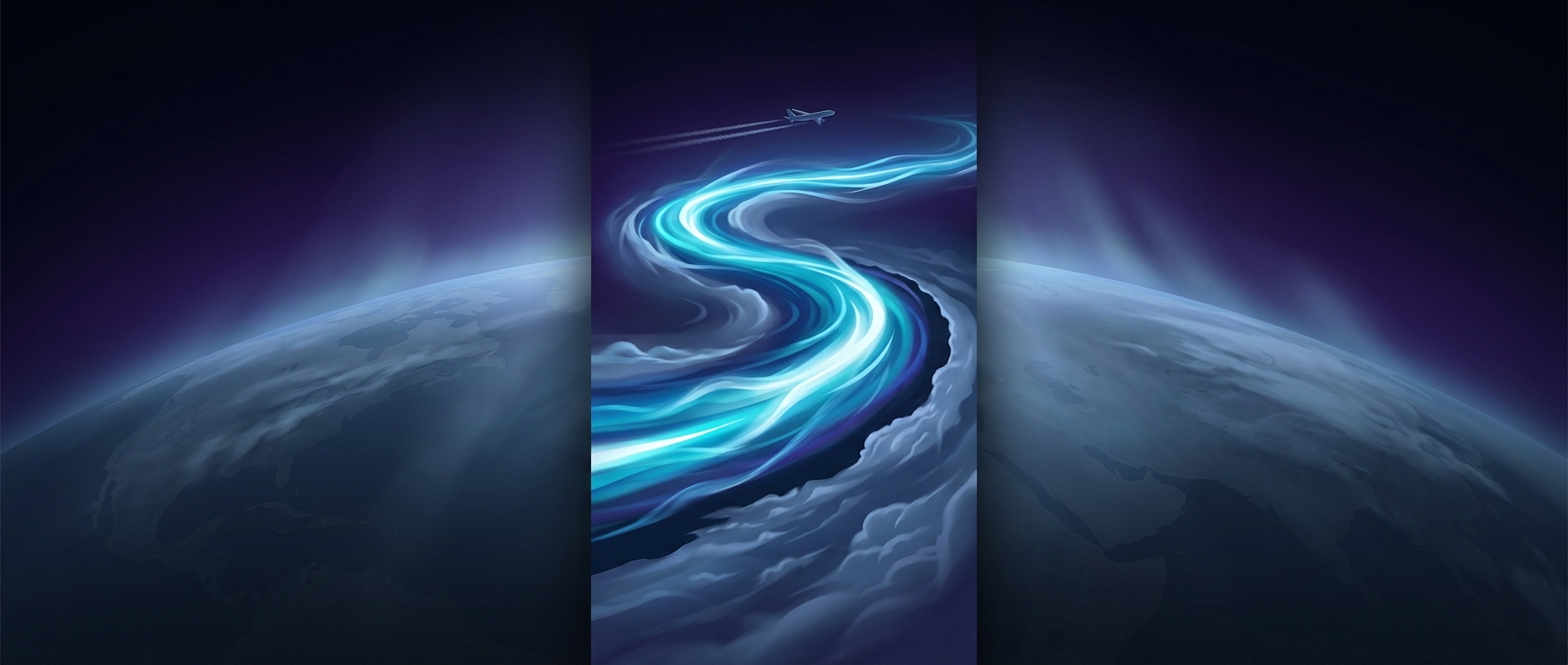
The northern and southern lights are paired effects of the same space-weather process. The Sun releases a stream of charged particles, and eruptions can send especially large bursts toward Earth. When those particles reach our planet, Earth’s magnetic field bends many of them toward regions around the magnetic poles.
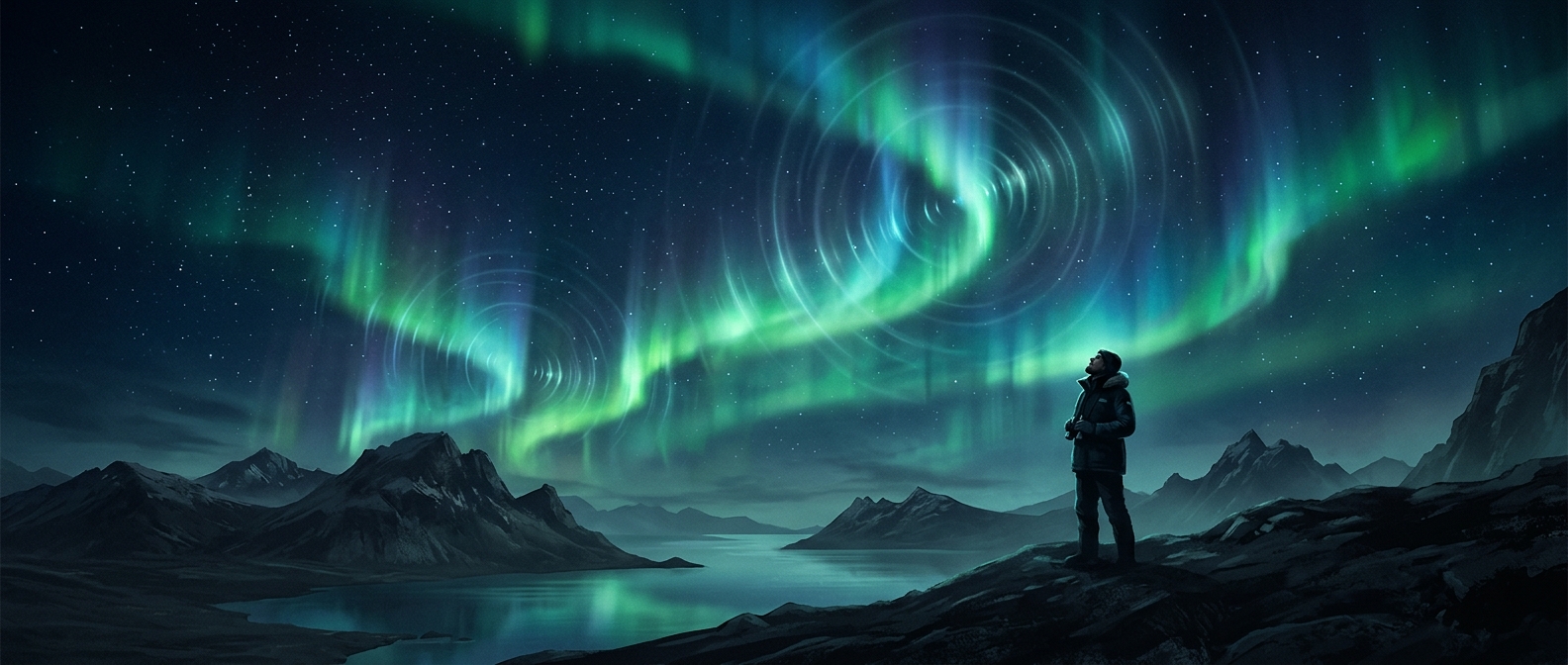
There, particles funnel down into the upper atmosphere and collide with oxygen and nitrogen. The collisions transfer energy to the gas; as the gas releases that energy, it emits light. The colors depend partly on which gas is hit and how high the collision occurs. In this way, the magnetic field helps shape where auroras appear, while the atmosphere supplies their glow.
A magnetic connection, not a synchronized show
Earth’s magnetic field forms a linked structure around the planet, so disturbances can produce auroras in both polar regions. But the two displays need not match moment by moment. Magnetic conditions and the flow of particles can vary across the field, and local conditions in each hemisphere influence where and when the light becomes visible.
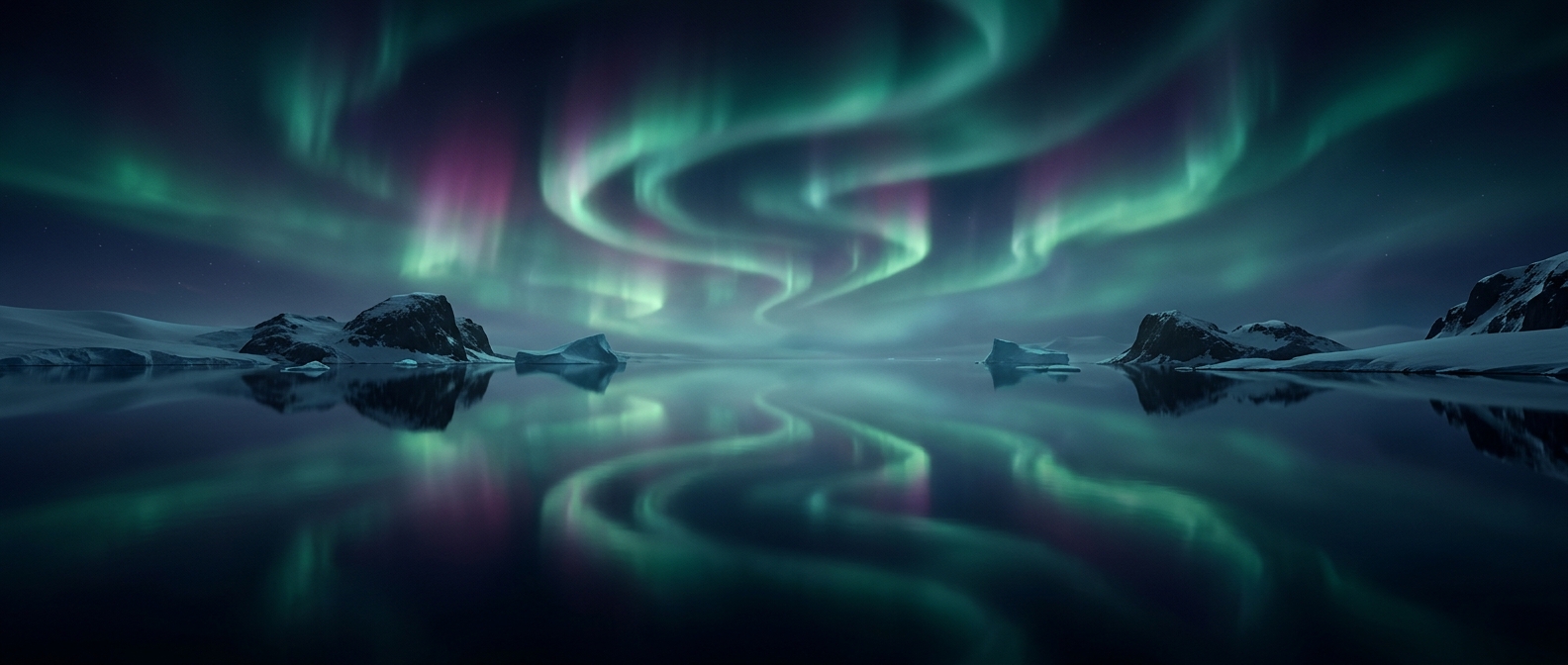
That means a bright arc in the north does not guarantee an identical arc in the south. The southern lights—also called the aurora australis—are the counterpart of the aurora borealis, not a mirror that reproduces every movement. Their shared origin explains the resemblance; changing conditions explain the differences.