How a detector helps teach an image generator
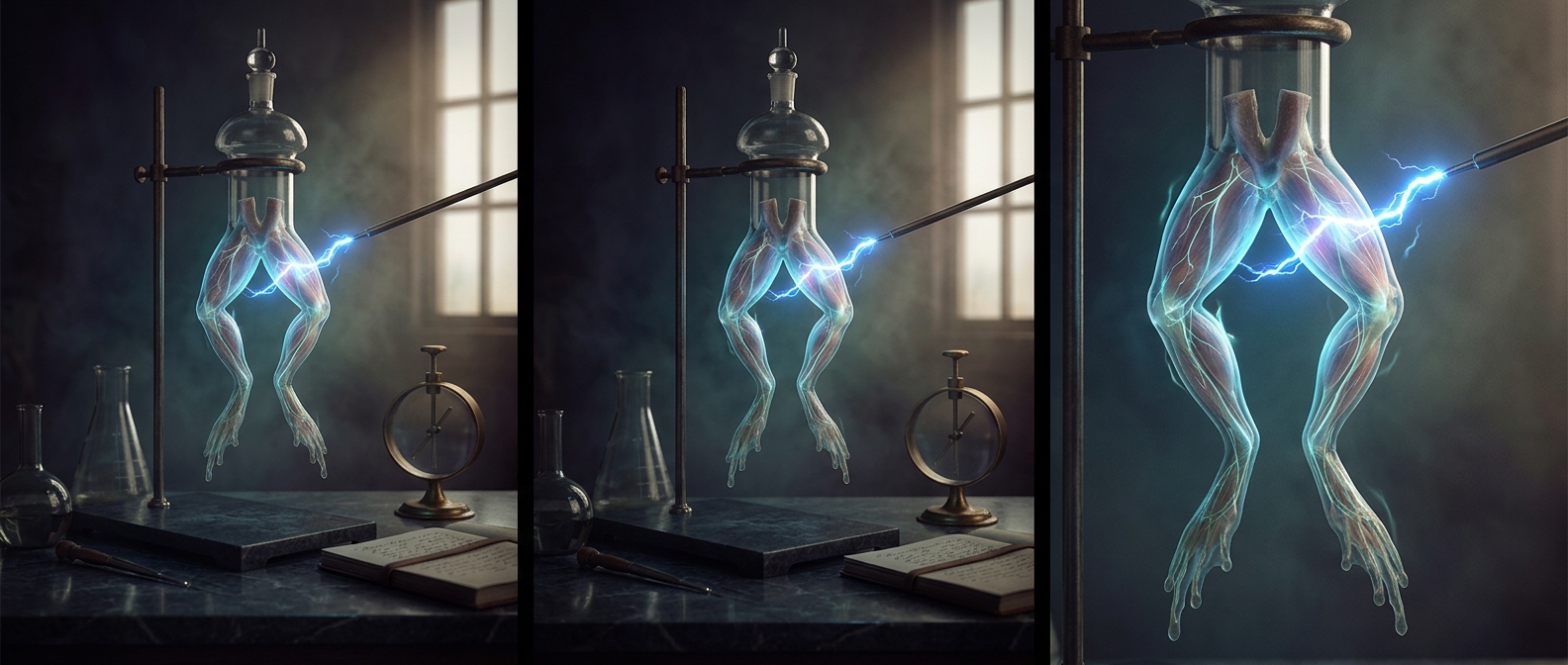
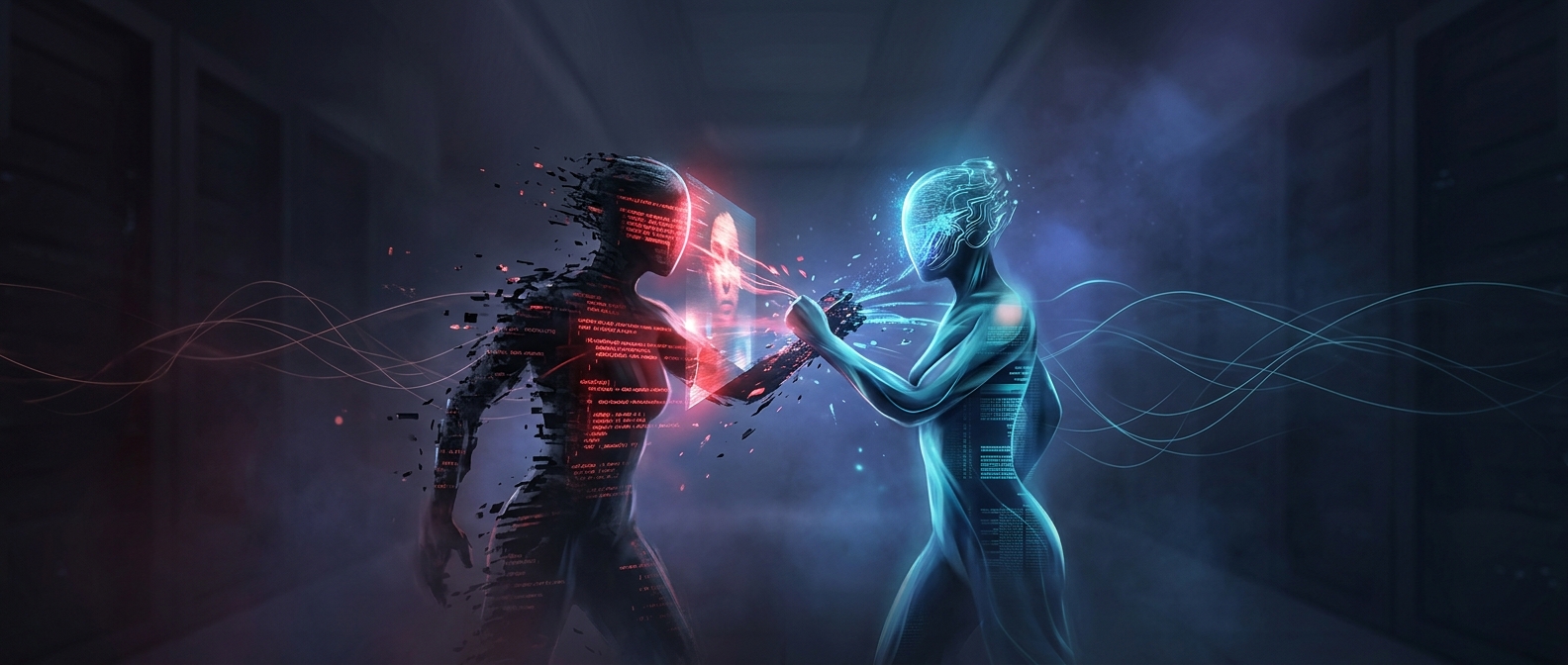
This setup is called a generative adversarial network, or GAN. It pairs two neural networks—computer systems trained to find patterns in data—with opposing jobs. The generator makes an image; the discriminator judges whether it looks like an example from the real images it was trained on or a fake made by its partner.
At first, the generator’s attempts may be easy to spot. The discriminator learns to catch their flaws, and its feedback becomes a training signal: the generator adjusts its internal settings to make images that are harder to reject. The discriminator, in turn, keeps improving as the fakes change.
Why the competition improves the fakes
The generator is not simply copying a particular photograph. During training, it learns patterns in many examples—such as how textures, shapes, and lighting tend to fit together—and uses those patterns to produce new images. The discriminator supplies pressure in a useful direction: make the result resemble the real examples closely enough to fool the test.
The contest works because each network’s progress creates a tougher task for the other. A detector that catches obvious errors forces the image-maker to move beyond them. In this sense, the judge’s “not good enough” is not a final verdict; it is part of the mechanism that teaches the generator what realism requires.
A training trick, not a guarantee of truth
A GAN can produce convincing images, but “convincing” means that an image fits learned visual patterns—not that it documents a real event or person. The same adversarial idea can also be used to train detectors by exposing them to increasingly sophisticated fakes. The practical consequence is a moving target: as generated images improve, reliable detection may require systems that keep learning too.