How adult fleas stock a hidden nursery
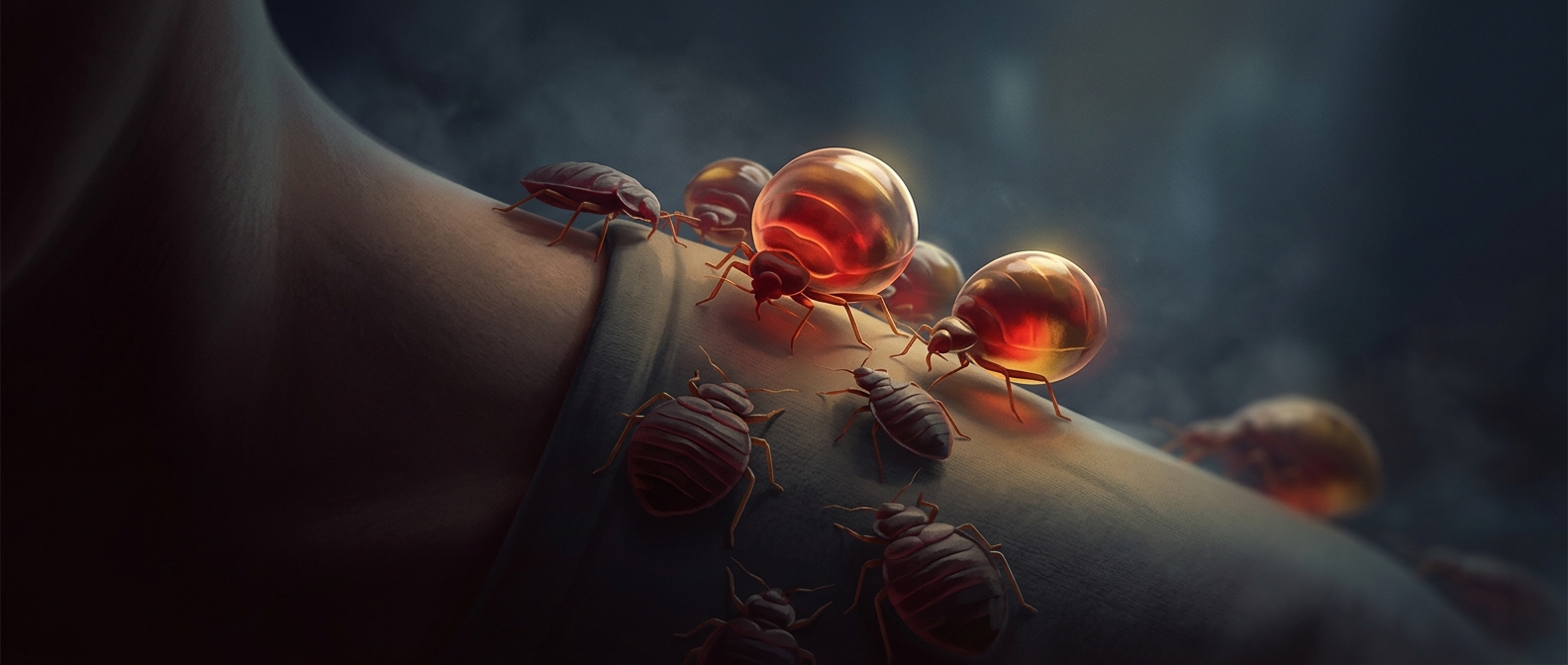
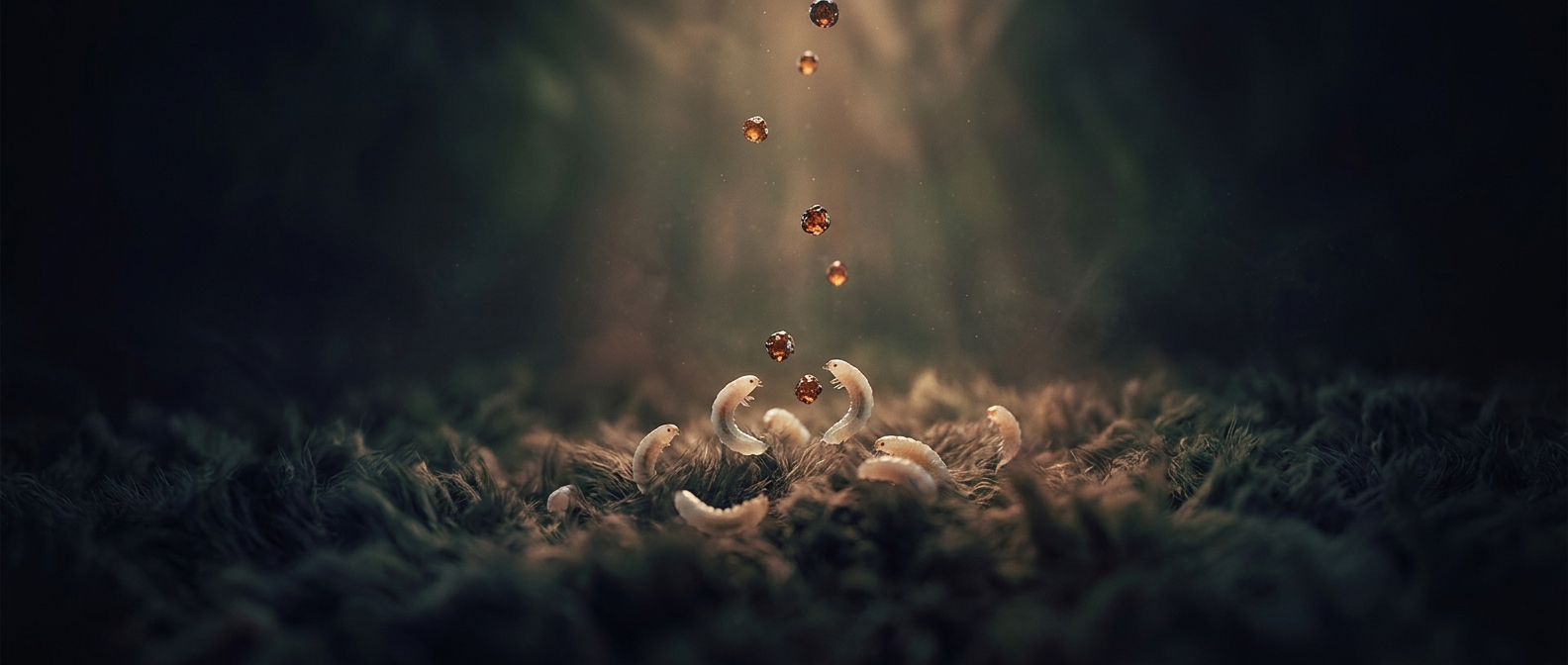
A flea larva hatches not on its host but in the host’s surroundings—often in bedding, carpet, or a resting spot. There, it encounters adult flea droppings, commonly called flea dirt. These dark grains are largely digested blood, expelled by feeding adult fleas and shed wherever they spend time.
The pellets matter because a newly hatched larva cannot simply bite the animal nearby. It has a small, soft body and feeds on material within its immediate environment. Flea dirt supplies a concentrated meal, letting the larva grow while it remains hidden among fibers and debris.
A life cycle built around the host’s habits
Adult fleas feed on an animal, then leave eggs and droppings in places the animal visits. Eggs fall off into the environment; larvae hatch there and feed on flea dirt and other organic matter. After developing, a larva forms a protective cocoon and eventually emerges as an adult flea, ready to seek a host.
This arrangement links the generations without any parental care: the adult’s blood meal becomes food for offspring it will never meet. It also explains why fleas can persist in a home even when few are visible on a pet. Much of the developing population is tucked away in the animal’s usual resting places, where the next generation can feed on the adults’ leftovers.