Selection followed the silk, not the moth
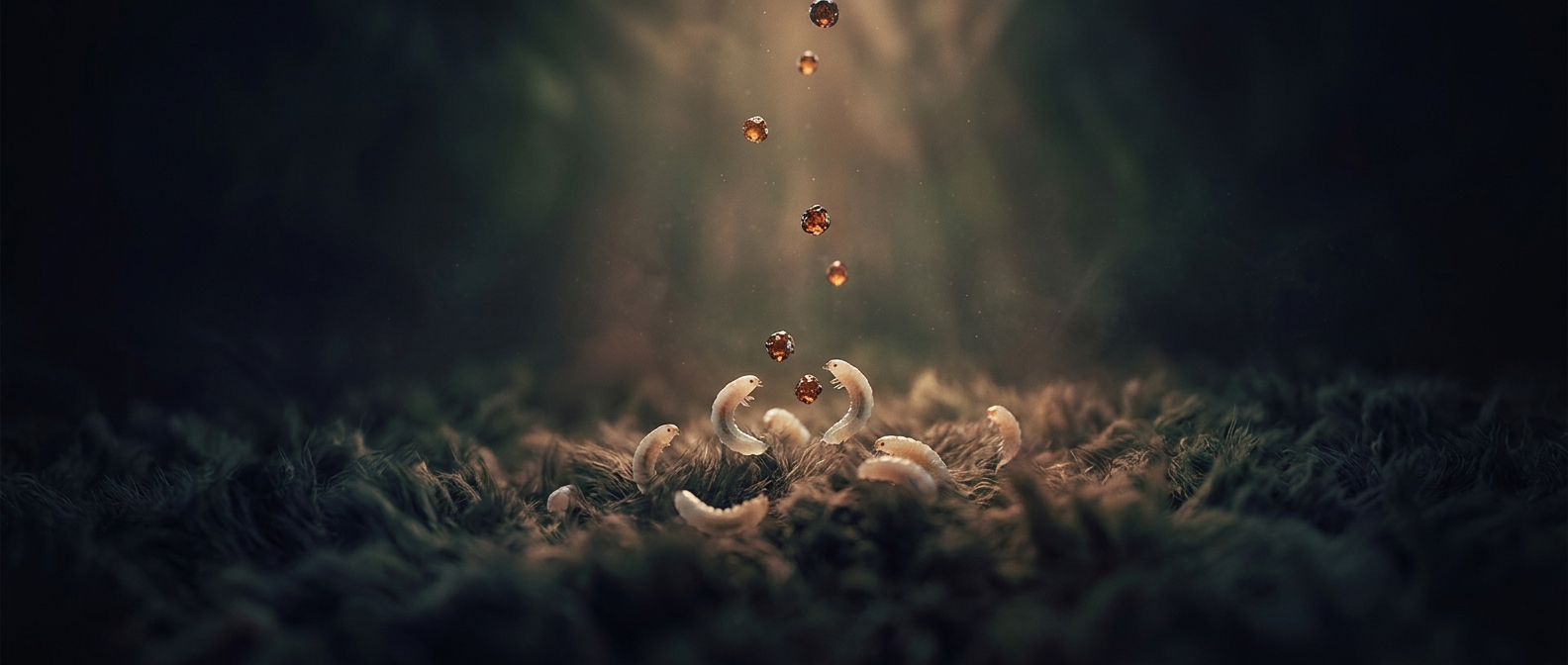
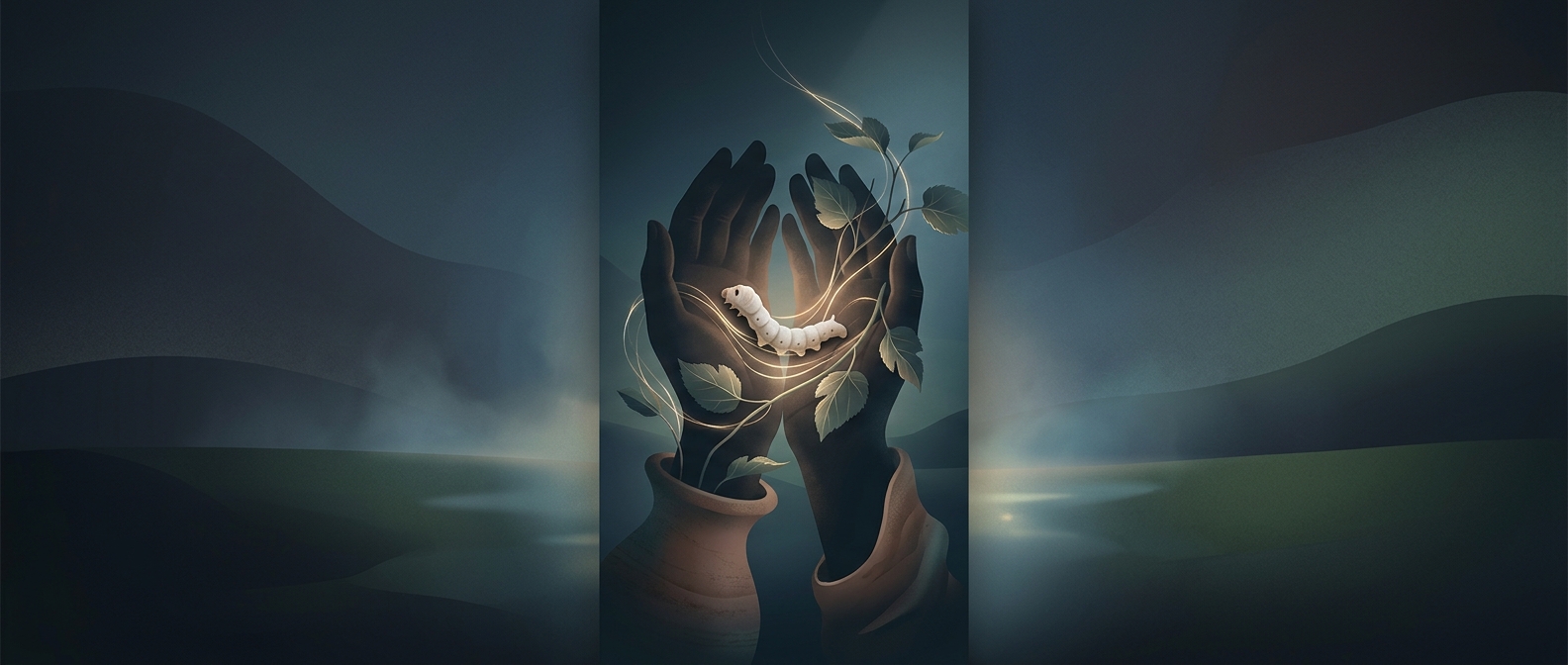
The domesticated silkworm moth, Bombyx mori, is the adult form of the caterpillar raised for silk. For generations, people kept caterpillars whose cocoons were useful to harvest. The cocoon is a continuous silk thread spun around the caterpillar as it transforms into a pupa; unwinding that thread produces raw silk.
That breeding process favored traits that made the caterpillar and its cocoon valuable in human care. Whether an adult moth could navigate a forest, escape a bird, or find a mate without help mattered far less. Over time, the moth became dependent on the sheltered conditions and handling of silkworm rearing.
The adult stage is a poor wilderness fit
A moth that emerges from a farmed cocoon is not well equipped for life outside it. Domesticated silkworm moths are weak fliers, and their adults are vulnerable to predators. In a managed breeding room, people can bring the moths together so they mate and lay eggs; outdoors, finding a mate and leaving offspring is much less dependable.
This does not mean the moth has lost every ability to reproduce. It means reproduction that is routinely supported by human care is a difficult bet in the wild. A trait can persist in a domesticated animal even when it offers little advantage outside the setting in which people raise it.
A successful crop, a dependent animal
Silkworm breeding shows how selective breeding can reshape an organism around one useful stage of its life. The caterpillar’s silk-making ability made the species valuable; adult independence was not the measure of success. The result is an animal whose life cycle works reliably in a rearing system—and poorly as a self-sustaining wild one.