How Sheep Became Wool Producers
Wild sheep generally shed much of their coats as the seasons change. Domestic sheep, however, have been bred over generations to grow fleece that stays on and can be shorn. That makes wool a renewable harvest—but also means many sheep cannot shed enough coat on their own to stay comfortable.
What an Unshorn Fleece Does
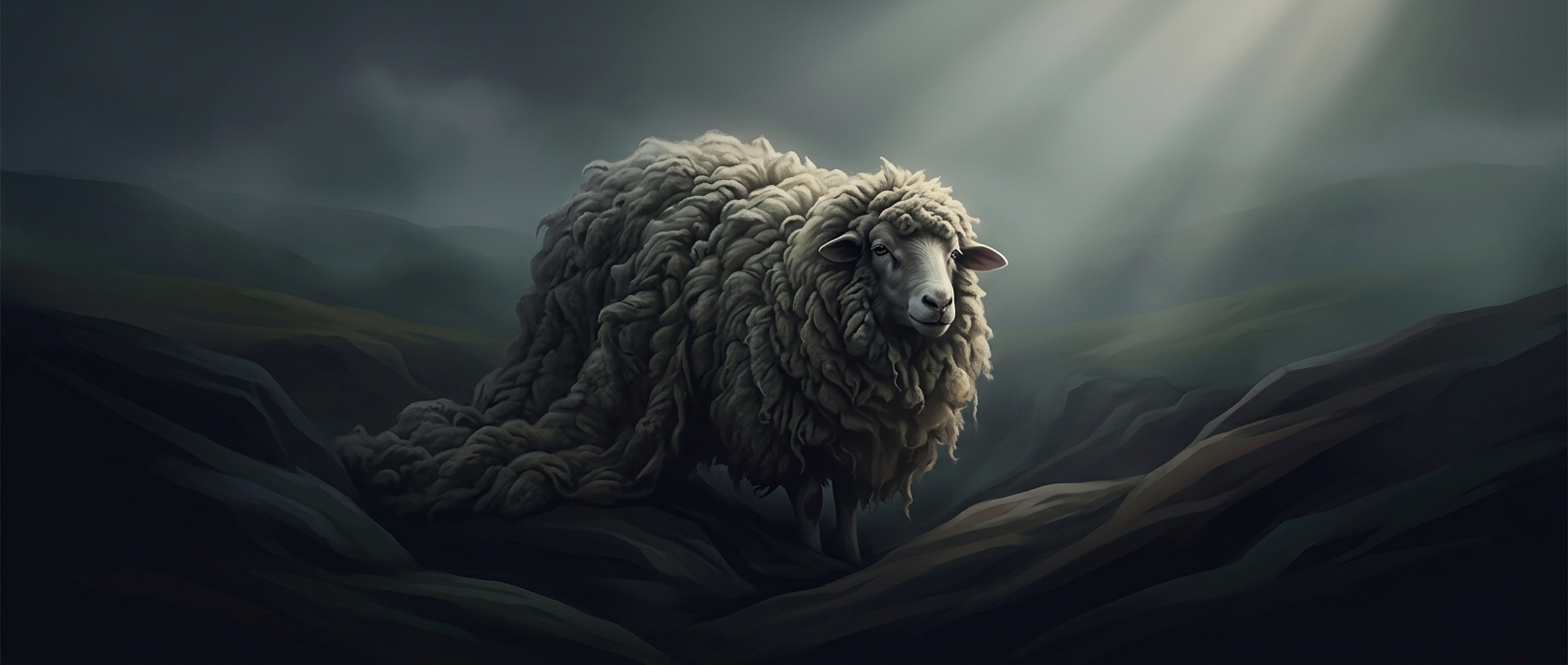
Wool keeps growing and accumulating, so an overdue fleece can become heavy and make it harder for a sheep to move freely. It can also hold heat, especially in warm weather. Dense, dirty or damp fleece can irritate the skin and create conditions where parasites or infection are more likely to become a problem.
Shearing removes that burden. It is usually done with care to avoid cutting the animal’s skin, and the timing matters: sheep need enough coat to stay protected from cold after a haircut, but not so much that the fleece becomes a hazard.
A Consequence of Selective Breeding
The need for regular shearing is an unintended cost of selecting sheep for abundant, persistent wool. In effect, people changed the coat faster than the animal’s natural shedding ability could keep up. The same fleece that makes wool useful therefore requires ongoing husbandry: without routine shearing, a sheep may carry a growing coat that its wild ancestors would have shed.