Science
Discover facts about science. Small discoveries that change the way you see familiar things.
Science

Stalactites strictly grow downward from cave ceilings
People mix them up constantly, but stalactites are the pointy things hanging from the roof. They form over tens of thousands of years as water drips through…
Discover more
Some snake venom digests tissue from the inside
Forget elegant poisons; this venom is simply brute-force chemical warfare. When injected, the incredibly aggressive enzymes start immediately digesting your…
Discover more
You can cut sodium with a butter knife—but never add water
When you picture metal, you imagine something tough enough to forge a sword, but sodium is bizarrely pathetic in its structural integrity. You can easily…
Discover more
The endangered parrot that smells like a damp attic
Being critically endangered makes sense when you are a flightless, overly friendly bird that smells like a damp attic. The native New Zealand kakapo produces…
Discover more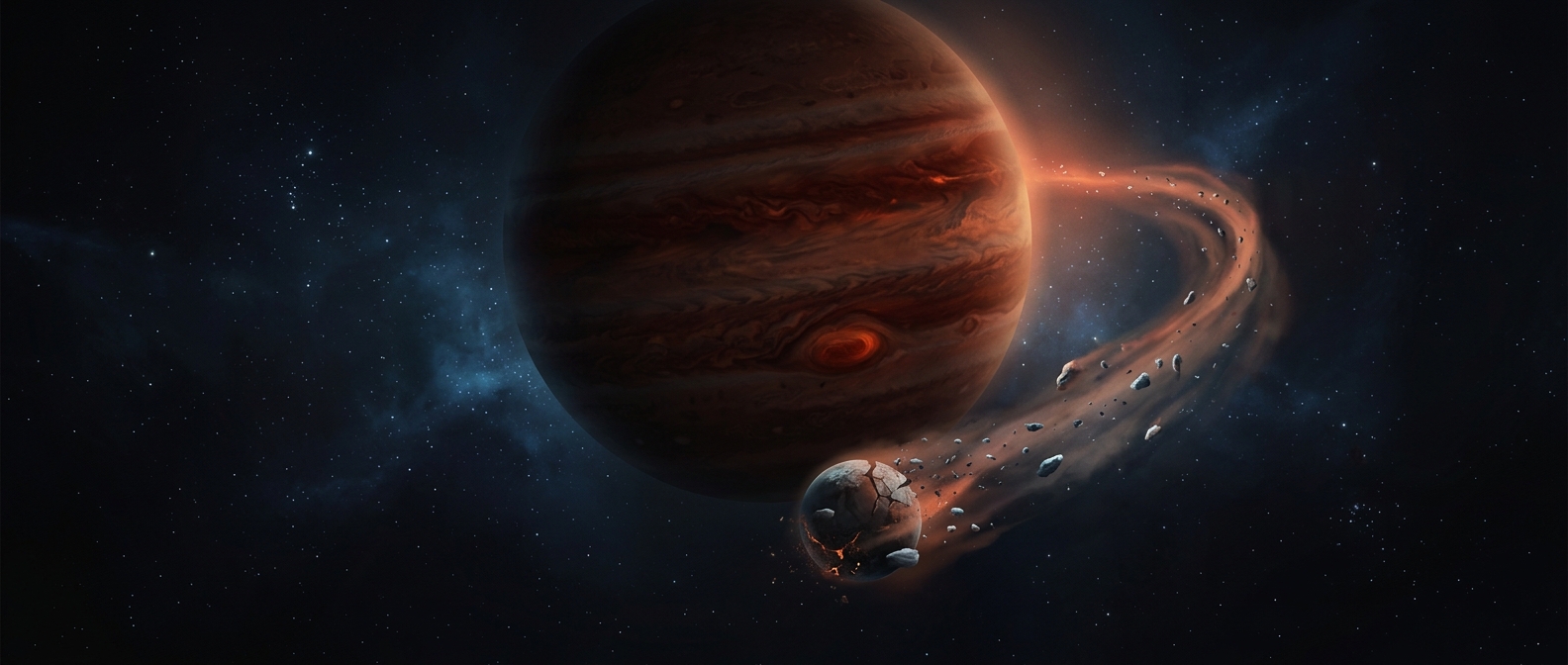
Jupiter almost became a star
Jupiter is basically the solar system's lazy older sibling that never quite lived up to its potential. It is made mostly of hydrogen and helium, the exact…
Discover more
At speed, a bicycle can balance without a rider
Your bike never actually needed you to stay upright. Once pushed past a certain speed, the geometry of the steering axis and the gyroscopic effect of the…
Discover more STACKY FOR IPHONE
A bigger world.
One discovery
at a time.
Keep discovering with Stacky. Interesting facts in an app that is always within reach.
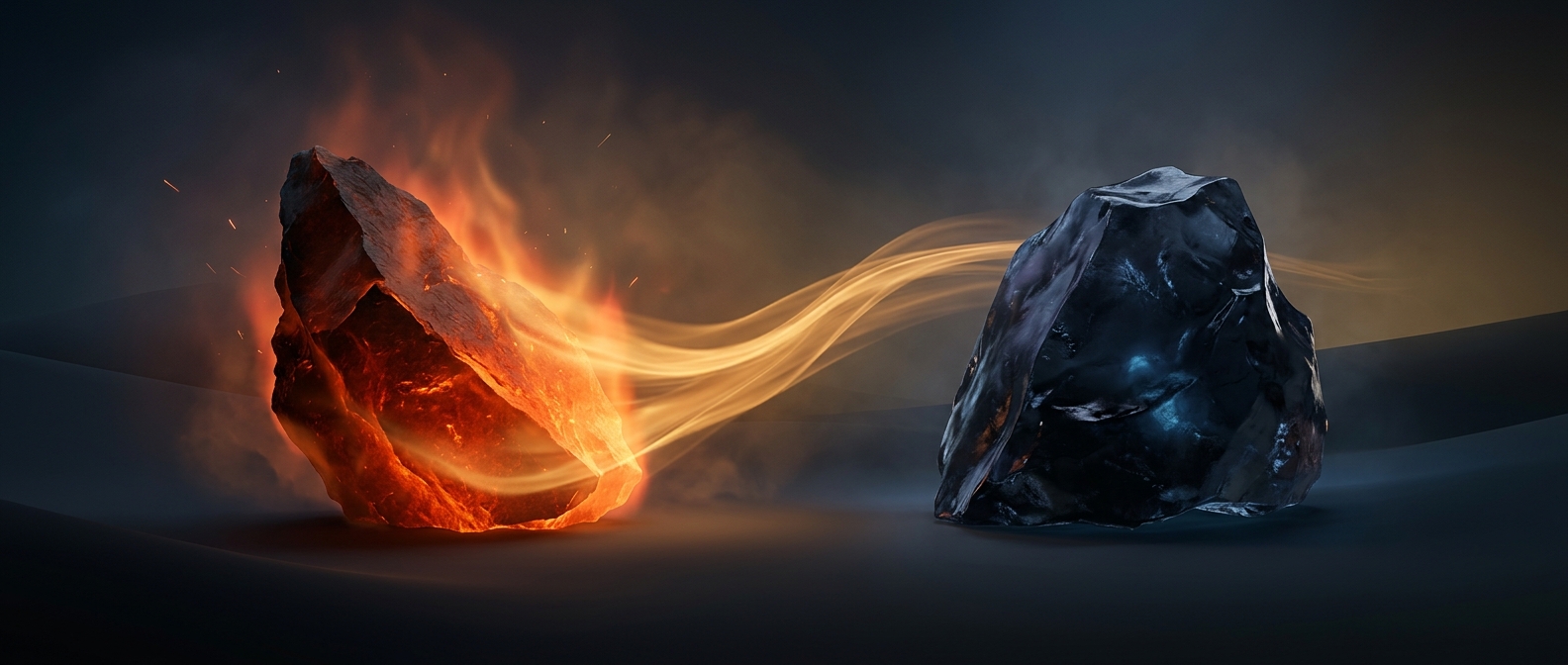
Specific heat capacity determines warming speeds
Not all substances react to heat equally. Some materials are thermodynamic sponges, demanding immense amounts of energy to raise their temperature slightly,…
Discover more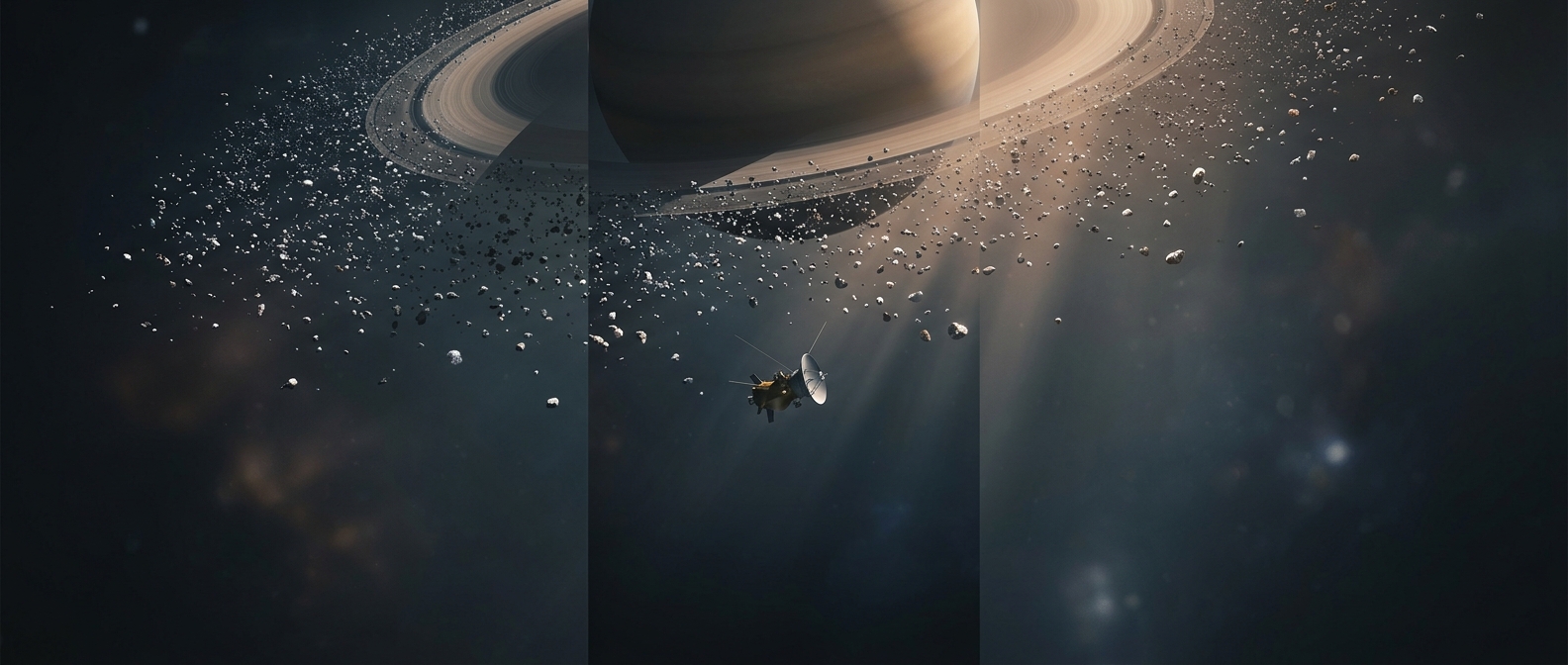
Cassini discovered Saturn's rings weren't solid
Early astronomers stubbornly thought the ring around Saturn was one completely solid, unyielding disk of material. Giovanni Cassini noticed distinct dark gaps…
Discover more
Condensation inherently releases stored thermal energy
Turning gas back into liquid is surprisingly warm work. The phase change forces chaotic molecules to calm down and bond, forcibly expelling all the pent-up…
Discover more
How tiny changes can derail complex systems
In highly complex systems, you cannot make a microscopic change without completely derailing the future. Altering a tiny initial condition by a millionth of a…
Discover more
Why flames become blue spheres without gravity
Gravity is the only reason flames point upward. Strip away the ambient pulling force, and heated gas no longer naturally rises, resulting in bizarre,…
Discover more
The rat poison once used as a murder weapon
Thallium used to be widely available as rat poison, which predictably led to an overwhelming spike in heavily suspicious domestic inheritances. It is utterly…
Discover more
Could a moon have its own moon
Nature loves a good matryoshka doll, and celestial bodies are no exception. Astronomers have calculated that large enough moons can theoretically host their…
Discover more
The auction where losing can cost more than winning
The Dollar Auction is a horrific game theory trap. An auctioneer offers a one-dollar bill to the highest bidder, but the second-highest bidder must also pay…
Discover more
Why AI inherits human biases
We tried to make impartial machines and accidentally built prejudiced algorithms. Because models are trained on vast amounts of uncurated human-generated…
Discover more
Titan has lakes made of liquid methane
Nature decided that water was boring, so it gave this freezing satellite an entire liquid cycle based entirely on flammable hydrocarbons. Instead of rain,…
Discover more
Rutherford found the atomic nucleus bombarding gold foil
Ernest Rutherford directed radioactive particles at a ridiculously thin sheet of gold, expecting them all to pass straight through. When a few bounced…
Discover more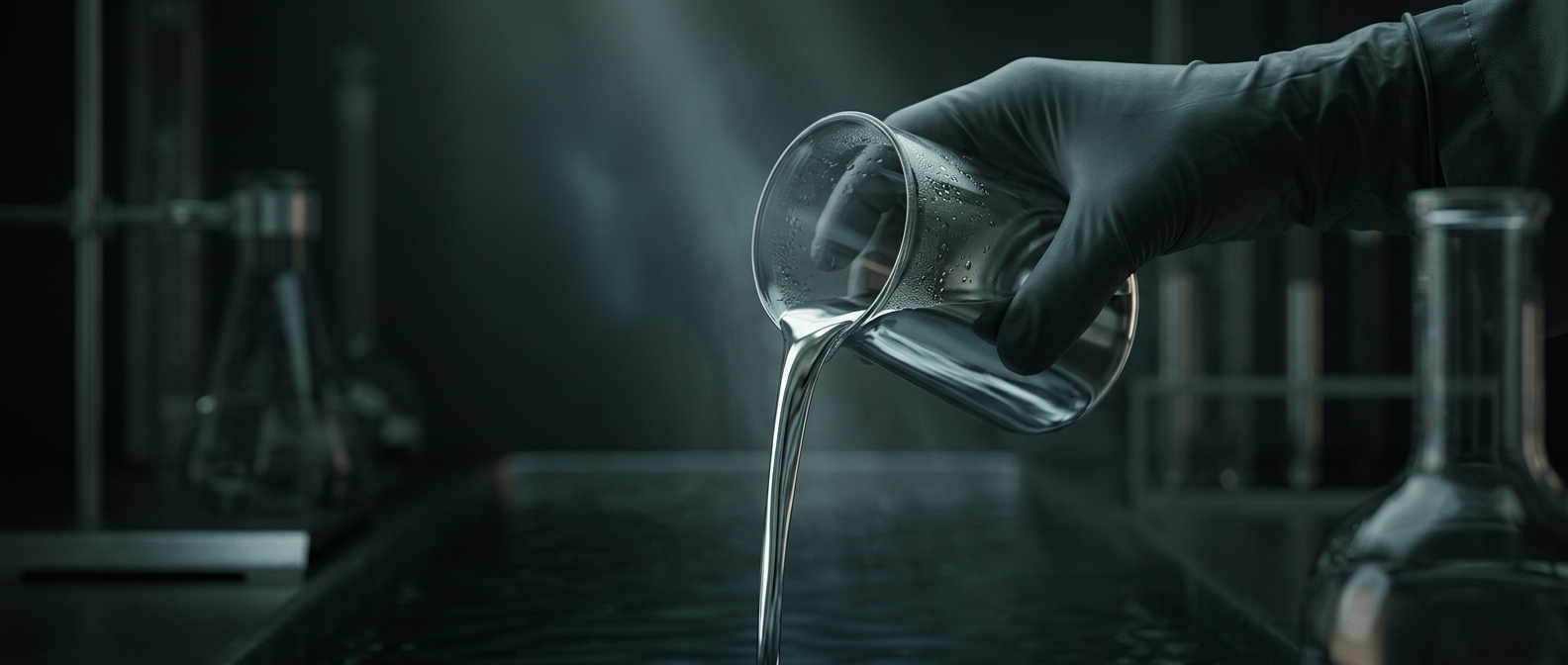
Why mercury stays liquid at room temperature
Mercury is the metal that refuses to commit to a solid relationship. Because its atoms hold onto their outer electrons incredibly tightly, they don't share…
Discover more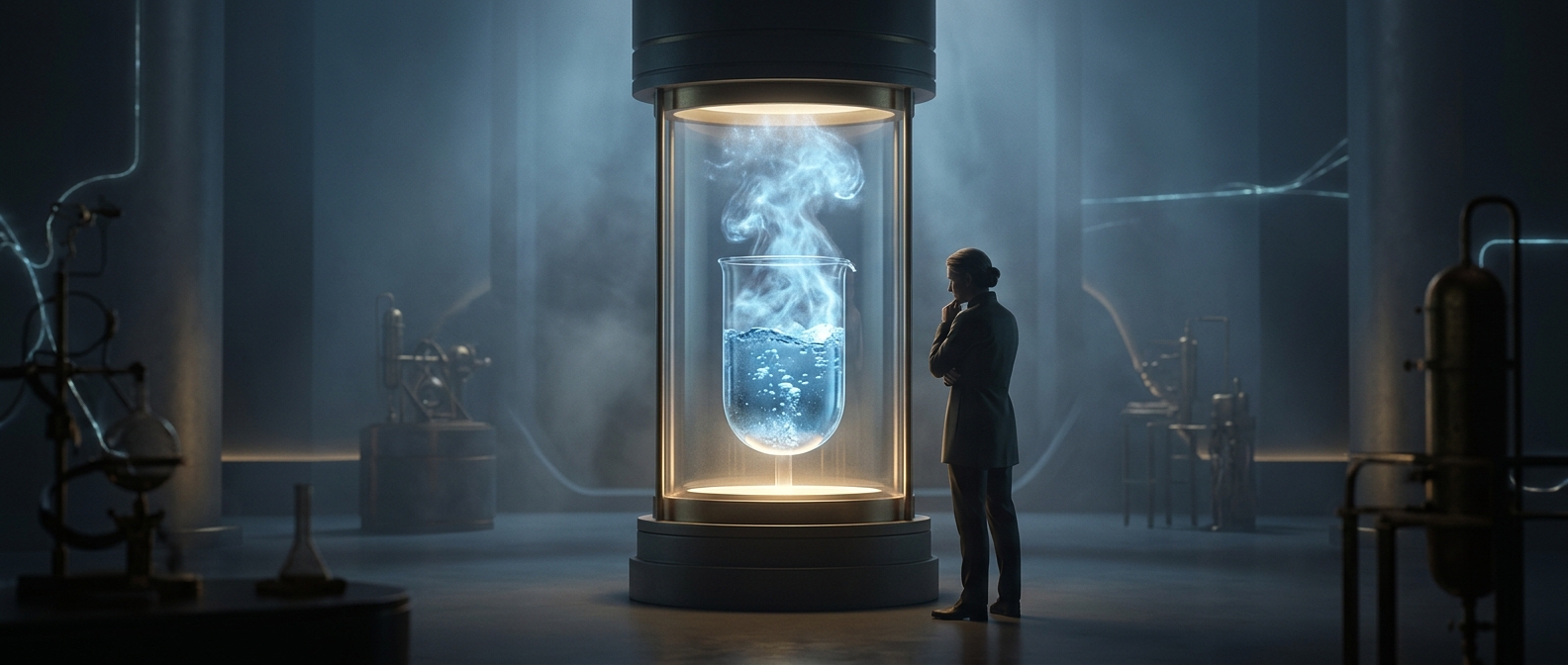
Liquids can boil at room temperature in a vacuum
If you strip away ambient pressure, fluids do not require intense heat to vaporize; they will spontaneously start boiling at room temperature. It is a…
Discover more
Water lilies only have pores on the top of their leaves
It turns out breathing underwater is highly overrated. While standard terrestrial plants put their gas-exchanging stomata on their undersides to prevent…
Discover more
Expeditions are about freeing your feet
Sounding like something only rugged explorers do, 'expedition' comes from the Latin 'expedire', meaning 'to free the feet'—originally referring to untangling…
Discover more
Why cacomistles move into abandoned mines
If you wander into a spooky, deserted mineshaft in the desert, you might be watched by a very fluffy tenant. The ring-tailed cacomistle despises the bright…
Discover more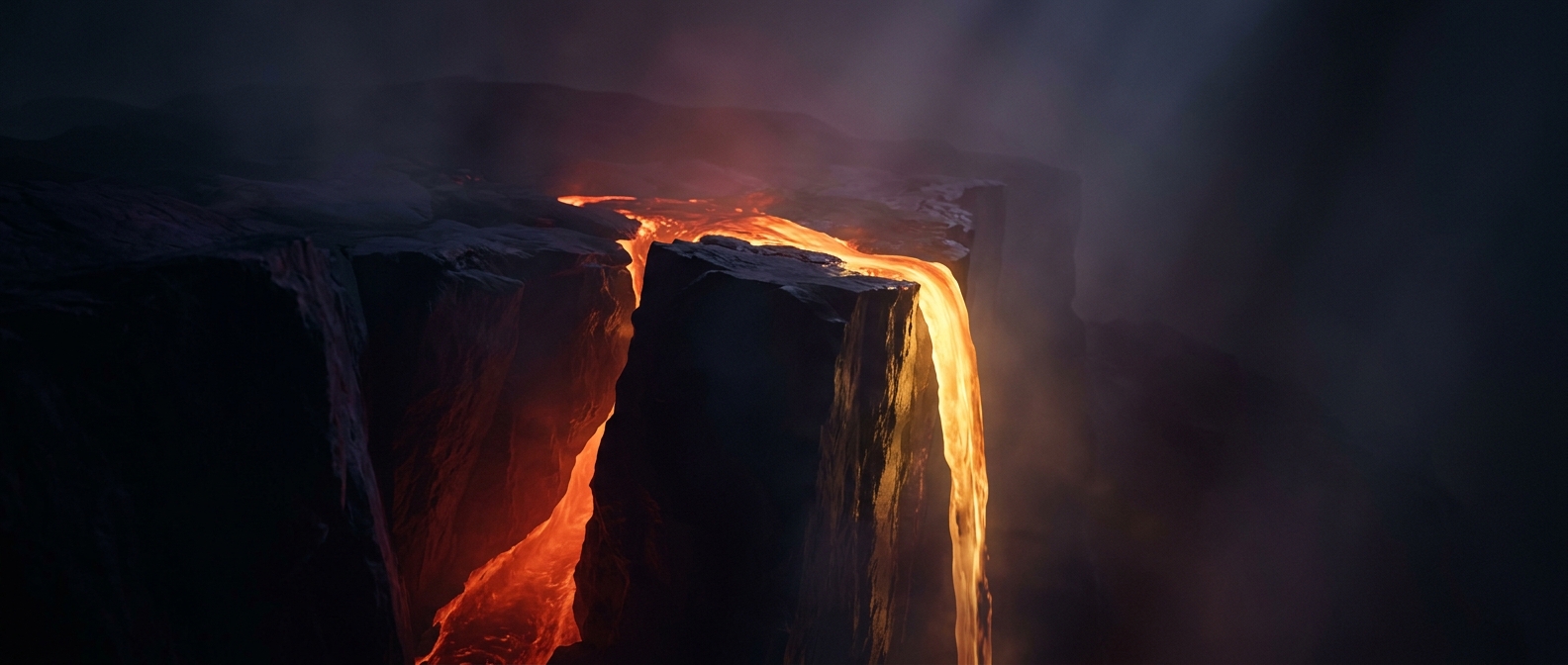
Magma gets a new name at the surface
Scientists apparently love semantic pedantry. Molten rock pooling underground is strictly called 'magma.' But the absolute second it breaches the surface and…
Discover more
Rendering engines eagerly convert raw code into graphics
Every beautiful webpage you visit is genuinely just a horrific wall of text behind the scenes. Rendering engines relentlessly parse complex cascading style…
Discover more