Science
Discover facts about science. Small discoveries that change the way you see familiar things.
Science
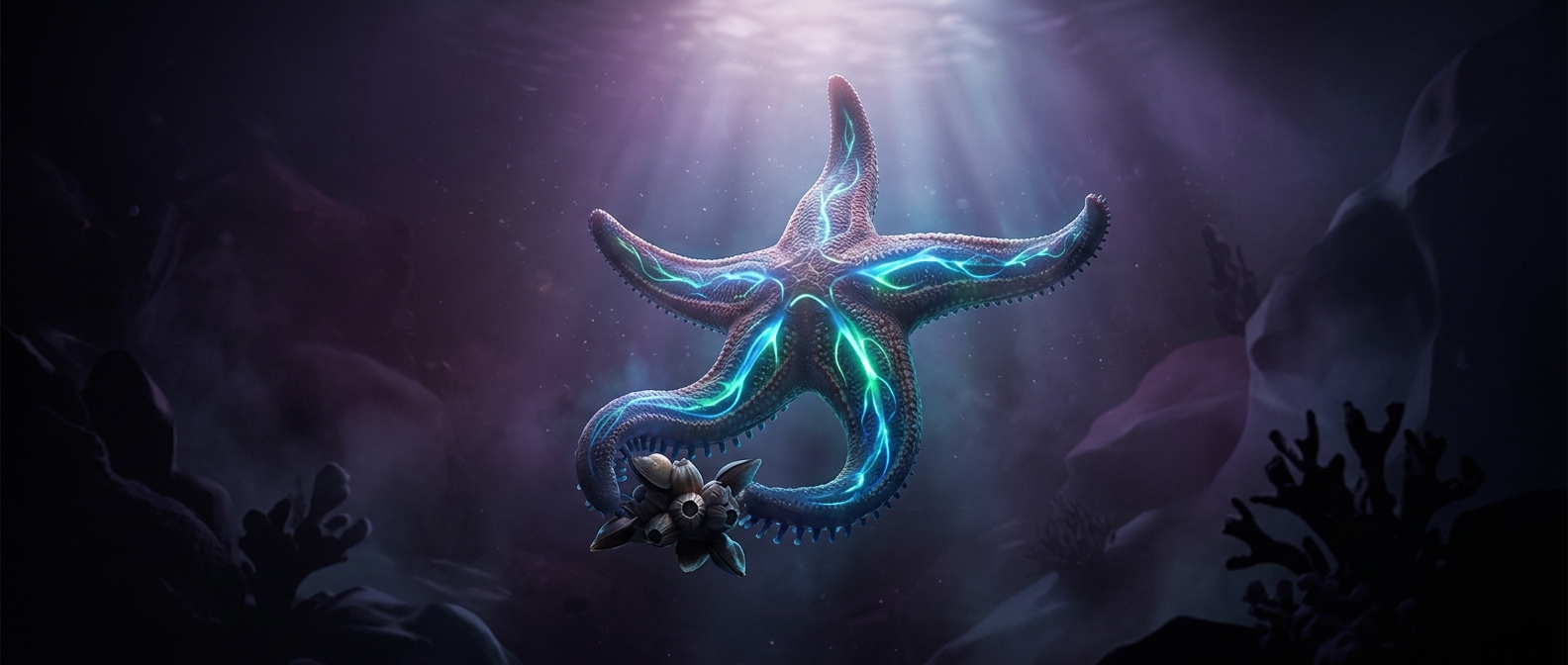
How starfish survive without a brain or blood
A starfish’s tube feet work like tiny hydraulic tools: seawater moves through internal canals, and pressure pushes each foot outward so it can grip and help…
Discover more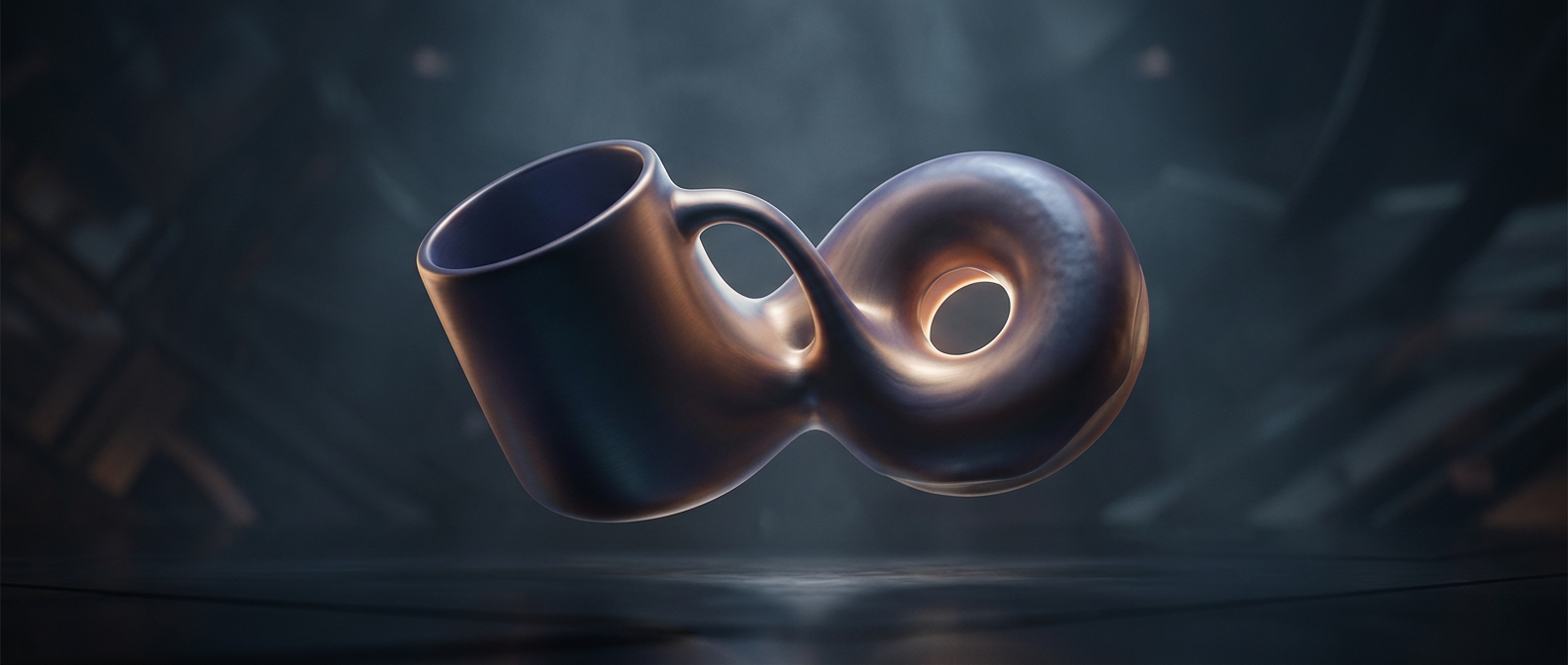
Why a coffee mug and a doughnut are the same
Topology ignores a mug’s ceramic and a doughnut’s frosting and asks one question: how many holes go all the way through? A mug’s handle makes one, just as a…
Discover more
A near-light-speed trip could make your reunion uneven
Your own clock still seems to tick normally as you travel near light speed. The difference shows up when you compare clocks: if you return, less time may have…
Discover more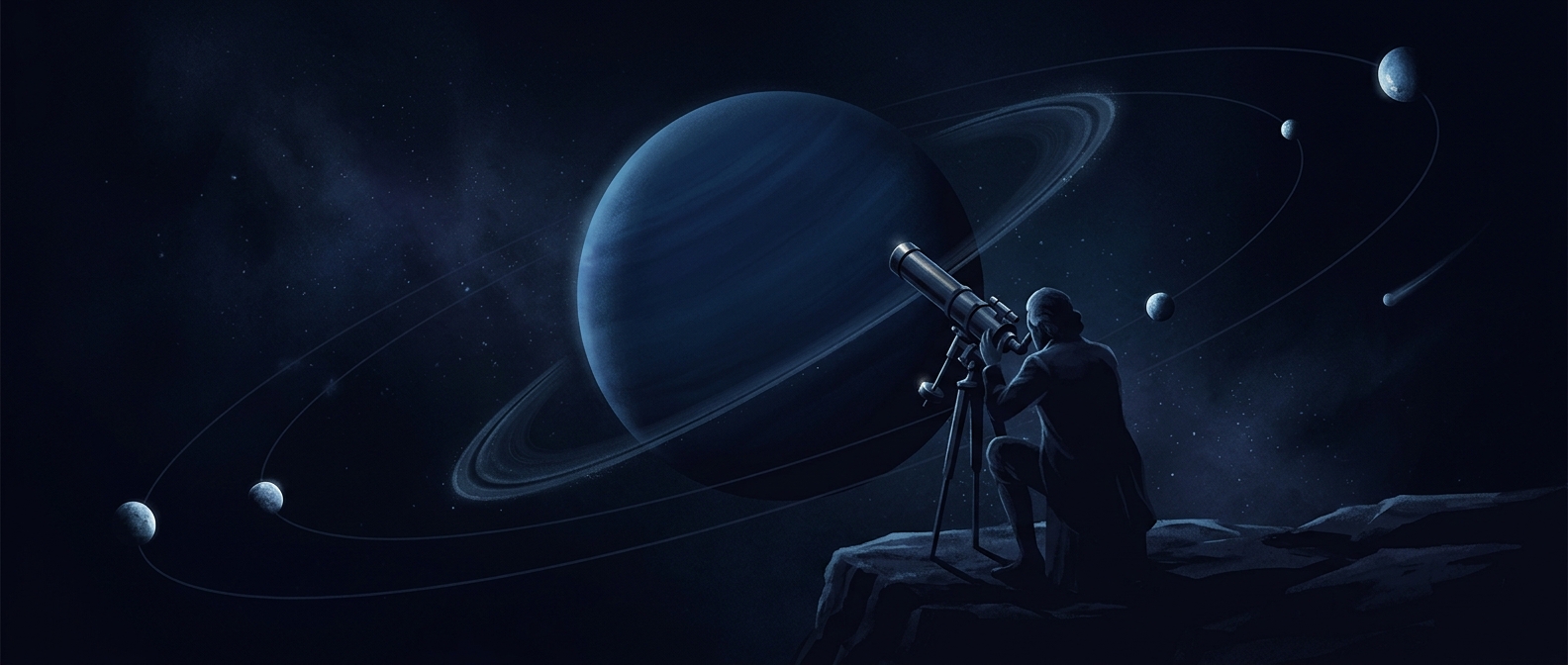
Herschel found two moons around Uranus
The moons Herschel found are Titania and Oberon, the largest pair orbiting Uranus. Since Uranus lies nearly 3 billion kilometers from the Sun, these are icy…
Discover more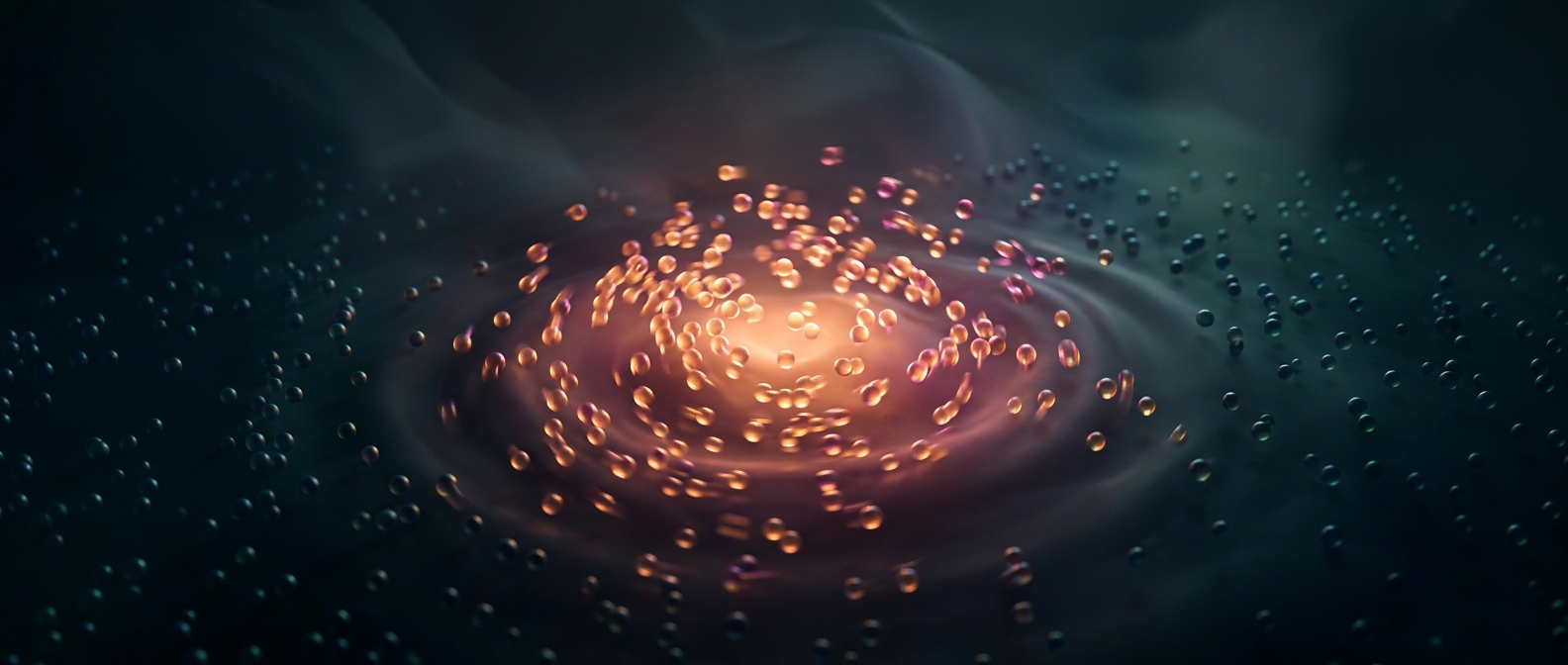
Heat is literally just particles vibrating rapidly
A hot object burns you by sending energy into your skin faster than your body can handle. That transfer is heat; temperature describes the particles’ average…
Discover more
Phosphorus appears in white red and black variations
White and red phosphorus are the same element with their atoms connected in different ways. White phosphorus forms small groups that react readily with oxygen…
Discover more STACKY FOR IPHONE
A bigger world.
One discovery
at a time.
Keep discovering with Stacky. Interesting facts in an app that is always within reach.
Direct current strictly flows in one direction
Direct current keeps its direction, but its strength can rise and fall. Imagine water flowing one way through a pipe while the flow rate changes; the positive…
Discover more
Broadband definitions shift constantly due to cash
There is no permanent technical switch that says, “This is broadband.” Governments choose a speed threshold, then use it to classify places as served or…
Discover more
When thousands of atoms act like one
Near absolute zero, the wave patterns of thousands of atoms can spread out and overlap. The atoms then share one quantum state and behave like one giant…
Discover more
Cane toads will eat the pet food as well as the insects around it
Adults take a broad range of food, including carrion and household scraps. They are not limited to recognizing a meal only when it moves. That dietary…
Discover more
Young sunflowers turn back east before the Sun returns
Their daily movement is guided partly by an internal clock that coordinates growth on opposite sides of the stem. At night they reset toward the next sunrise…
Discover more
How a coastline can have a fractional dimension
A coastline isn’t a smooth line waiting for one final measurement. Each shorter ruler can follow bends the longer one skipped, so the reported length…
Discover more
Software developers spend more time reading than typing
A developer may type one small change only after reading several files to see what it could break. Code depends on other code, and a fix in one spot can…
Discover more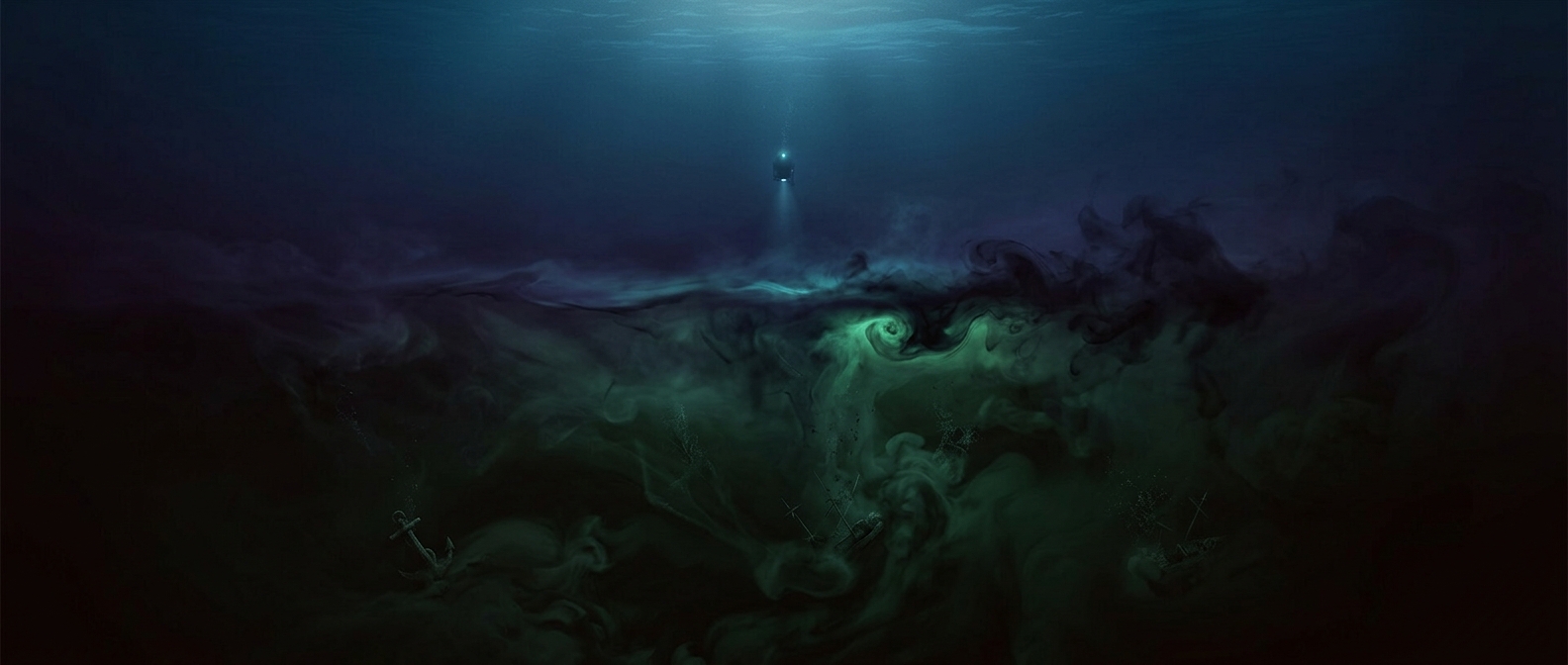
Why shipwrecks survive in the Black Sea depths
Deep in the Black Sea, oxygen is scarce because the water is cut off from the surface and isn’t replenished fast enough. Many organisms that break down wood…
Discover more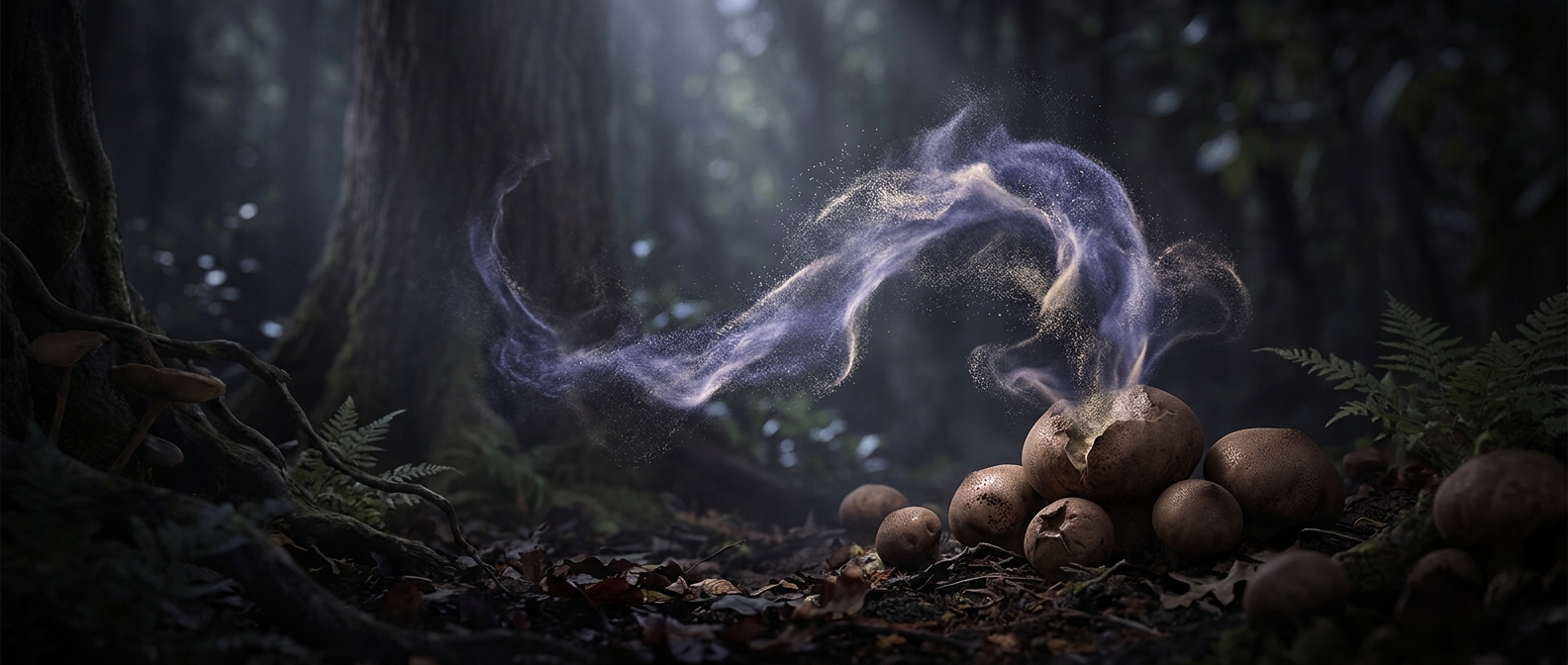
Why puffball mushrooms explode into clouds of spores
A raindrop or falling branch presses a puffball inward, squeezing its spore-filled body like a bellows. The pressure sends a puff of spores through a small…
Discover more
Why a pendulum spins in zero gravity
A pendulum on Earth swings because gravity pulls its bob toward the bottom of the arc. Remove gravity and that restoring pull disappears; if the bob is…
Discover more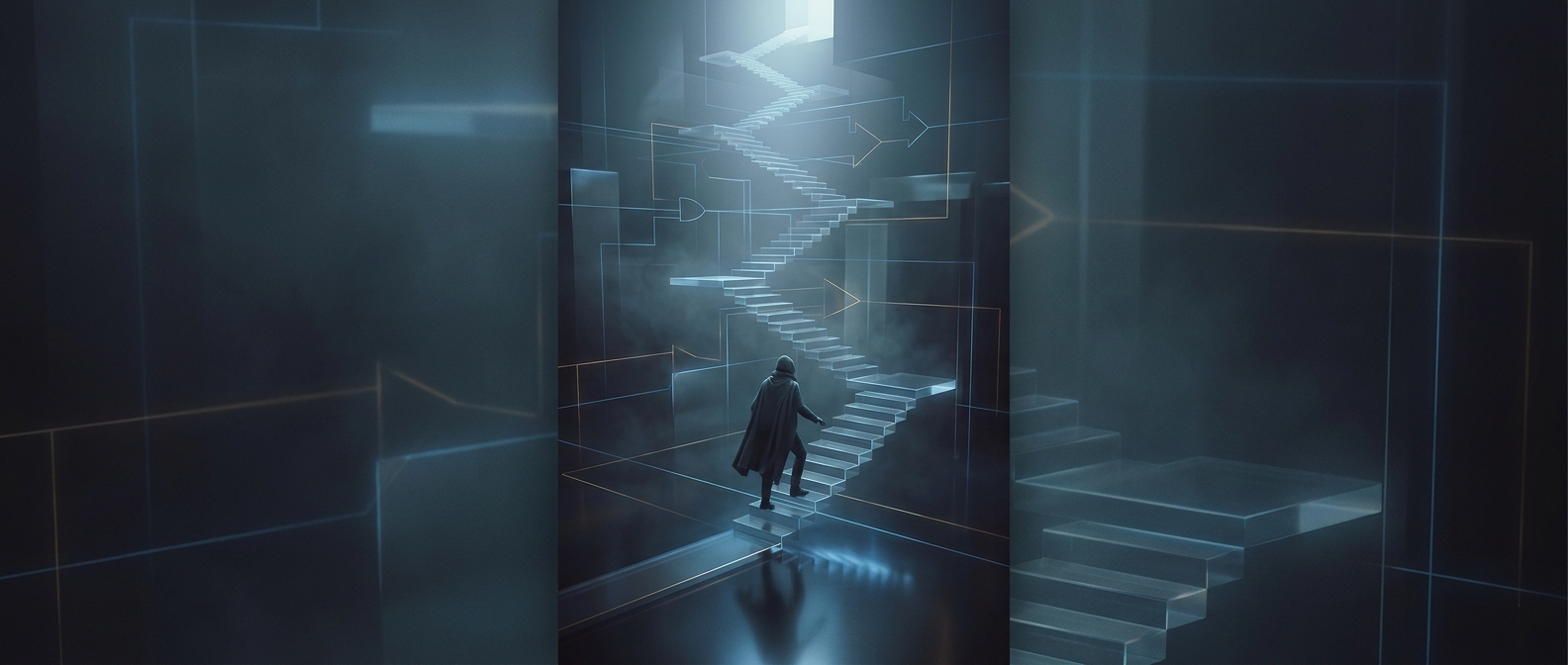
Digital algorithms are overly pedantic set steps
A program only makes a choice if someone wrote the choice into its instructions. A branch might say, “If the connection fails, try again”; without that rule,…
Discover more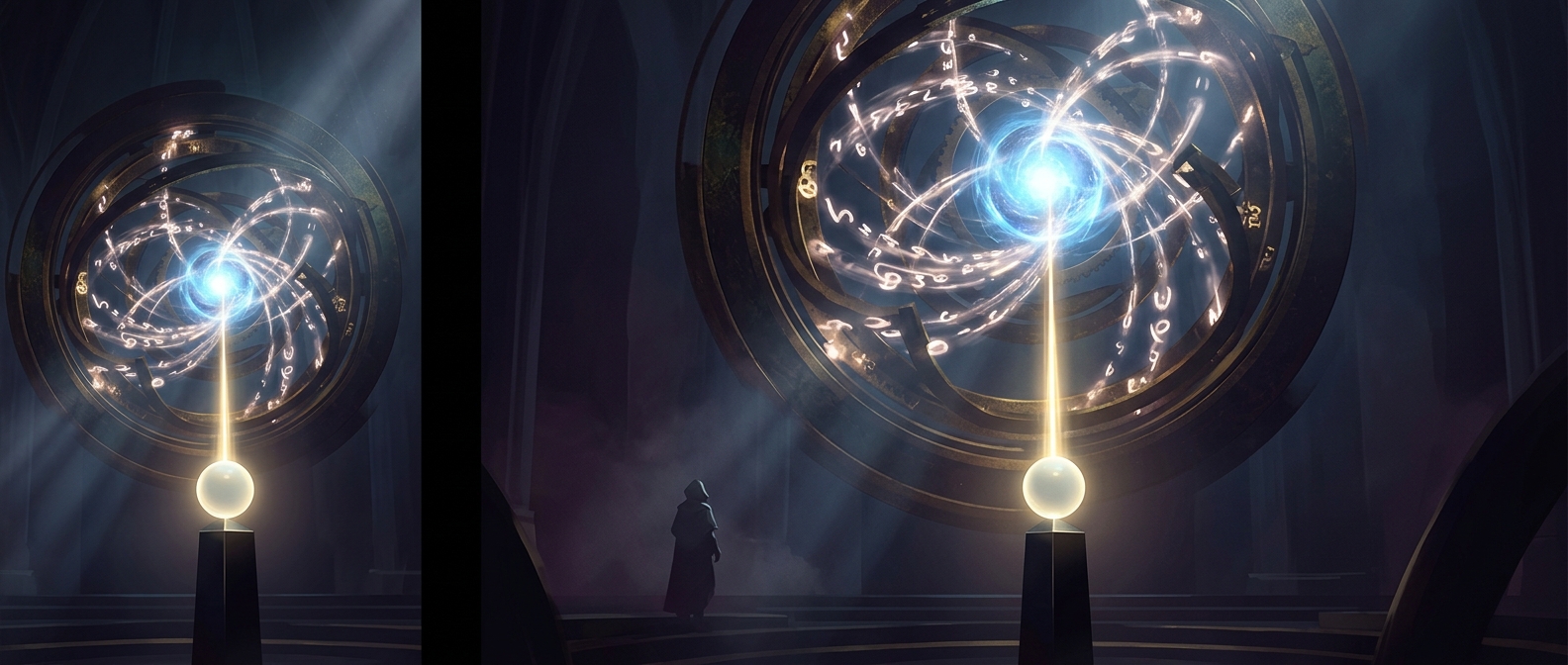
This digit routine drives four-digit numbers toward 6174
Start with at least two different digits, order them from largest to smallest and then smallest to largest, and subtract. Repeat while retaining leading zeros…
Discover more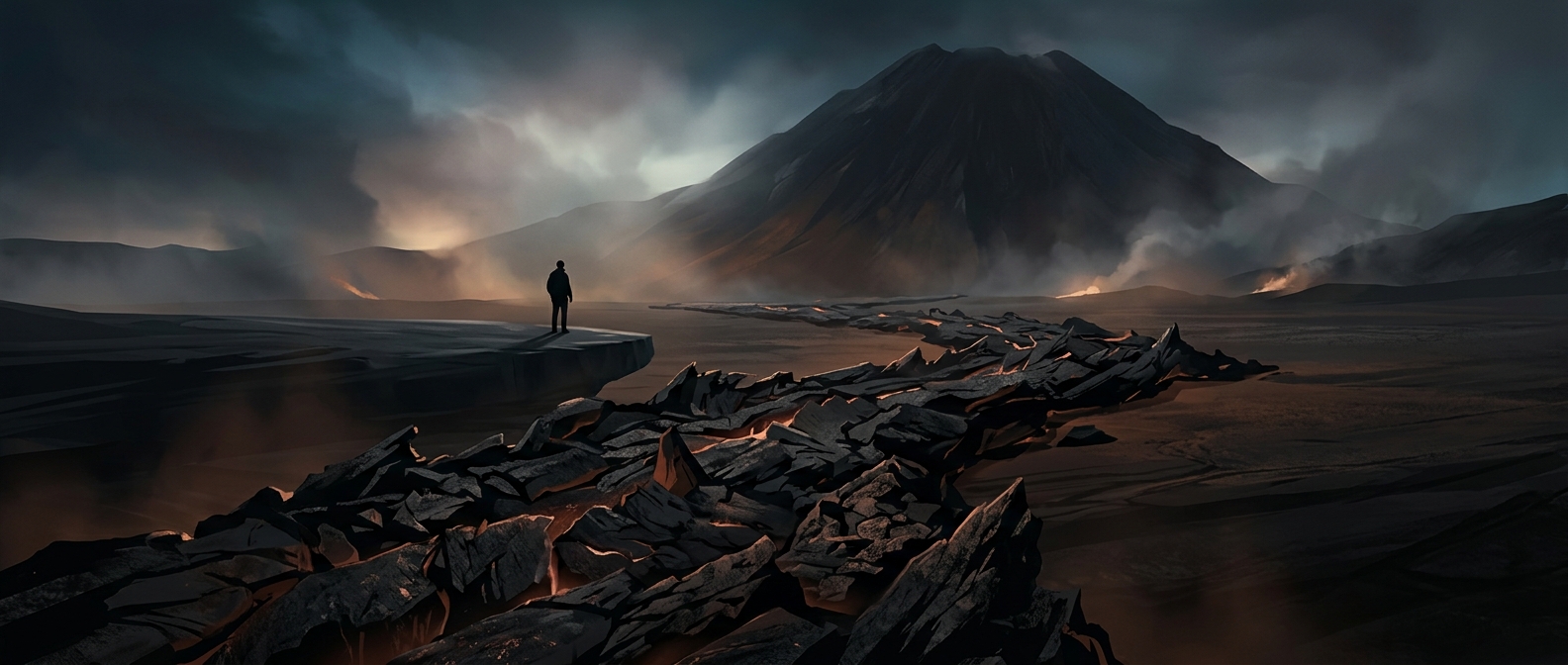
This lava crawls forward as broken glass
The lava’s surface cools into a brittle crust while the inside keeps flowing. That moving interior shoves the crust forward, breaking and grinding the pieces…
Discover more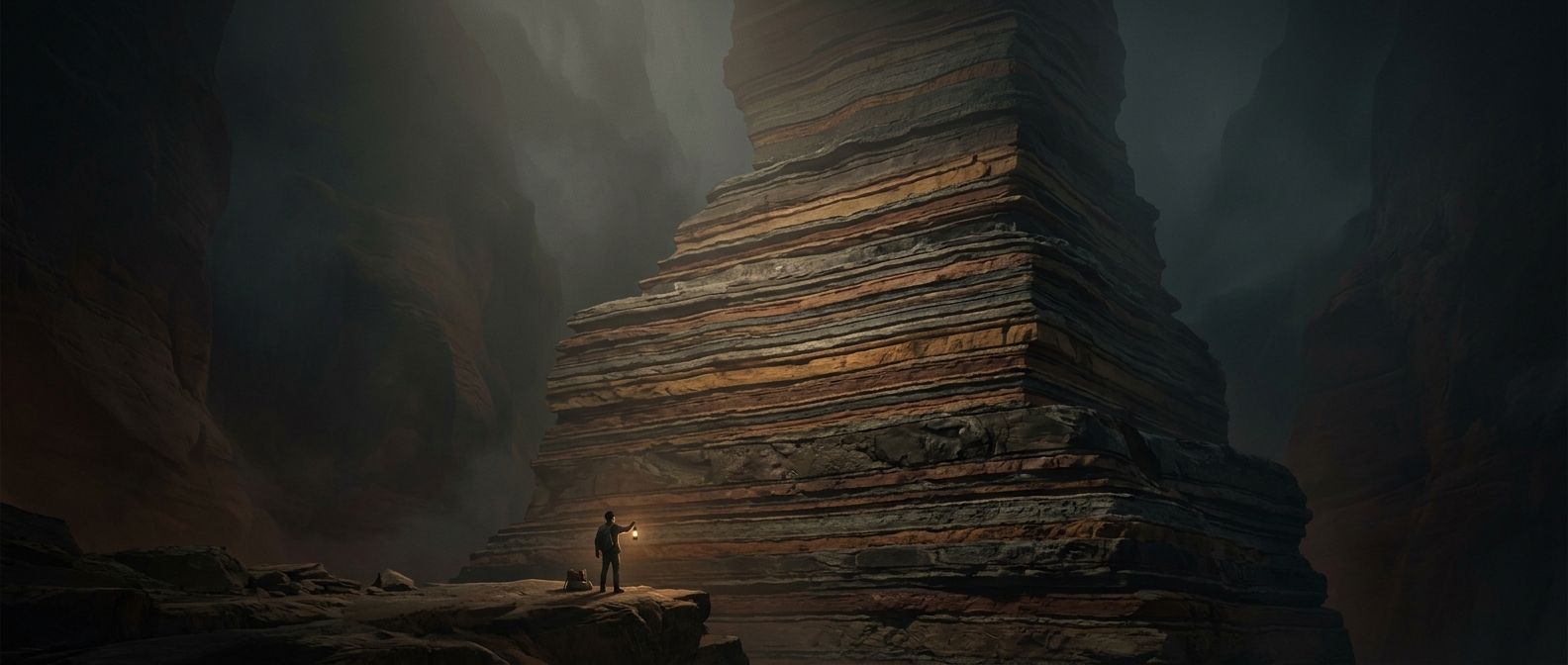
Sedimentary rocks are basically geological stacks
A beach’s loose grains don’t become rock just by waiting. Burial presses them closer together, then mineral-rich water deposits a natural cement in the gaps.…
Discover more
A promotion can reward skills your new job doesn't need
A promotion can reward the exact skills you’re about to stop using. Someone excellent at one job moves up, meets a role that demands different abilities, and…
Discover more
Turing machines can theoretically compute anything
A Turing machine can compute anything that has a step-by-step algorithm—but not every question has one. There is no universal method that can inspect any…
Discover more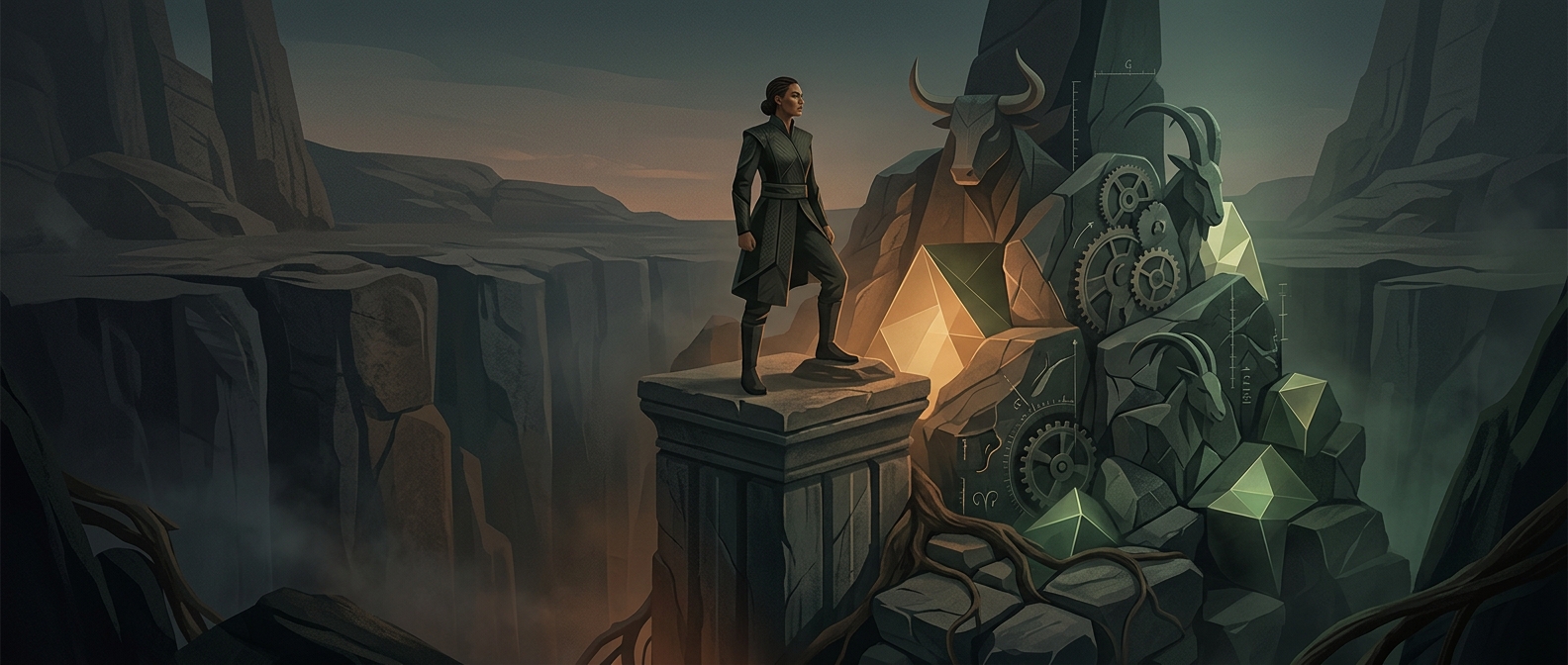
Earth signs demand absolute material stability
The Earth-sign stereotype says “steady and grounded,” but the birthday itself doesn’t provide reliable evidence that someone will be that way. A label can…
Discover more
Tellurium uniquely bonds with gold to form unusual compounds
Calaverite forms when gold atoms bond with tellurium atoms, creating a mineral that can be found in gold-bearing veins. That means a piece of gold-rich rock…
Discover more