One element, several structures
Phosphorus can take several forms, called allotropes: arrangements of the same element’s atoms that give it different properties. The differences are not just cosmetic. They change how easily phosphorus reacts and how its atoms behave as a solid.
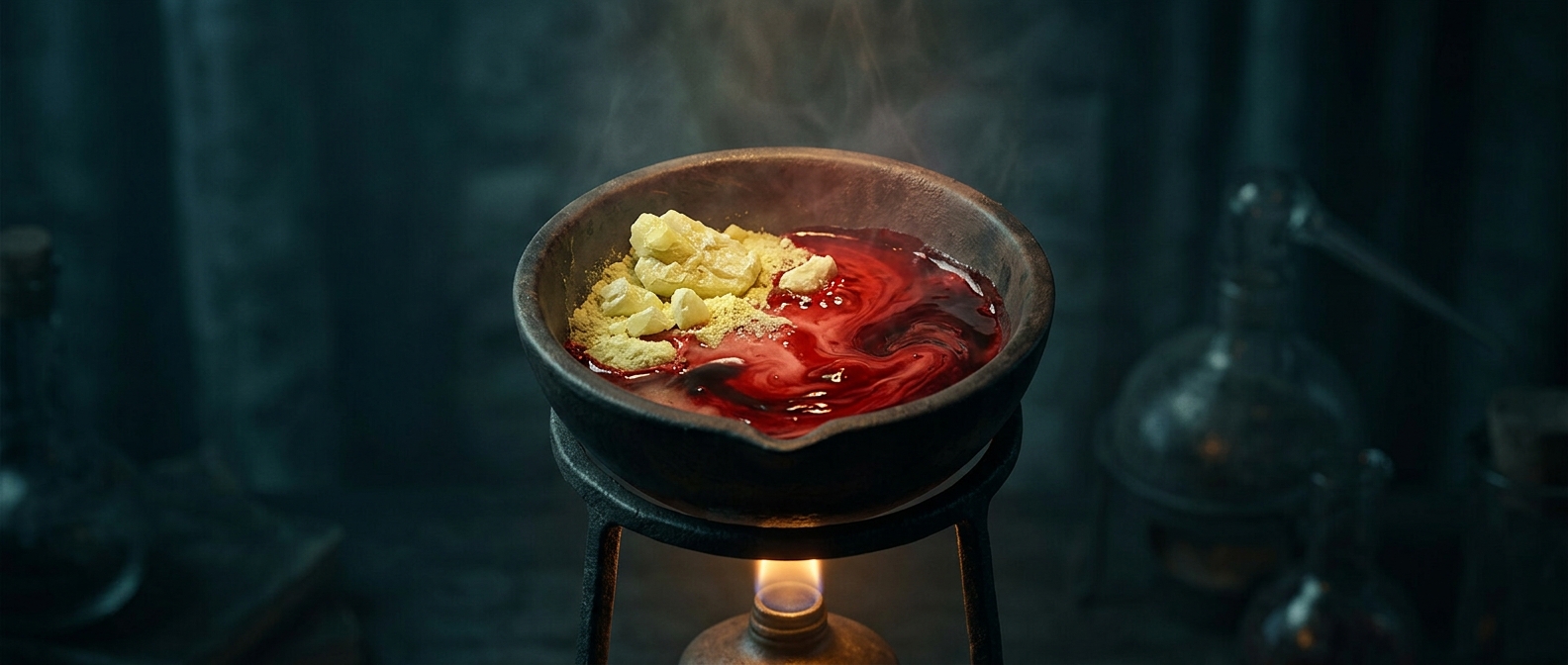
White phosphorus is made of small, four-atom units shaped like pyramids. That arrangement is strained, leaving the material highly reactive. In air, it can catch fire, so it must be stored away from oxygen, typically under water. It is also poisonous.
Why red phosphorus is calmer
Red phosphorus has a more extended, connected atomic structure rather than separate four-atom units. Its atoms are held in a less reactive arrangement, so red phosphorus does not ignite in air as readily as the white form. The contrast shows how a change in atomic structure can alter a material’s behavior without changing which element it is.
That difference is useful in safety matches. Red phosphorus is placed on the striking strip, while the match head contains other chemicals needed for ignition. Striking creates friction and heat; the match lights when those ingredients react. Keeping the phosphorus on the strip, rather than putting highly reactive white phosphorus in the match head, helps make the match safer to handle.
Black phosphorus adds another contrast
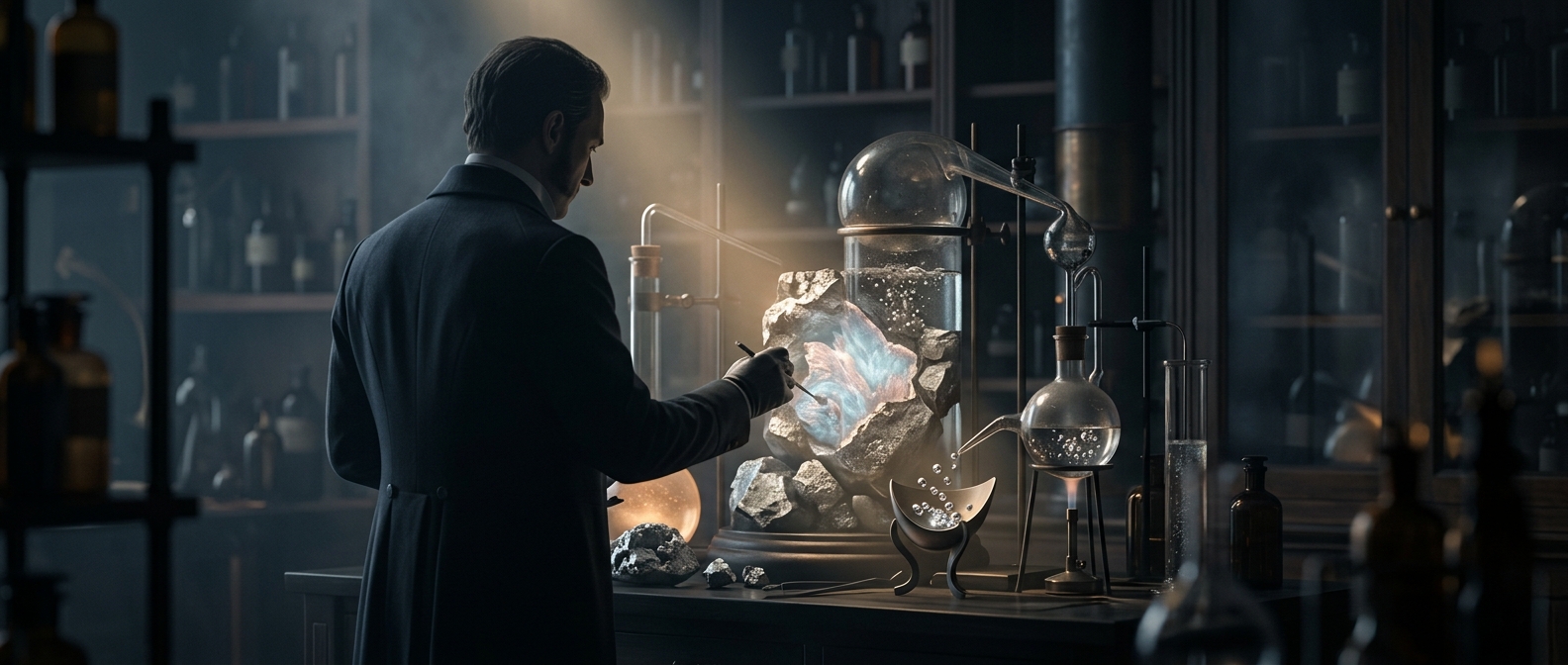
Black phosphorus is a distinct, more stable form with atoms arranged in folded layers. Those layers make it behave differently from both white and red phosphorus, including in how it conducts electricity. In all three cases, the element is phosphorus; the properties follow from how its atoms are organized.