Science
Discover facts about science. Small discoveries that change the way you see familiar things.
Science

Why chinchillas bathe in dust instead of water
Dust works like dry shampoo for a chinchilla: it reaches through the dense fur, absorbs extra oil, and shakes back out. Water can cling near the skin and…
Discover more
Sulfur burns with a nearly invisible blue flame
Burning sulfur melts it into a red liquid and produces a pale blue flame. But the fire also releases sulfur dioxide, a gas that irritates the lungs. The…
Discover more
Asbestos is a natural mineral with deadly fibers
Asbestos is dangerous when damaged material releases tiny fibers that can float in the air. If inhaled, they can lodge deep in lung tissue and irritate it for…
Discover more
Baggage is an ancient term for tied bundles
Baggage began with Old French bagage, a word linked to bundles of belongings. Travelers carried those bundles from place to place, and the name stuck to the…
Discover more
People have tried farming moose rather than simply hunting them
Soviet experiments raised and handled moose, and Russia's Kostroma farm became known for keeping a semi-domesticated herd and collecting milk. Managing…
Discover more
Why completing a card set gets harder fast
At first, nearly every card can be a new discovery. But with 49 of 50, a random pack has only a 1-in-50 shot at the missing one and a 49-in-50 shot at a…
Discover more STACKY FOR IPHONE
A bigger world.
One discovery
at a time.
Keep discovering with Stacky. Interesting facts in an app that is always within reach.
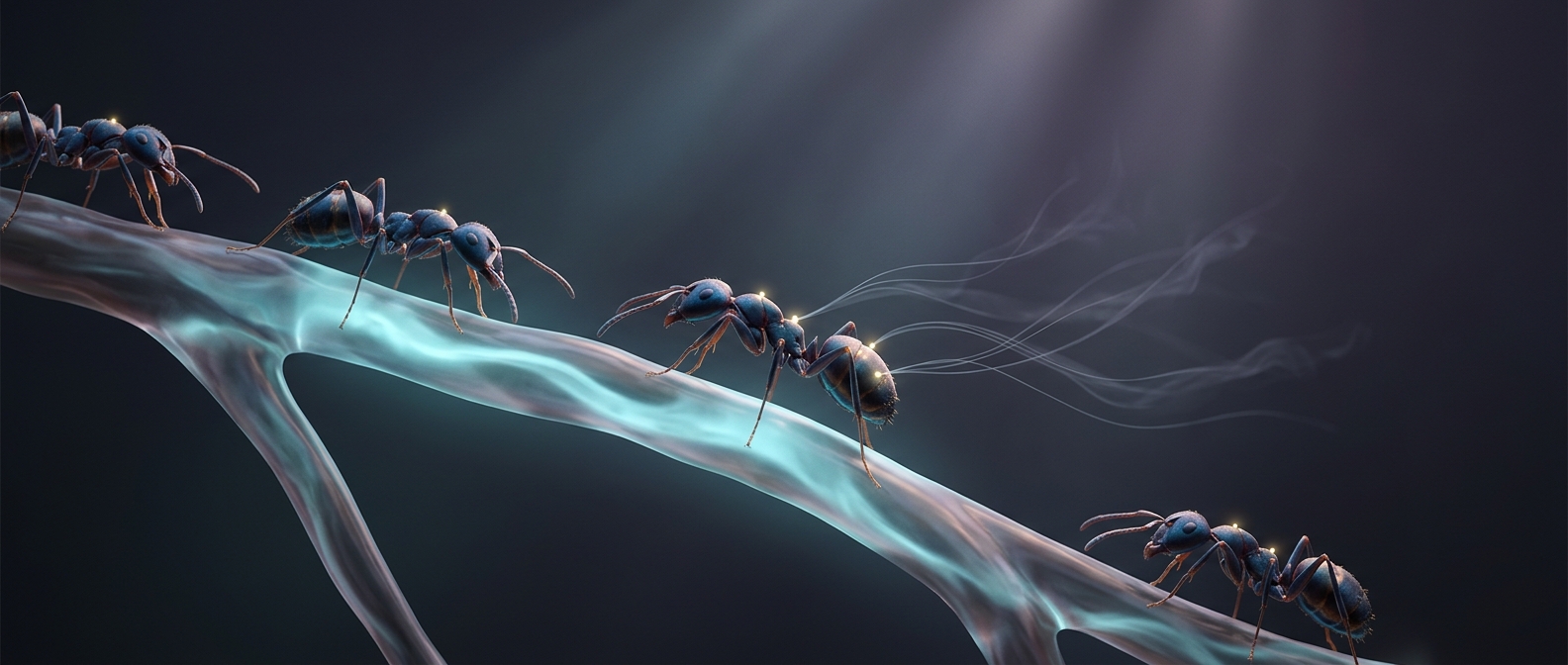
Ants breathe through tiny holes in their bodies
Instead of lungs, an ant has tiny side openings connected to branching air tubes. Oxygen moves through those tubes and diffuses into nearby cells, with little…
Discover more
Why base twelve makes fractions easier
In base 10, one-third is 0.333… because tenths can’t divide neatly into three equal parts. Base 12 has twelfths instead, and four twelfths make one-third, so…
Discover more
Base energy surging dramatically alters your frequency
There’s no scientific evidence that an energy force climbs the body and changes a person’s physical frequency to cause enlightenment. Powerful feelings or a…
Discover more
Dharma dictates your specific cosmic purpose
Dharma can mean different things in different religious traditions: teachings, moral duty, or the order of the world. So it isn’t always a cosmic job…
Discover more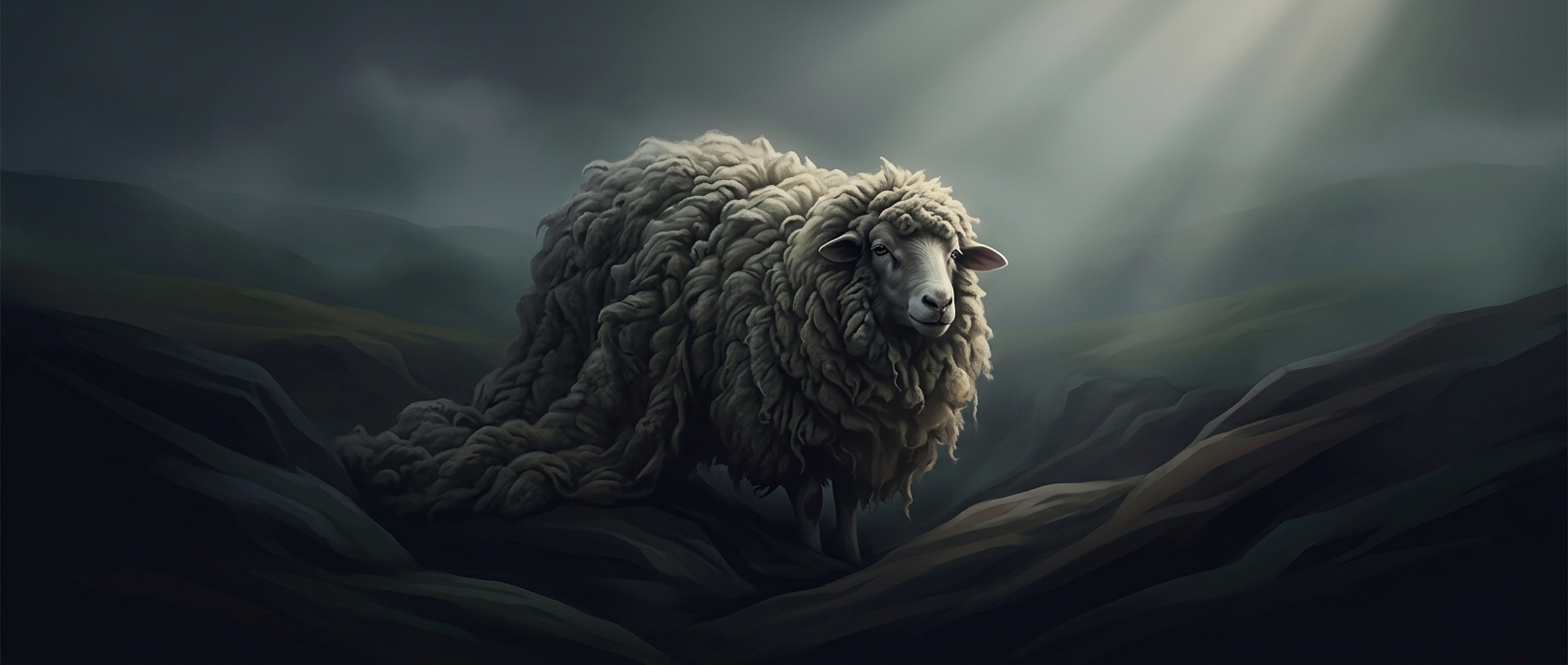
Many wool sheep depend on people for haircuts
Selective breeding produced sheep that retain and keep growing a heavy fleece instead of shedding it efficiently. Without shearing, excess wool can hinder…
Discover more
Cows produce massive amounts of methane through burping
Most of a cow’s methane leaves in burps. Microbes in the rumen—the cow’s fermentation chamber—break down tough plant material and release methane as a…
Discover more
Guns can fire in the vacuum of space
A gun can fire in space because the ammunition brings its own chemistry to the job. Its propellant contains an oxidizer, so it can burn without oxygen from…
Discover more
The irrational number behind the Golden Ratio
The Golden Ratio comes from splitting a line so the whole is to the long piece as the long piece is to the short one. That self-similar rule leads to an…
Discover more
Network utility squares with every newly added active user
Every new person could potentially connect with everyone already in the network. So as a network grows, the number of possible pairs rises quickly: 100 people…
Discover more
Volcanic ash is made of rock and glass
Volcanoes don’t make soft, harmless fireplace ash. An eruption shatters rock and volcanic glass into tiny, sharp-edged particles that can travel deep into the…
Discover more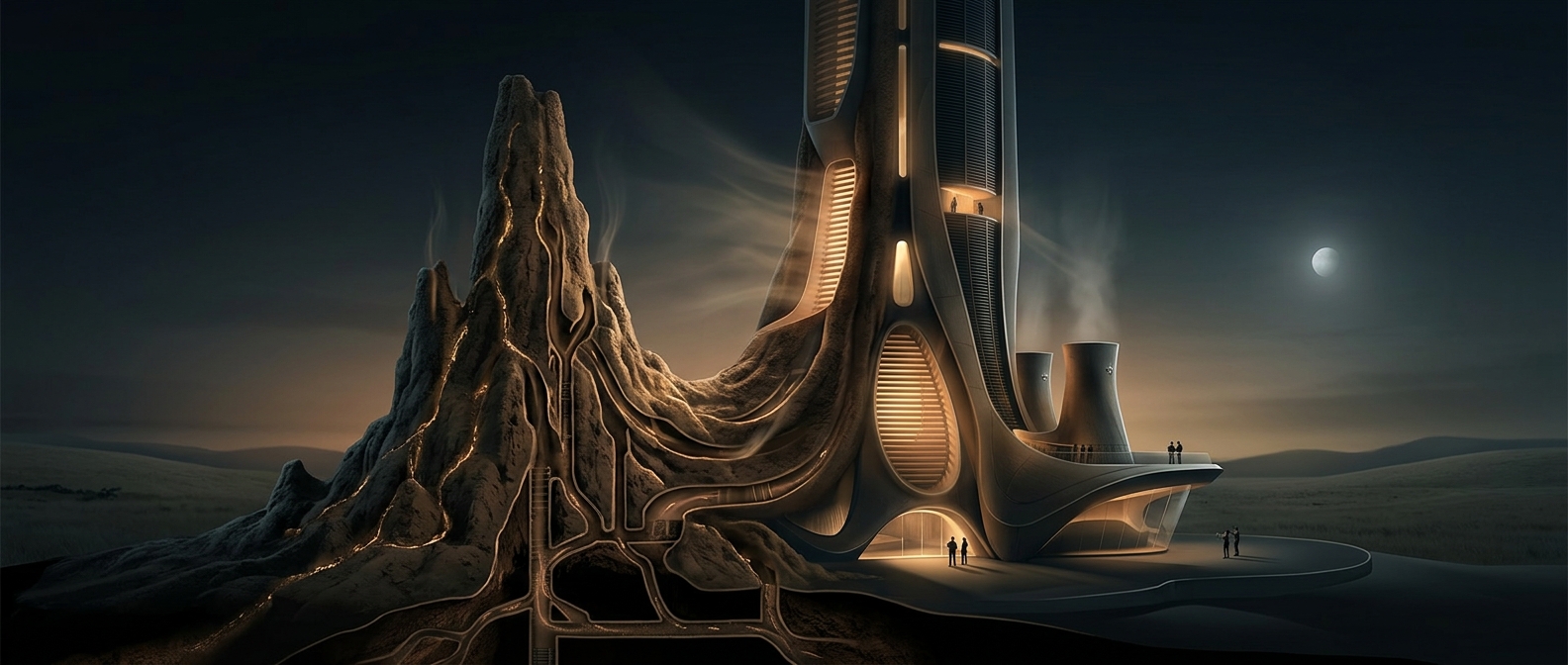
The buildings inspired by termite mounds
A termite mound moves air through its vents and chimneys, helping moderate temperature swings inside. Architects borrow the same basic idea: make the building…
Discover more
Swallowed stones helped young alligators stay underwater longer
In one experiment, juvenile alligators swallowed granite weighing 2.5% of their body mass. Their average voluntary dive duration rose by 88%. The researchers…
Discover more
Massive sample sizes guarantee average expected outcomes
Flip a coin enough times and heads and tails tend to balance out more closely as a proportion. But the law of large numbers doesn't ban streaks—it makes their…
Discover more
Your itinerary has an ancient Roman origin
Itinerary traces back to the Latin iter, meaning “journey” or “route.” A related word, itinerarium, could mean a travel route or guide, linking the modern…
Discover more
Chromatography rips apart chemical mixtures using affinity
In chromatography, the liquid carries chemicals along while a surface holds some of them back. Each chemical balances those two attractions differently, so…
Discover more
The word that traps itself in a paradox
A heterological word is one that does not describe itself—but does the word heterological describe itself? If it does, then it does describe itself and fails…
Discover more
Why guinea pigs struggle in the heat
Guinea pigs can’t count on sweating to shed body heat, so a cool surface can help only by drawing warmth from them. If the surface isn’t cooler than the…
Discover more
How malaria turns people into mosquito magnets
During malaria, changes in a person’s scent can make them more attractive to mosquitoes. That gives the parasite a better chance of catching a ride: a…
Discover more