Science
Discover facts about science. Small discoveries that change the way you see familiar things.
Science
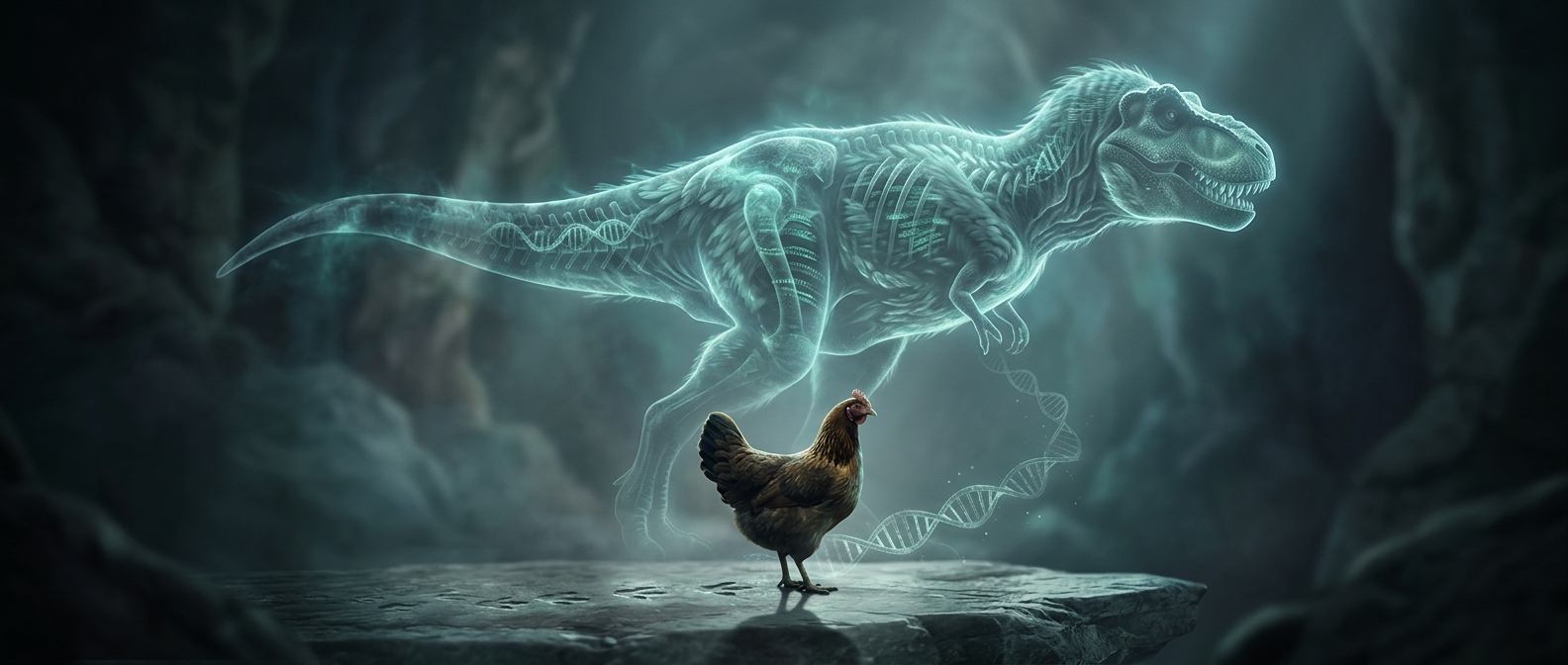
Chickens are living dinosaur relatives
The chicken and T. rex share more than a spot on the dinosaur family tree: fragments of collagen from a T. rex thigh bone resembled proteins in modern birds,…
Discover more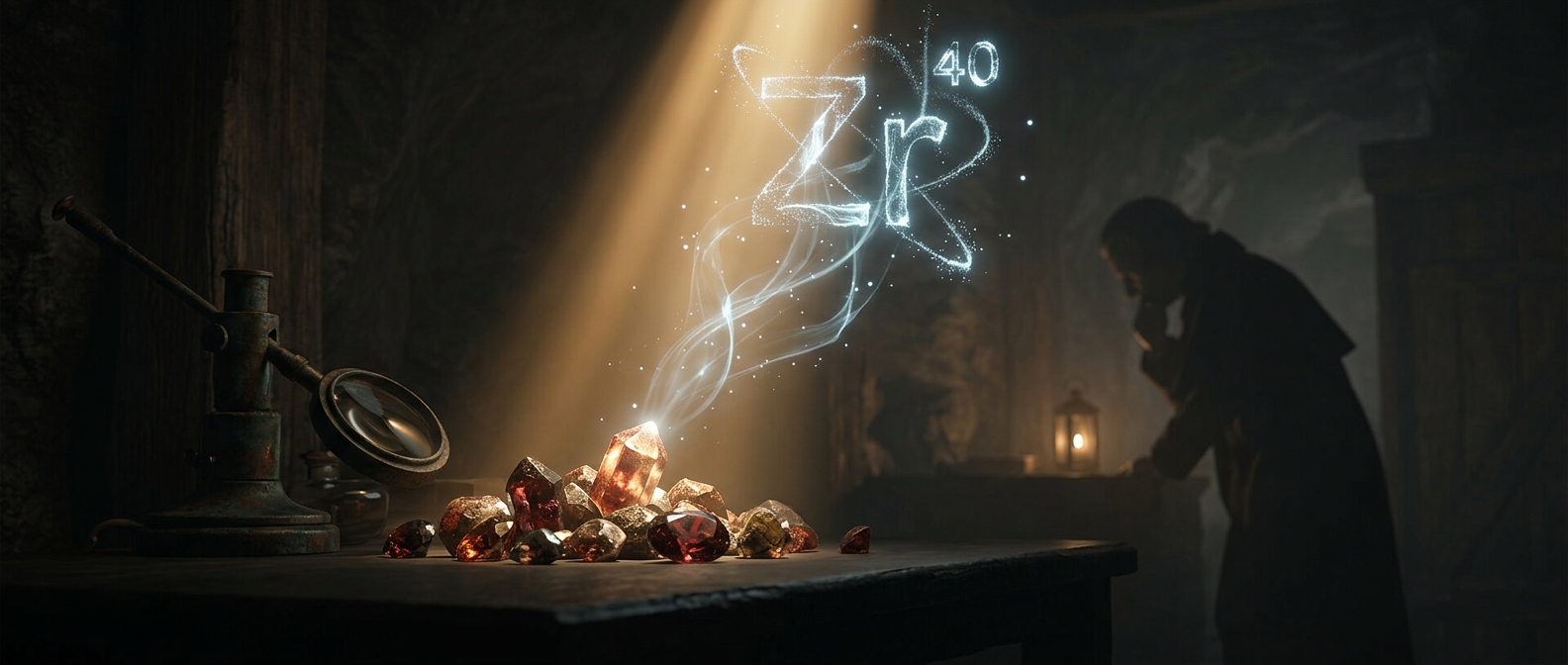
Klaproth identified rare zirconium in precious stones
Klaproth identified zirconia in the crystals, a compound made of zirconium and oxygen—not a piece of pure zirconium metal. The metal had to be isolated later…
Discover more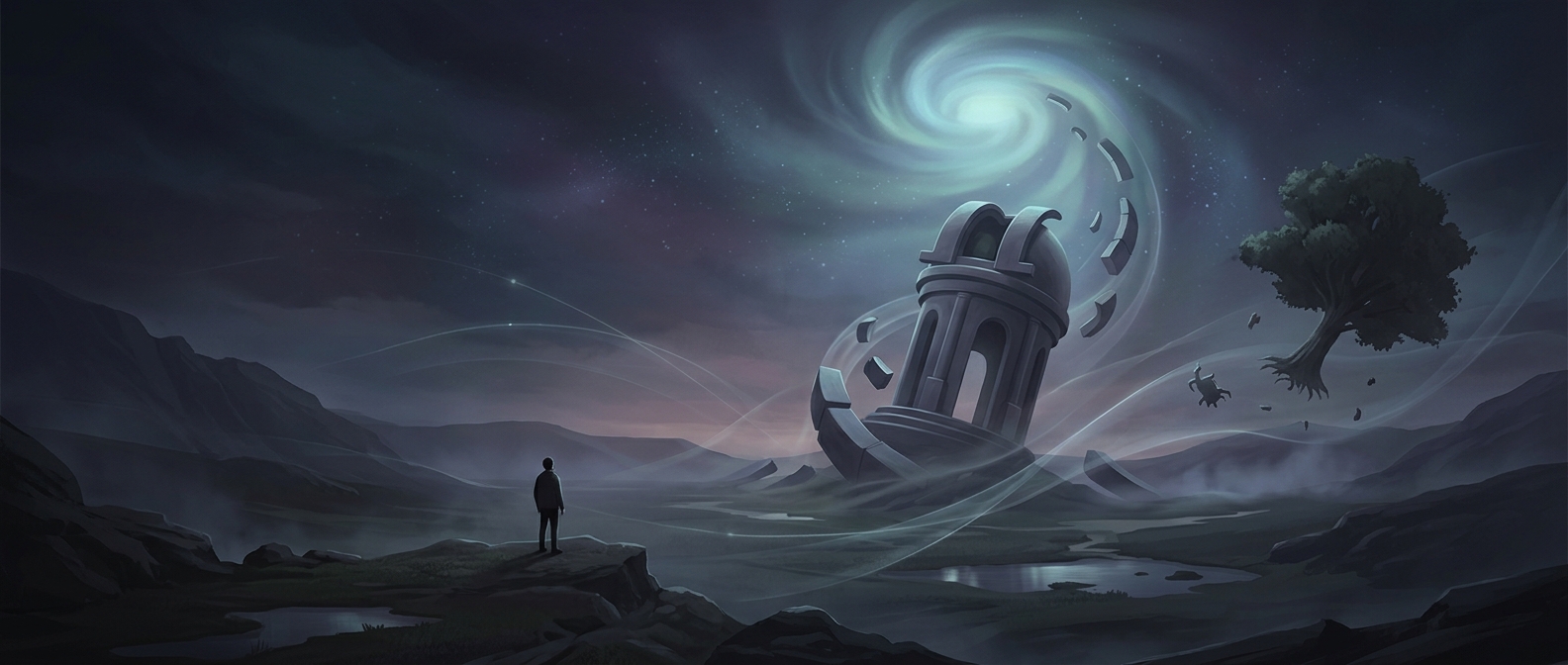
The same person weighs slightly less near the equator
Earth's rotation partly offsets the pull you feel, and its equatorial bulge places you farther from the planet's center. Both effects lower measured weight…
Discover more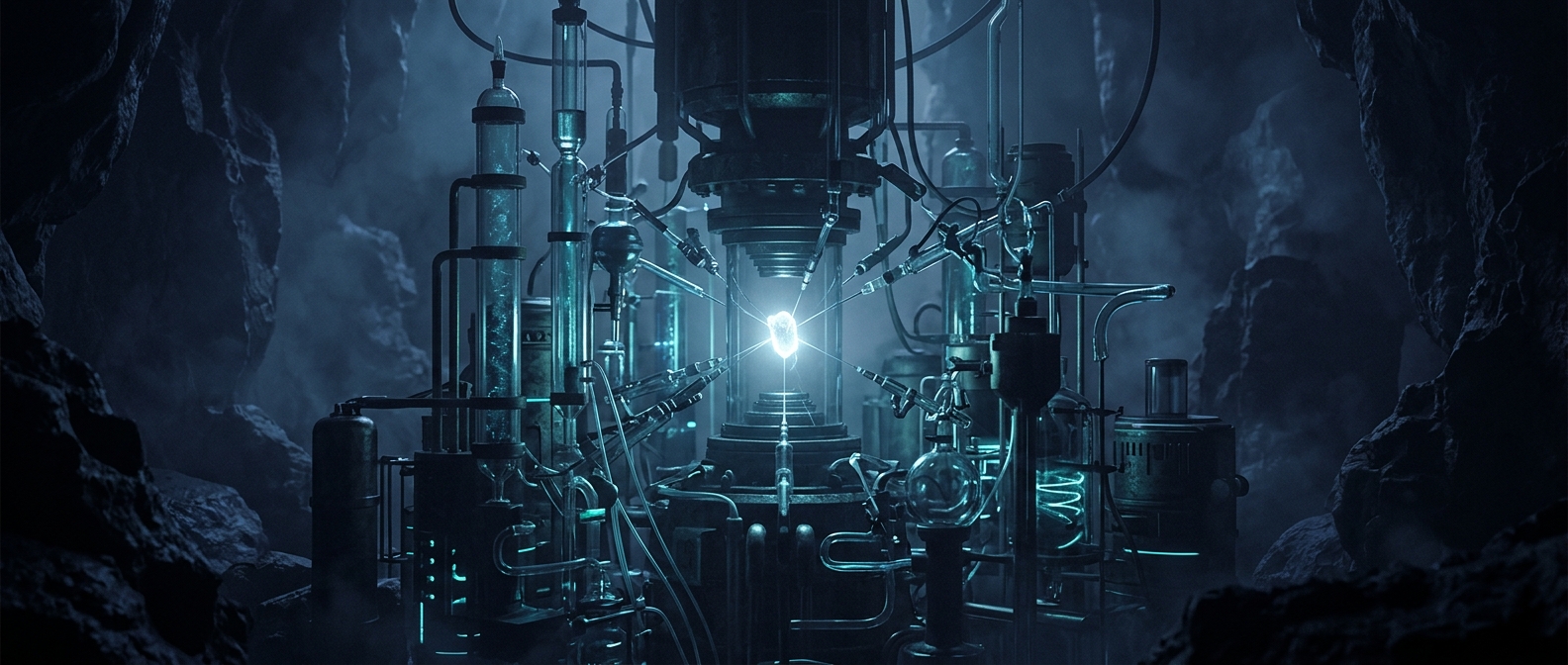
Why lutetium is so hard to isolate
Lutetium doesn’t need to be unusually stubborn to be hard to isolate; it just looks chemically similar to its rare-earth neighbors. Each separation pass sorts…
Discover more
Refreshing a page does not always download everything again
A browser can reuse saved files and check whether newer versions exist, rather than fetching every image and script from scratch. That makes revisits faster…
Discover more
Your arm can trick your brain into feeling a longer nose
Vibration makes sensors in your biceps tendon report that your arm is moving, even though it isn’t. Your hand still tells your brain it’s holding your nose,…
Discover more STACKY FOR IPHONE
A bigger world.
One discovery
at a time.
Keep discovering with Stacky. Interesting facts in an app that is always within reach.

Graphical user interfaces were vastly popularized
Graphical interfaces made computers easier to use by putting visible objects on the screen that people could point to. Xerox PARC helped develop windows and…
Discover more
The metal that expands as it freezes
Most materials shrink as they freeze, but antimony expands. In type-casting alloys, that extra volume pushes the metal into the mold’s narrow grooves before…
Discover more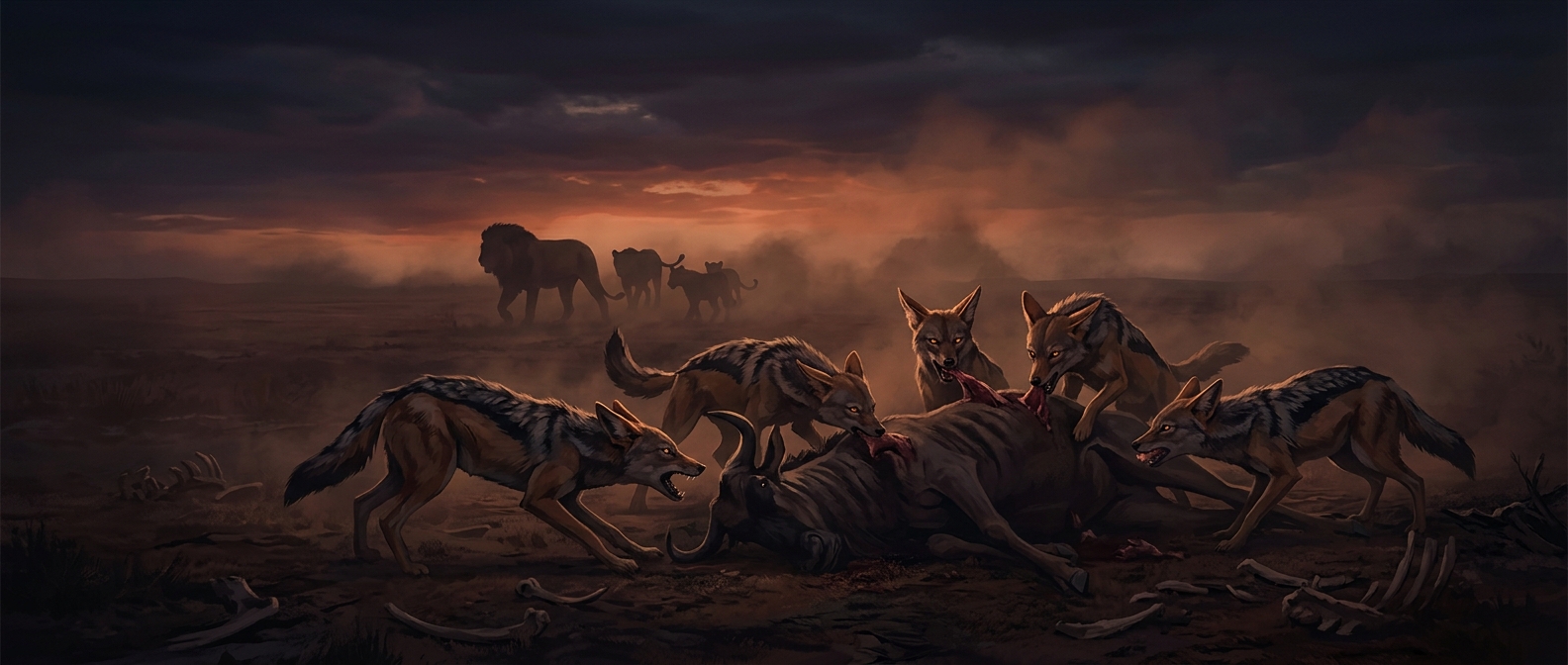
Jackals fiercely scavenge leftovers from brutal lion kills
A jackal may wait beside a lion’s fresh kill, then dart in for a scrap when the big cats are distracted. The opening can close fast: a lion may chase it off…
Discover more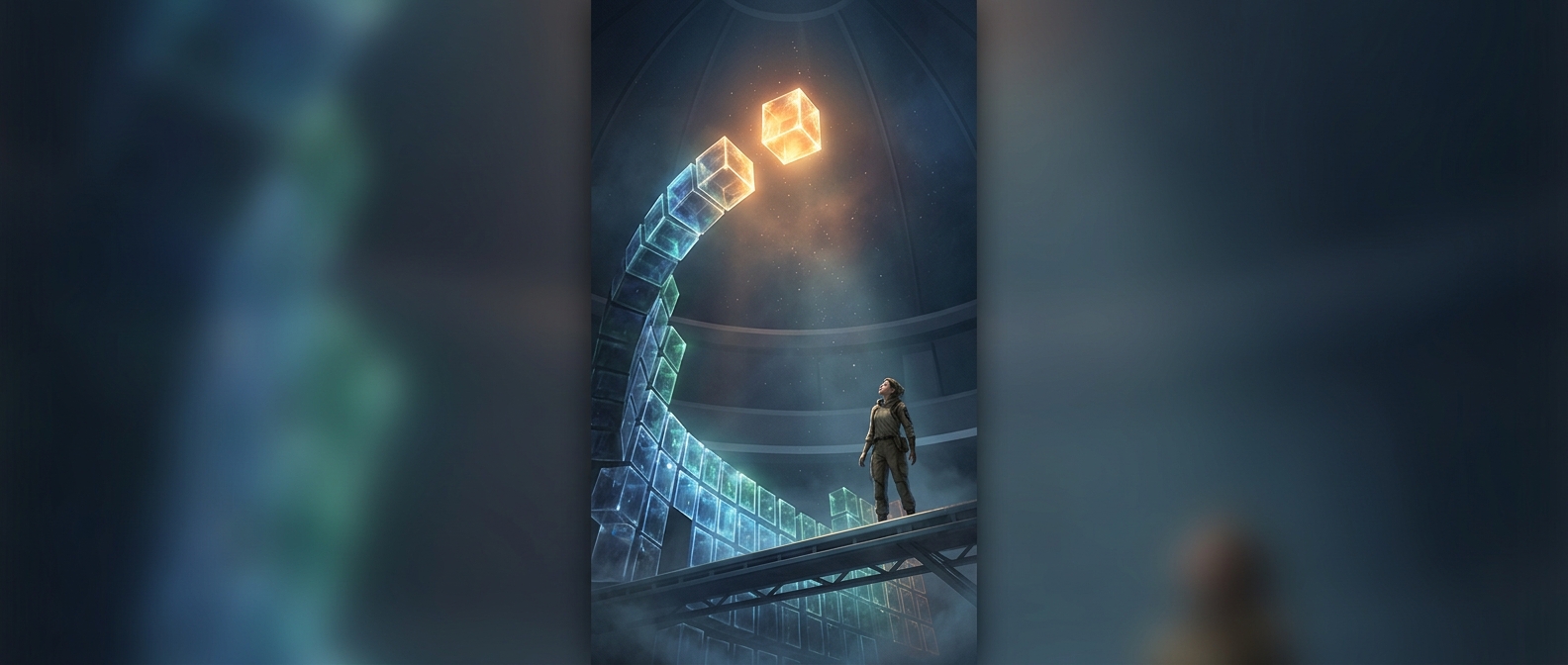
Oganesson neatly finishes the modern periodic table
The periodic table puts oganesson among the noble gases, where its position suggests how it might behave. But a very large nucleus can alter electron…
Discover more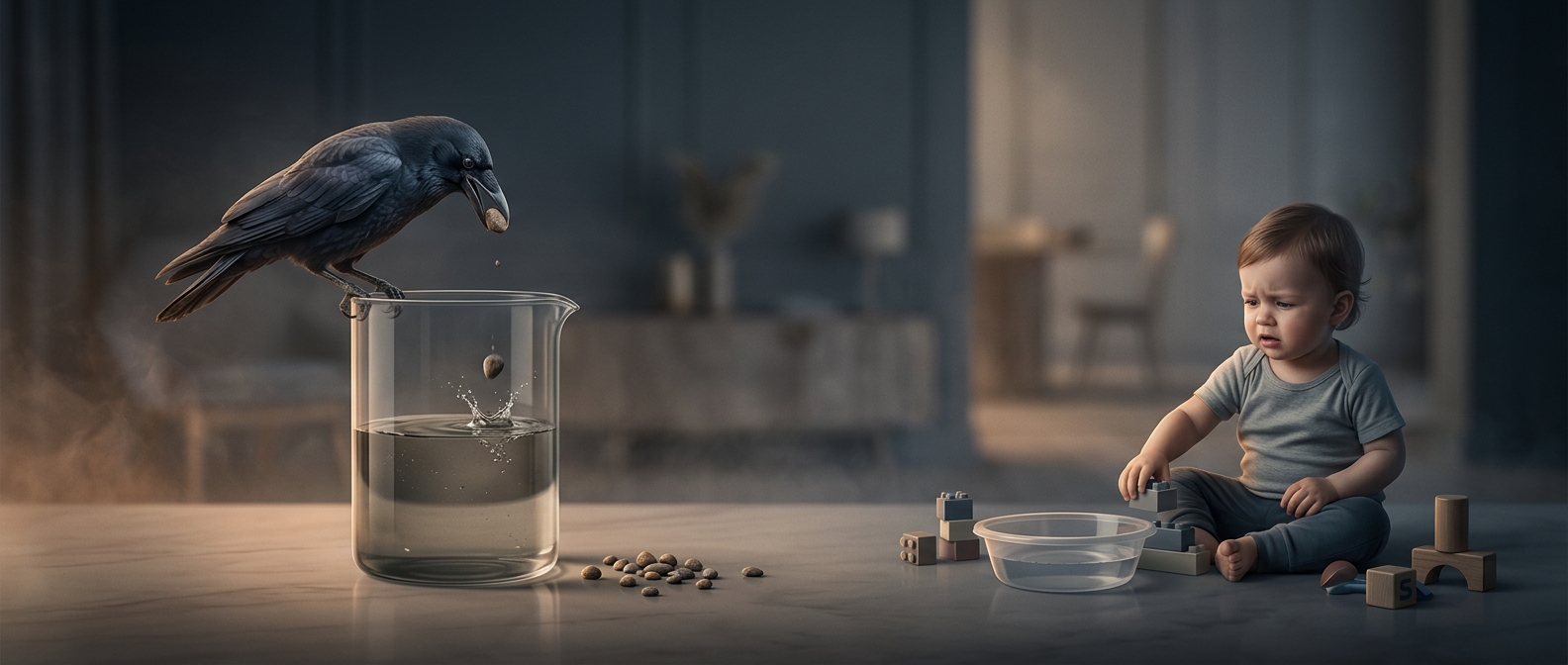
Crows can solve a water displacement puzzle
The crow’s trick is to choose stones that sink. Each one pushes water aside, raising the level until the floating treat comes within reach; a stone that…
Discover more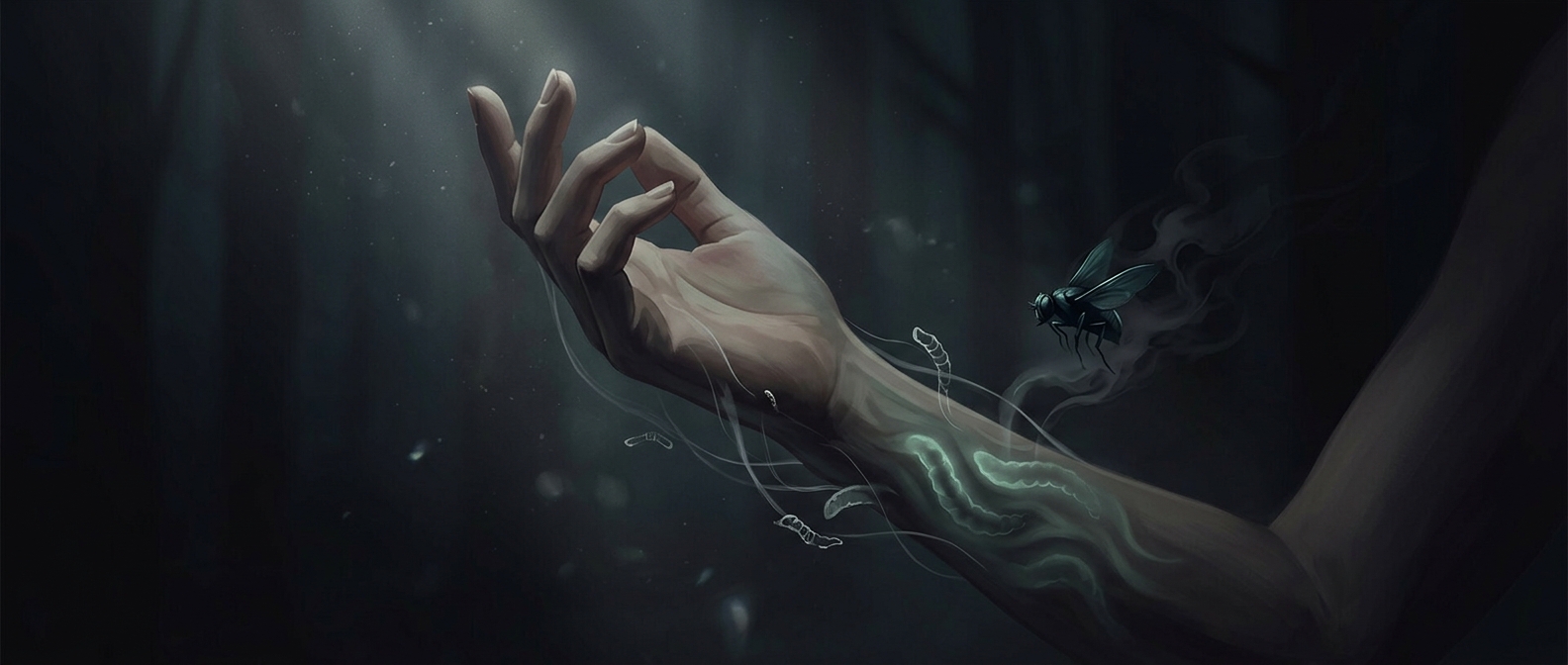
Mosquitoes can deliver bot-fly maggots under your skin
The mosquito is the delivery vehicle, not the source of the larvae. A bot fly can glue eggs onto it, and a person’s warmth may trigger the eggs to hatch when…
Discover more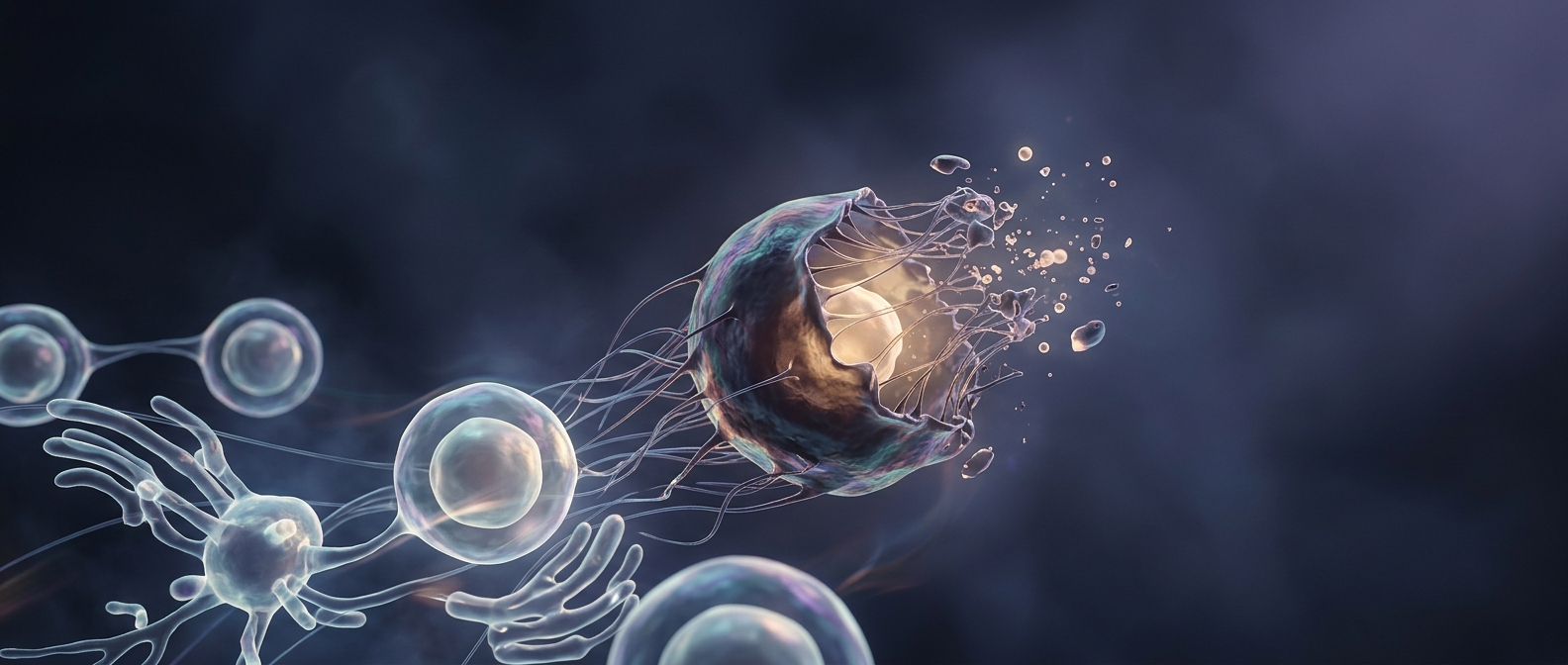
How damaged cells destroy themselves
When a cell is badly damaged, it can dismantle itself in pieces instead of popping open. Each piece stays wrapped in membrane, so immune cells can carry it…
Discover more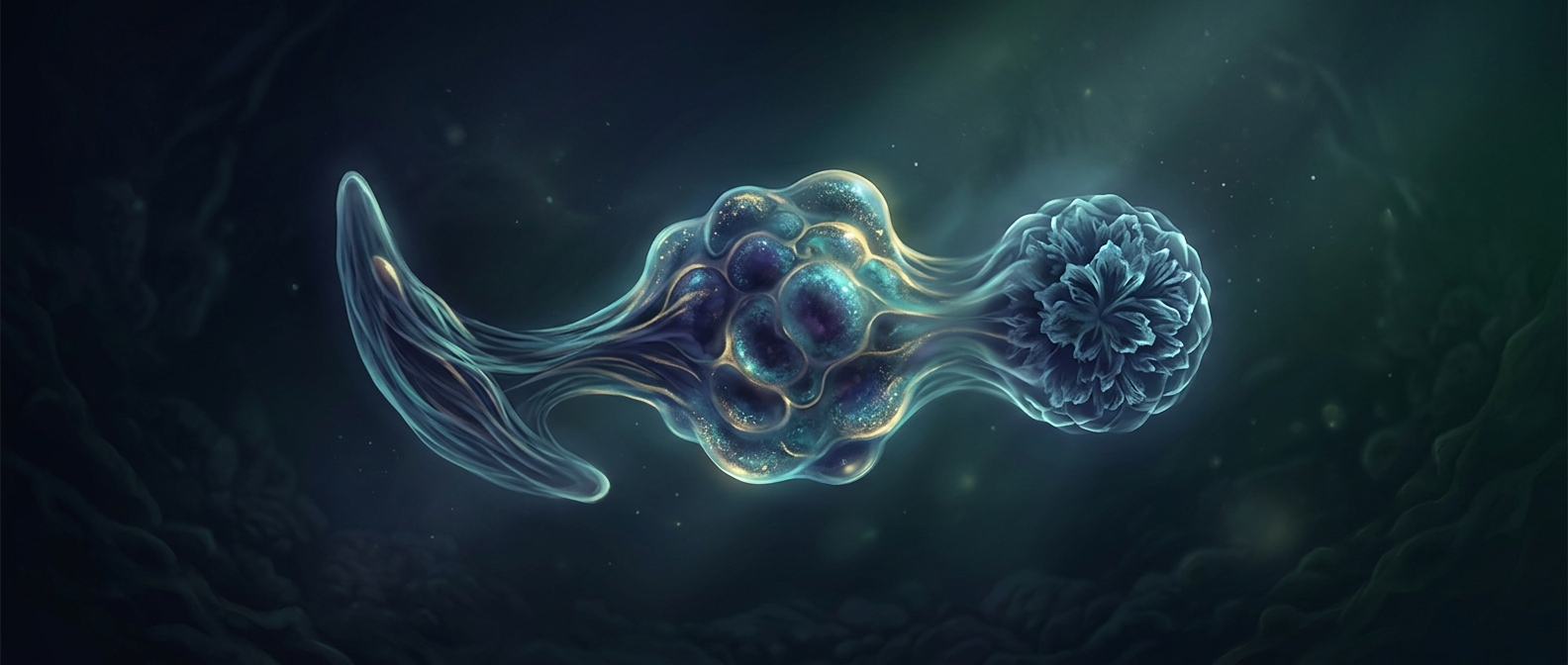
Plasmodium parasites drastically alter their physical shape
A Plasmodium parasite changes shape as it changes jobs inside a red blood cell. It starts as a ring-shaped form, grows while feeding, then divides into new…
Discover more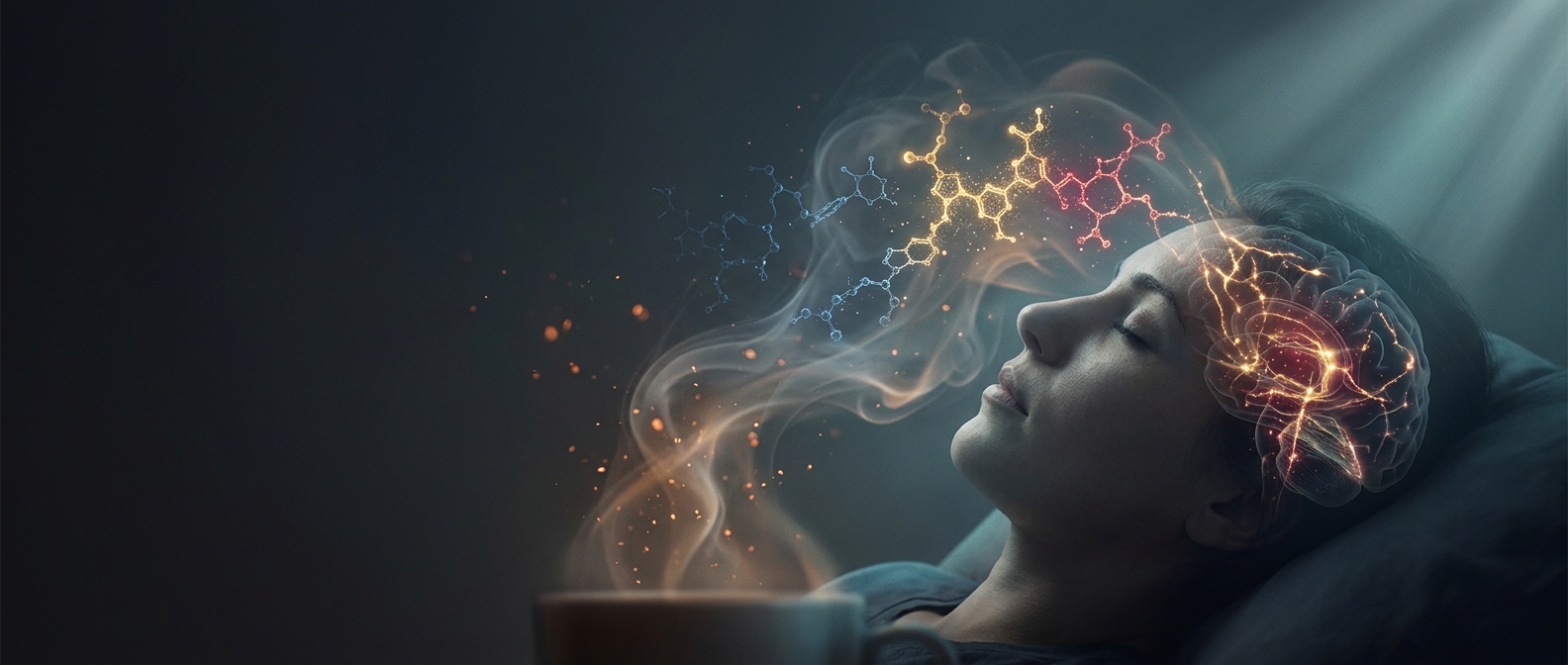
Even coffee's smell affects the brain
The rats smelled coffee but got no caffeine, yet the aroma changed activity in brain proteins linked to stress responses and antioxidant defenses. That shows…
Discover more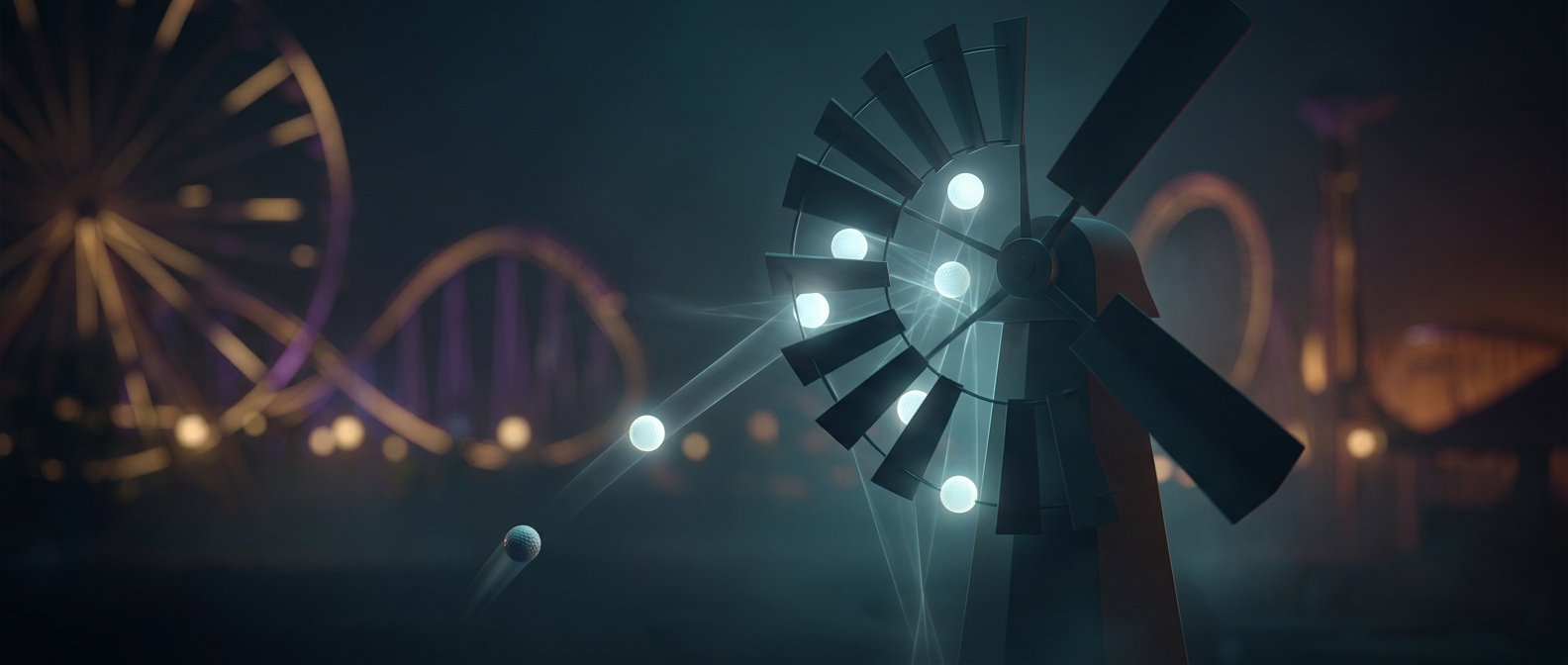
Why mini-golf windmills are secretly predictable
The blades turn at a steady beat, so a ball sent down the same line at the same speed arrives at nearly the same point in that beat. It may find the same gap…
Discover more
Igneous rocks form from superheated magma
Molten rock becomes igneous rock as it cools, and the cooling speed leaves a clue in its texture. Lava at the surface can chill quickly into glassy obsidian;…
Discover more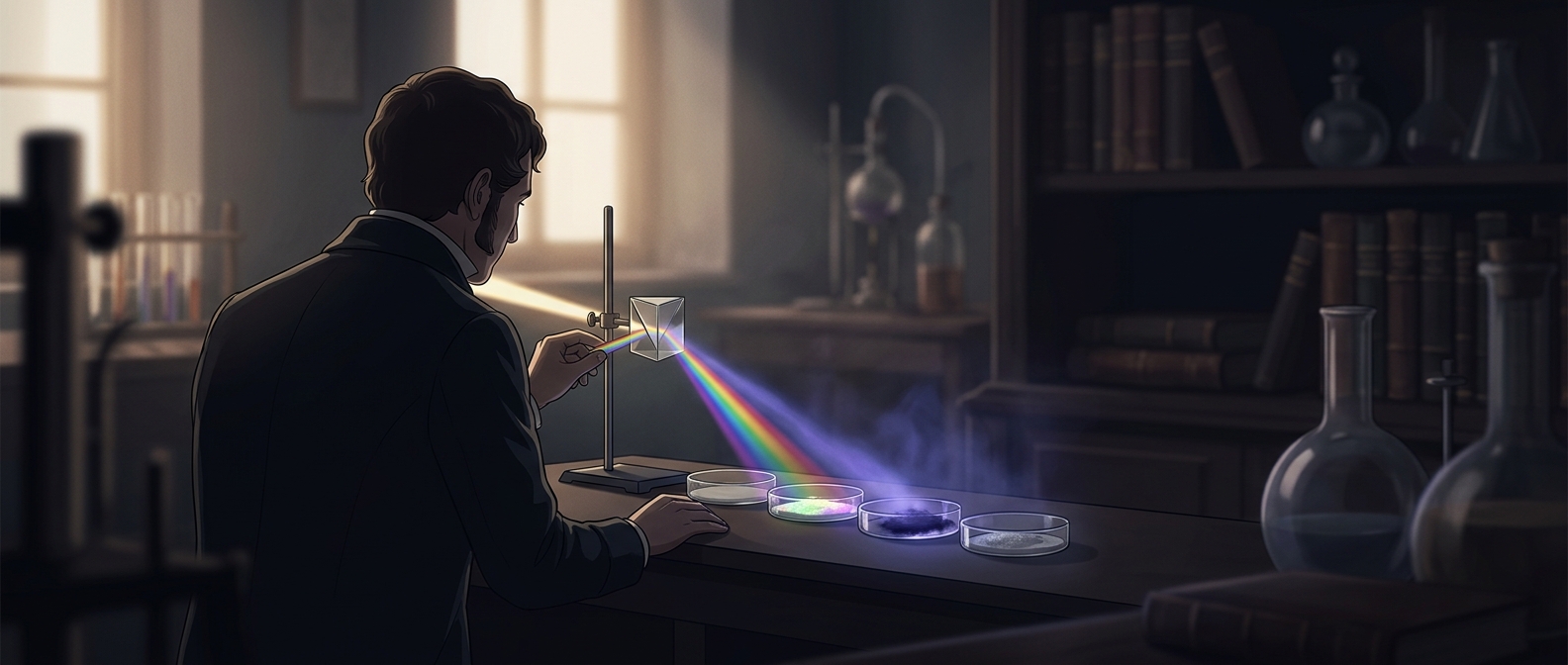
Ritter discovered ultraviolet light using silver chloride
After learning about infrared light beyond the red end of the visible spectrum, Johann Ritter looked for invisible light beyond violet.…
Discover more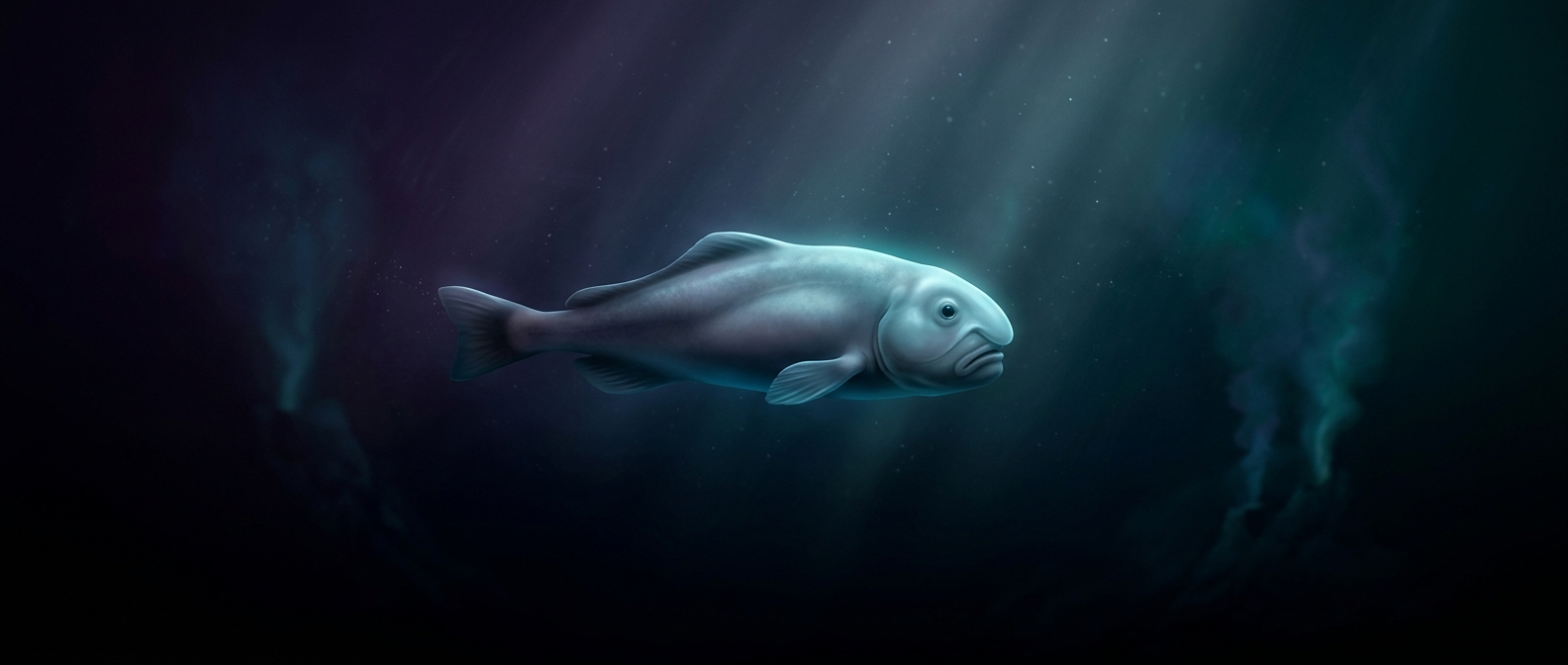
Blobfish only look ugly after surfacing
At its deep-water home, pressure from the surrounding water supports the blobfish’s soft body, helping it hover without a gas-filled swim bladder. Bring it…
Discover more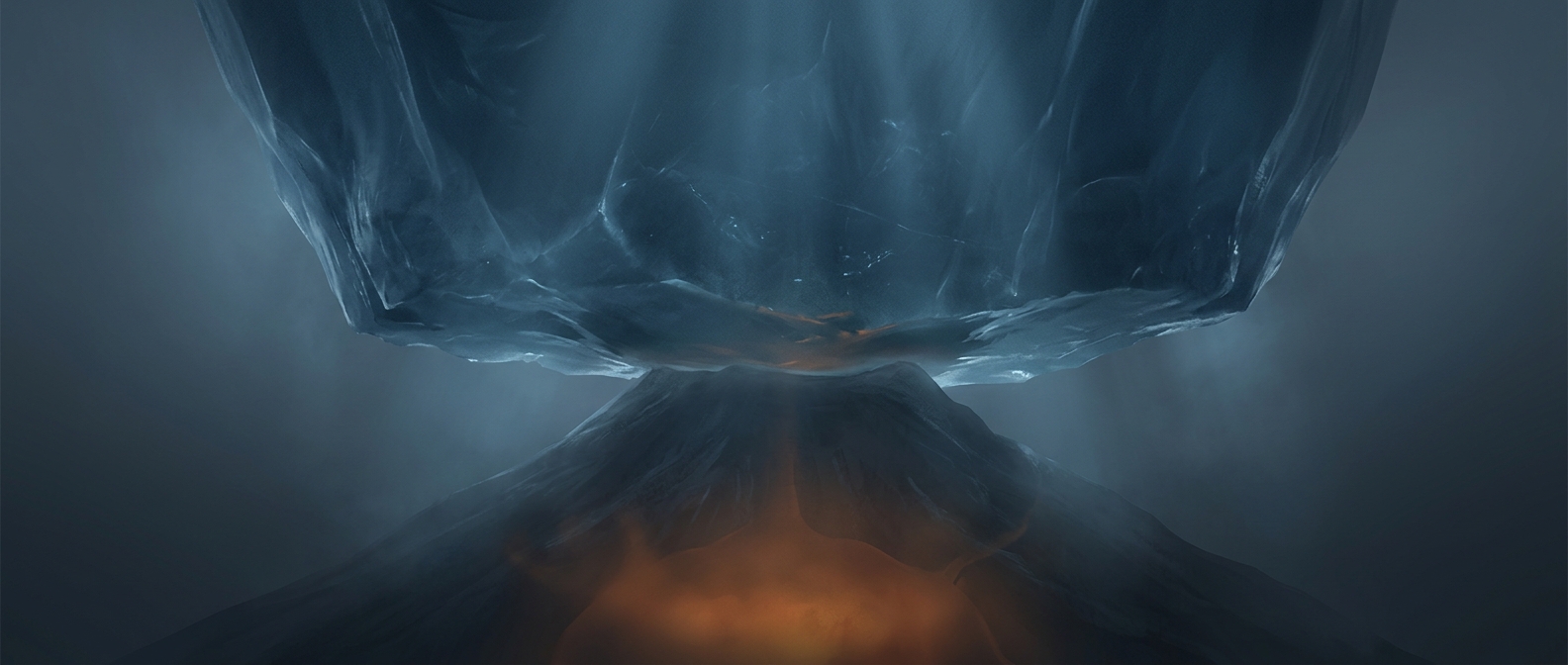
How melting glaciers can unleash volcanoes
When thick ice melts, the ground beneath it loses the weight that was pressing down. That reduced pressure can let rising mantle rock melt more readily,…
Discover more
Copernicium bizarrely acts like a standard noble metal
Copernicium may be reluctant to bond with other atoms, according to calculations, because its enormous nuclear charge changes how its electrons behave. That…
Discover more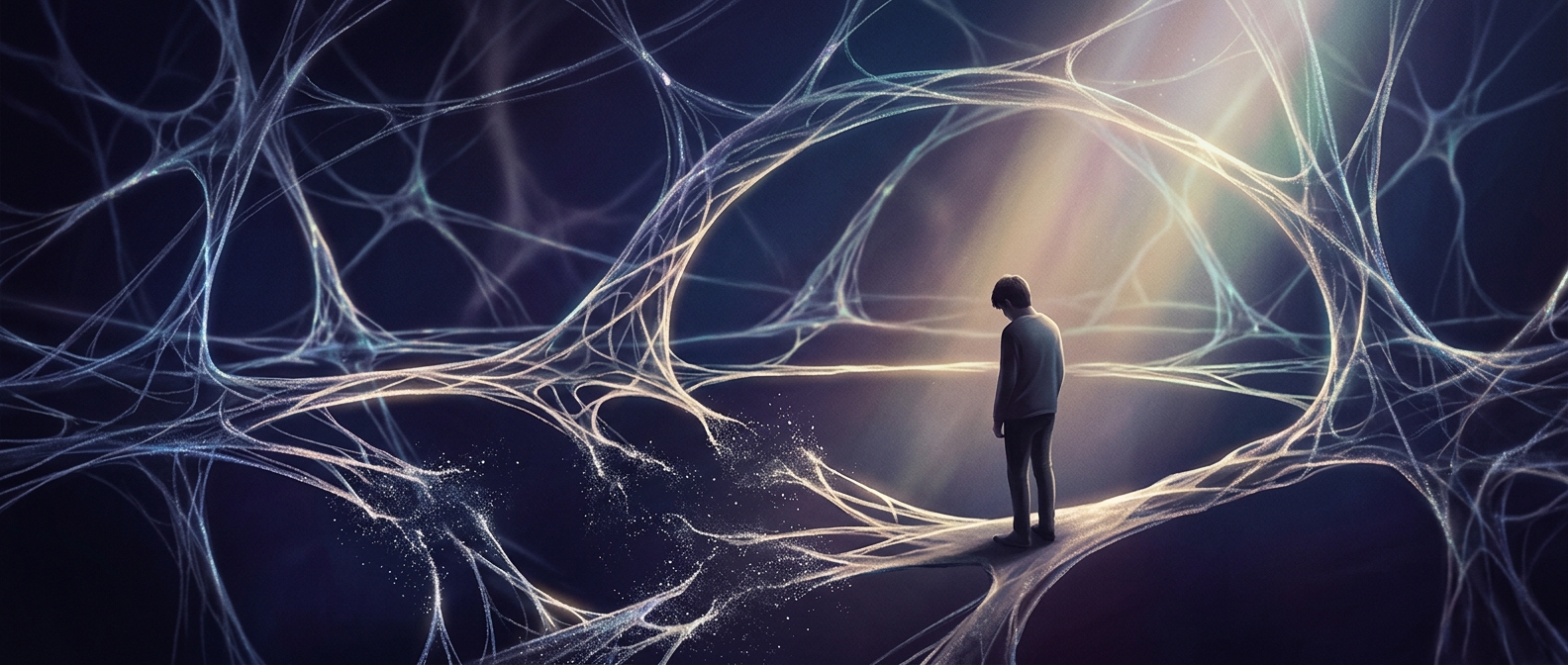
Why teenage brains prune away old connections
During adolescence, the brain trims some synaptic connections—the junctions through which nerve cells communicate—while strengthening others. It is less like…
Discover more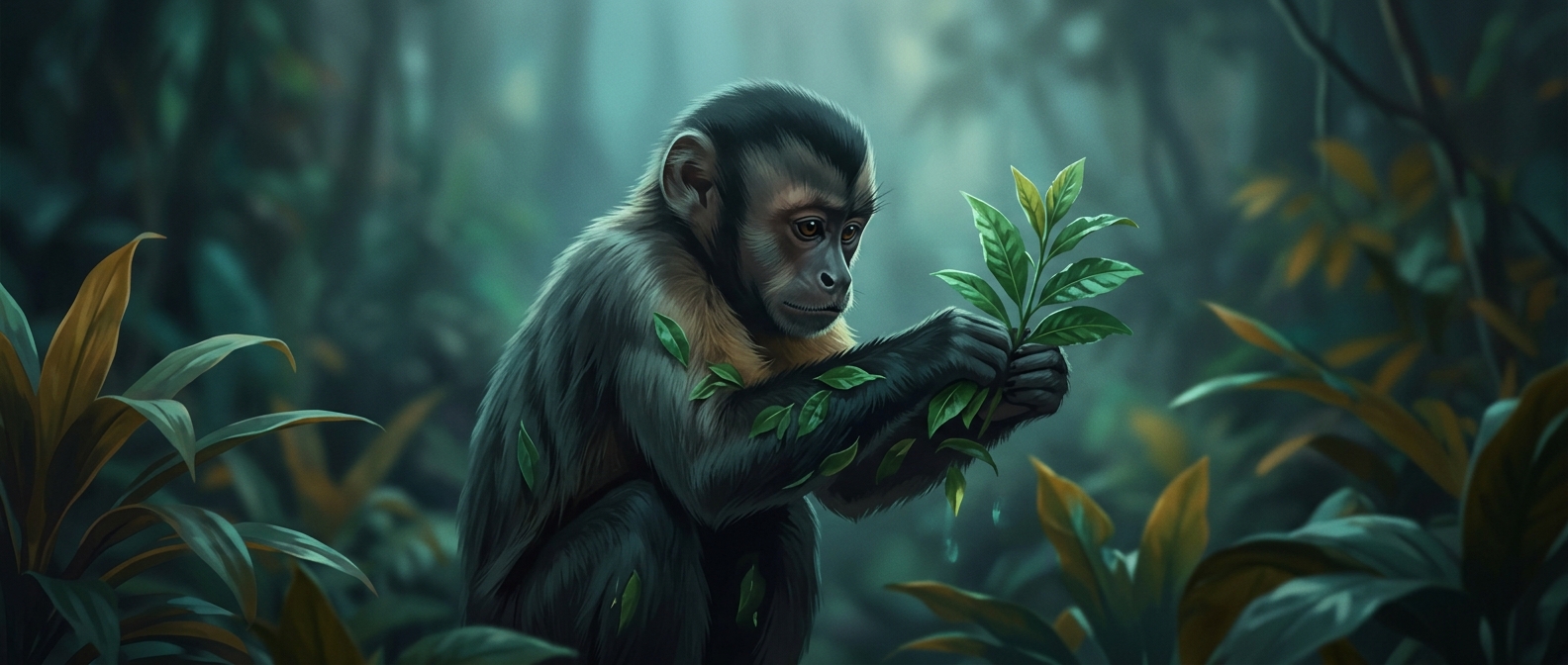
Capuchin monkeys make their own bug repellent
Capuchins mash pungent ingredients such as onions, citrus, and toxic millipedes, then rub the mixture into their fur. The strong smells and chemicals may help…
Discover more
Vastu Shastra requires perfect directional alignment
Vastu Shastra is a traditional design practice, but there’s no scientific evidence that pointing a room in a particular direction guarantees prosperity. Its…
Discover more