Science
Discover facts about science. Small discoveries that change the way you see familiar things.
Science
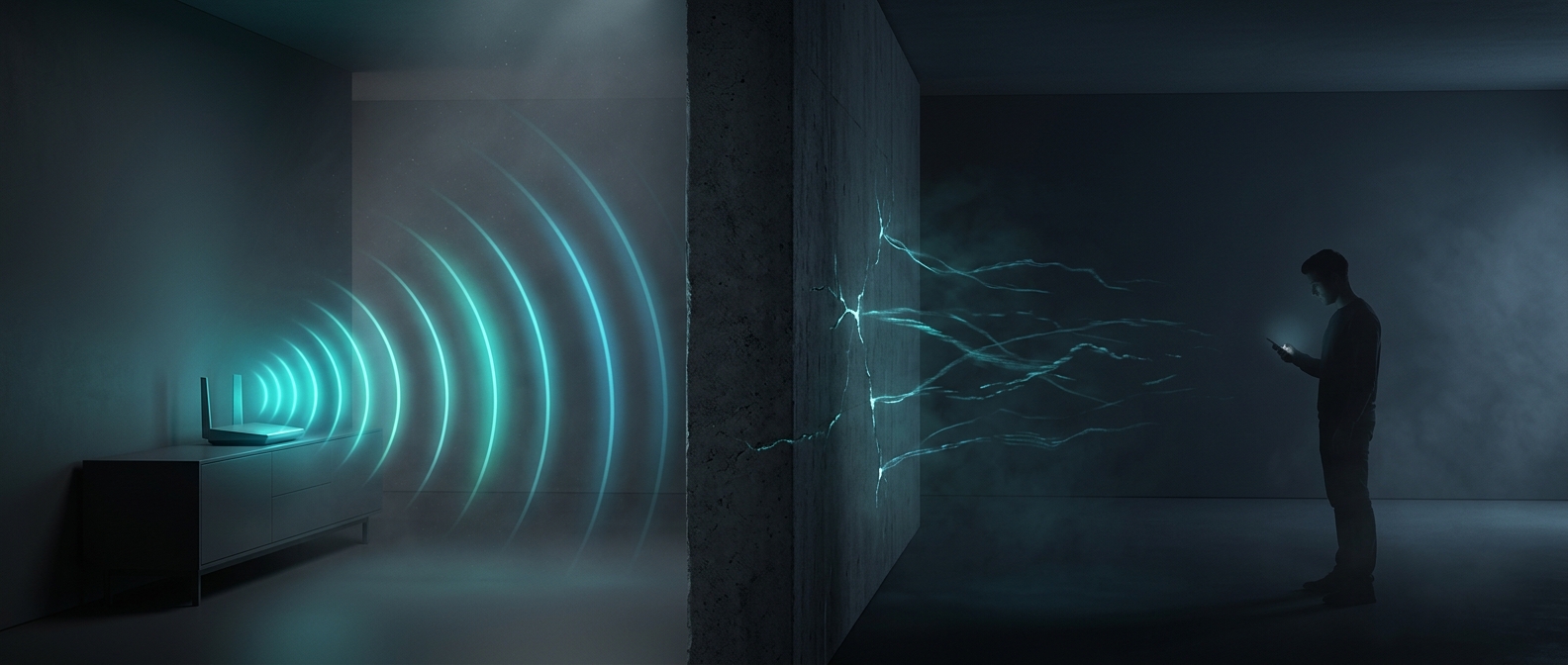
Wi-Fi signals severely degrade through solid walls
A Wi-Fi signal doesn't hit a wall and vanish; the wall absorbs some radio energy, reflects some, and lets some through. Concrete and metal can drain away a…
Discover more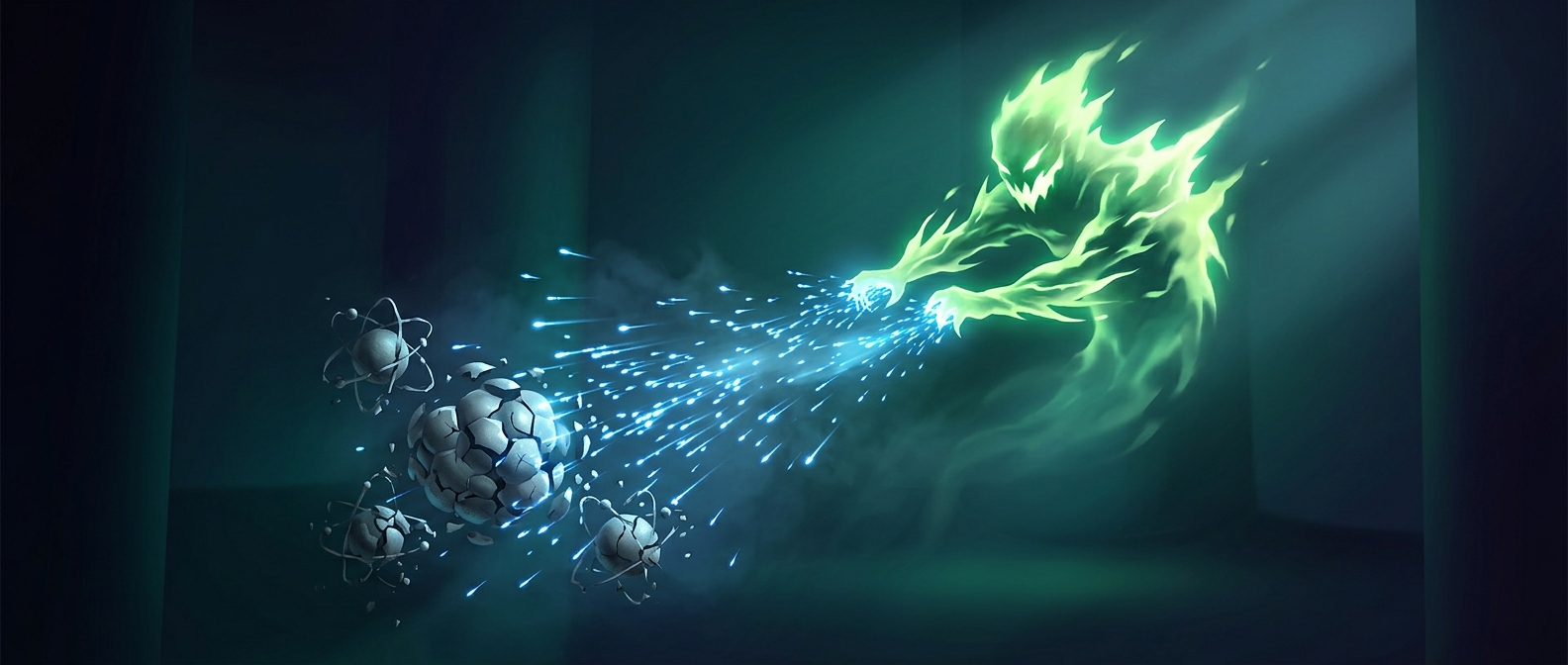
Chlorine violently steals electrons from other atoms
When sodium meets chlorine, an electron shifts from sodium to chlorine. The newly charged atoms attract each other and settle into a stable arrangement: table…
Discover more
Francium reacts explosively with water
Francium is expected to react explosively with water because it belongs to the highly reactive alkali-metal family. But it exists only in tiny amounts, and…
Discover more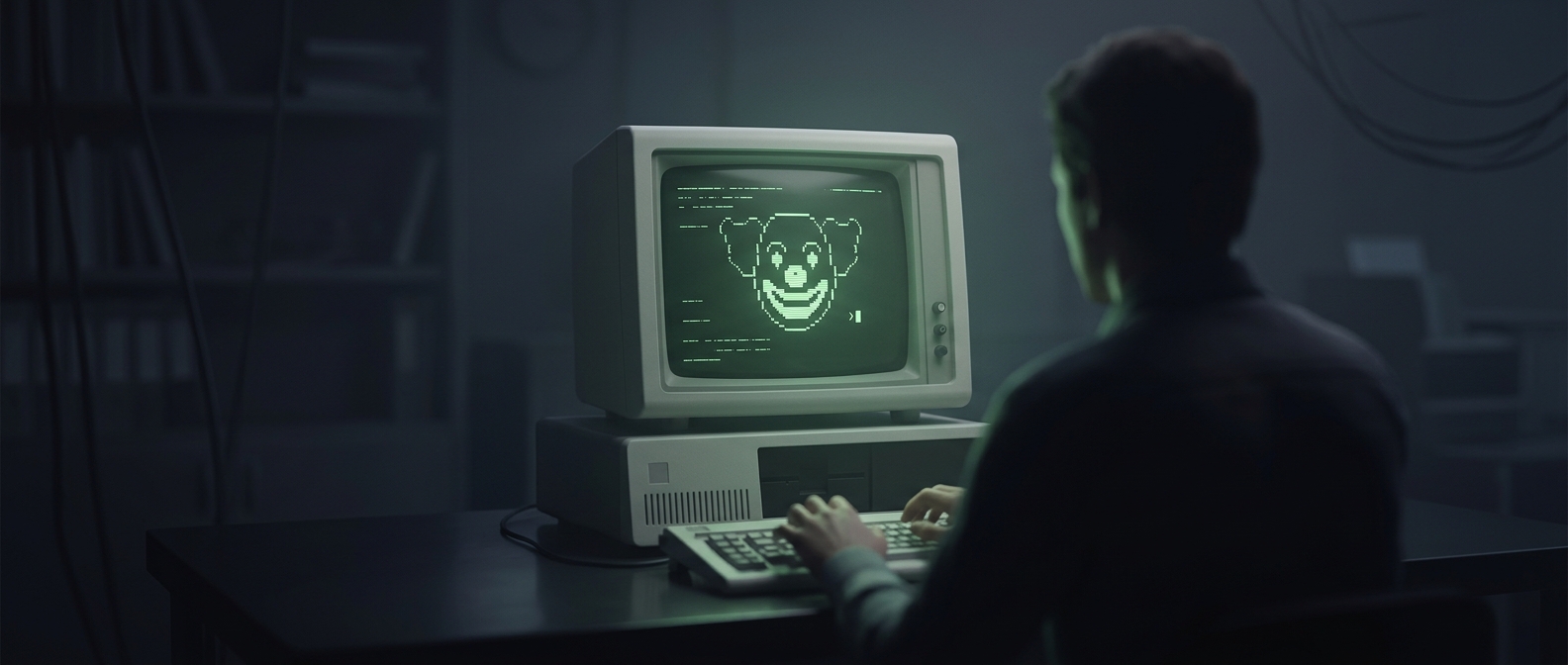
An early computer virus introduced itself with a poem
Rich Skrenta's Elk Cloner spread among Apple II computers in 1982 by hitching rides on floppy disks. Its prank included displaying a poem about copying…
Discover more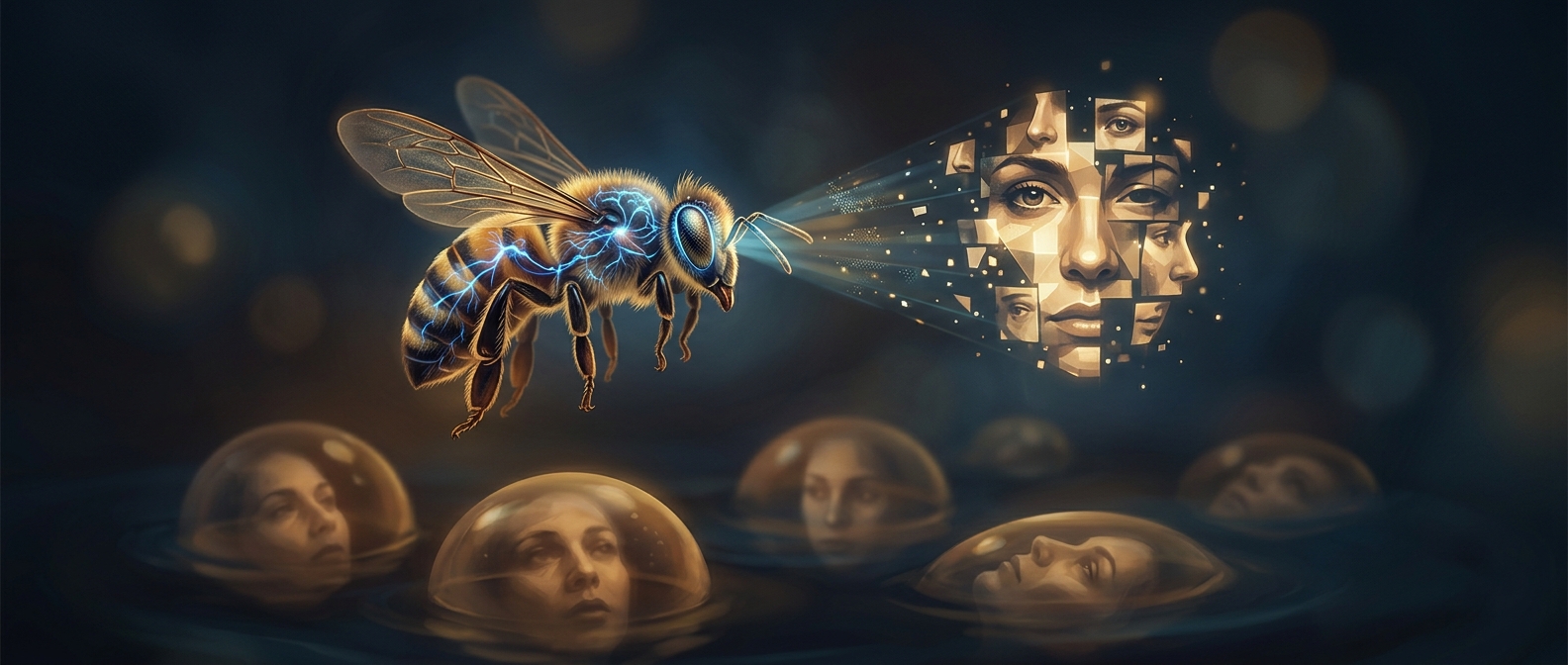
Honeybees can recognize human faces
Bees can remember a face-like pattern: eyes above a nose, with a mouth below. In experiments, they learn which arrangement earns a reward and choose it again…
Discover more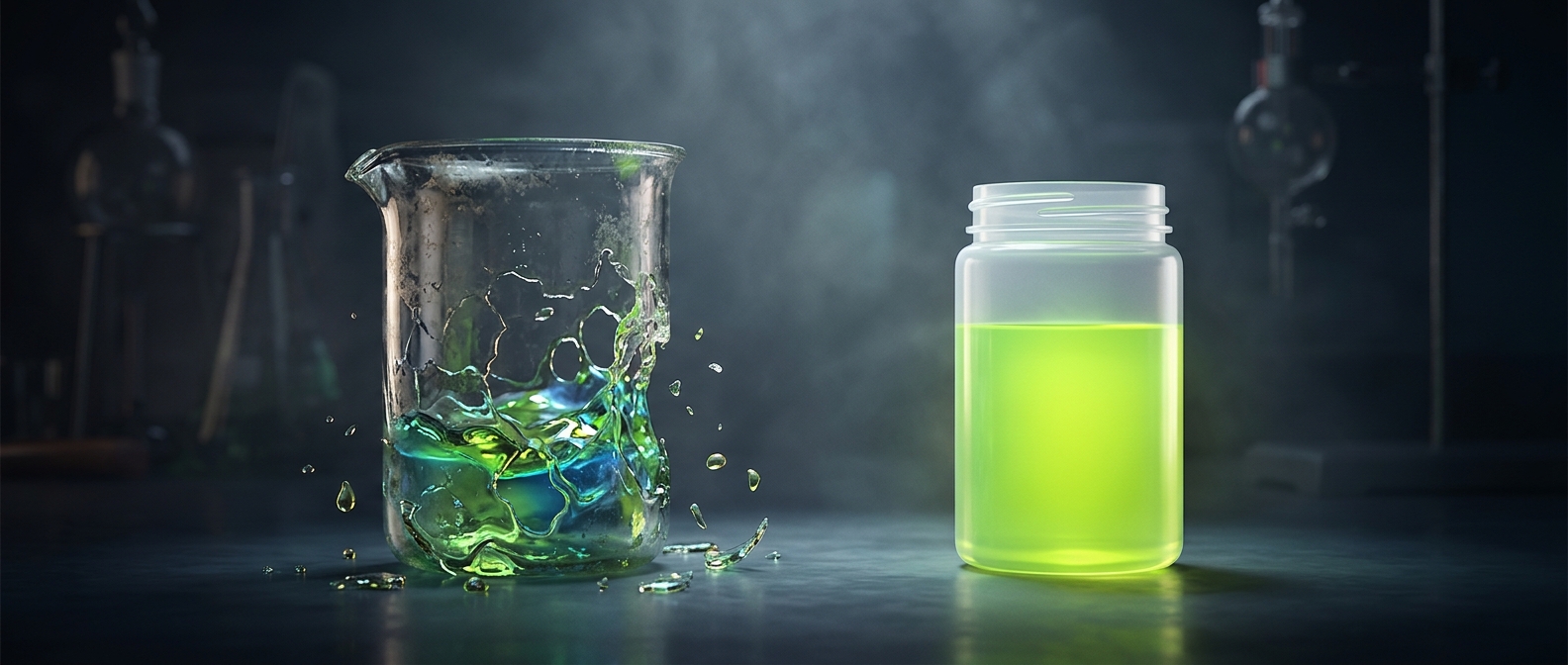
Hydrofluoric acid can cause harm beyond the visible burn
It penetrates tissue, and fluoride can disrupt calcium and magnesium in the body, putting the heart at risk. Pain can be delayed after some exposures, so an…
Discover more STACKY FOR IPHONE
A bigger world.
One discovery
at a time.
Keep discovering with Stacky. Interesting facts in an app that is always within reach.
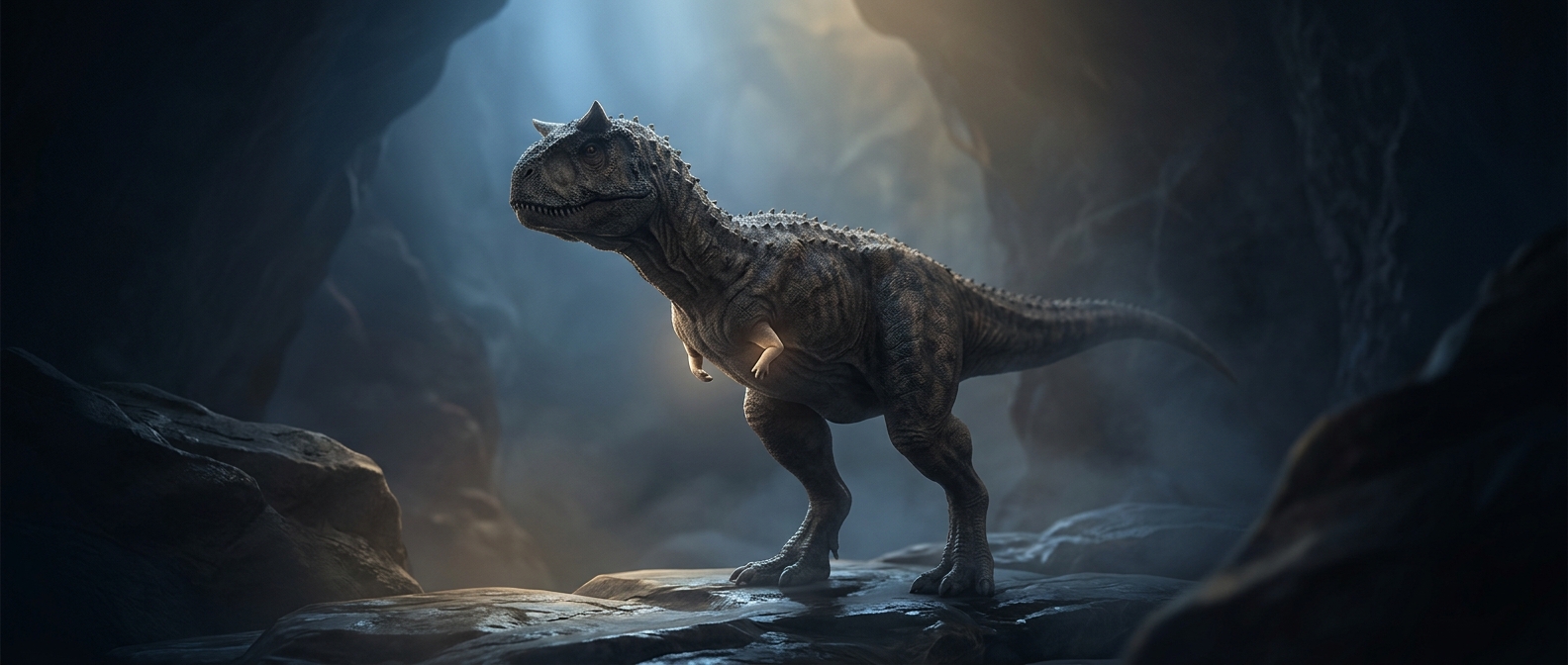
Carnotaurus had arms without wrist joints
Carnotaurus’s arms looked fearsome only until you tried to imagine them grabbing something. They were so small and stiff at the wrist that they were unlikely…
Discover more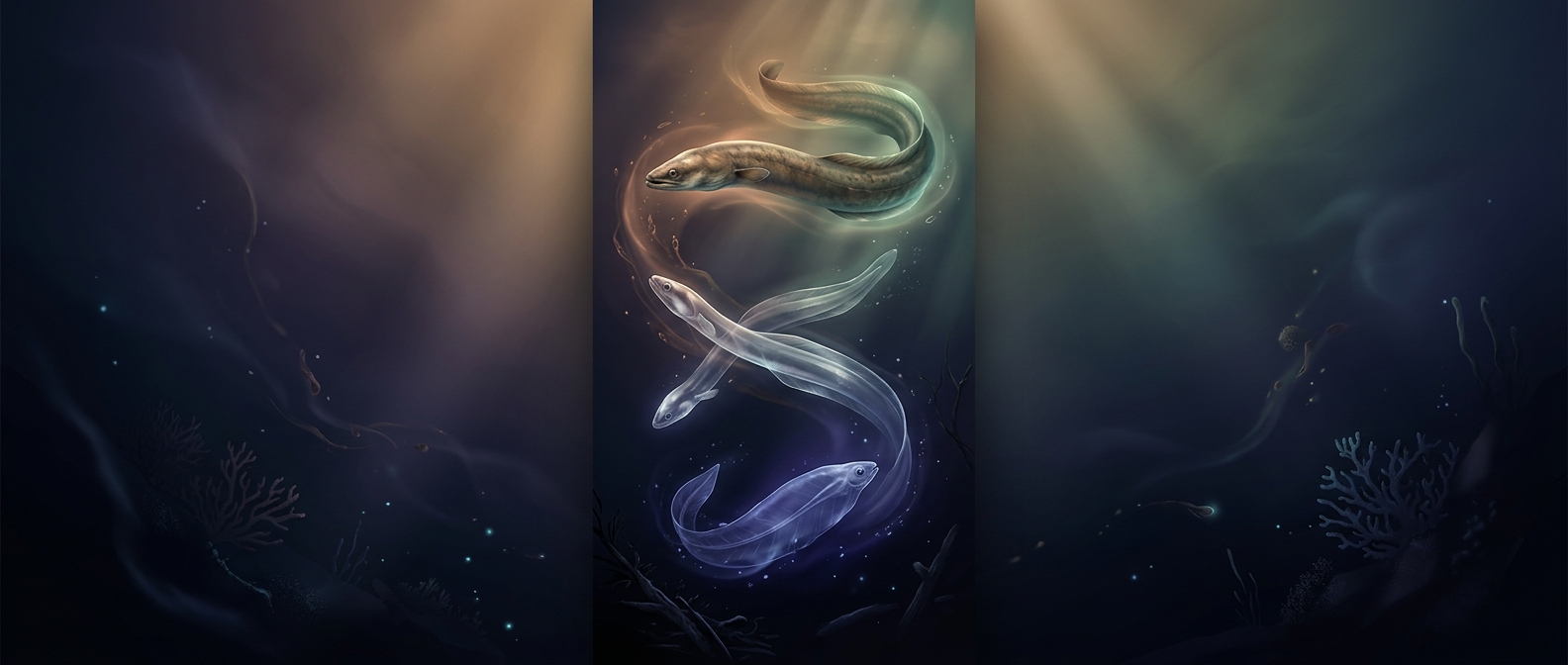
Why scientists once thought eels were different species
An eel begins as a transparent, leaf-shaped larva, then becomes a slender glass eel before growing into later yellow and silver stages. The larva looks so…
Discover more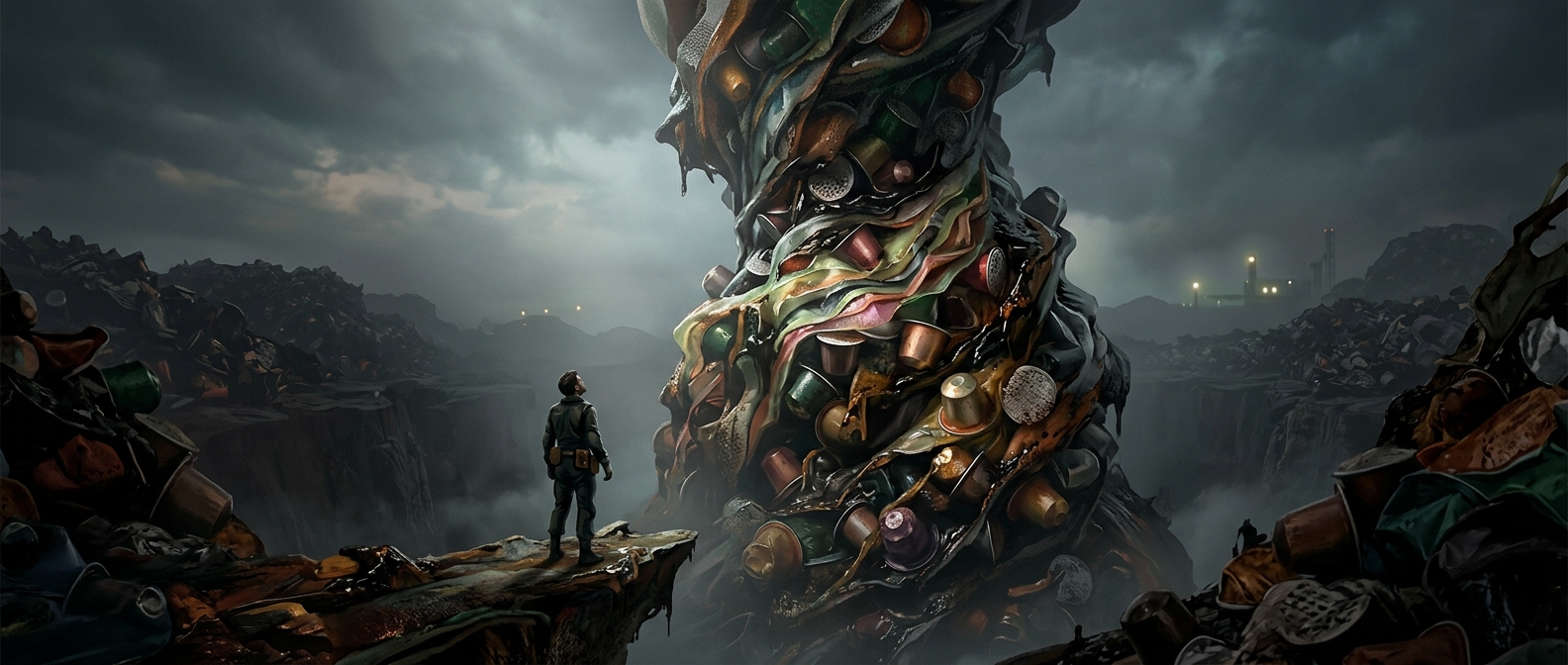
Why most coffee pods are so hard to recycle
Recycling works best when a facility can sort one material from another, but a coffee pod may combine bonded layers with used grounds. Even if each packaging…
Discover more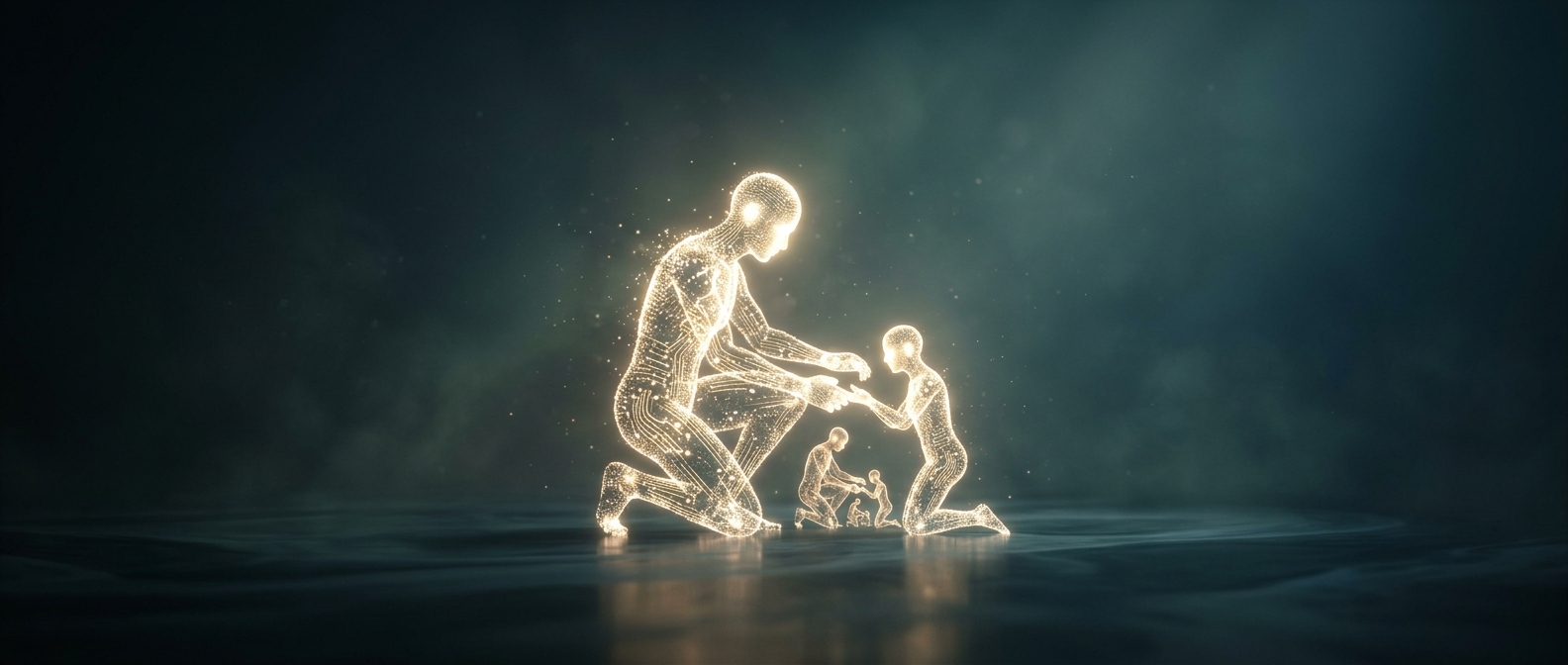
Recursion elegantly solves problems by calling itself
A recursive function solves a problem by tackling a smaller version of the same problem, then using that answer to finish the larger one. For a countdown, it…
Discover more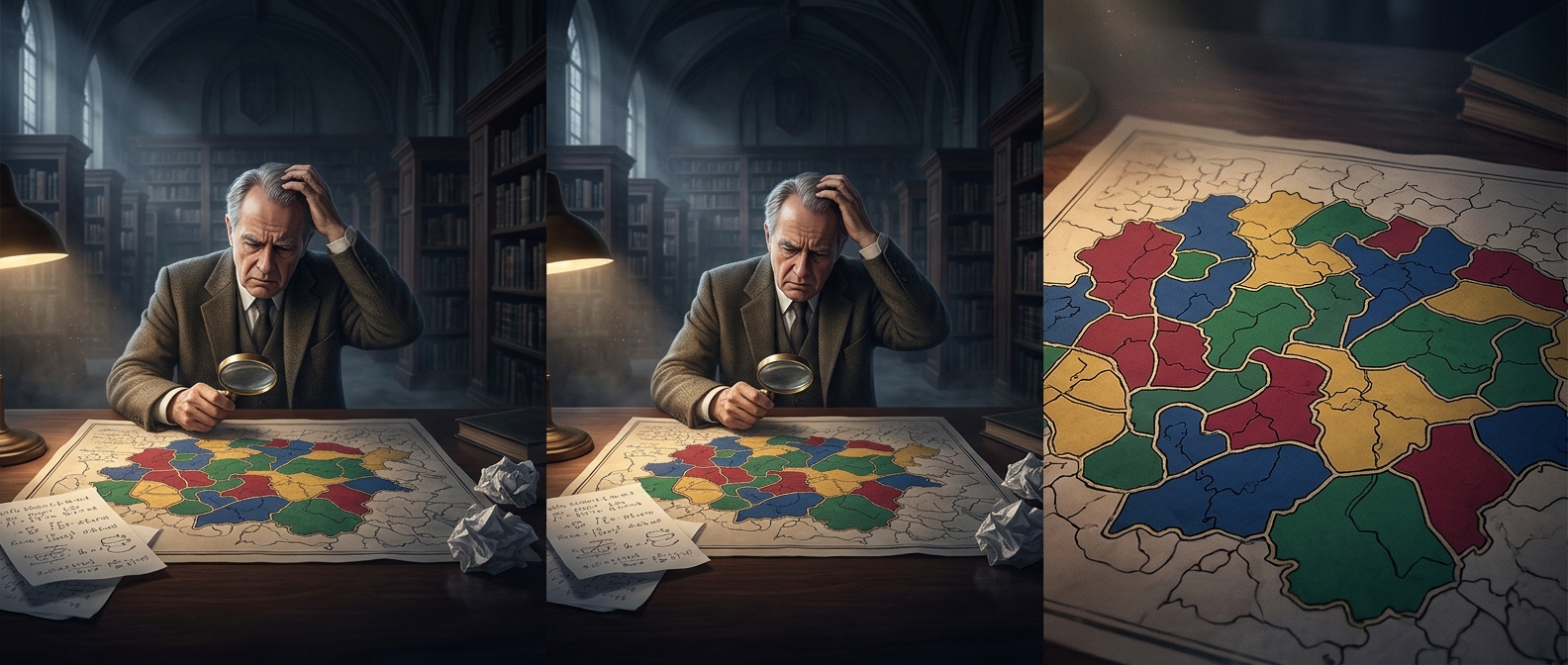
A computer helped prove that four map colors are enough
The 1976 proof of the four-color theorem relied on checking a huge collection of cases by computer. That changed the question from simply following an…
Discover more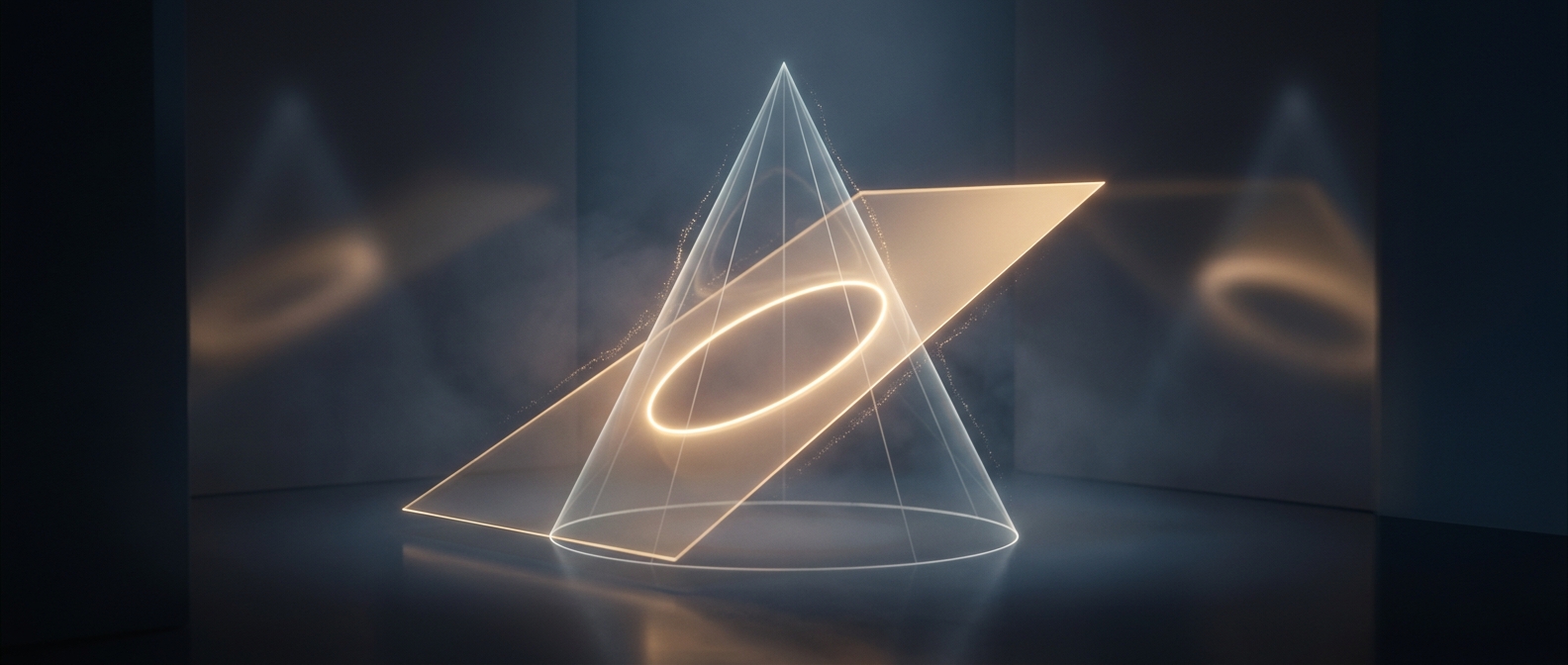
Slicing cones at specific angles produces pure ellipses
The slice’s angle decides what shape appears inside a cone. A level cut gives a circle; a slanted one makes an ellipse, stretched farther in one direction…
Discover more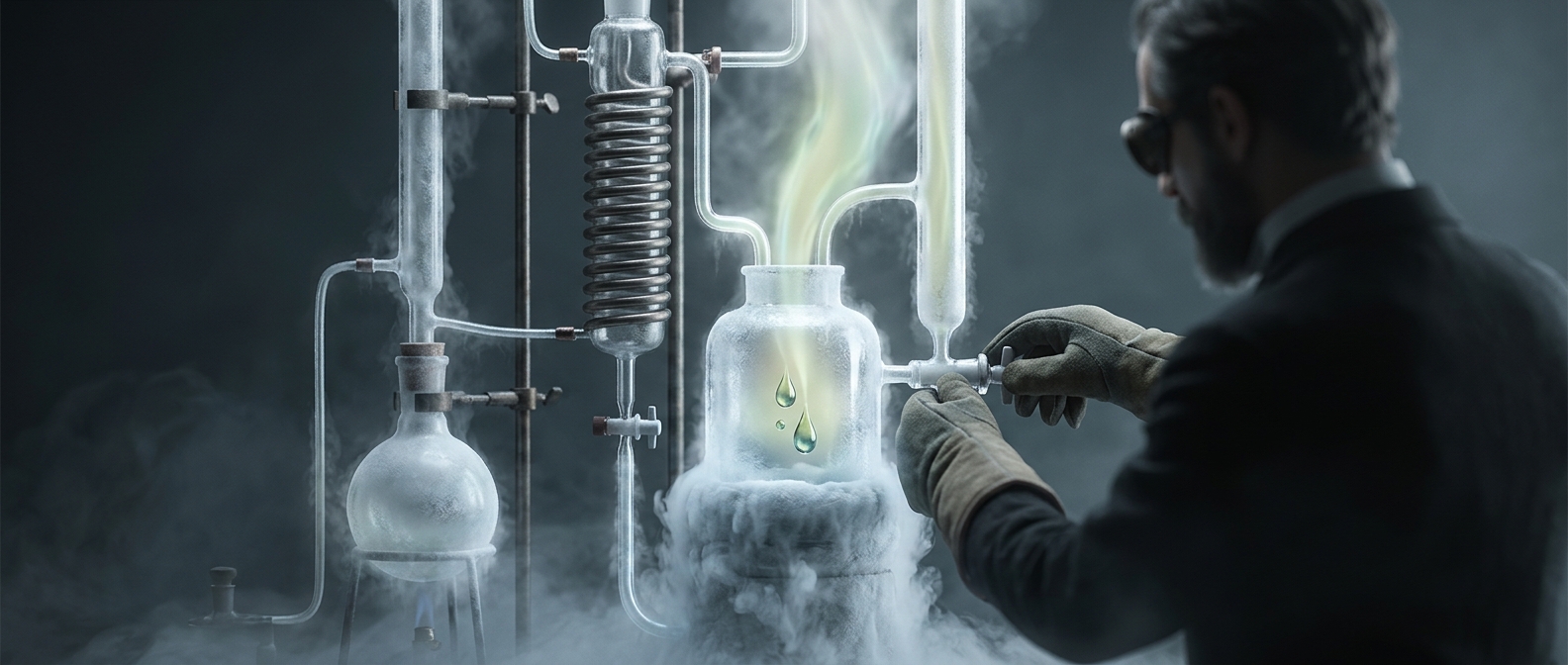
Moissan isolated fluorine through extreme chilling
Fluorine reacts so readily that isolating it meant controlling what it touched. Moissan used very low temperatures to slow those reactions and make the…
Discover more
Radioactive isotopes decay at incredibly precise intervals
Imagine a crowd of radioactive atoms, each with no scheduled appointment to decay. You can’t predict which one goes next, but over a large group the odds…
Discover more
Static charges strictly require insulating materials to build
Insulators hold static charge because it can’t move away easily. A conductor can hold charge too, as long as it’s isolated; connect it to the ground and the…
Discover more
A foam dart hides its flight control in the nose
The tip puts more mass toward the front than the light foam body. Air resistance then helps the trailing body line up behind it, keeping the dart flying…
Discover more
Marine iguanas slow their hearts to stay underwater
A marine iguana dives to graze on algae while holding its breath. Slowing its heart helps conserve the oxygen it brought down from the surface. After feeding…
Discover more
Direct sunlight exposure triggers systemic allergic reactions
Sometimes UV light changes a substance in the skin enough for the immune system to recognize it as a threat. The resulting allergic reaction usually appears…
Discover more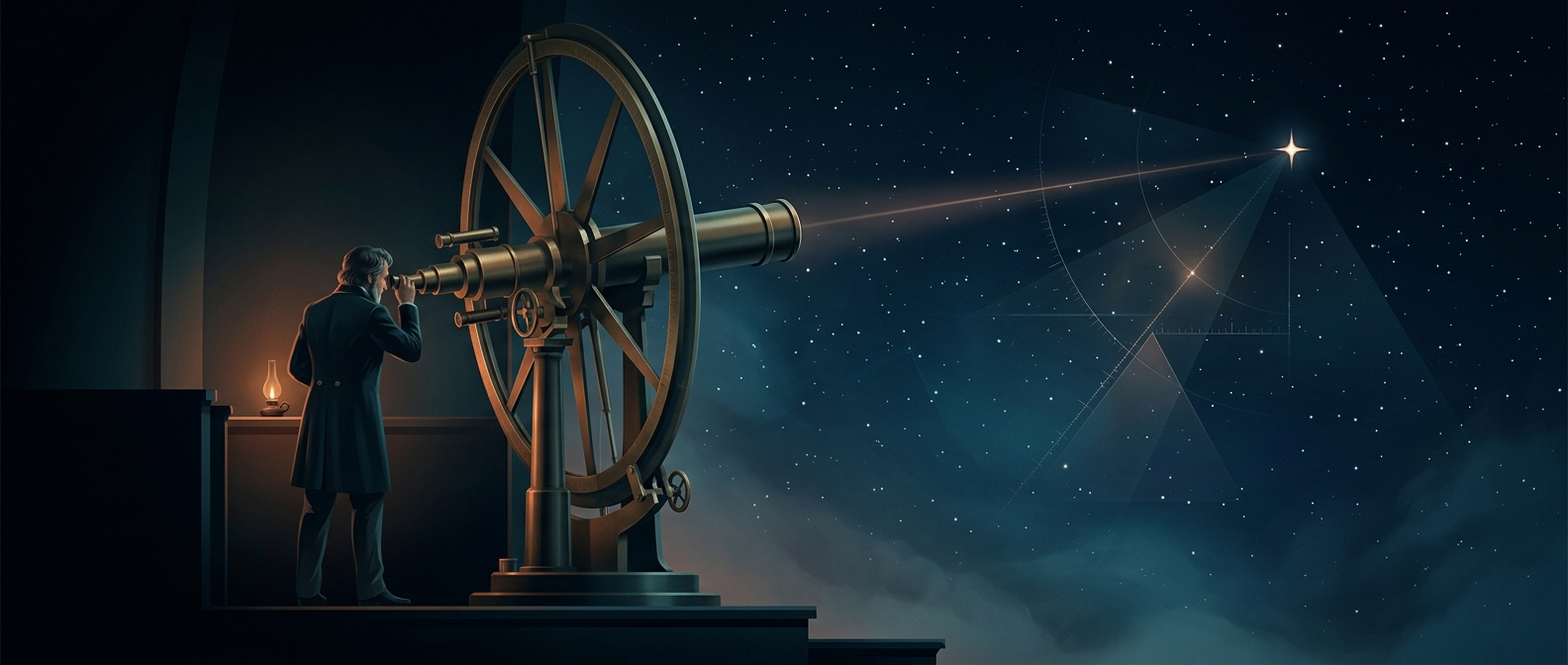
Bessel measured the exact physical distance to a star
Hold up a finger and look at it first with one eye, then the other: it seems to jump against the background. Earth’s orbit gives astronomers a much larger…
Discover more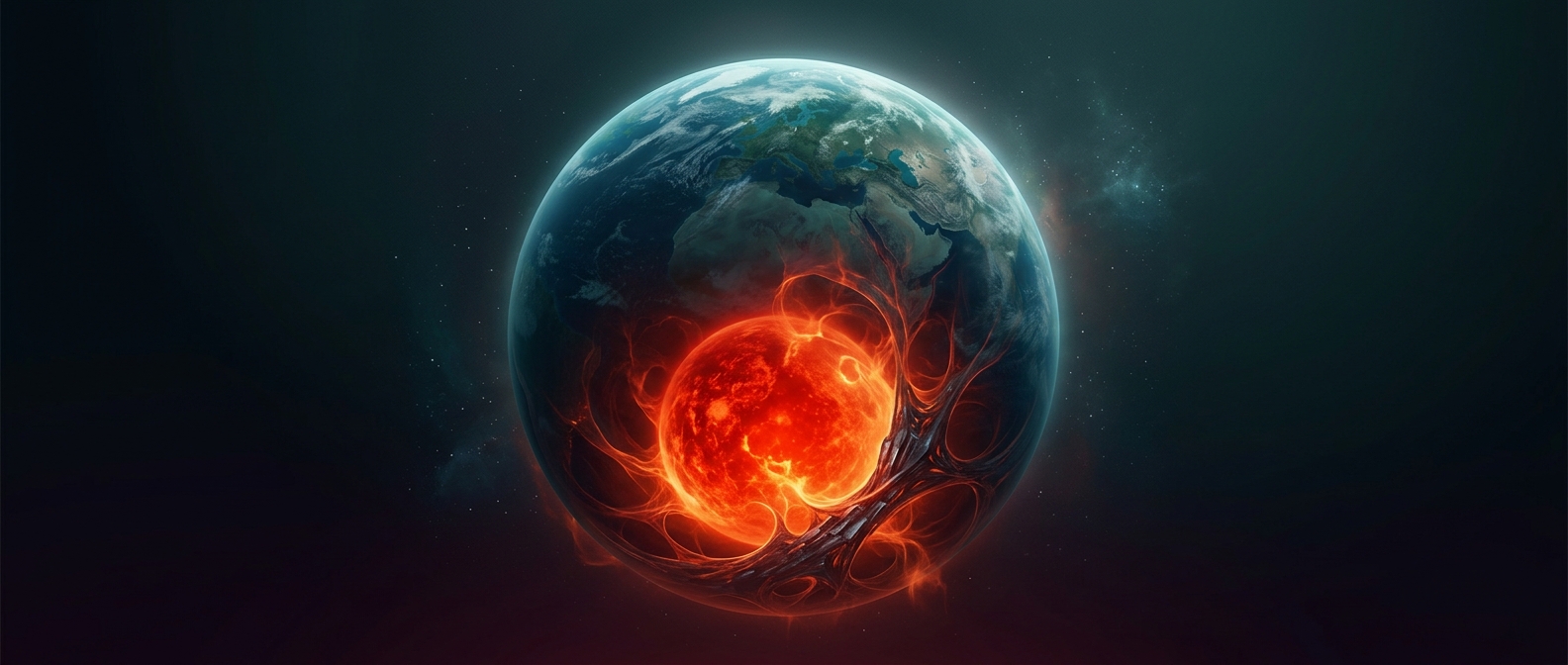
About a third of Earth's mass is iron
Much of that iron lies deep in the core rather than in the rocks you see at the surface. Movement in the electrically conducting liquid outer core helps…
Discover more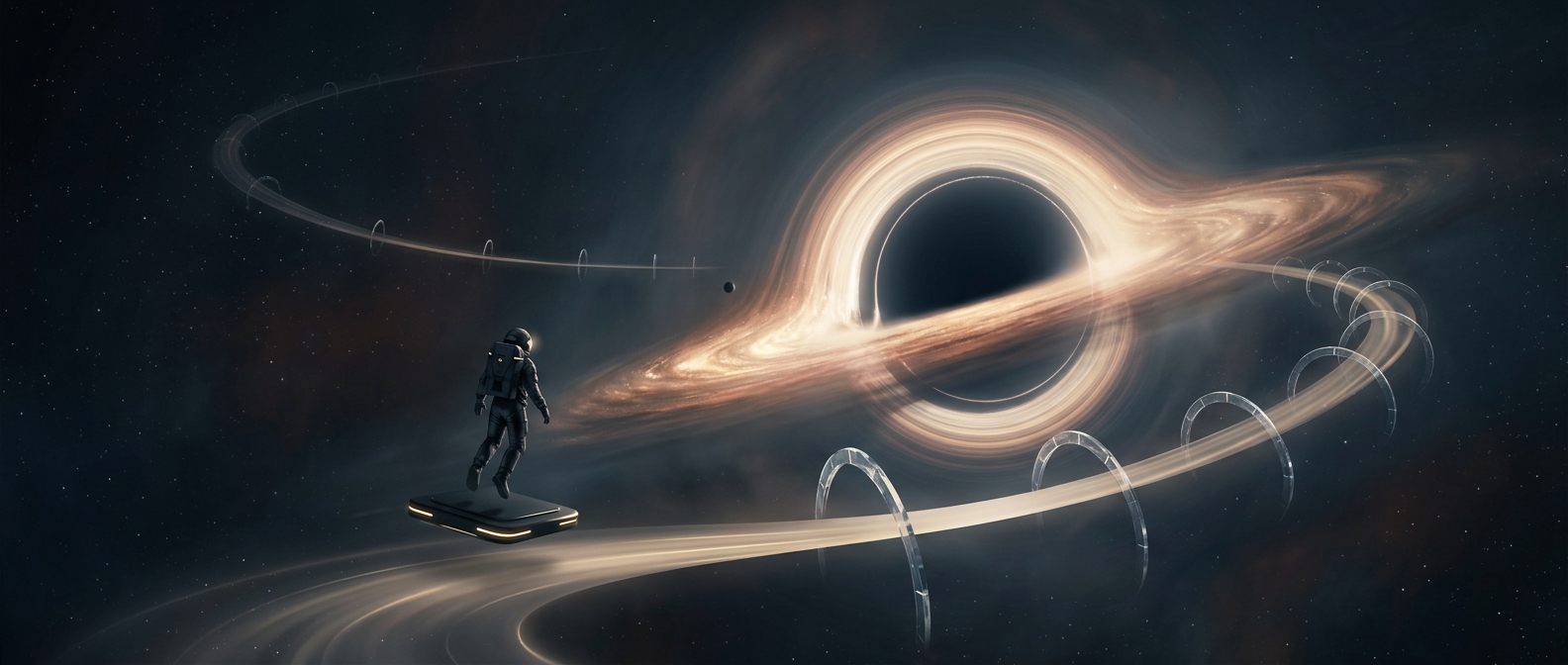
Why time runs slower near a black hole
A clock beside a black hole ticks normally for the person watching it. But gravity makes clocks in different regions of space run at different rates, and the…
Discover more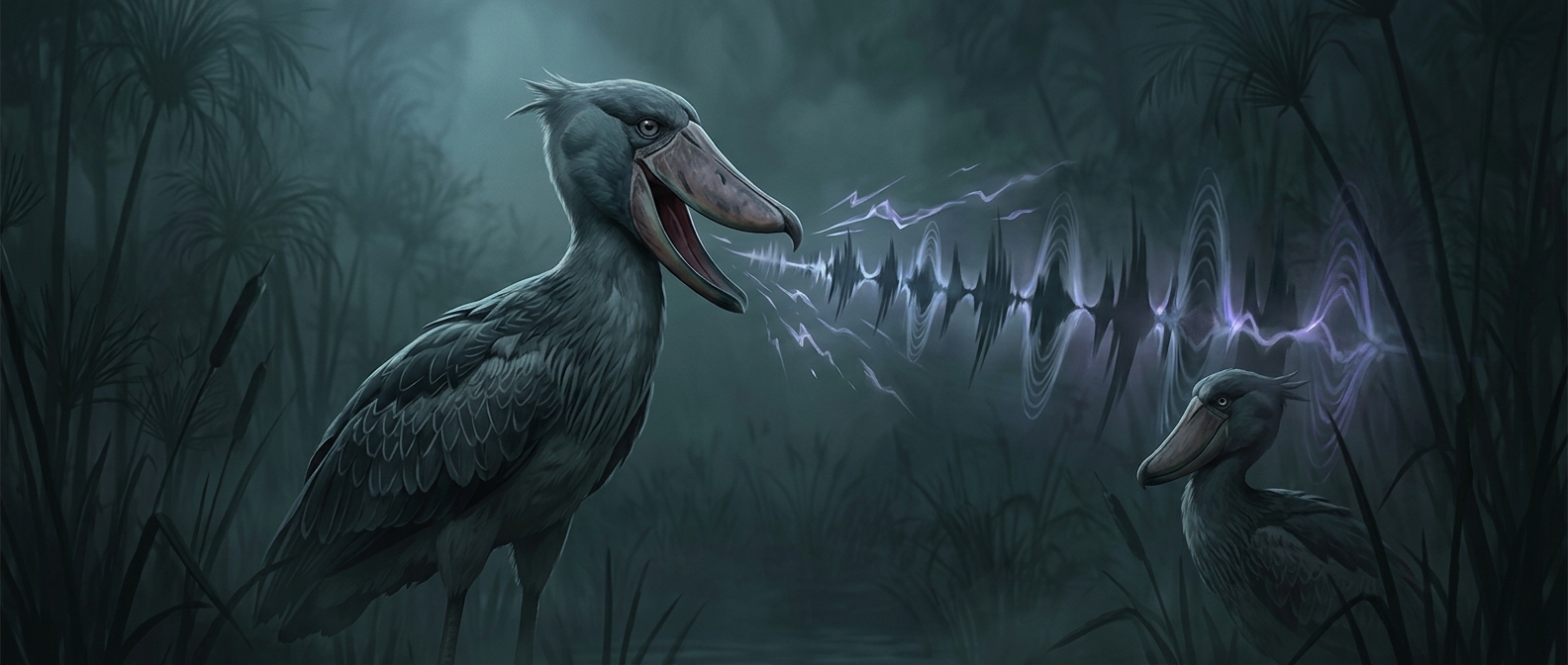
The bird that sounds like a machine gun
That machine-gun rattle comes from the shoebill’s beak: it rapidly claps the bill shut, making a burst of hollow knocks. The bird uses the sound in social…
Discover more
New moons guarantee your wildest dreams manifest
At new moon, the Moon sits between Earth and the Sun, with its bright side turned mostly away from us. That makes the night sky darker, but it doesn’t give a…
Discover more
Red dwarfs can live far longer than the universe has so far
Models predict lifetimes of trillions of years for the smallest stars. At roughly 13.8 billion years old, the universe has not existed long enough for one to…
Discover more