Why so much of Earth’s iron is out of sight
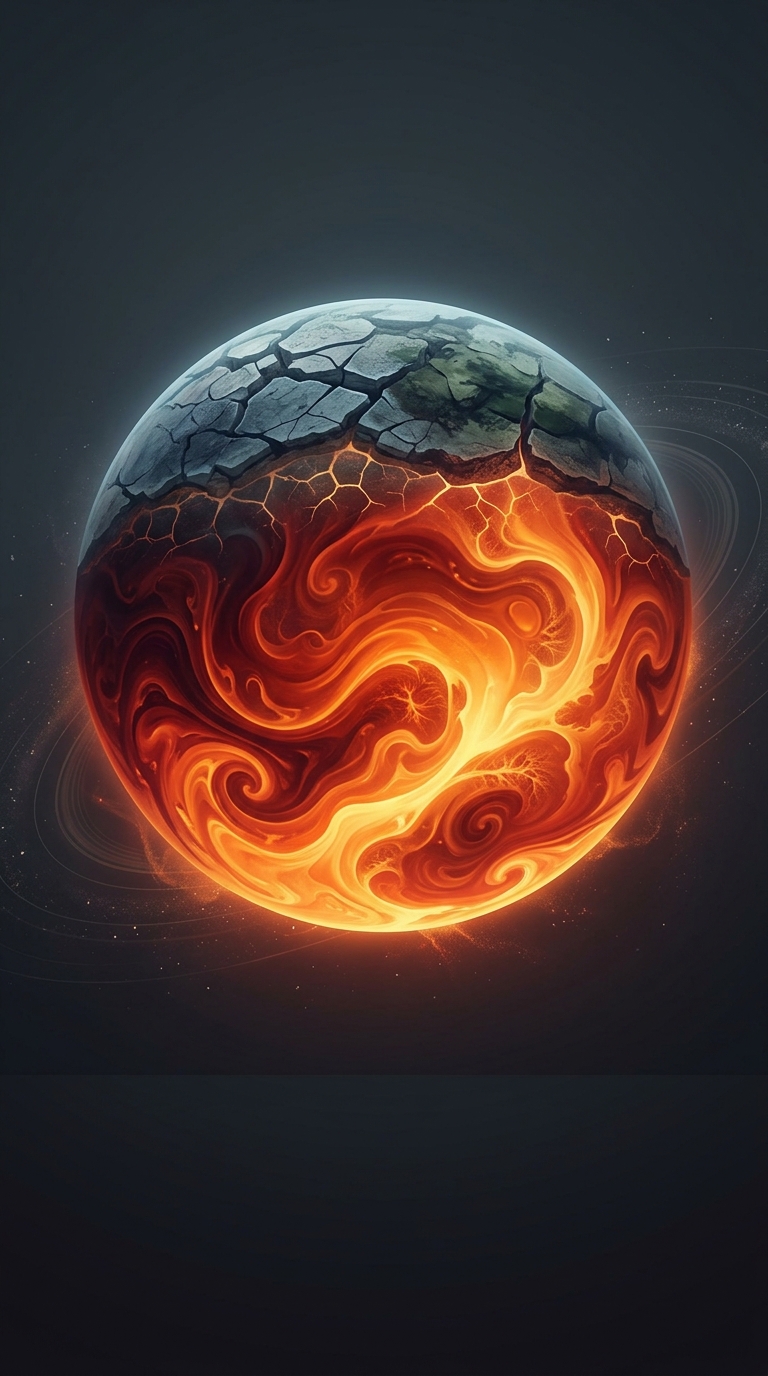
Iron is not spread evenly through the planet. When young Earth was hot enough for much of its interior to melt, dense iron-rich material sank toward the center, while lighter rock rose and formed the mantle and crust. That sorting left most of Earth’s iron far below the surface, in a core that begins roughly 2,900 kilometers down.
The core has two parts: a solid inner core and a surrounding outer core of liquid metal. The inner core is solid not because it is cool, but because immense pressure keeps its iron solid at temperatures that would melt it near the surface.
How the core’s motion becomes a field
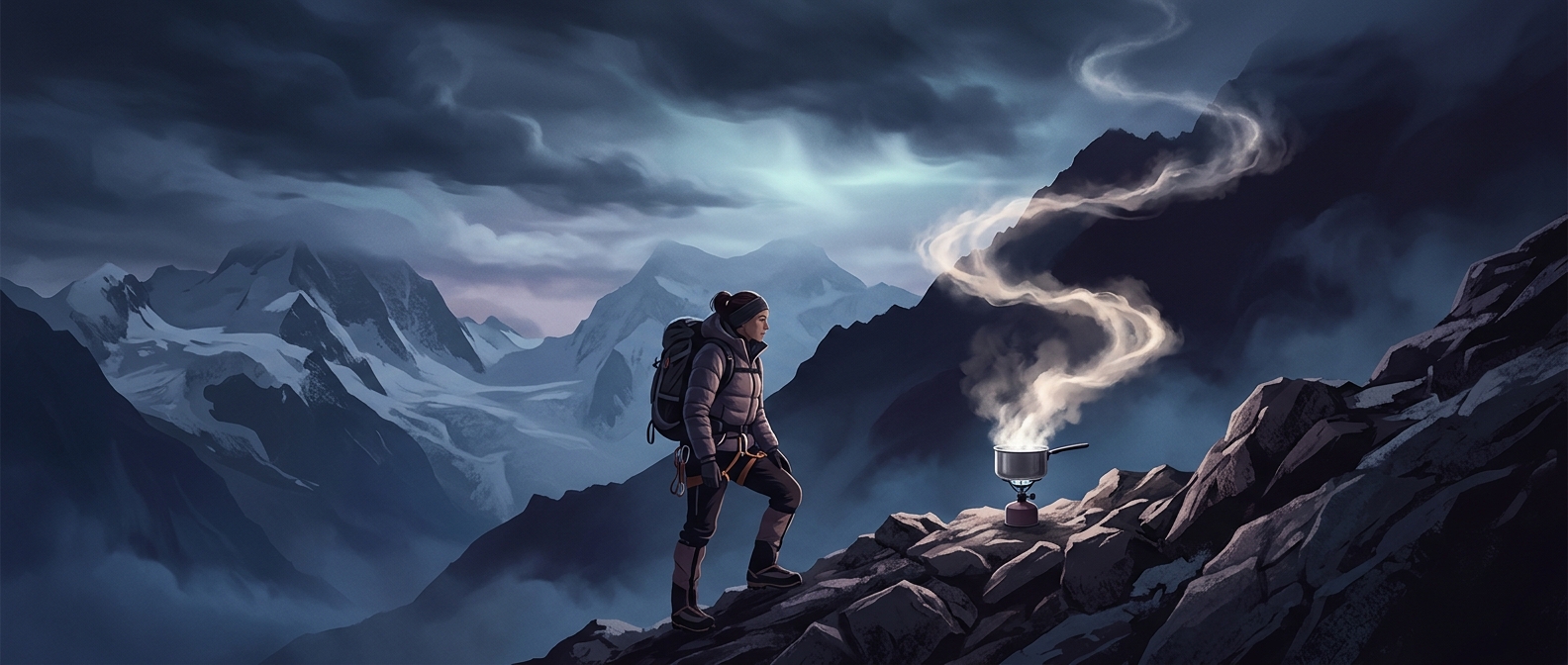
Heat escaping from the deep interior helps set the liquid outer core in motion. As material cools and crystallizes onto the inner core, lighter ingredients are also released into the surrounding liquid. Both effects make some fluid buoyant, driving circulation much like rising warm water in a pot—though under vastly different conditions.
Earth’s rotation steers those flows into organized patterns. As electrically conducting liquid iron moves through an existing magnetic field, it produces electrical currents. Those currents, in turn, reinforce the field: a self-sustaining process called a geodynamo. The field is not a rigid shell; it shifts as the flow beneath it changes.
A deep engine with a surface consequence
The resulting magnetic environment extends far beyond the atmosphere and deflects much of the charged material streaming from the Sun. Its shape and strength vary, but the process that maintains it is powered by circulation thousands of kilometers beneath our feet—a reminder that Earth’s surface conditions depend in part on a restless, metallic interior.