How a Global Thaw Could Feed an Ocean
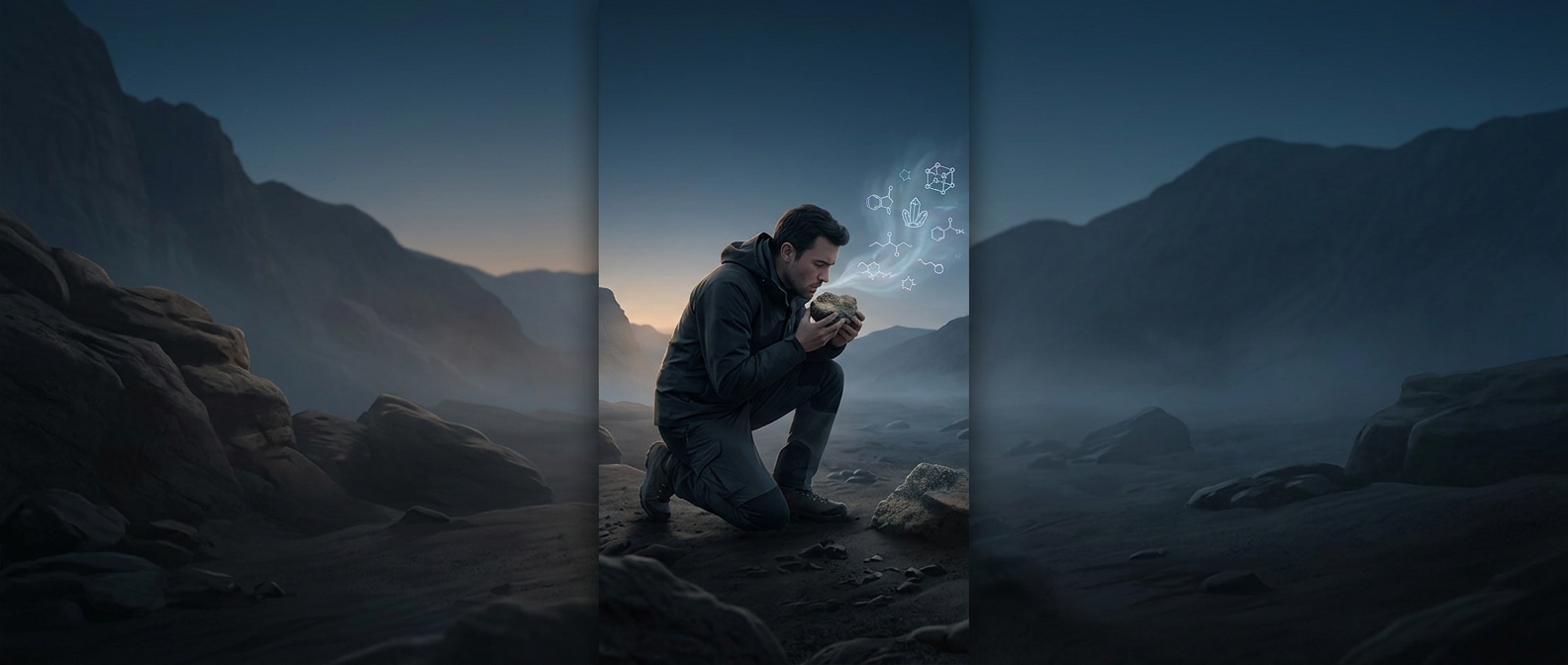
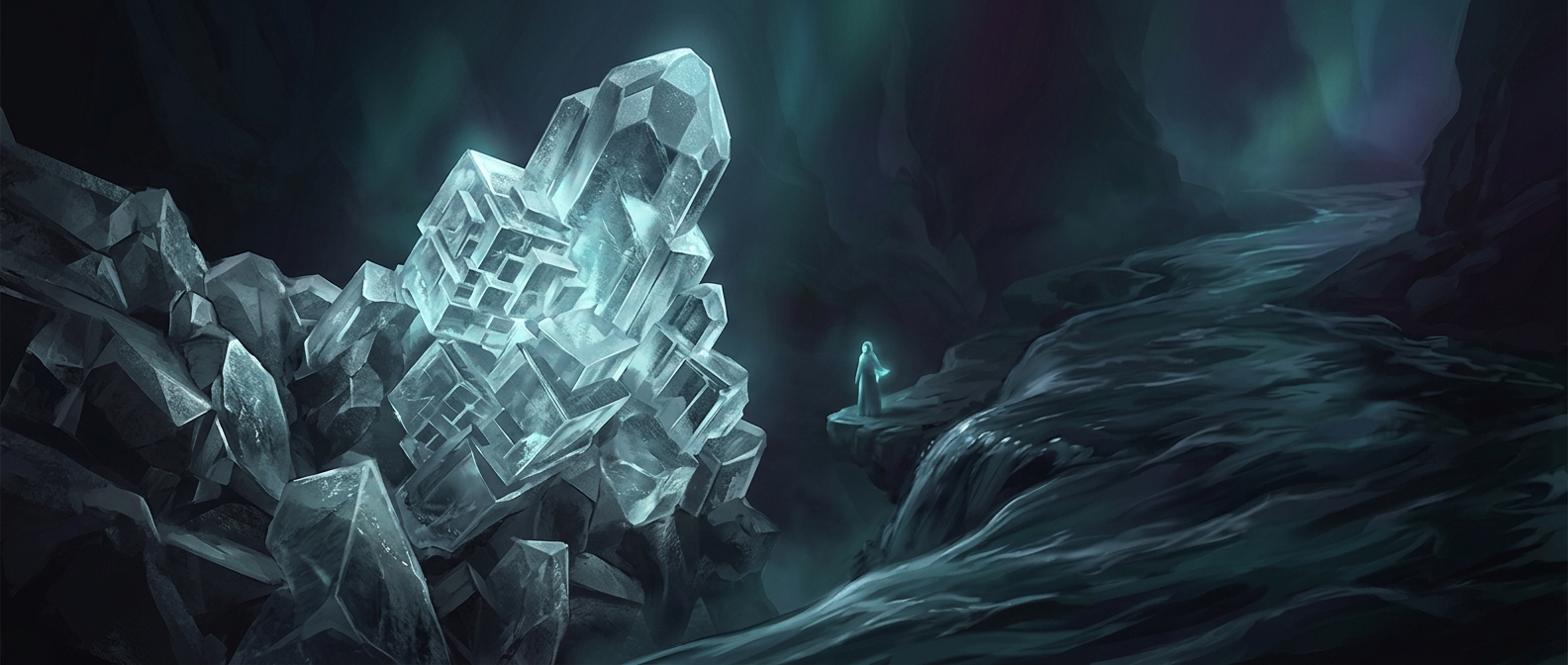
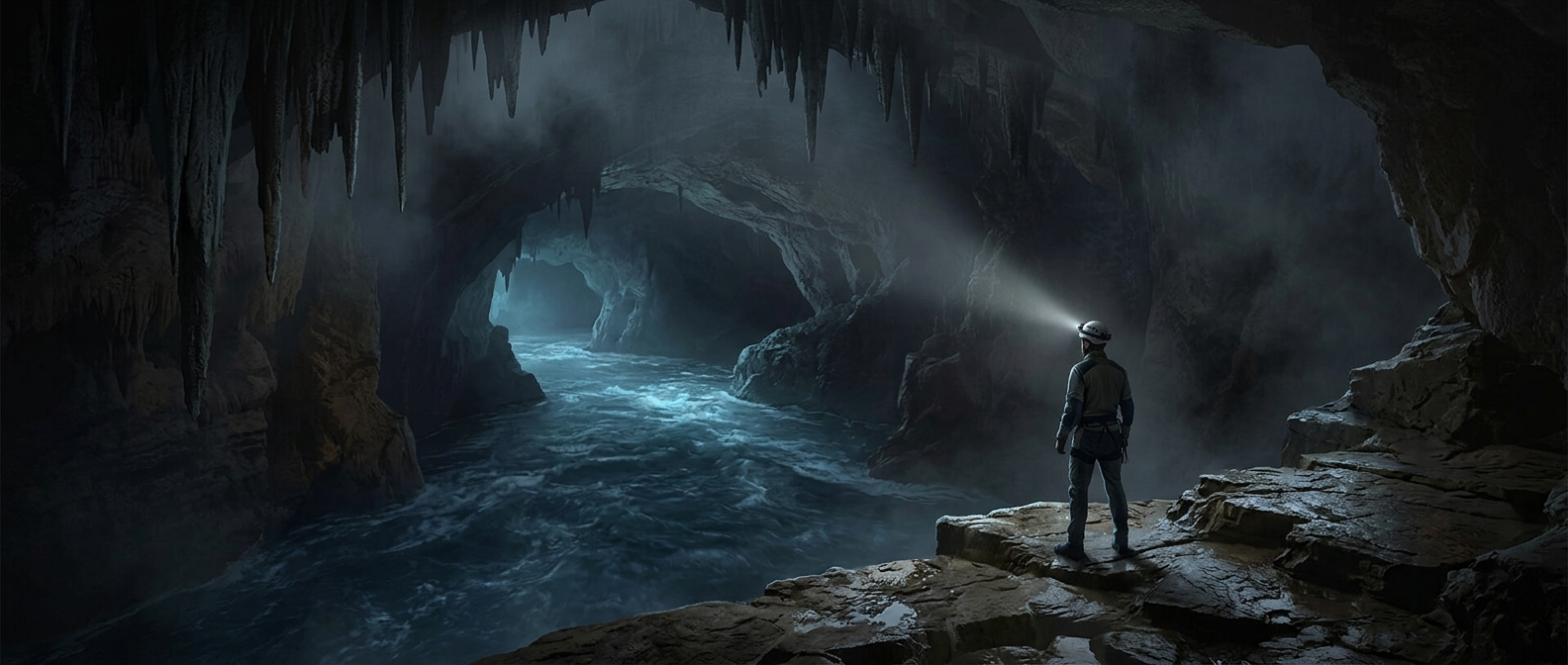
When ice retreated, it exposed vast areas of rock that had been shielded from rain and flowing water. Water and carbon dioxide react with minerals at Earth’s surface, gradually breaking rock down; rivers then carry dissolved elements and fine particles toward the sea. After an unusually icy interval, that newly exposed landscape may have supplied a pulse of nutrients, including phosphorus, that marine organisms need to grow.
The key link is microscopic but consequential. Phosphorus helps organisms build cells, so more of it can support more algae and other microscopic producers. These organisms form the base of ocean food webs. When they die and sink, some of their organic matter is buried in seafloor sediments rather than decomposed. That burial can affect the ocean’s chemistry and, over long spans, the amount of oxygen available in the environment.
A Fertilizer Pulse, Not a Proven Explanation
The proposed chain is not simply “more nutrients, therefore more complex life.” The amount of nutrient runoff would have depended on how quickly the rock weathered, how rivers delivered material, and whether ocean conditions allowed organisms to use it. Nutrients can also be recycled or locked away in sediments, limiting their effect.
Researchers therefore treat post-glacial nutrient delivery as one possible contributor to later changes in ocean life, not a single cause of diversification. Other shifts in climate, ocean chemistry, and oxygen levels may have mattered too, and the size and timing of the nutrient pulse remain debated.
The striking possibility is that melting ice did more than reopen the continents: by exposing fresh rock to weather, it may have helped turn a planet-scale thaw into a new supply of food for the sea.