Science
Discover facts about science. Small discoveries that change the way you see familiar things.
Science

You can estimate pi by dropping a needle
In Buffon's needle experiment, a needle lands on a surface marked with parallel lines. The share of drops that cross a line depends on the needle's length,…
Discover more
Googolplex is too large to write down
A googolplex has a simple recipe: write 1, then add a googol zeros. But the recipe calls for so many zeros that the observable universe lacks enough matter to…
Discover more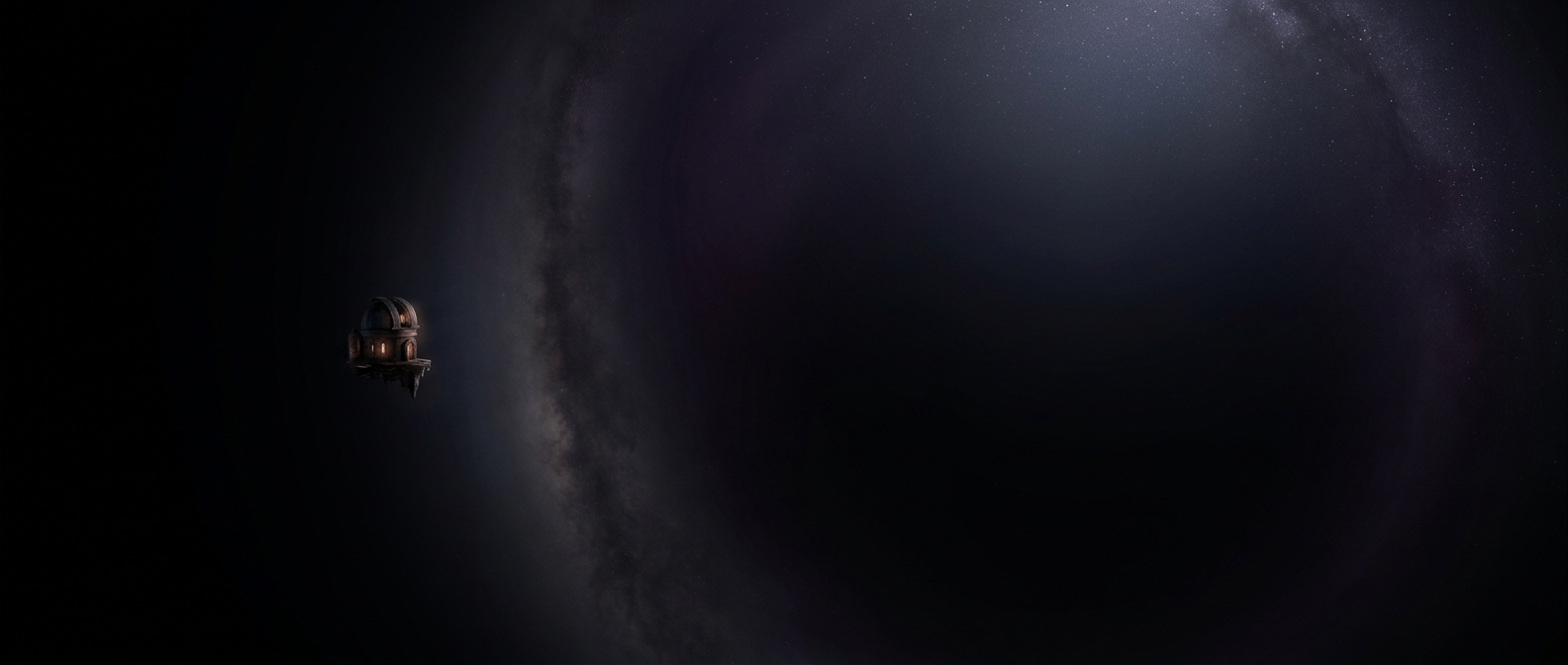
Giant cosmic voids contain absolutely nothing at all
Cosmic voids are the universe’s sparsely populated districts, not holes punched through reality. They still contain diffuse gas and dark matter, just far…
Discover more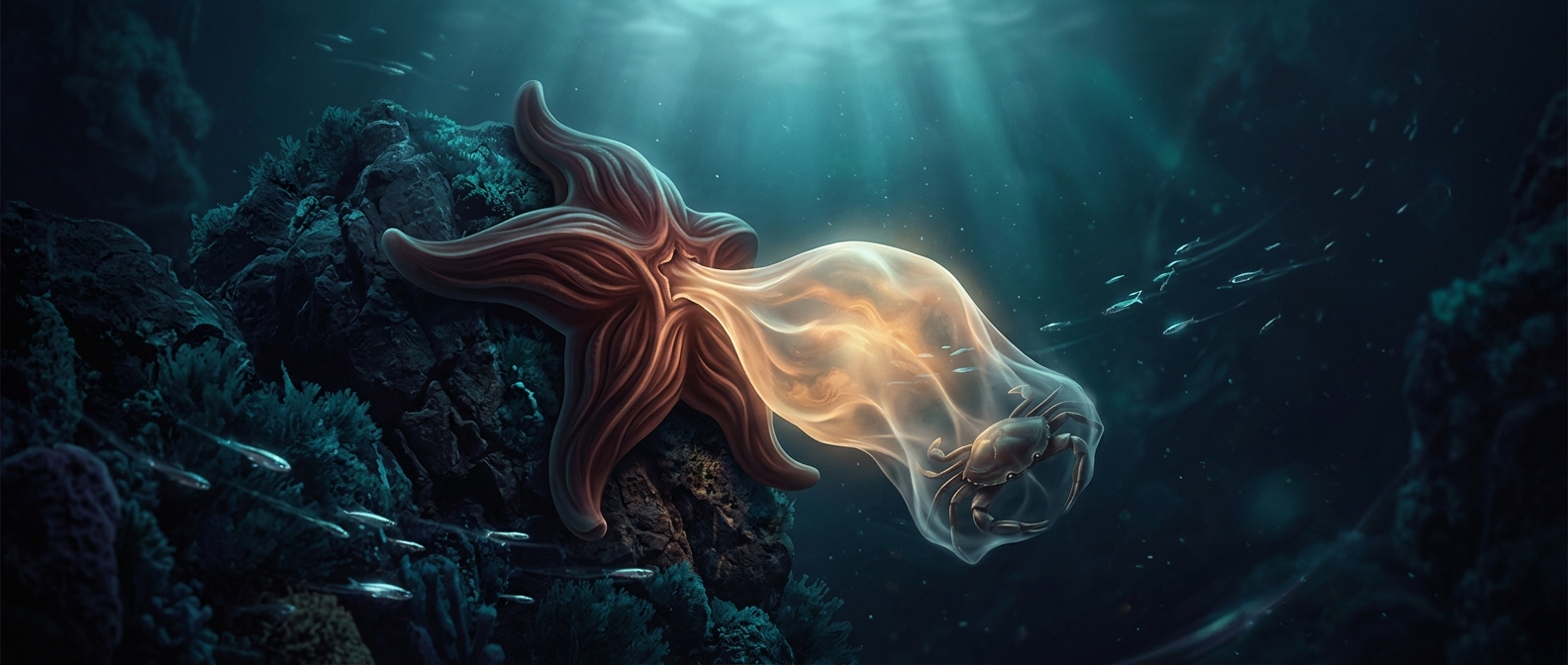
Starfish digest prey outside their bodies
A sea star’s tube feet pry an oyster’s shell apart just enough to open a narrow gap. Then it pushes its stomach through, digests the soft animal outside its…
Discover more
Voyage implies you brought your provisions
Latin viaticum meant provisions or money for a journey, and English “viatic” still means supplies set aside for travel. “Voyage” also carries the idea of…
Discover more
Right angles mathematically maximize rectangular area
Tilt a parallelogram while keeping its side lengths fixed, and its top edge slides sideways. The base stays the same, but the perpendicular height shrinks, so…
Discover more STACKY FOR IPHONE
A bigger world.
One discovery
at a time.
Keep discovering with Stacky. Interesting facts in an app that is always within reach.

Electric motors essentially reverse electric generators
A generator spins a magnet near coils to induce electric current; a motor sends current through coils so their magnetic interaction produces motion. The same…
Discover more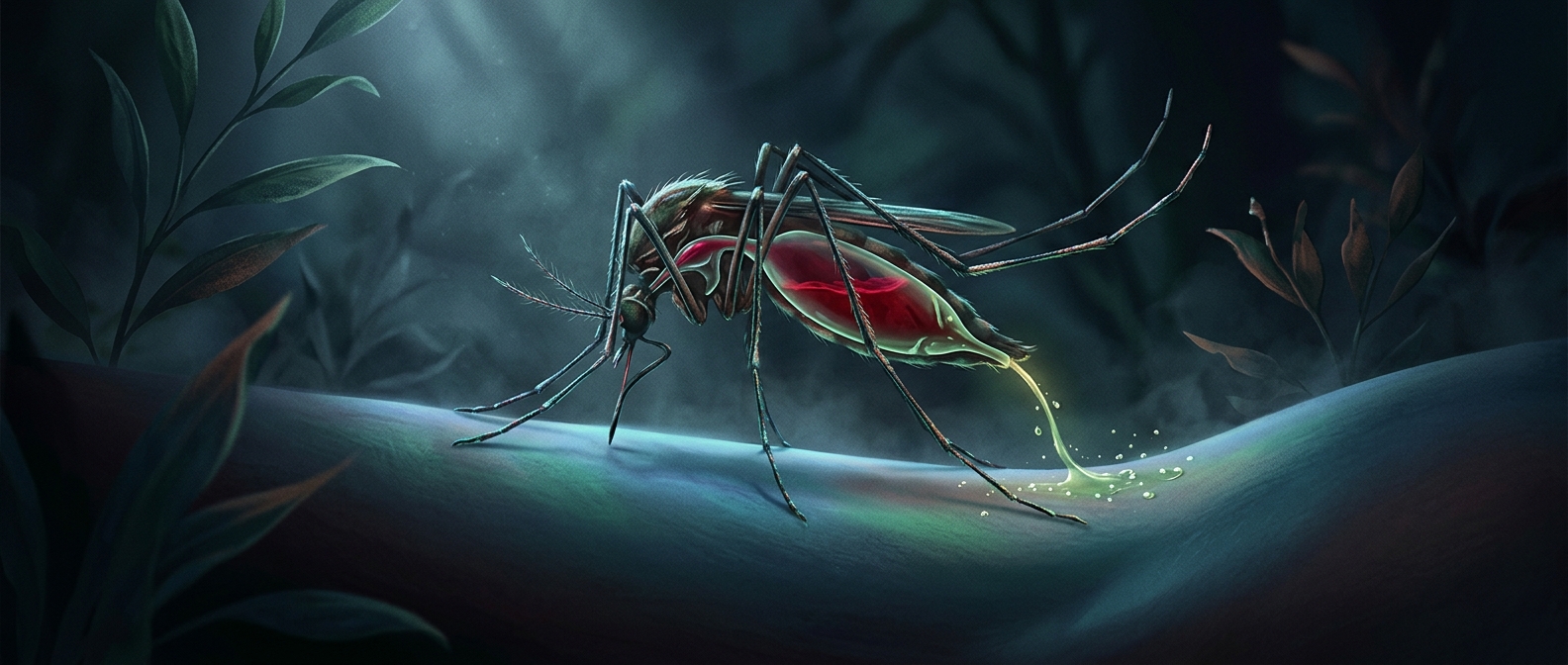
Mosquitoes pee on you while they drink your blood
While a female mosquito drinks, she can start getting rid of excess fluid. Blood brings more water than she needs, so shedding some lets her take in nutrients…
Discover more
Frisbee rims stabilize flight via gyroscopic force
A spinning Frisbee resists tipping because much of its mass sits out at the rim, like a spinning bicycle wheel that wants to keep its orientation. That…
Discover more
Kilauea maintains an almost continuous state of eruption
Kīlauea’s near-continuous activity is a series of eruptive episodes, not one lava flow that has been running without a break. When lava cools, it becomes new…
Discover more
Why we give genders to forks and tables
A fork has no biological sex, but a language can give the word “fork” a grammatical gender. Speakers may then describe objects using masculine or feminine…
Discover more
Superposition uniquely allows multiple waves to overlap
Noise-canceling headphones listen to incoming sound and play a matching wave turned upside down. Where the two meet, peaks fill troughs and cancel; move away,…
Discover more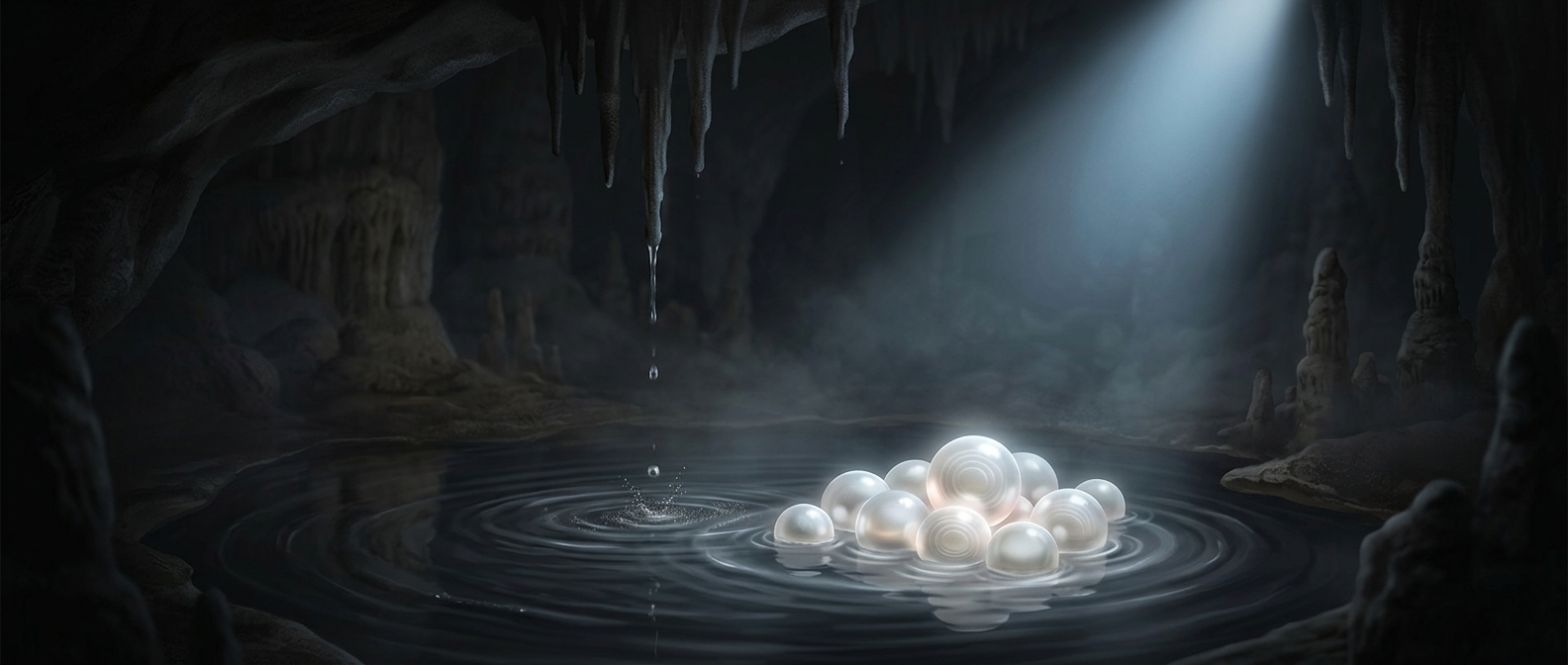
How cave grit turns into stone pearls
A cave pearl grows as mineral-rich water lays thin deposits around a grain of grit. The grain keeps rolling, so each new layer forms all around it instead of…
Discover more
Mars has a canyon thousands of miles long
Mars’s crust pulled apart along huge cracks. Blocks of ground sank between the breaks, leaving a canyon system that looks less like a river’s handiwork and…
Discover more
Roman numerals had no zero
With Roman numerals, VIII means eight, but there’s no zero and no column system to make written arithmetic easy. A counting board supplied the missing columns…
Discover more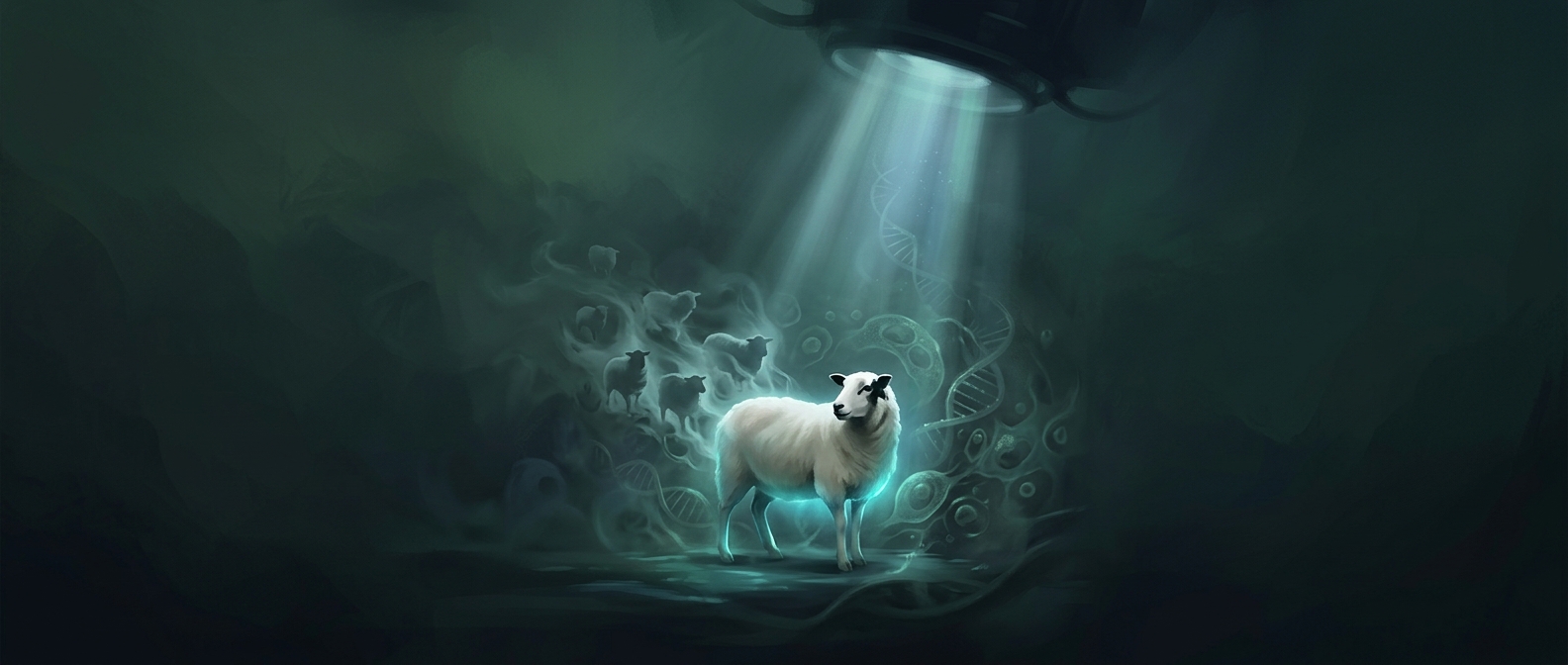
The sheep that changed cloning forever
To make Dolly, researchers moved a mature cell nucleus into an egg that had been emptied of its own. The egg’s contents changed how that nucleus used its…
Discover more
Acoustic waves travel more than four times faster through liquid water than they do through open air
Sound travels faster in water because water resists being squeezed. When one patch is pushed, that stiffness passes the pressure change quickly to the next…
Discover more
Why blowing across a bottle makes it whistle
Your breath sets the air at the bottle’s opening vibrating, and the hollow space inside boosts that vibration into a whistle. Add water and the air cavity…
Discover more
Carborundum functions as a nearly diamond-hard abrasive
Carborundum, also called silicon carbide, is hard enough for its grains to scratch and grind many materials, including metals. Each grain shaves off tiny bits…
Discover more
Kimberlite rock formations contain deep unmined diamonds
Diamonds in kimberlite formed deep underground; the rising magma carried them upward before they could be lost along the way. Think of the rock pipe as an…
Discover more
Barium metal rapidly oxidizes when exposed to regular air
Some vacuum tubes use barium to mop up stray gas molecules that would spoil the vacuum. Barium reacts with those leftovers, but the same eagerness means…
Discover more
Wheat strains possess six full sets of chromosomes
Bread wheat carries six copies of each chromosome type because its ancestors’ genetic sets came together over time. Three ancestral grasses contributed sets,…
Discover more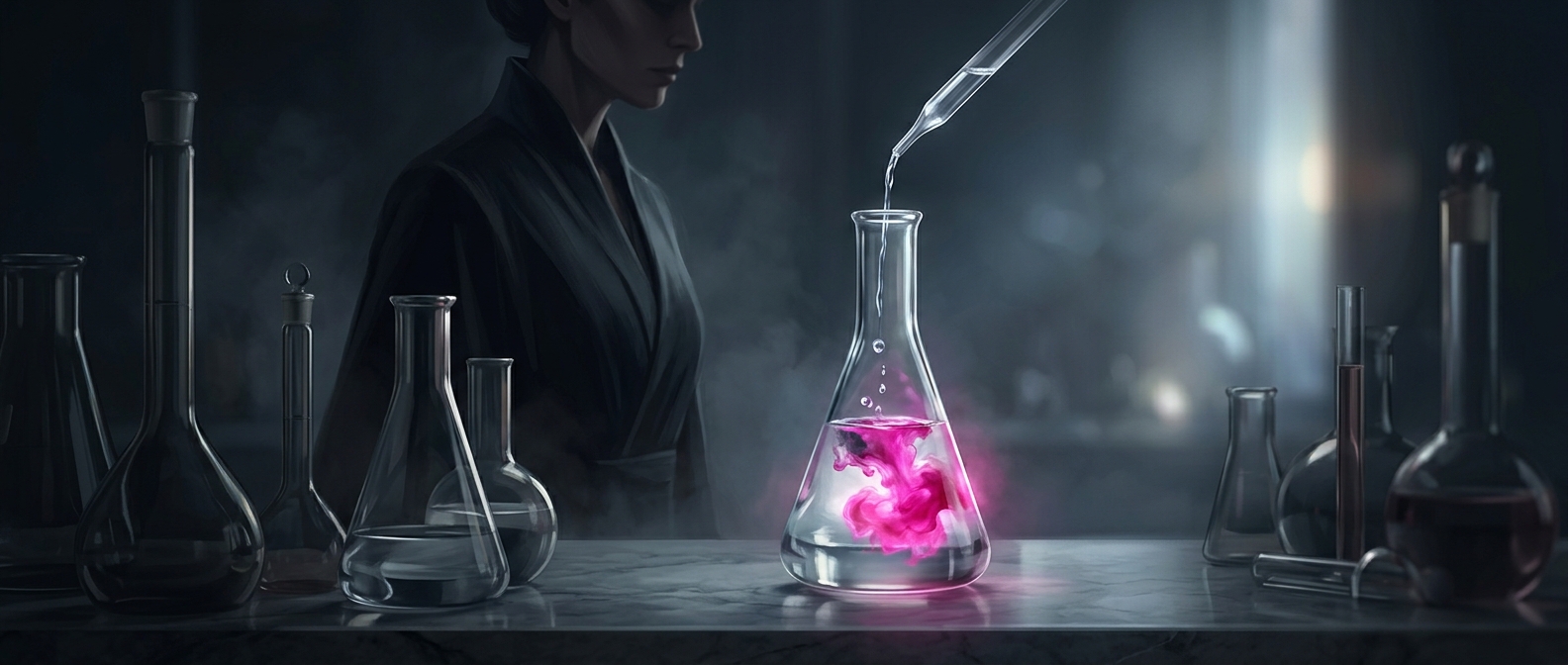
Phenolphthalein exposes basic liquids by turning them pink
Phenolphthalein stays nearly colorless in less-basic liquids, but above about pH 8.2 its molecules change form and begin absorbing visible light. That change…
Discover more
Glass is solid without arranging its atoms in neat rows
In a crystal, atoms form a repeating structure. Ordinary window glass has a disordered arrangement instead, making it an amorphous solid. It stays rigid even…
Discover more