How sound waves combine
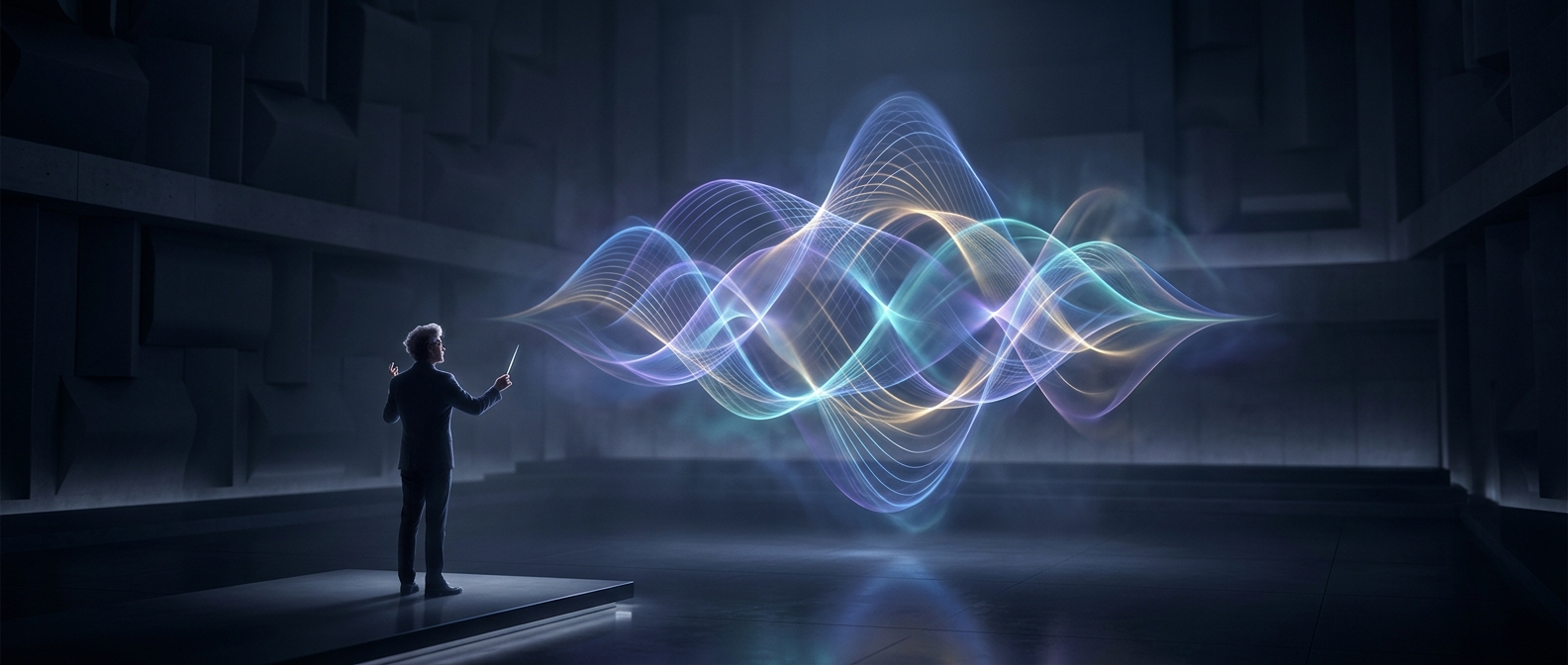
Sound in air is a pattern of pressure changes. When two sounds reach the same spot, the pressure changes add together—a rule called superposition. If one wave is pushing the air inward just as another is pulling it outward by a similar amount, their combined pressure change shrinks. That is destructive interference: the sounds partly cancel at that location.
The cancellation depends on timing as well as strength. A wave shifted by half a cycle has the opposite pattern of pressure changes; if its amplitude is also close to the original’s, the two can largely offset one another. A small timing error leaves some sound behind.
Why headphones can quiet a rumble
A noise-canceling headphone uses a microphone to sample sound near the ear. Its electronics analyze that changing signal and drive the headphone speaker to produce a corresponding anti-noise wave. The goal is to have both waves arrive together at the ear with opposing pressure patterns.
This works especially well for low, relatively steady sounds, such as engine or ventilation rumble. Those waves change more slowly, giving the system more time to track them and create a well-timed response. Sharp, high-pitched sounds change much faster, so even a slight delay can spoil the alignment. The headphone’s fit and the position of the microphone also matter because sound reaching the ear differs from sound measured elsewhere on the cup.
A quiet zone, not silence everywhere
The two waves do not erase one another throughout the room. Their timing and strength vary from place to place, so cancellation is strongest in a limited area near the listener’s ear; move away, and the balance can change. That is why active noise cancellation can make a continuous drone recede without making every sound disappear. It uses interference to shape what reaches one small listening space.