Why very low sounds can carry farther
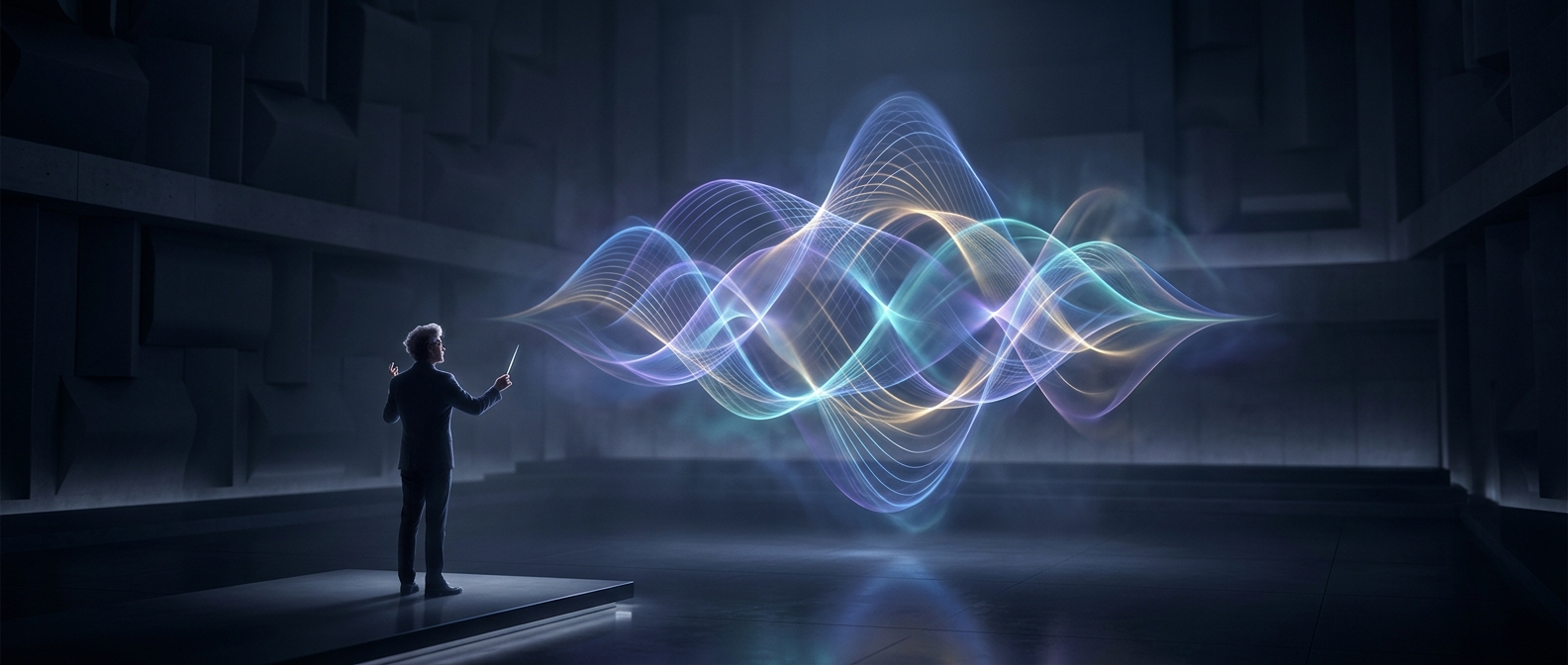
Sound travels as a pressure wave: air molecules bunch together and spread apart, passing energy onward. Infrasound means sound with a frequency below about 20 cycles per second—so low that most people cannot hear it as a pitch. Its unusually long waves help explain why it can remain detectable at great distances.
Long waves interact differently with the world
A wave’s wavelength is the distance between one pressure peak and the next. At the speed sound travels through air, lower frequency means longer wavelength. Those long waves are less easily scattered or absorbed by small obstacles and details in the landscape than short, high-frequency waves are. They can also bend around barriers, a process called diffraction, instead of being blocked as sharply.
That does not make infrasound immune to fading. As a wave spreads outward, its energy is distributed over a larger area. Wind, temperature layers in the atmosphere, terrain, and the sound’s original strength also affect how far it travels. The advantage is relative: under comparable conditions, low-frequency sound often loses less energy to obstacles and absorption than high-frequency sound does.
Low bass is not necessarily infrasound
A sound can feel deep without falling below the hearing threshold. Many bass notes are still above 20 cycles per second and are audible as musical pitches. Infrasound lies below that approximate boundary; it may be sensed as vibration or pressure in some circumstances, but that is different from hearing a clear tone.
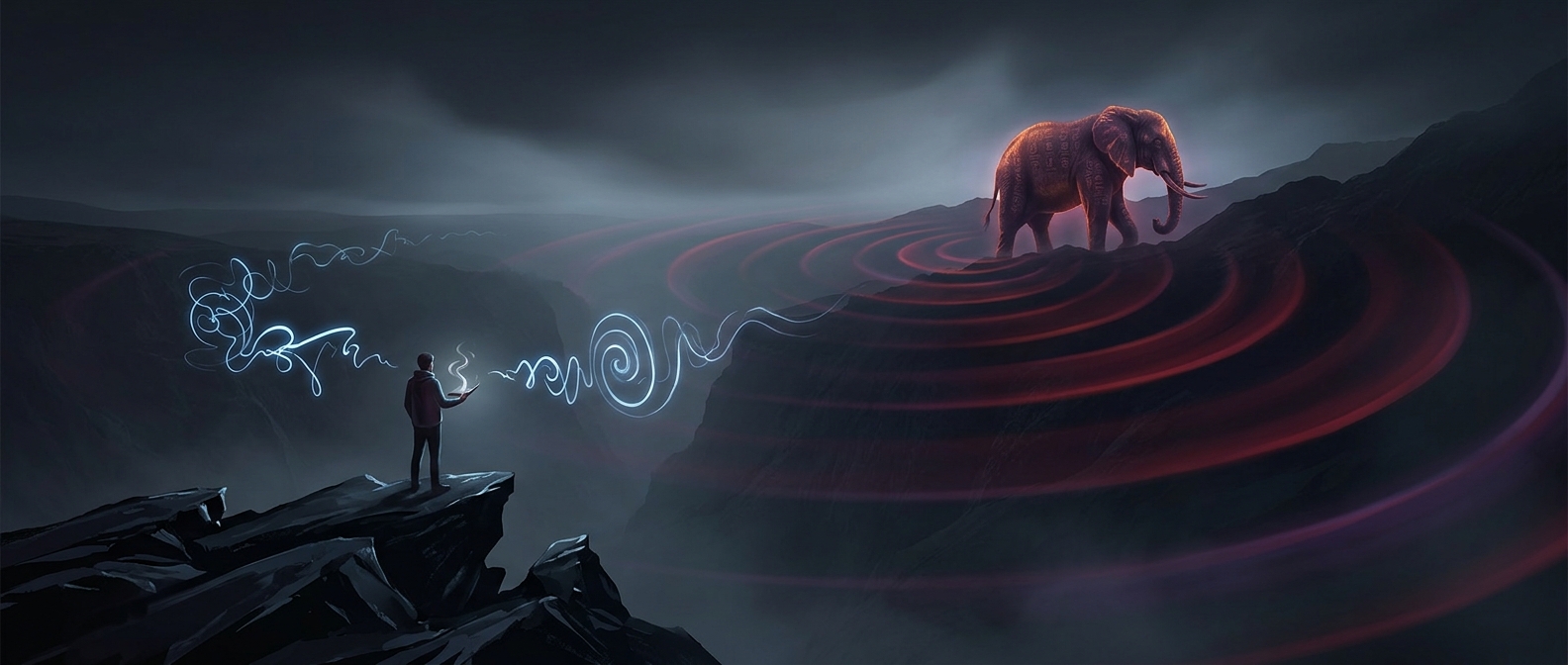
The practical consequence is that a distant source can sometimes leave a low-frequency trace after its sharper details have faded. A listener may no longer hear the crisp parts of a sound, while its long-wave, low-frequency component continues traveling through the environment.