Science
Discover facts about science. Small discoveries that change the way you see familiar things.
Science

Pandas eat bamboo with a carnivore's digestive system
Bamboo takes a lot of chewing but gives a panda relatively little usable energy. Because its short, simple gut can’t break down plant matter very efficiently,…
Discover more
Kite string tension limits maximum flight altitude
A kite's string adds its own weight and catches wind as it stretches out. That downward pull and drag work against the kite's lift, so more line eventually…
Discover more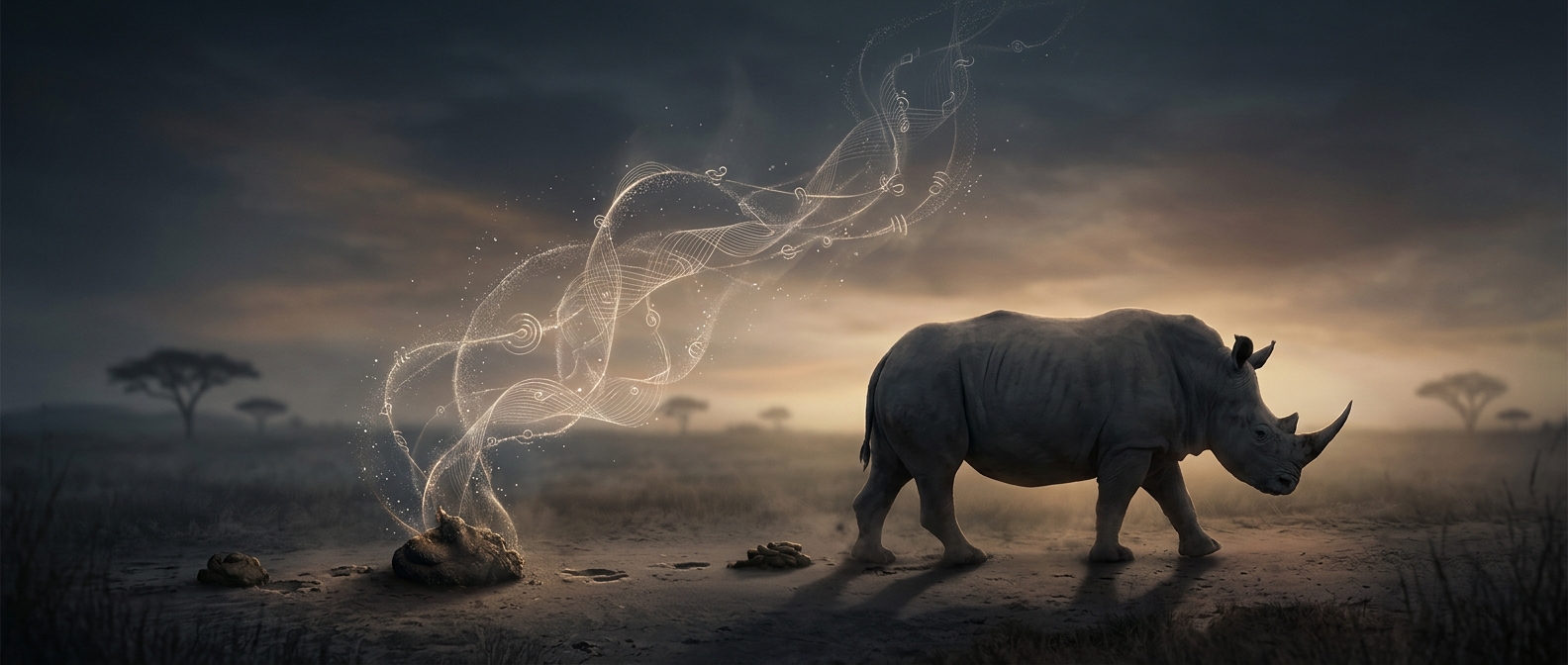
Rhinos use dung heaps like a social network
Rhinos can learn who’s been around without bumping into them. They leave dung and urine at shared heaps, where chemical scents carry clues about identity and…
Discover more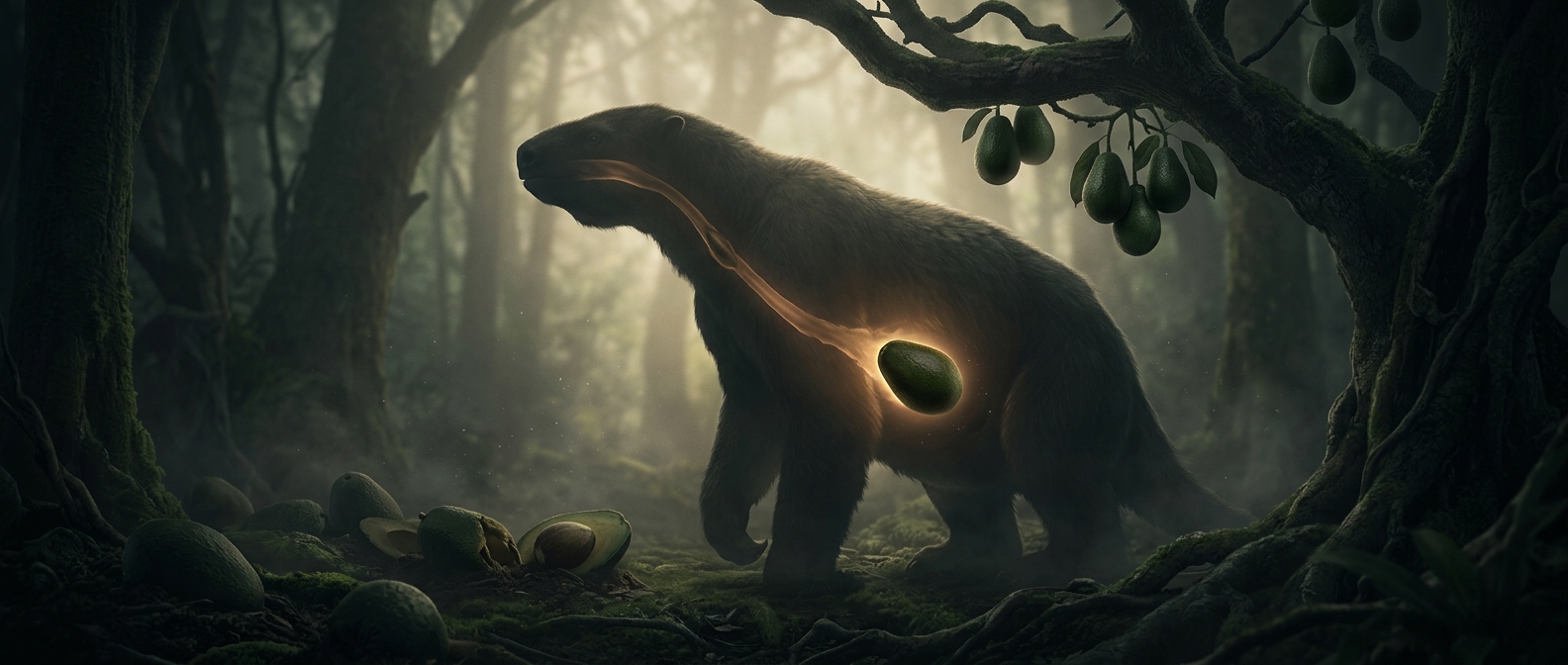
Avocados outlived the giant animals that spread their seeds
Avocados may have once been eaten and carried off by giant mammals, which could have swallowed the fruit and moved its enormous pit away from the parent tree.…
Discover more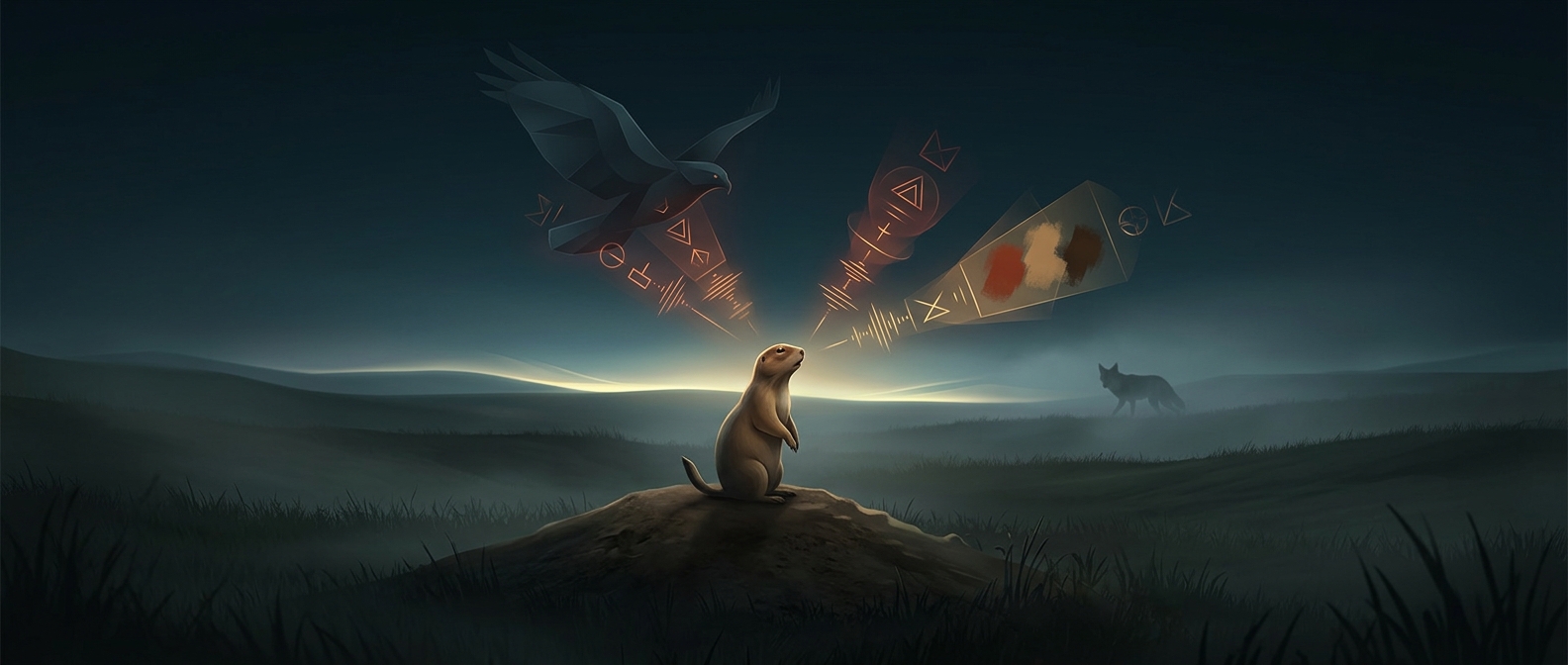
Prairie dogs can describe predators by color and size
When a prairie dog spots danger, its alarm can carry clues about the visitor. Calls may vary with a person’s size and clothing, or with how fast a coyote is…
Discover more
Mohs scale judges rocks by scratch resistance
The Mohs scale tells you which mineral can scratch another, ranking them from softer to harder. Its numbers are ranks, not evenly spaced measurements, so a…
Discover more STACKY FOR IPHONE
A bigger world.
One discovery
at a time.
Keep discovering with Stacky. Interesting facts in an app that is always within reach.

A temperature inversion can lift a mountain's apparent image
Warmer air above colder air bends incoming light along a curved path. Your visual system interprets the rays as if they had traveled straight, placing the…
Discover more
Seiches make completely enclosed lakes slosh
Wind or a sudden air-pressure change can shove lake water toward one end, even when the lake has no outlet. Gravity pulls the piled-up water back, but its…
Discover more
How gases can make a sealed casket burst
As a body decomposes, microbes produce gases. If those gases build up inside a tightly sealed casket, pressure can strain the lid or seals. But caskets are…
Discover more
Earth's English name started under our feet
The English word grew from terms for ground or soil, unlike planetary names such as Mars and Jupiter that invoke Roman gods. A word for the ordinary surface…
Discover more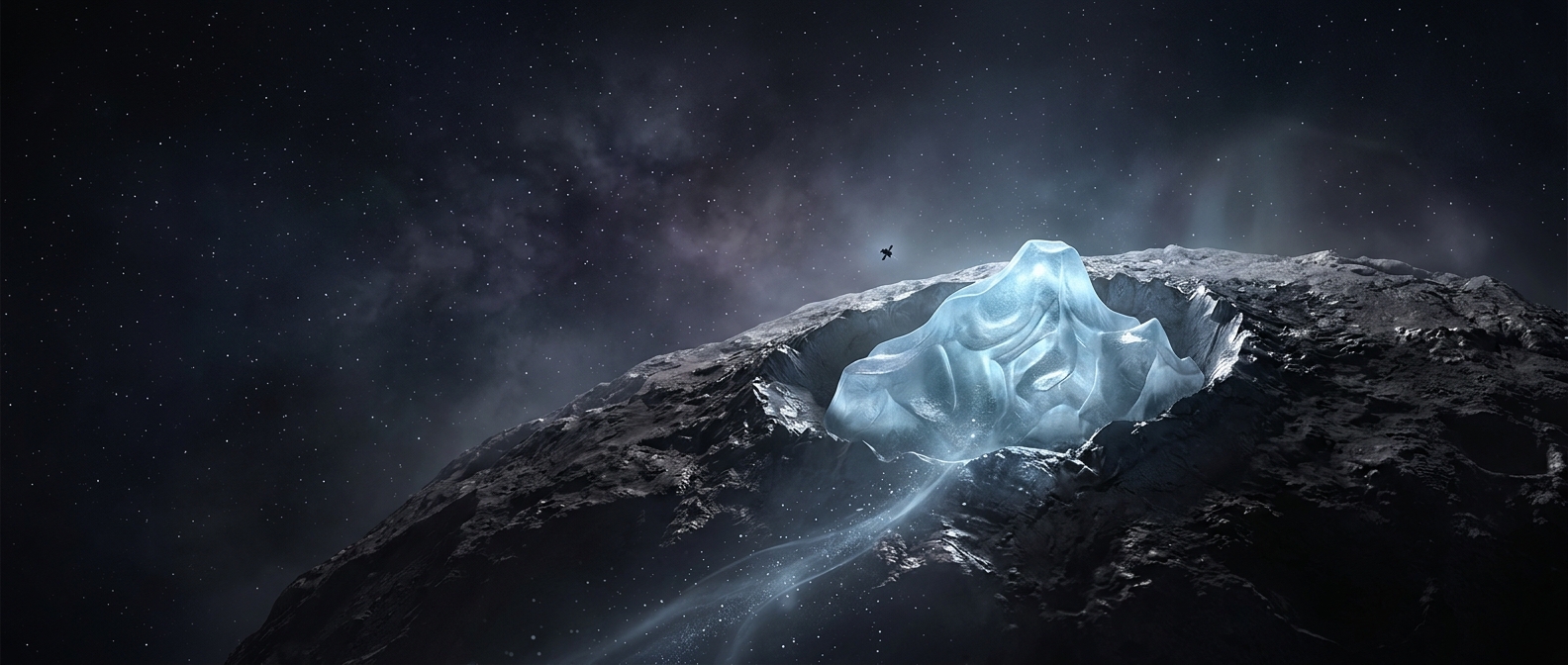
Ceres may hold more freshwater than Earth
Ceres’s low density hints that it contains a substantial amount of water-rich material. But that water is thought to be mostly ice or mixed through the dwarf…
Discover more
Antimony aggressively hardens lead into absolute rigid forms
In some lead batteries, antimony is mixed into the lead grid to make it sturdier. The grid has to withstand repeated chemical changes as the battery charges…
Discover more
Why drawing games reveal how you think
In a drawing game, you have to turn a word into a few shapes that someone else can read back into an idea. Picking the right visual clues matters more than…
Discover more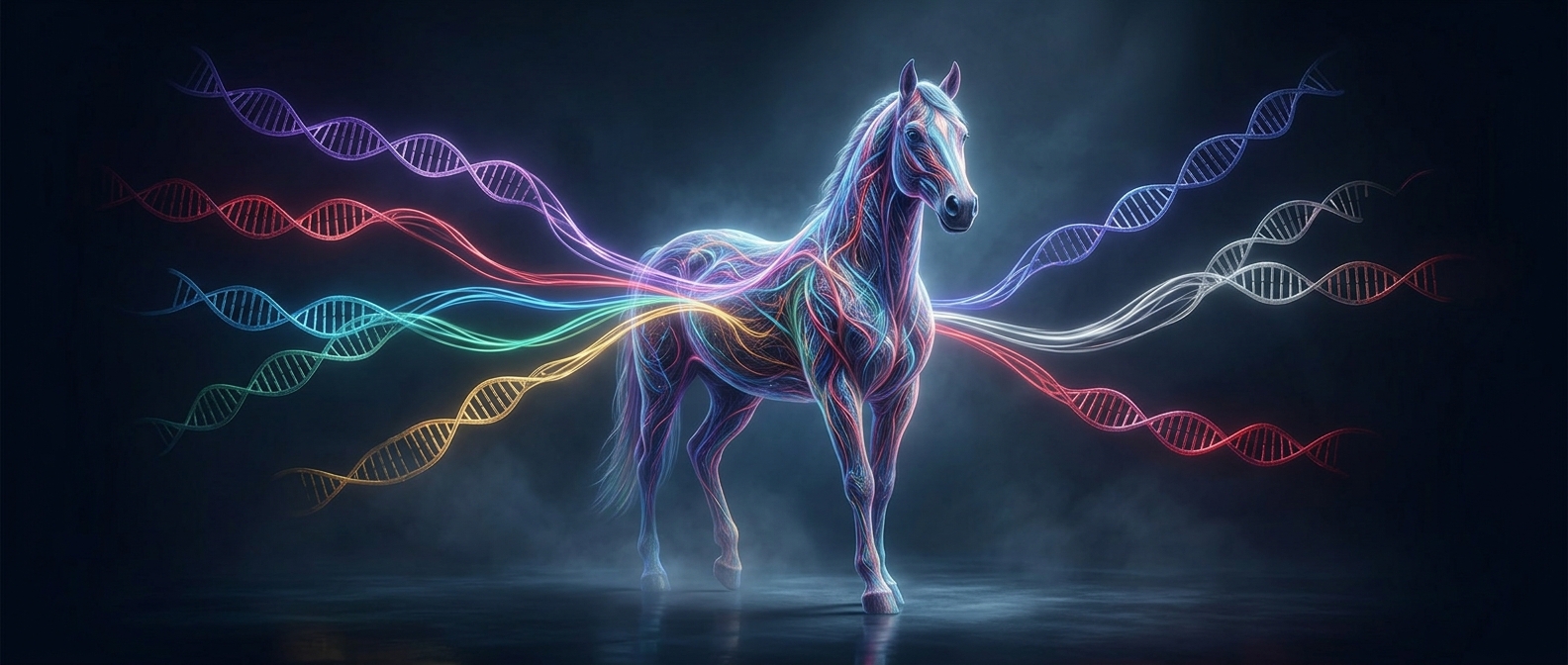
Equine genetics boast over seven major blood groups
Seven blood-group systems do not mean horses come in only seven simple blood types. Each system has many variations, so two horses with a seemingly suitable…
Discover more
The rare rainbows that appear by moonlight
A moonbow’s colors are still there; moonlight is just too dim for our eyes to see them clearly. We often perceive the rainbow as white or pale, while a camera…
Discover more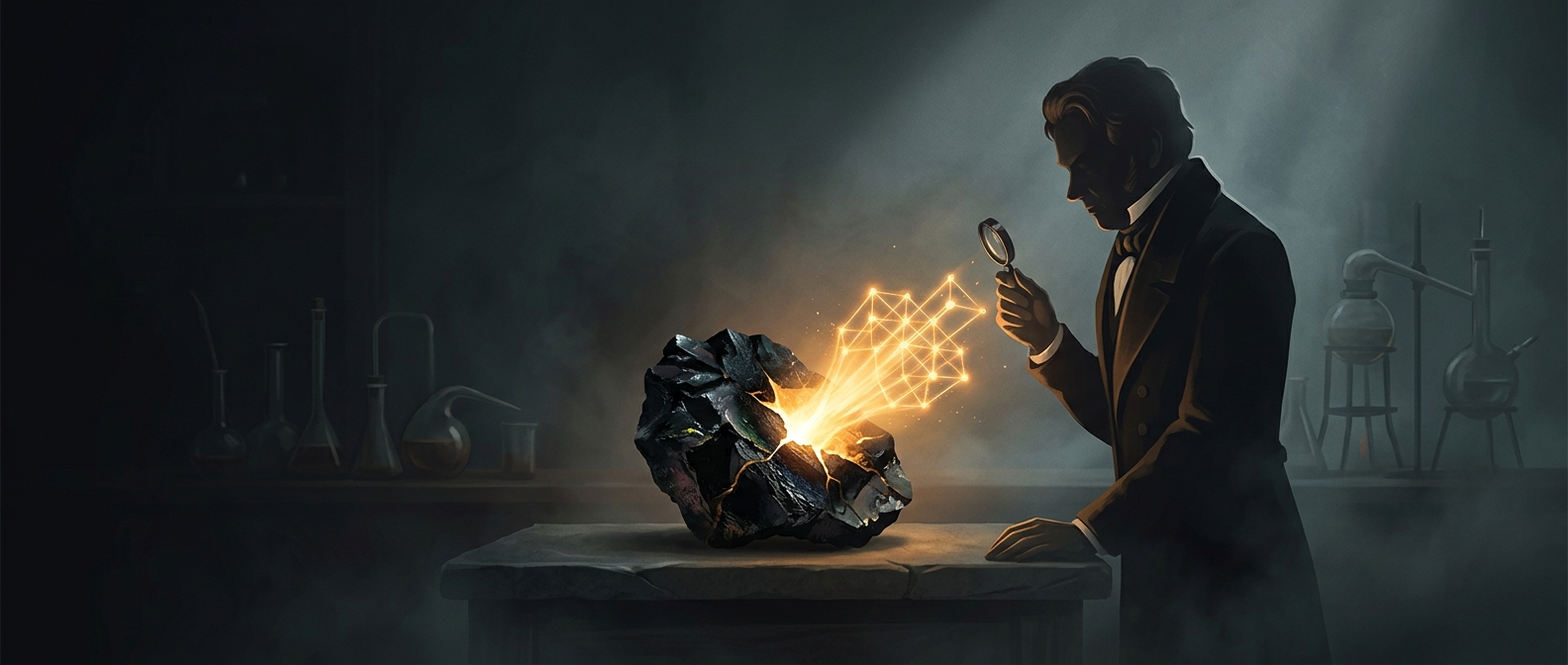
Berzelius discovered thorium lurking in black minerals
The clue was buried inside thorite, a dark mineral. Berzelius separated the mineral into its components and found one that did not match any known element; he…
Discover more
Group theory is the mathematical study of pure symmetry
Group theory turns symmetry into a set of rules: which actions can be combined, and how each can be undone. A triangle's rotations and certain matrix…
Discover more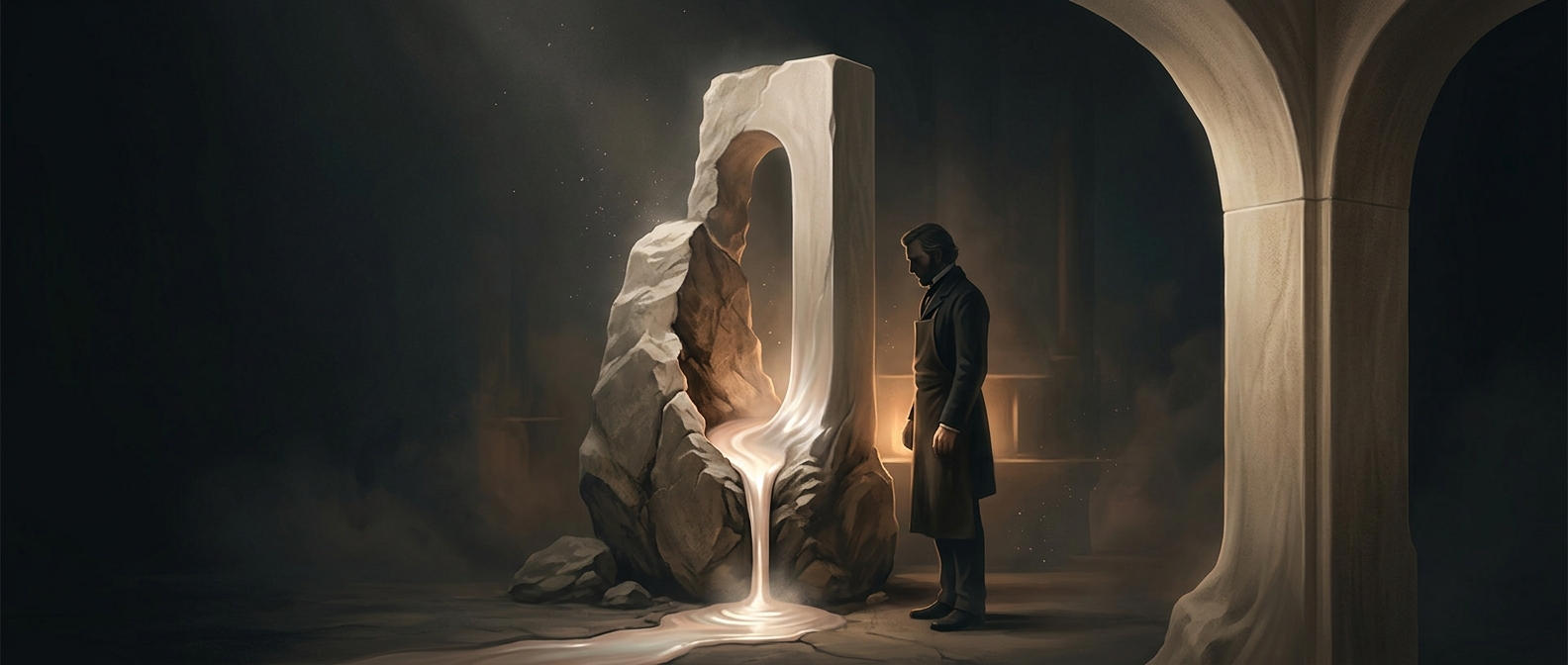
Aspdin invented a unique cement resembling natural stone
Water sets off chemical reactions that bind cement particles into a hard structure. It isn’t drying like a puddle; it’s more like the powder is building stone…
Discover more
Why a candle flame isn't plasma
A candle’s yellow glow mostly comes from tiny soot particles heated until they shine. The gas does contain some charged particles, but not enough to behave…
Discover more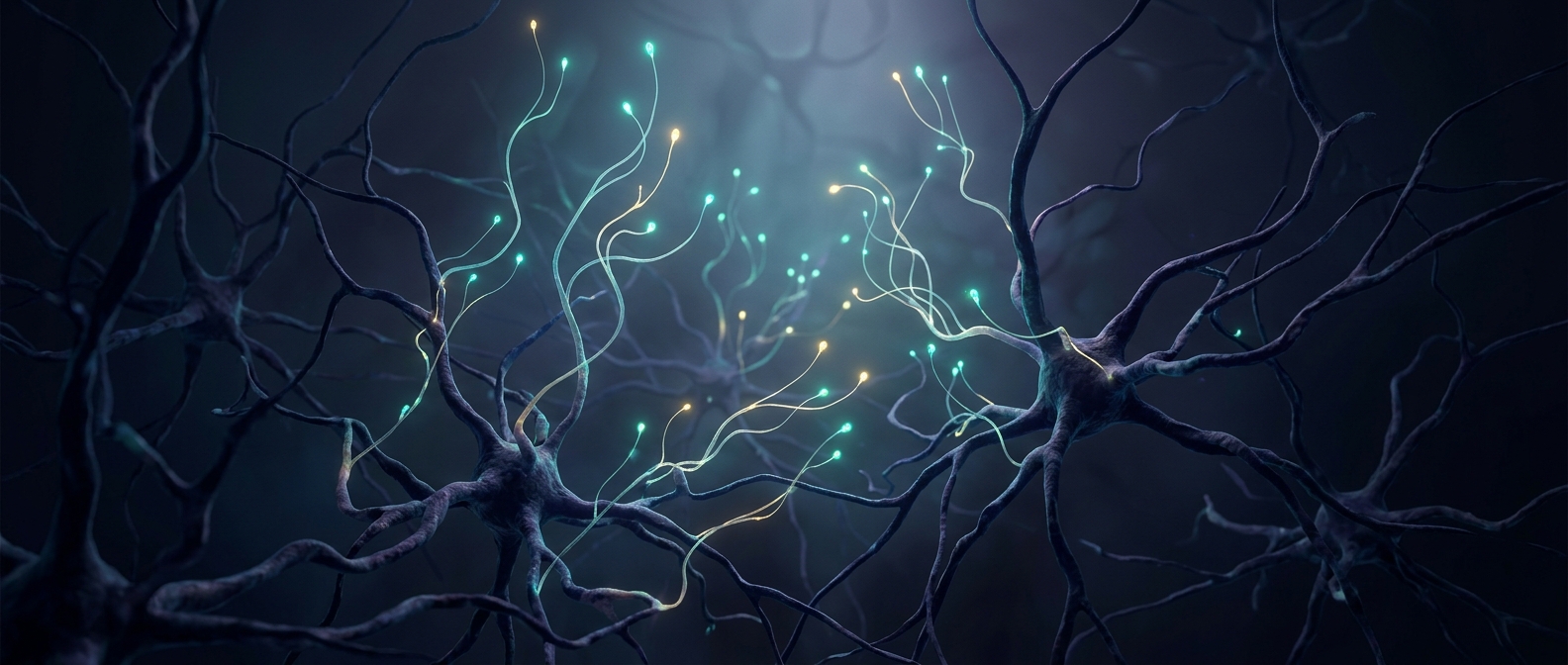
Nuclear testing helped researchers date human brain cells
Atmospheric bomb tests changed the amount of carbon-14 entering food and, eventually, newly formed DNA. A 2013 study used that time marker to find evidence of…
Discover more
Sand that comes out of water completely dry
A water-repelling coating stops water from soaking into the grains. Instead, a thin film of air clings to them underwater, so the sand comes back out dry and…
Discover more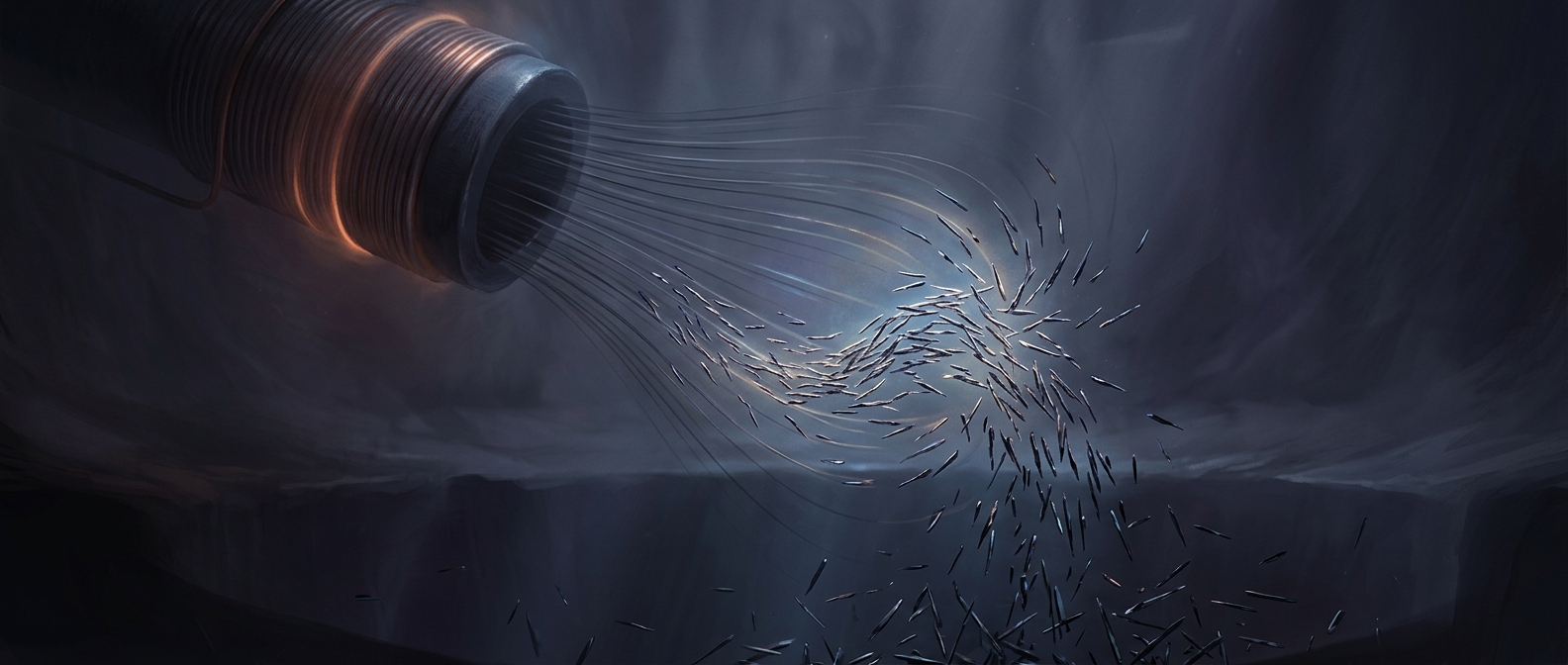
Paramagnetic substances exhibit temporary magnetism
A paramagnetic material becomes weakly magnetic only while an outside magnetic field is present. The field nudges some tiny magnetic moments into alignment,…
Discover more
Moths that drink sleeping birds’ tears
Some Madagascar moths sip tears from sleeping birds to get sodium, a mineral that can be scarce in their diet. Their long, narrow mouthparts reach the salty…
Discover more
Web URLs are strictly forbidden from having gaps
A URL uses %20 where a space would go because a literal space could be mistaken for a break between parts of the address. The code tells the software, “this…
Discover more