Science
Discover facts about science. Small discoveries that change the way you see familiar things.
Science
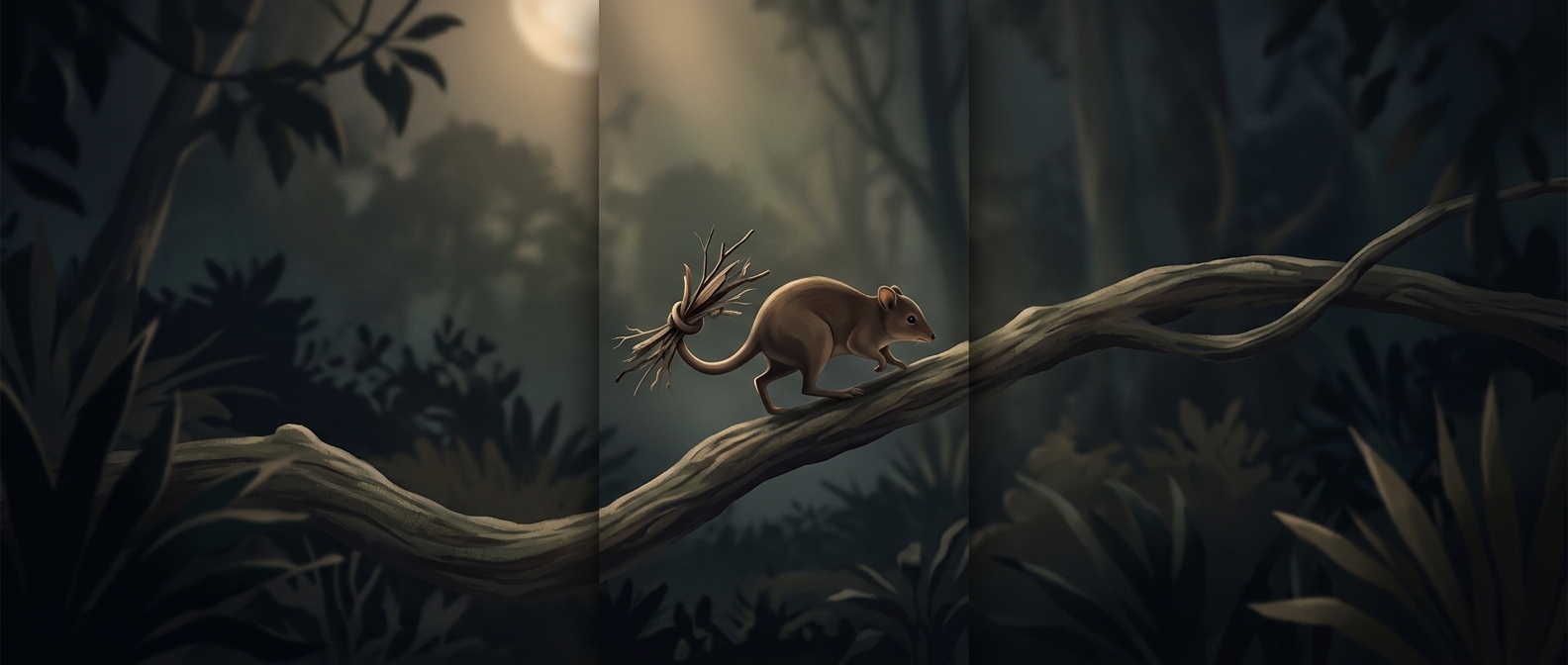
These marsupials carry nests with their tails
A bettong curls its tail around grass and stems, then carries the bundle to its nesting spot. The tail isn’t holding a finished nest; it’s doing the hauling…
Discover more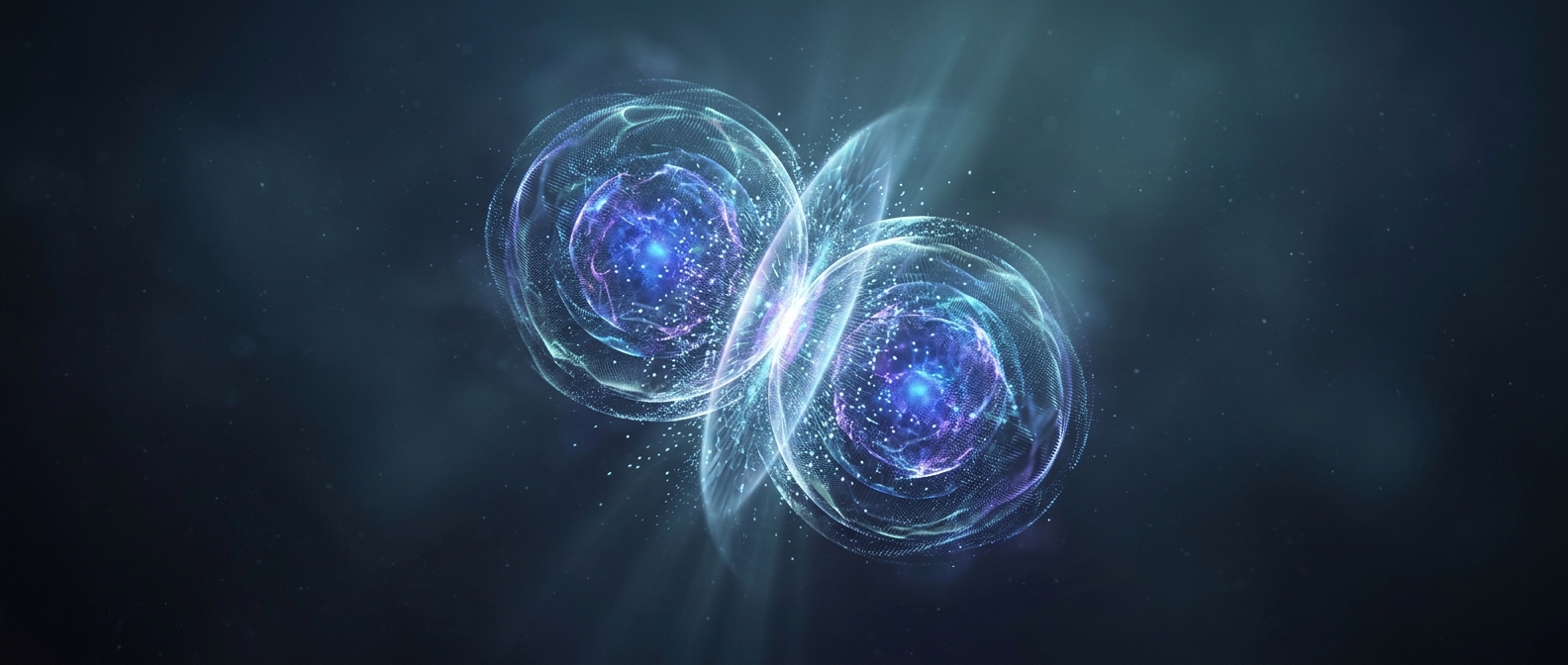
Quantum exclusion prevents atoms from overlapping
Electrons are not tiny hard shells holding atoms apart. A quantum rule prevents identical electrons from sharing the same state, so they fill different…
Discover more
Cross the Pacific and you can arrive on yesterday's date
The International Date Line is where the calendar makes its big adjustment: cross eastward and subtract a day; cross westward and add one. Local clock times…
Discover more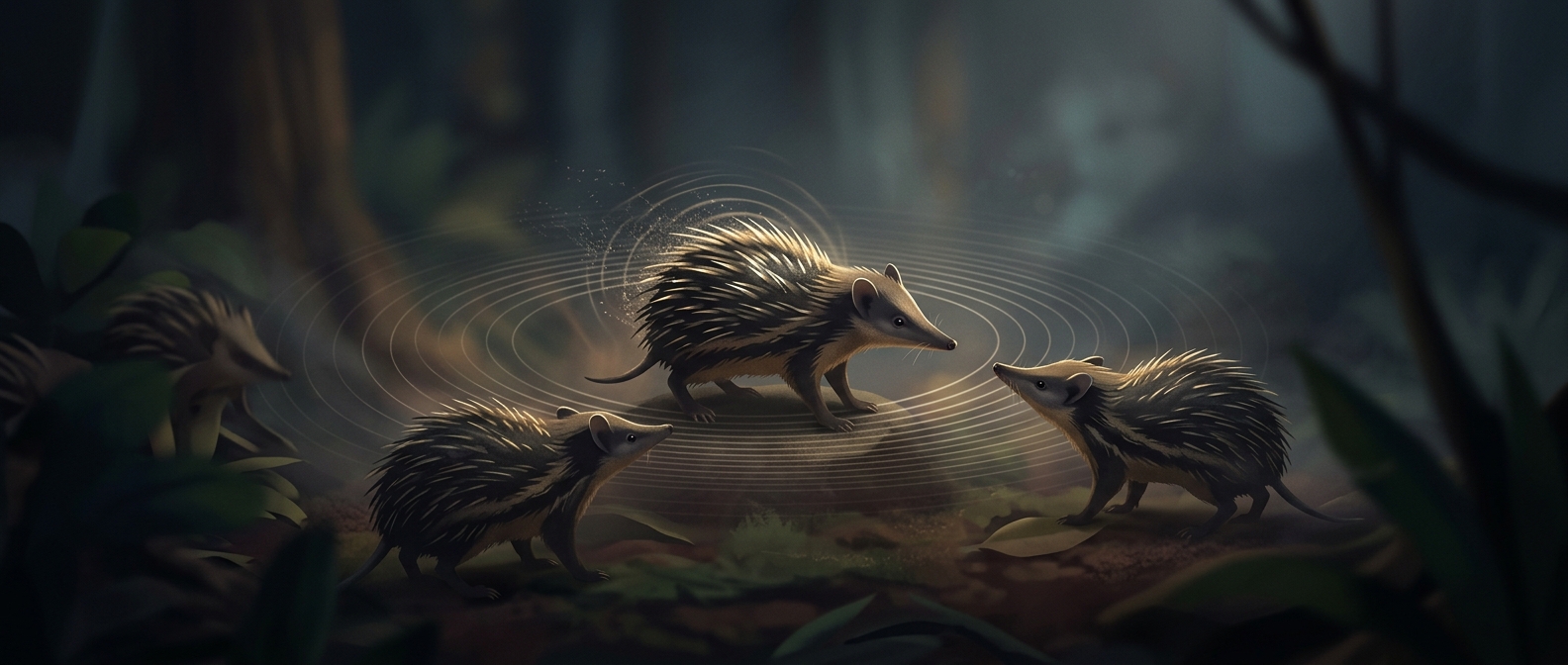
A tenrec can send signals by rubbing special quills together
The lowland streaked tenrec has a group of modified spines on its back that produce high-frequency sounds. Researchers think these help family members…
Discover more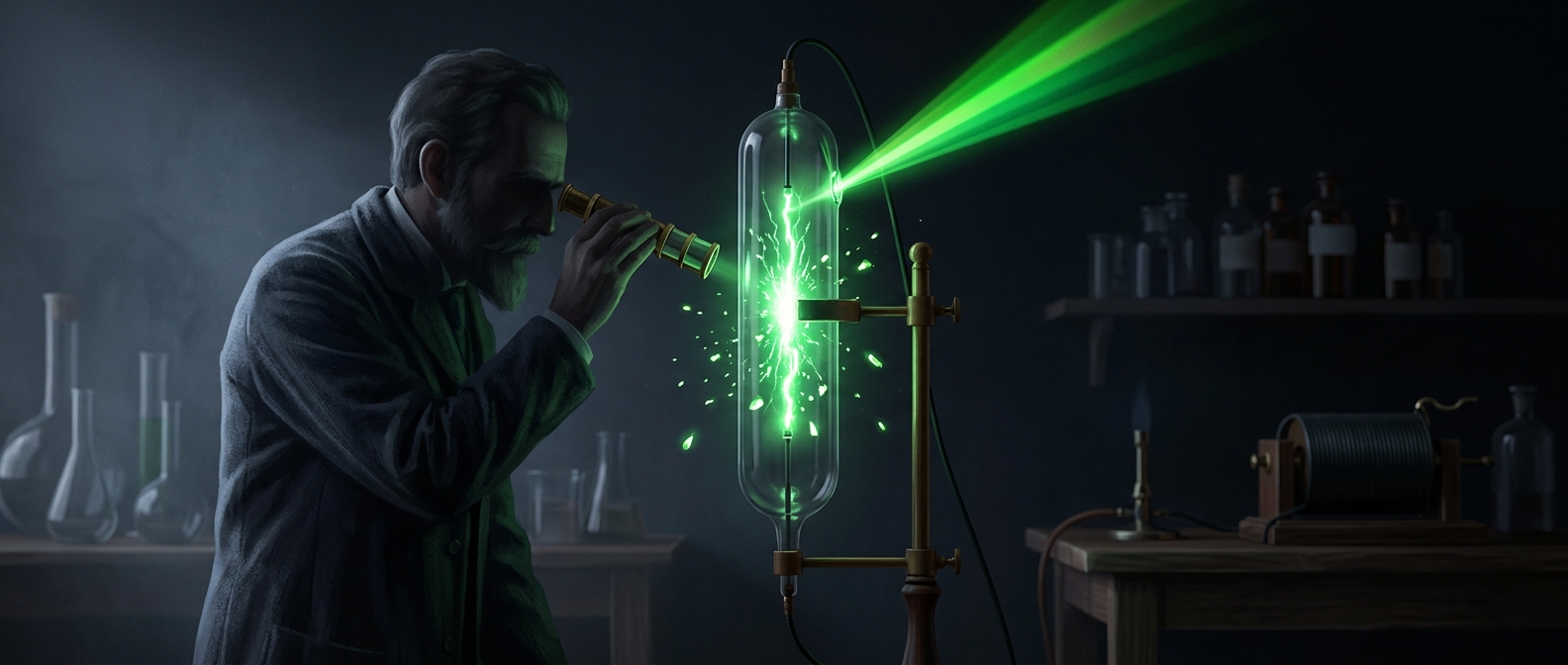
Crookes found thallium by analyzing green sparks
The green line was a fingerprint, not just a pretty spark. Energized atoms release light at particular wavelengths, creating a pattern of lines; Crookes…
Discover more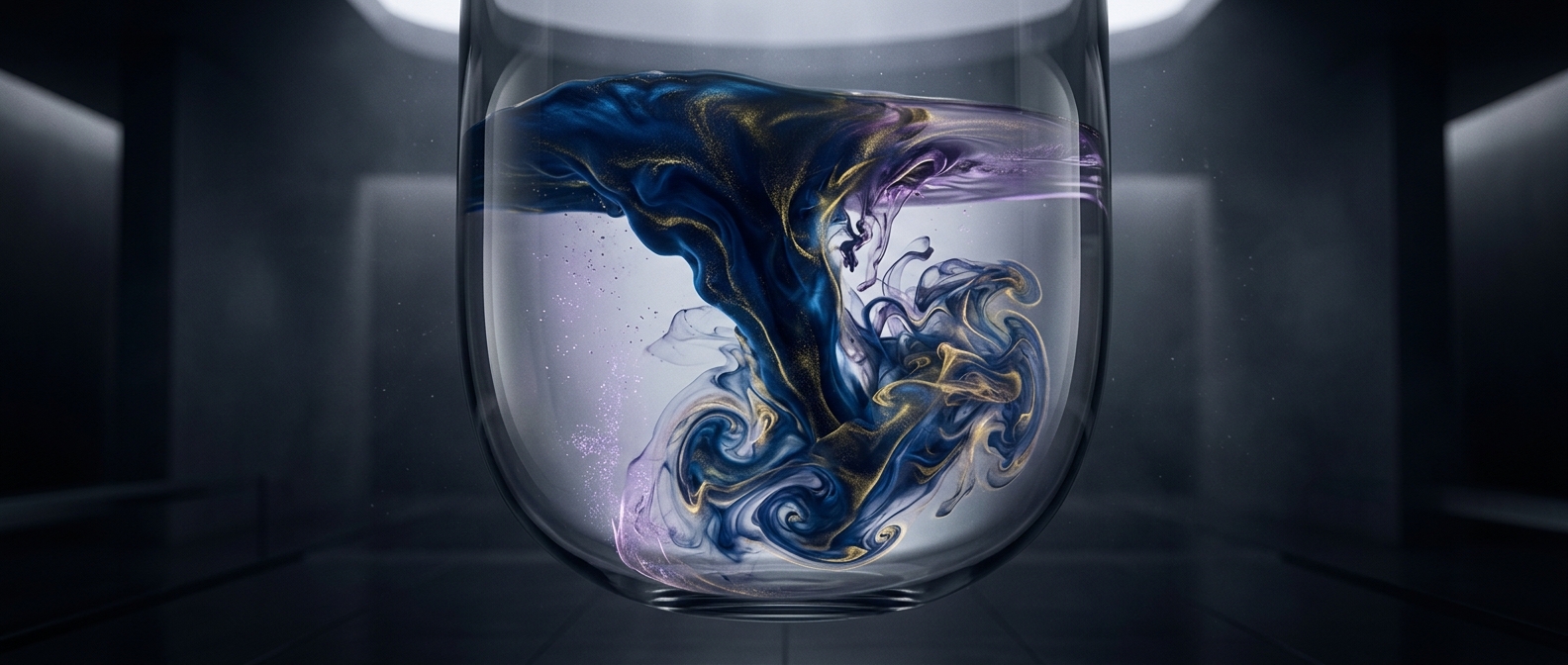
Heavy liquids sinking into light ones cause chaotic mixing
A layer of heavy liquid balanced over a lighter one is ready to overturn. Dense fingers sink, and lighter fluid rises through the gaps, stretching a smooth…
Discover more STACKY FOR IPHONE
A bigger world.
One discovery
at a time.
Keep discovering with Stacky. Interesting facts in an app that is always within reach.

Tectonic boundaries host rampant volcanic activity
At some plate boundaries, an oceanic plate dives downward with water trapped in its materials. The water makes hot mantle rock easier to melt, creating magma…
Discover more
Why AI mirrors still look so wrong
A real mirror has to obey the path light takes: rays bounce off you, hit the mirror, and travel to the viewer in a geometrically consistent way. An image…
Discover more
Octaves represent exact sonic frequency doublings perfectly
When a note goes up an octave, its frequency doubles. That exact doubling puts the higher pitch in the lower note's overtone series, so the upper note is…
Discover more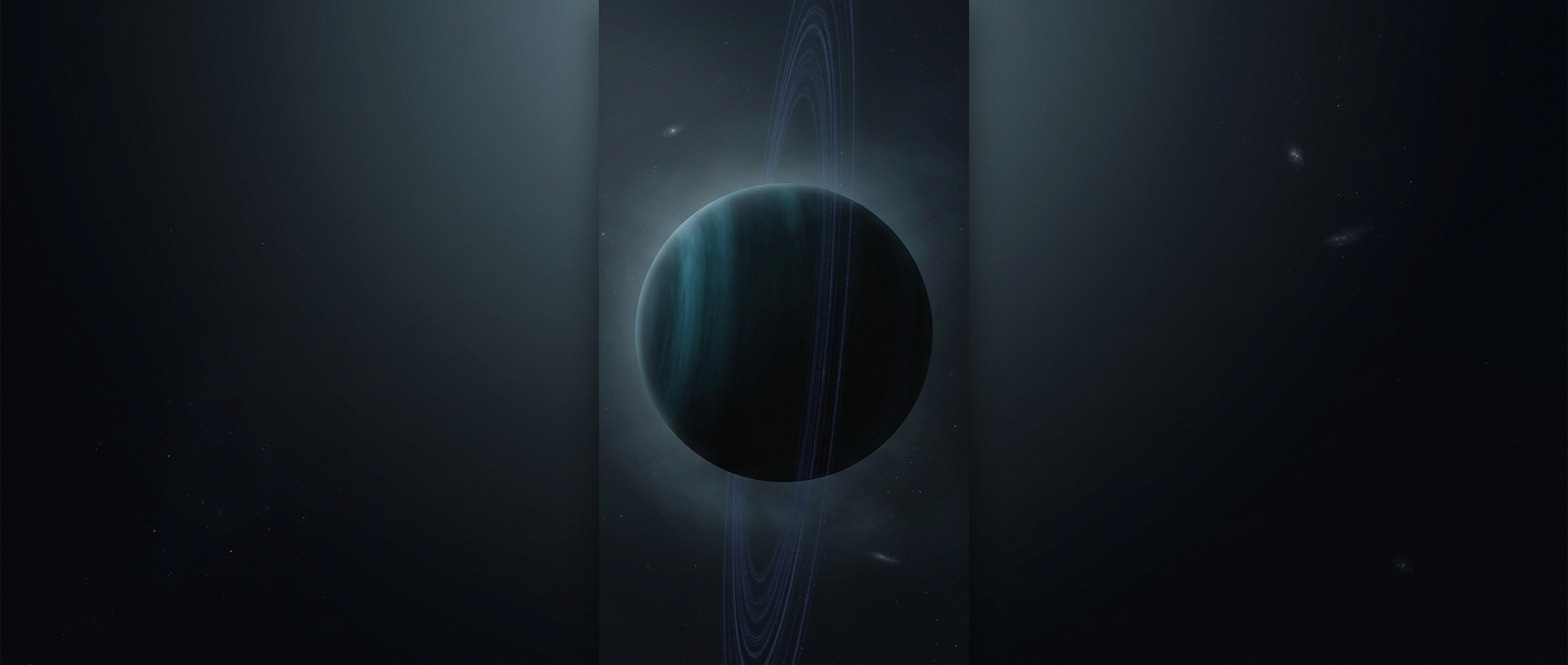
Uranus can make its rings almost disappear
Viewed edge-on, the broad rings become a thin line rather than a visible oval. As Uranus travels around the Sun, Earth's viewing angle changes and the rings…
Discover more
Cows have nose prints like our fingerprints
A cow’s nose has ridges that form a distinctive pattern, and that pattern stays largely stable as the animal grows. Since each one differs, the print can help…
Discover more
Why splashes shoot tiny jets into the air
When a drop hits a surface, water can shoot upward in a narrow spike. That spike may break into tiny droplets, launching little parcels of liquid into the air…
Discover more
Why proof-of-work burns computing power on puzzles
A proof-of-work puzzle is like a lock whose key takes ages to guess but seconds to test. Computers race to find a valid answer before a block of transactions…
Discover more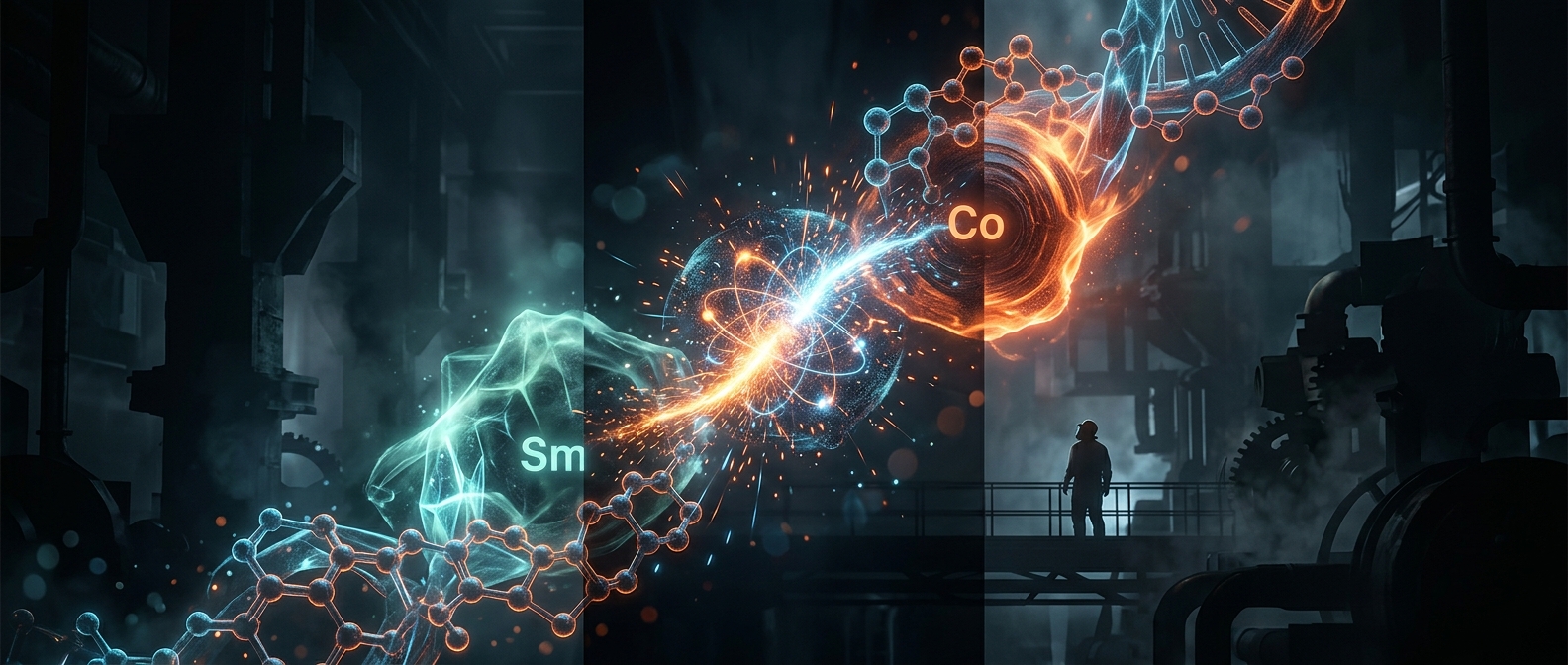
Samarium chemically binds with cobalt for industry
A magnet stays strong when its tiny magnetic directions stay lined up. In samarium-cobalt, the crystal structure makes those directions hard to flip, even at…
Discover more
A termite queen can produce tens of thousands of eggs in a day
In highly productive species, the queen's enlarged abdomen supports an enormous reproductive output while workers feed and care for her. The Smithsonian…
Discover more
Why water droplets turn the world upside down
Light from a scene passes through the curved droplet and bends like it would through a tiny convex lens. The rays cross before reaching your eye, swapping the…
Discover more
How activated charcoal traps poisons
Think of activated charcoal as a microscopic sticky maze. Some drugs and poisons cling to the walls of its pores in the gut instead of being absorbed. It’s no…
Discover more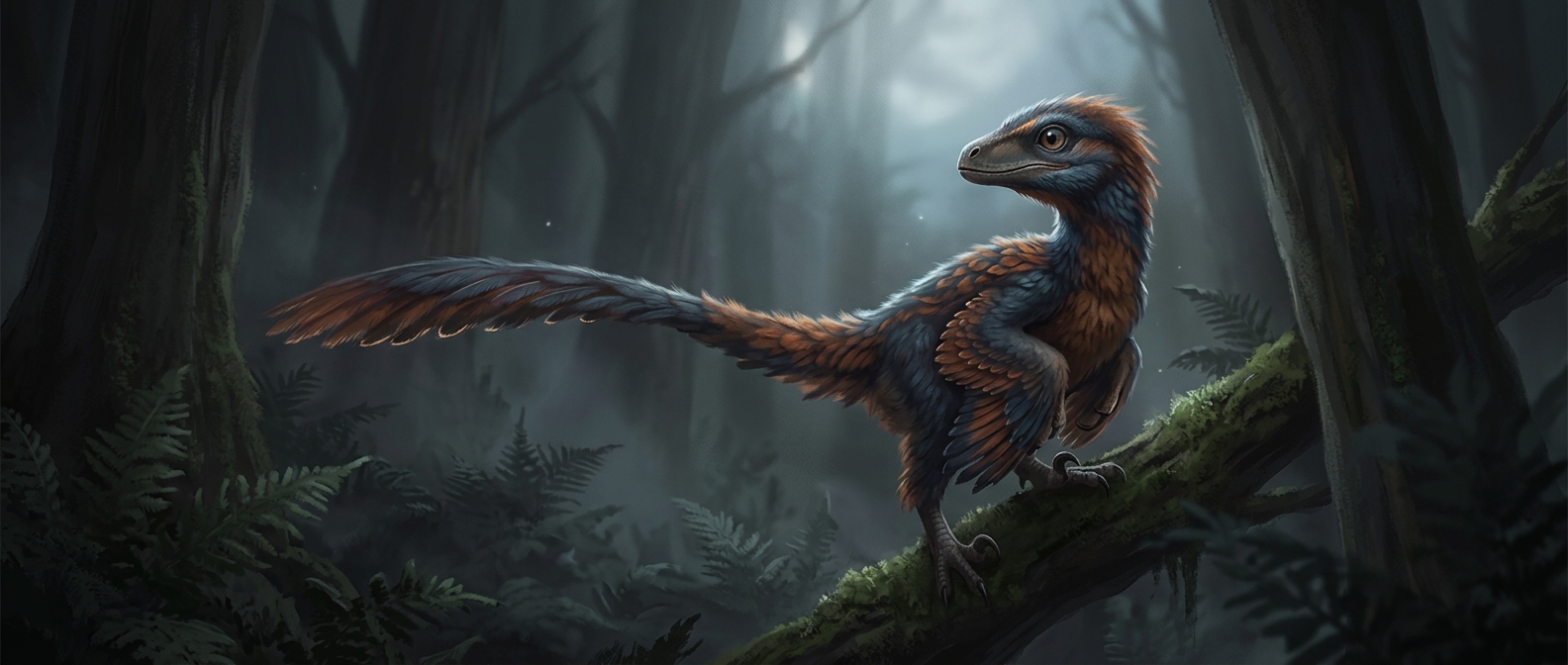
Many dinosaurs had feathers—including early tyrannosaurs
Feathers arrived before flight, so a feathered dinosaur didn’t have to be airborne. They may have helped some species stay warm or show off, and even early…
Discover more
Hair strands are predominantly constructed from dead keratin
Hair grows because living cells in the follicle produce keratin and push it up through the skin. By the time a strand reaches the surface, its cells are dead,…
Discover more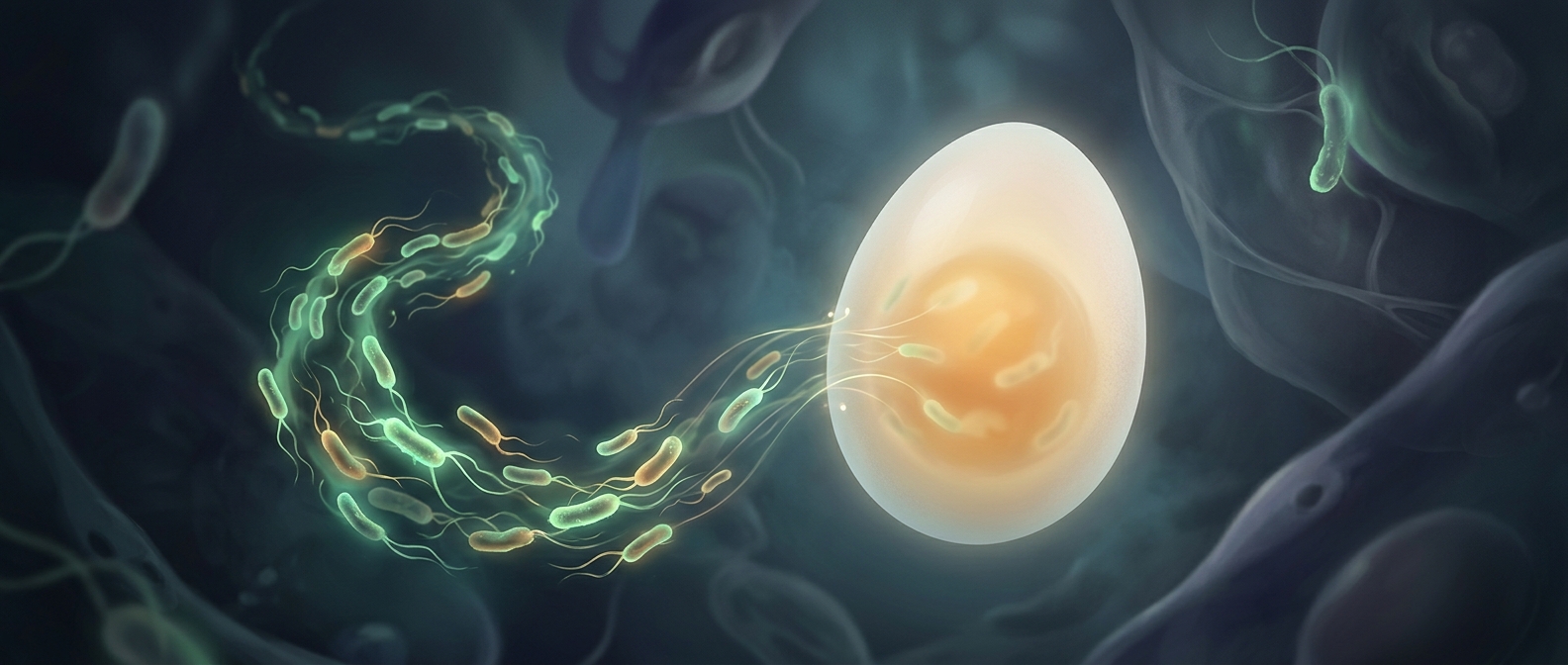
Why washing an egg can't always remove Salmonella
A rinse only reaches the outside of an egg. Some Salmonella strains can infect a hen’s ovaries and contaminate the yolk before the shell is even built,…
Discover more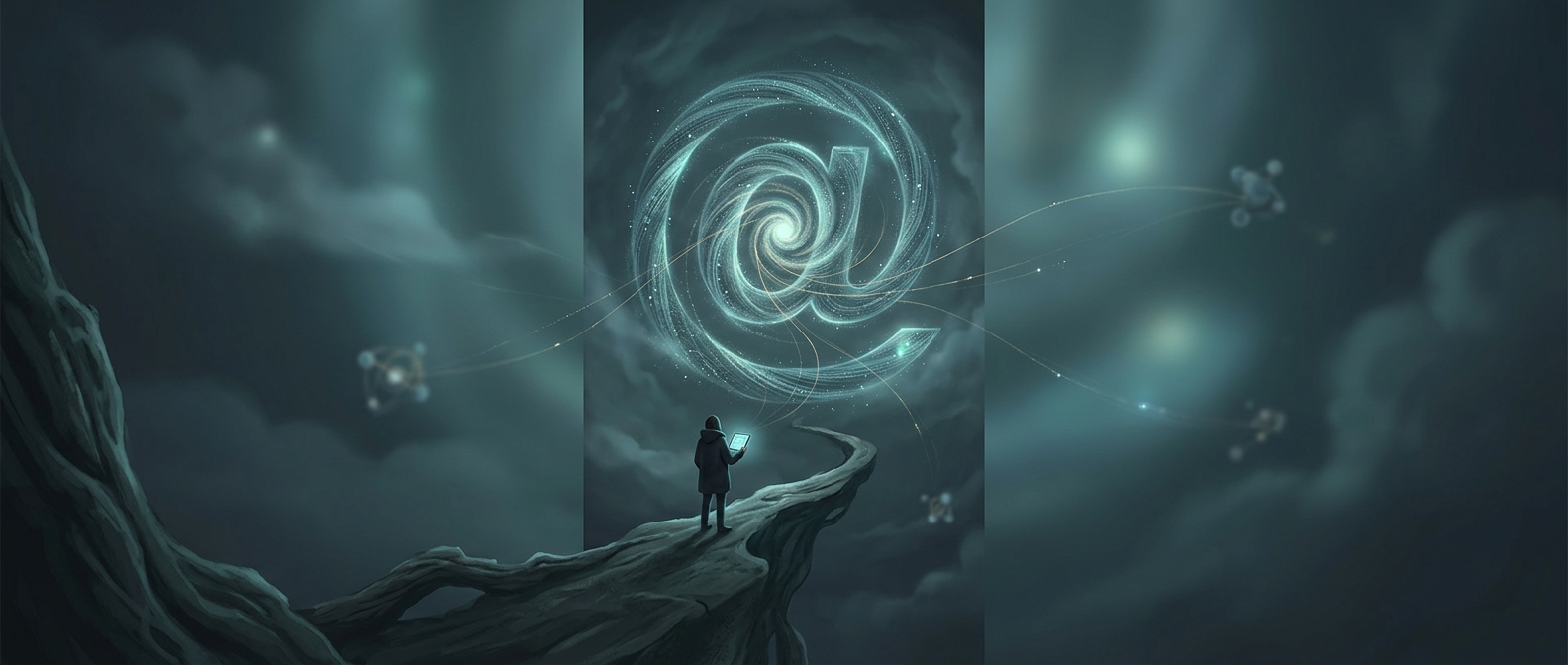
The @ sign is a snail in one language and a monkey tail in another
The same curled symbol invites different visual nicknames: Italian uses chiocciola, or snail, while Dutch uses apenstaartje, or little monkey's tail. Everyone…
Discover more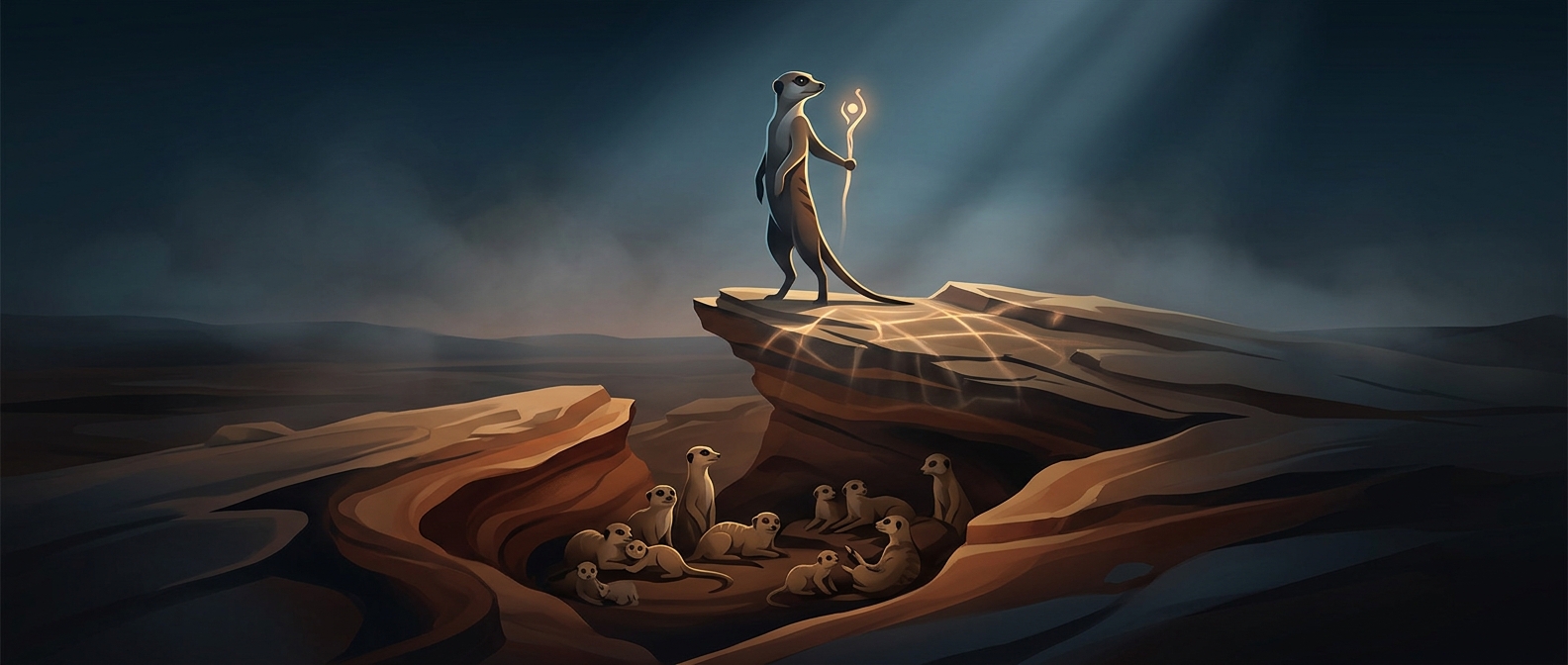
Meerkats put one member on guard duty
Meerkats divide their attention: one stands watch while the others hunt for food. From its lookout post, the guard scans for danger and barks an alarm if it…
Discover more
Invisible electric forces follow strict rules
An electric field spreads out as it gets farther from its source, like the same influence covering an ever-growing sphere. Double the distance and the…
Discover more
Uranium isotopes require massive centrifuges for separation
Uranium isotopes have almost the same mass, so a centrifuge can separate them only a little at a time. Spinning uranium hexafluoride gas nudges the heavier…
Discover more