Science
Discover facts about science. Small discoveries that change the way you see familiar things.
Science
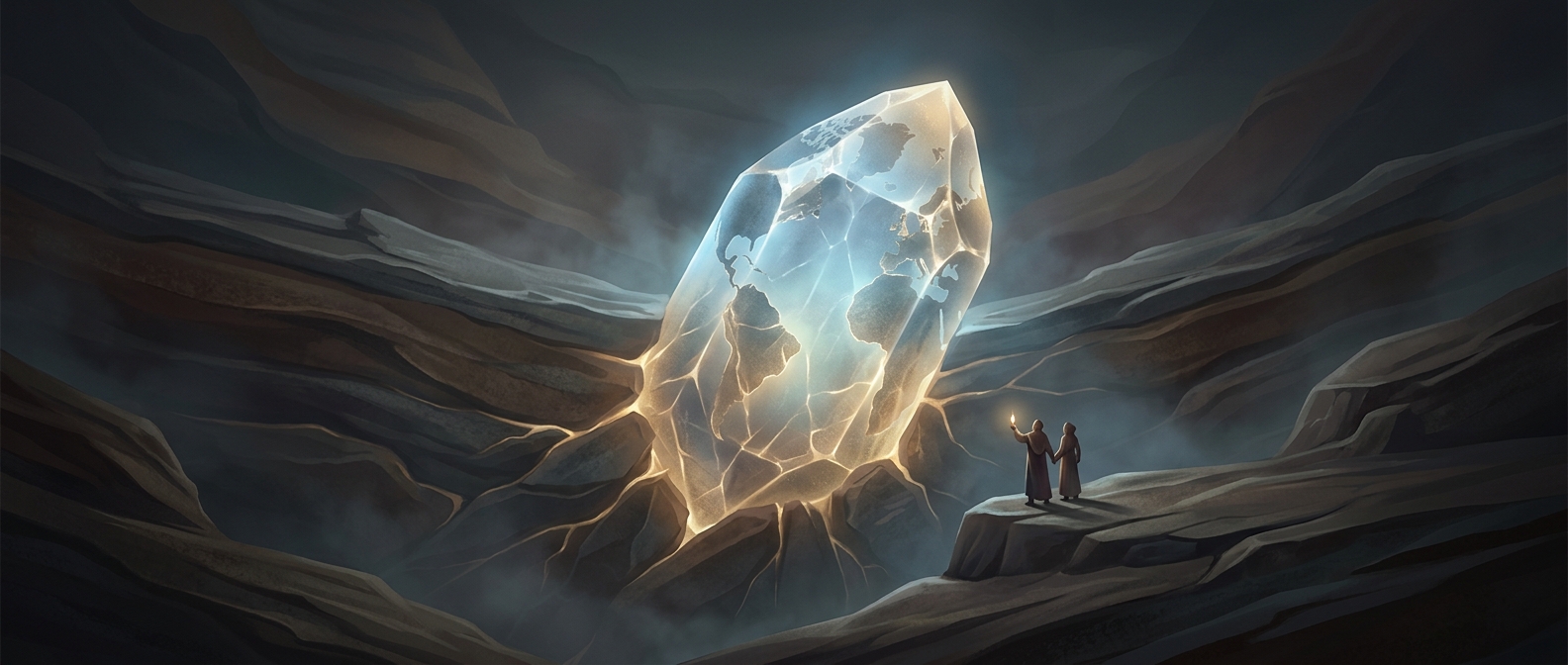
Silicon constitutes over a quarter of Earths crust
Silicon is abundant in Earth’s crust, but it is usually locked into minerals rather than sitting around as chip-ready material. It commonly bonds with oxygen…
Discover more
A skunk's warning display can include a handstand
Some skunks raise their hindquarters while balancing on their front legs, displaying the weapon end before using it. Their scent glands release defensive…
Discover more
Full moons require you to aggressively let go
A written grievance is something you can hold, and burning it turns “I’m letting go” into an action you can watch. Some people find that satisfying, though…
Discover more
What hyperphantasia looks like in the mind
People with hyperphantasia can picture scenes with striking clarity, even when their eyes are closed. Mental imagery varies from person to person, and these…
Discover more
Etheric cords drain your personal energy reserves
There is no scientific evidence that invisible etheric cords carry energy between people. In some spiritual traditions, “cutting” a cord is a metaphor for…
Discover more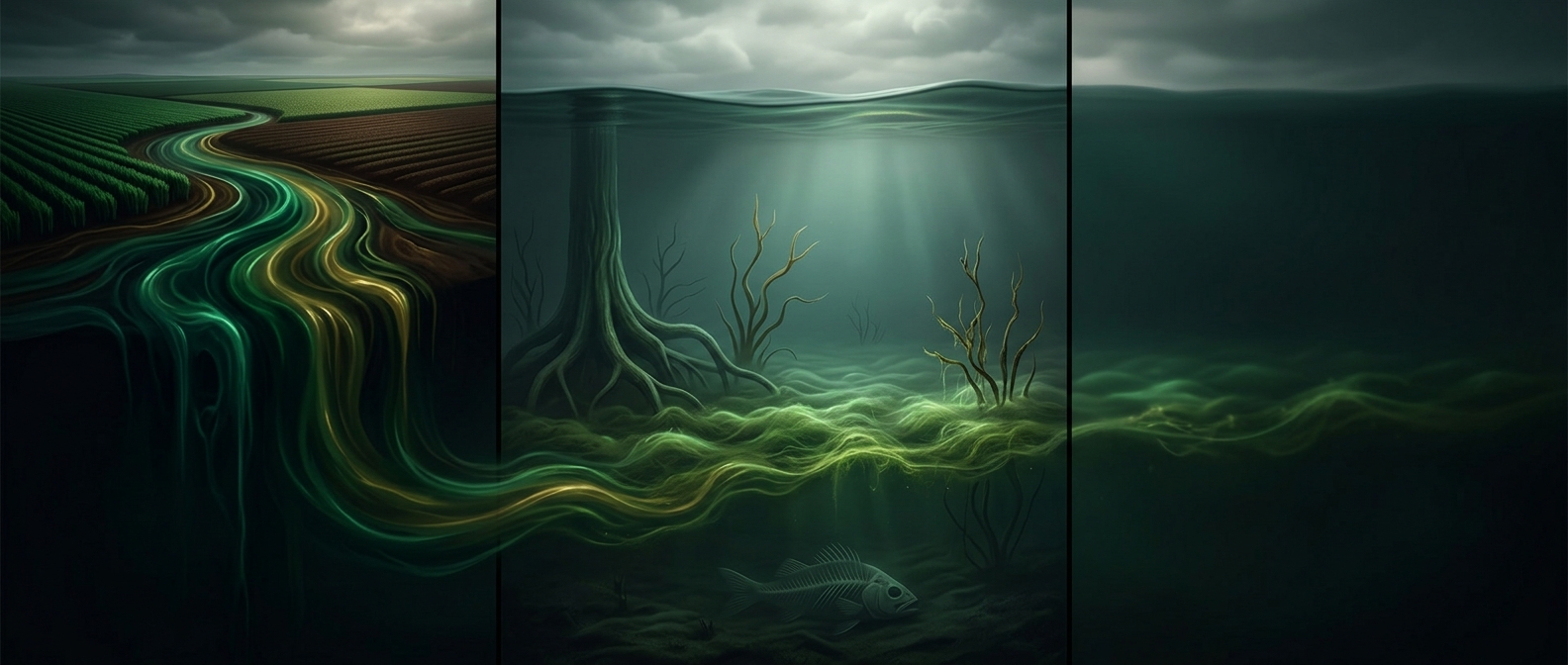
Excessive agricultural runoff suffocates freshwater lakes
Fertilizer can feed an algal bloom, but the oxygen crisis often arrives after the algae die. Microbes break down the dead algae and use dissolved oxygen as…
Discover more STACKY FOR IPHONE
A bigger world.
One discovery
at a time.
Keep discovering with Stacky. Interesting facts in an app that is always within reach.

Manganese can erase glass's green tint
Manganese can make greenish glass look clearer by adding a subtle purple tint that balances the green from iron. The iron stays in the glass; your eyes just…
Discover more
Unlike house cats, tigers love to swim
Tigers can swim strongly, crossing stretches of water as they explore their territory. They also wade into rivers to cool off, turning the water into both a…
Discover more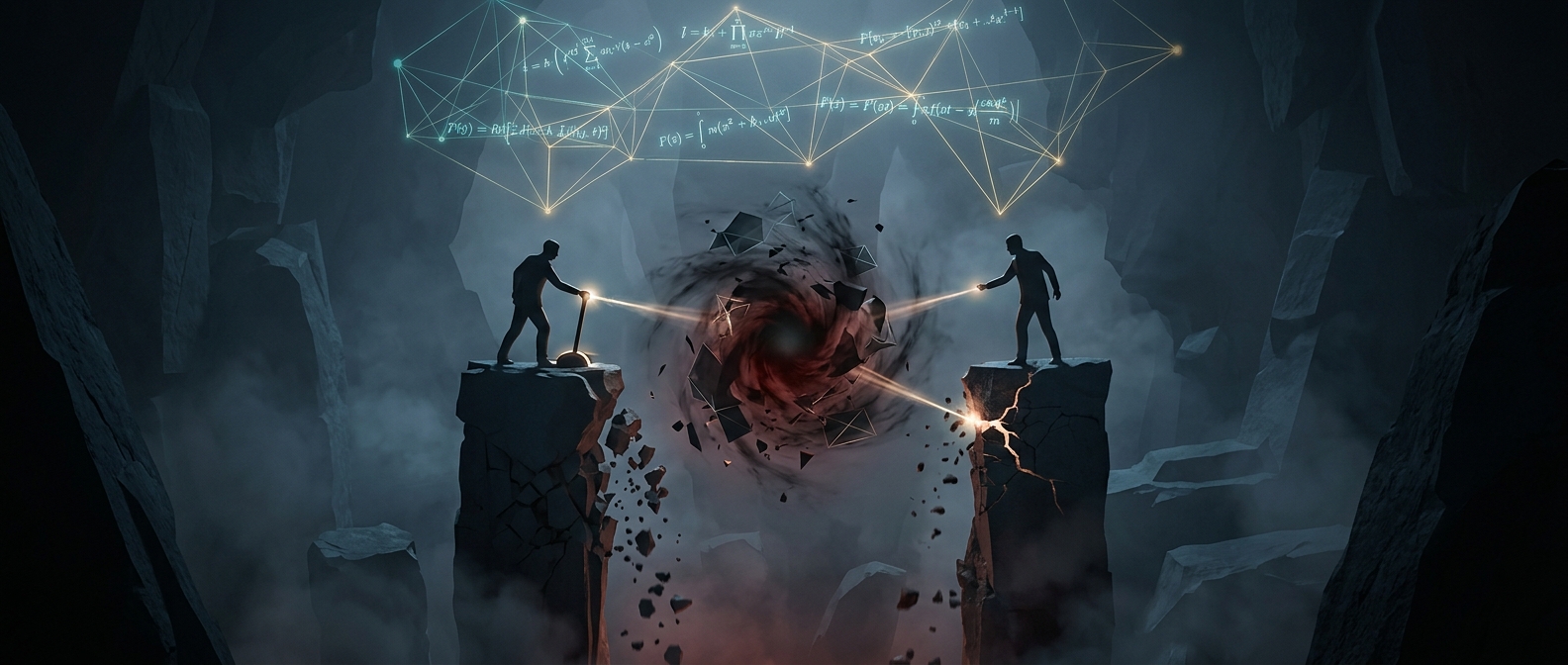
Why rational players can still lose together
When each business cuts prices to protect its customers, the rival can cut too. Neither gains an edge, but both collect less money than if they had held…
Discover more
A fossa's mating season can turn a tree into a meeting place
A female may occupy a favored tree while males gather and compete for access. Courtship and repeated matings can extend over several days, with more than one…
Discover more
Your phone needs satellites. Pigeons don't
A pigeon does not rely on one perfect internal compass. It can use landmarks and the Sun, and may also sense Earth’s magnetic field, though exactly how that…
Discover more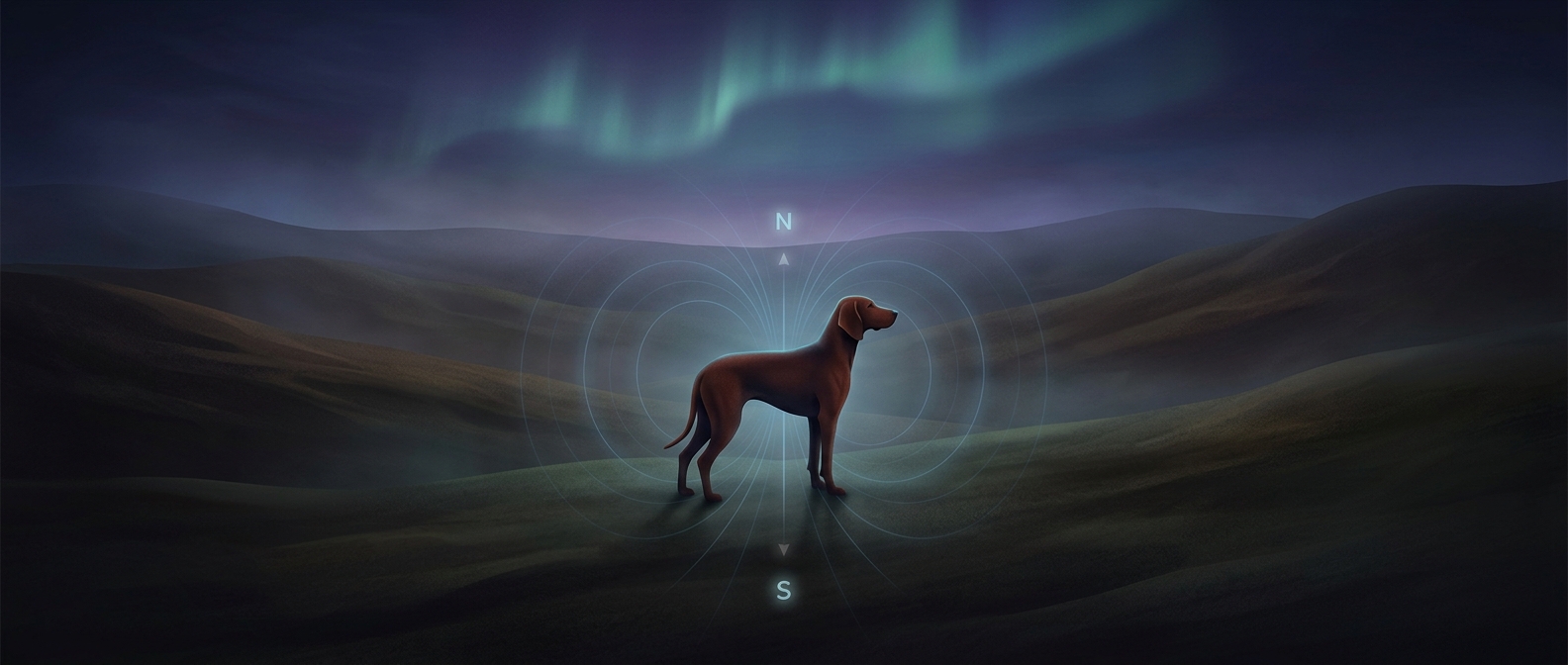
Dogs may face north before they poop
When Earth’s magnetic field was calm, the dogs tended to line up north–south before pooping; during magnetic disturbances, they didn’t. That pattern makes…
Discover more
Nuclear fission splits heavy uranium atoms violently apart
When a uranium nucleus splits, it releases energy and neutrons. Those neutrons can split more uranium nuclei, creating a chain reaction; control rods absorb…
Discover more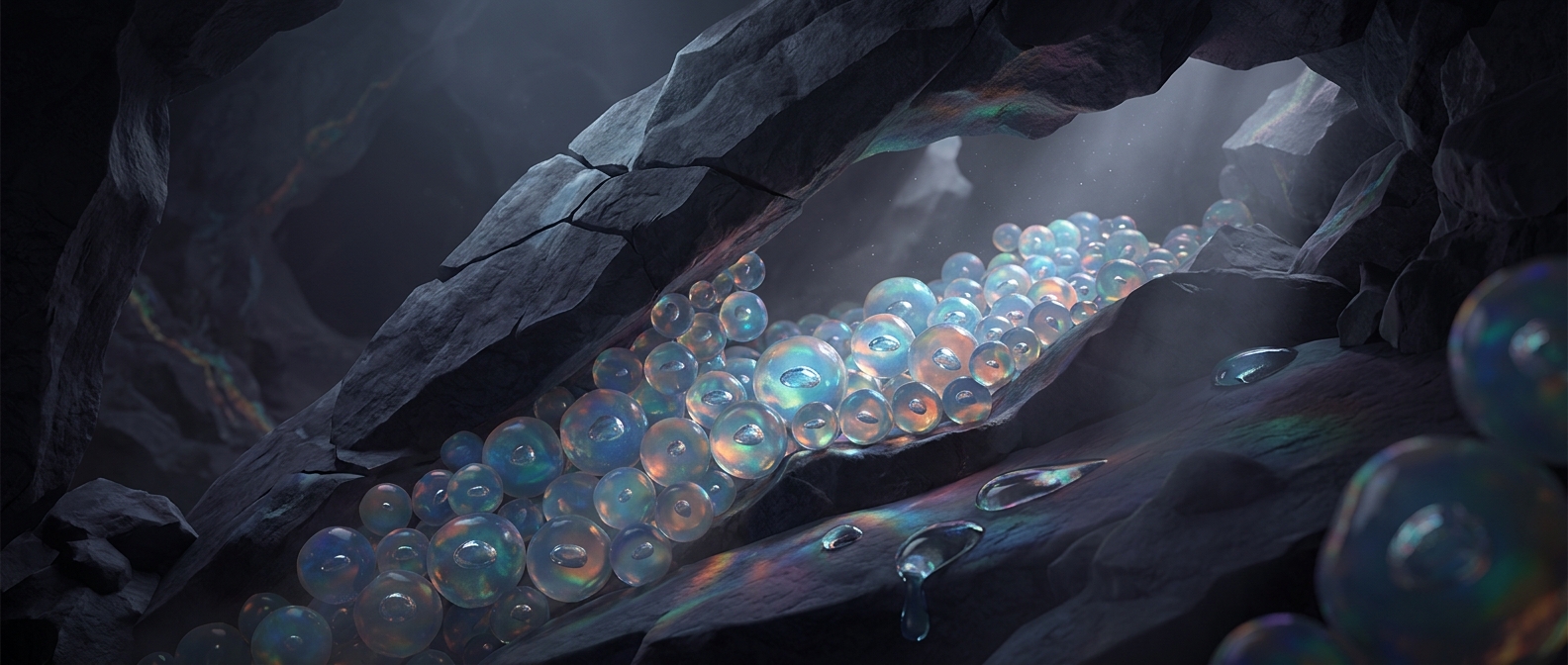
Opal consists of microscopic silica spheres packed with water
Opal’s color is built into its tiny structure. Regularly spaced silica spheres send light waves bouncing back together, strengthening some colors while…
Discover more
Why century years usually skip leap day
Earth takes about 365 days and nearly six extra hours to circle the Sun, so a leap day every four years slightly overcorrects. Skipping it in most century…
Discover more
Your granite countertop is slightly radioactive
A granite counter can be slightly radioactive because it may contain small amounts of uranium and thorium. In an intact slab, the radiation is generally low;…
Discover more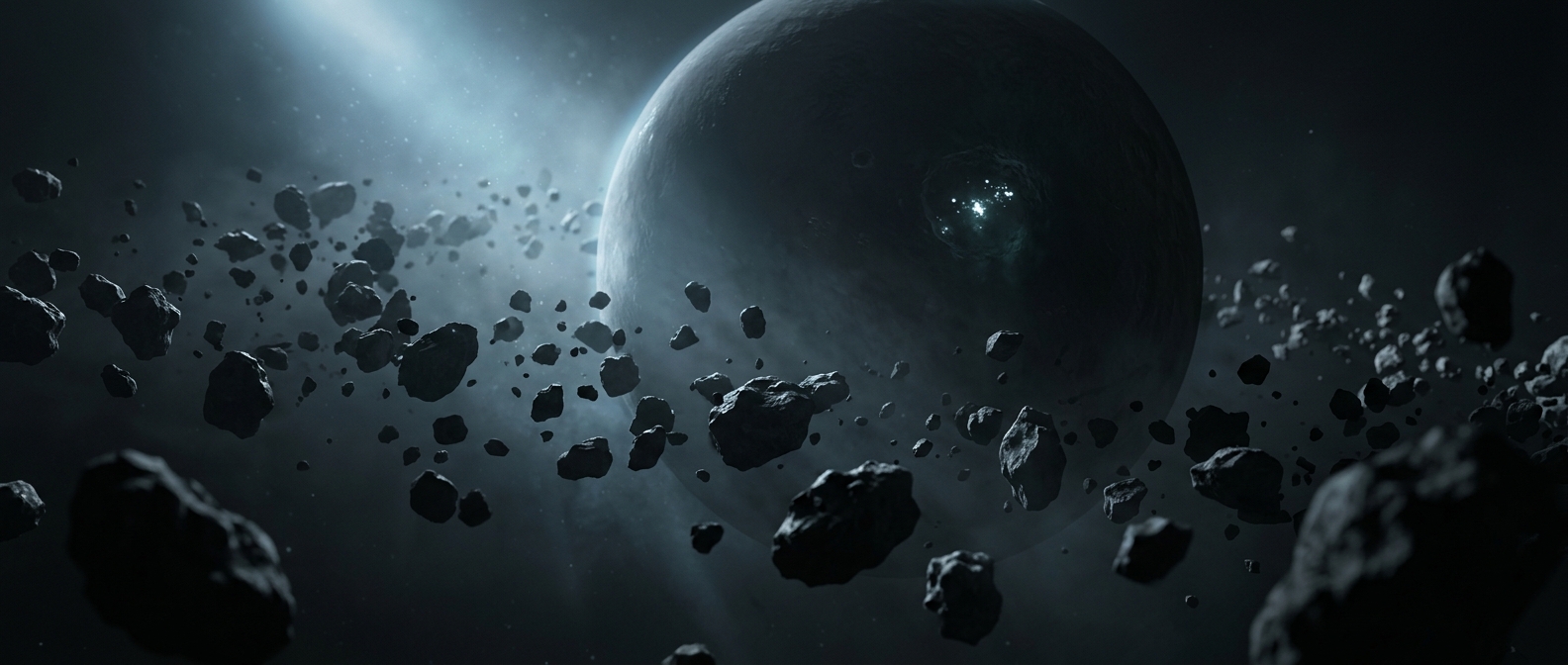
The dwarf planet hiding in the asteroid belt
Ceres’s own gravity pulled it into a nearly round shape, setting it apart from the lumpy rocks around it. It’s a dwarf planet sharing the asteroid belt, but…
Discover more
Cutting an onion assembles a chemical irritant
Breaking its cells lets compounds meet enzymes they were kept apart from. The resulting reactions produce a volatile substance that reaches the eyes and…
Discover more
From an evolutionary standpoint, if you trace our genetic lineage back far enough, humans are shockingly closer relatives to what?
From an evolutionary standpoint, if you trace our genetic lineage back far enough, humans are shockingly closer relatives to what?
Discover more
Nostalgia isn't just a feeling. Neuroscientists discovered that dwelling on your past triggers a literal physical change.
Nostalgia isn't just a feeling. Neuroscientists discovered that dwelling on your past triggers a literal physical change.
Discover more
The reality of microplastic pollution is terrifying. On average, you are ingesting about one credit card's worth of microscopic plastic every:
The reality of microplastic pollution is terrifying. On average, you are ingesting about one credit card's worth of microscopic plastic every:
Discover more
If you're struggling with anxiety, you might be shocked to learn where 90% of your serotonin is actually made.
If you're struggling with anxiety, you might be shocked to learn where 90% of your serotonin is actually made.
Discover more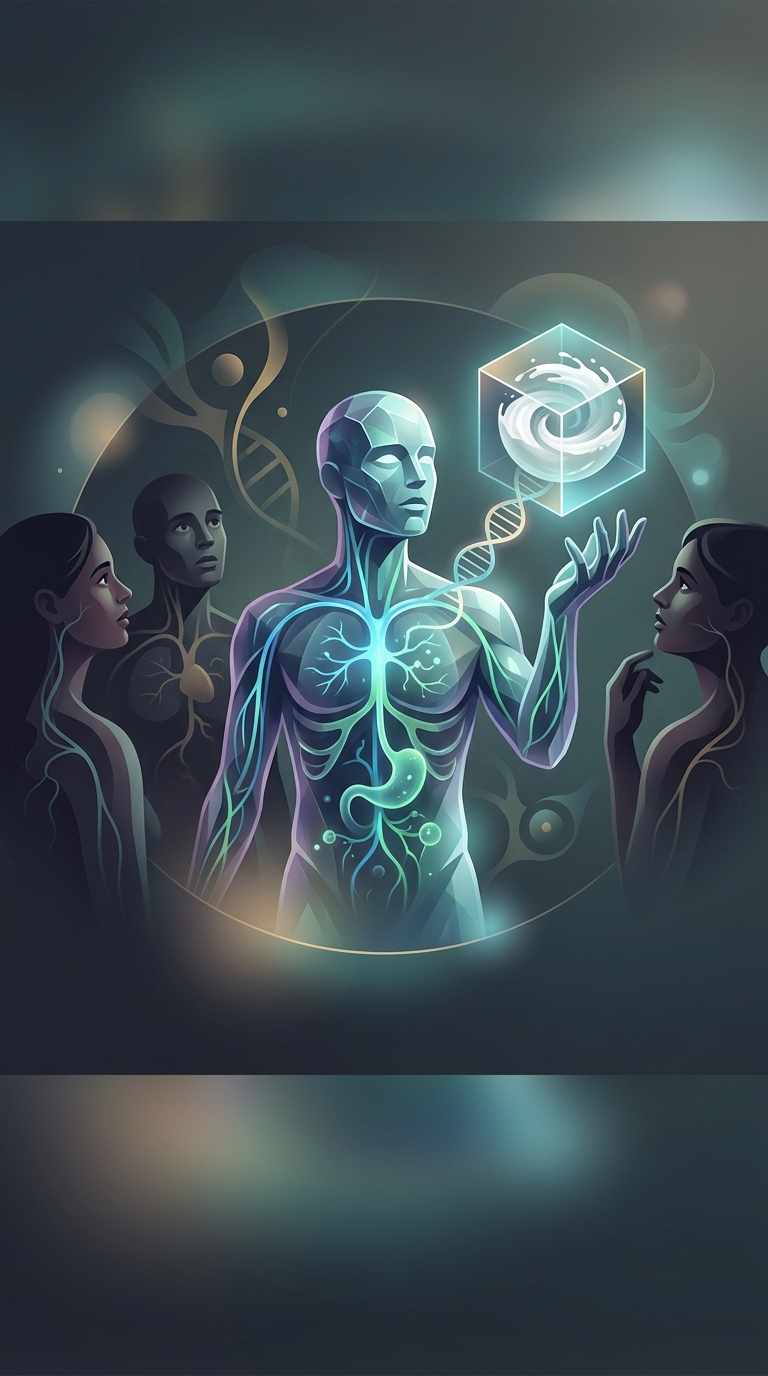
Drinking a cold glass of milk without getting a stomach ache isn't the human default. Being able to digest dairy as an adult is actually a:
Drinking a cold glass of milk without getting a stomach ache isn't the human default. Being able to digest dairy as an adult is actually a:
Discover more
You can suffer from brutal migraines, but ironically, if a surgeon touched your exposed brain while you were awake, you would feel:
You can suffer from brutal migraines, but ironically, if a surgeon touched your exposed brain while you were awake, you would feel:
Discover more