How Nostalgia Can Make You Feel Warmer
A memory can do more than bring back a scene: it can change how warm or cold the present moment feels. In experiments, people prompted to feel nostalgia have reported greater warmth or shown more tolerance for cold than people in comparison conditions. The effect is bodily in its consequences, but it does not mean a memory reliably raises someone’s core temperature.
Memory, Emotion, and Bodily Sensation
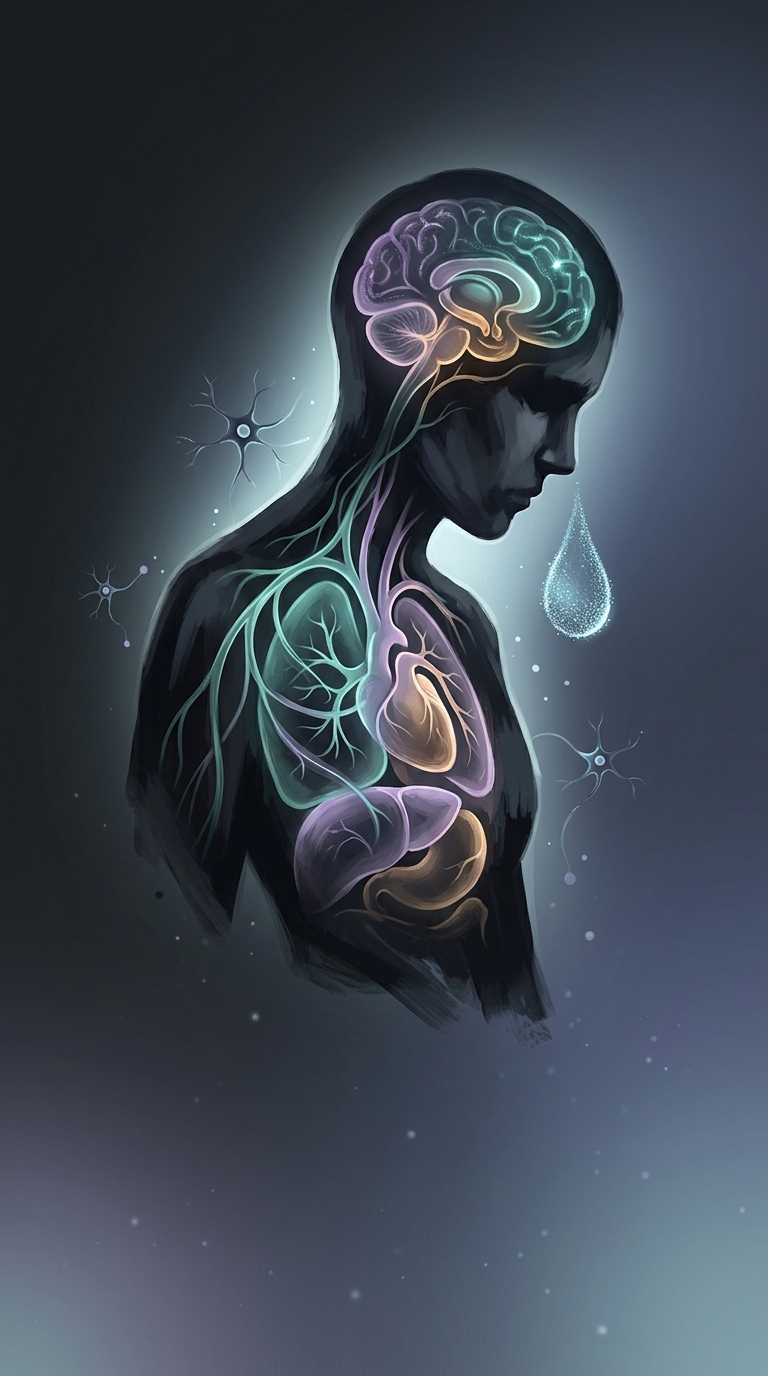
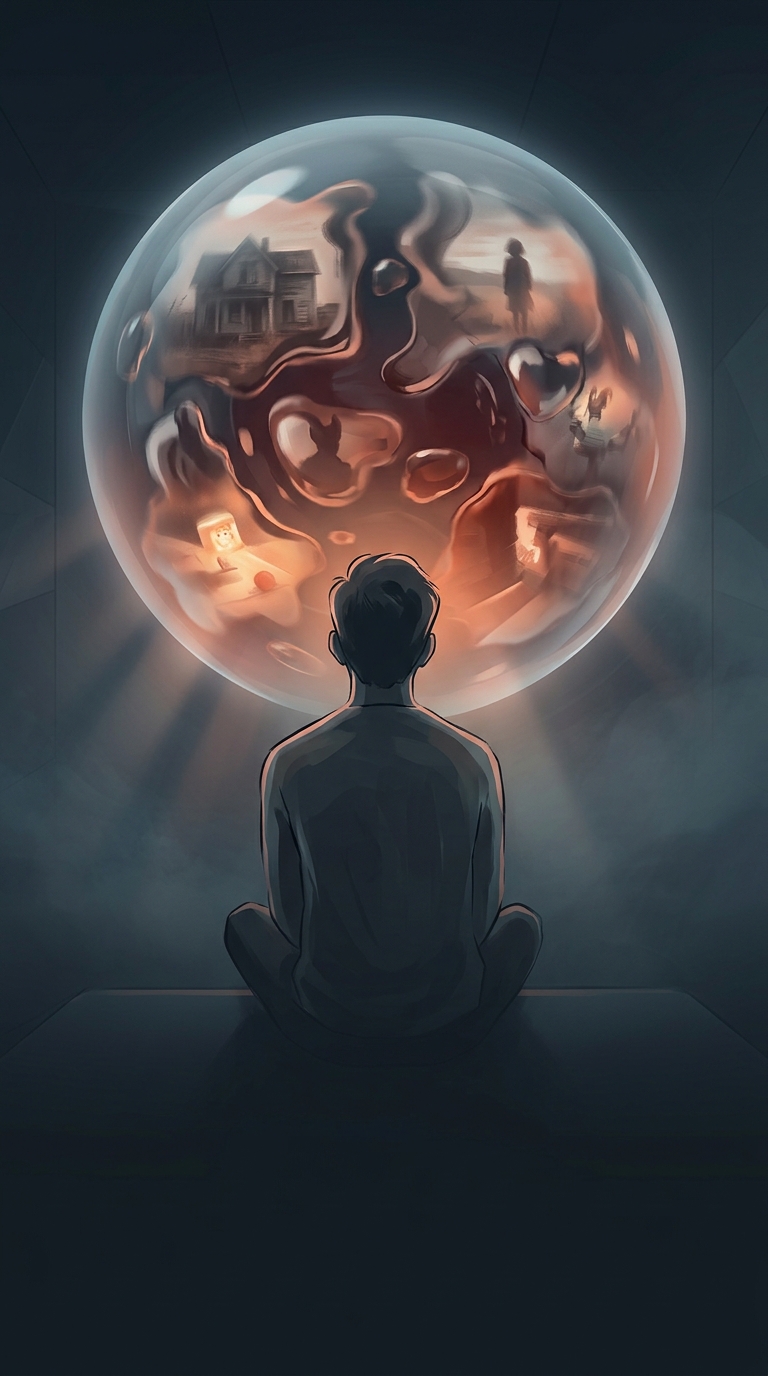
Nostalgia is often a blend of longing and comfort. Remembering a familiar person, place, or ritual can make the past feel socially close, even when it is gone. The brain does not process that recollection as a bare record; it combines memory with emotion and the body’s ongoing signals. That combination can influence how those signals are interpreted. A chilly room may feel less harsh when the mind is occupied with a comforting memory.
This is an example of top-down processing: thoughts and expectations help shape perception, rather than perception being determined only by what the senses detect. The temperature of the room need not change for the experience of being cold to ease.
A Feeling With a Physical Edge
The result helps explain why nostalgia can feel comforting in a way that is more than metaphor. It can alter felt warmth and cold tolerance, connecting an emotional state to a basic bodily experience. That does not make nostalgia a substitute for physical warmth: a memory may soften the sensation of cold, but it cannot replace a coat or heat source. The striking part is that recalling the past can change how the present feels on the skin.