When Sight Fades, the Brain Can Create Images
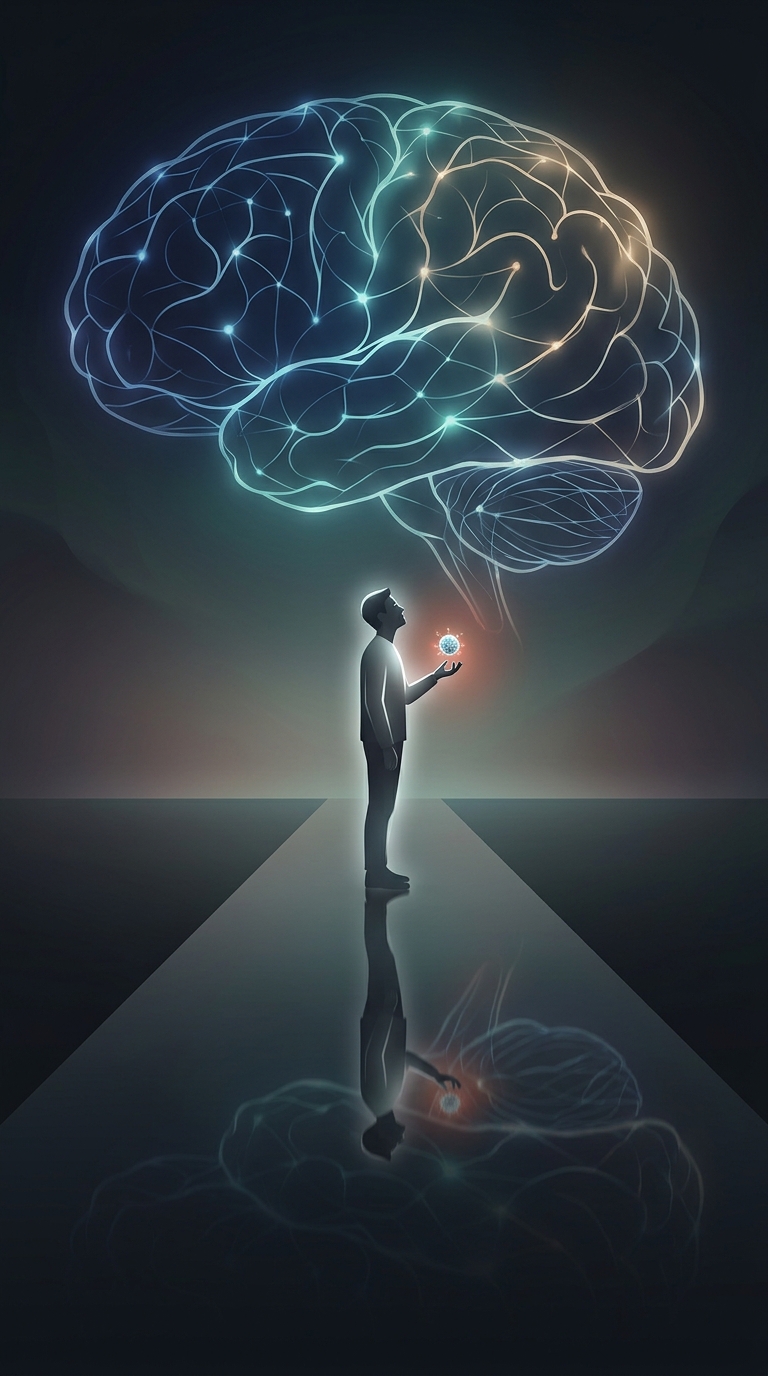
Some people who lose much of their vision begin seeing things that are not there: patterns, faces, people, or entire scenes. These experiences are called Charles Bonnet syndrome. They can be startling, especially because the images may look vivid and real, even though the person is awake.
Why It Happens
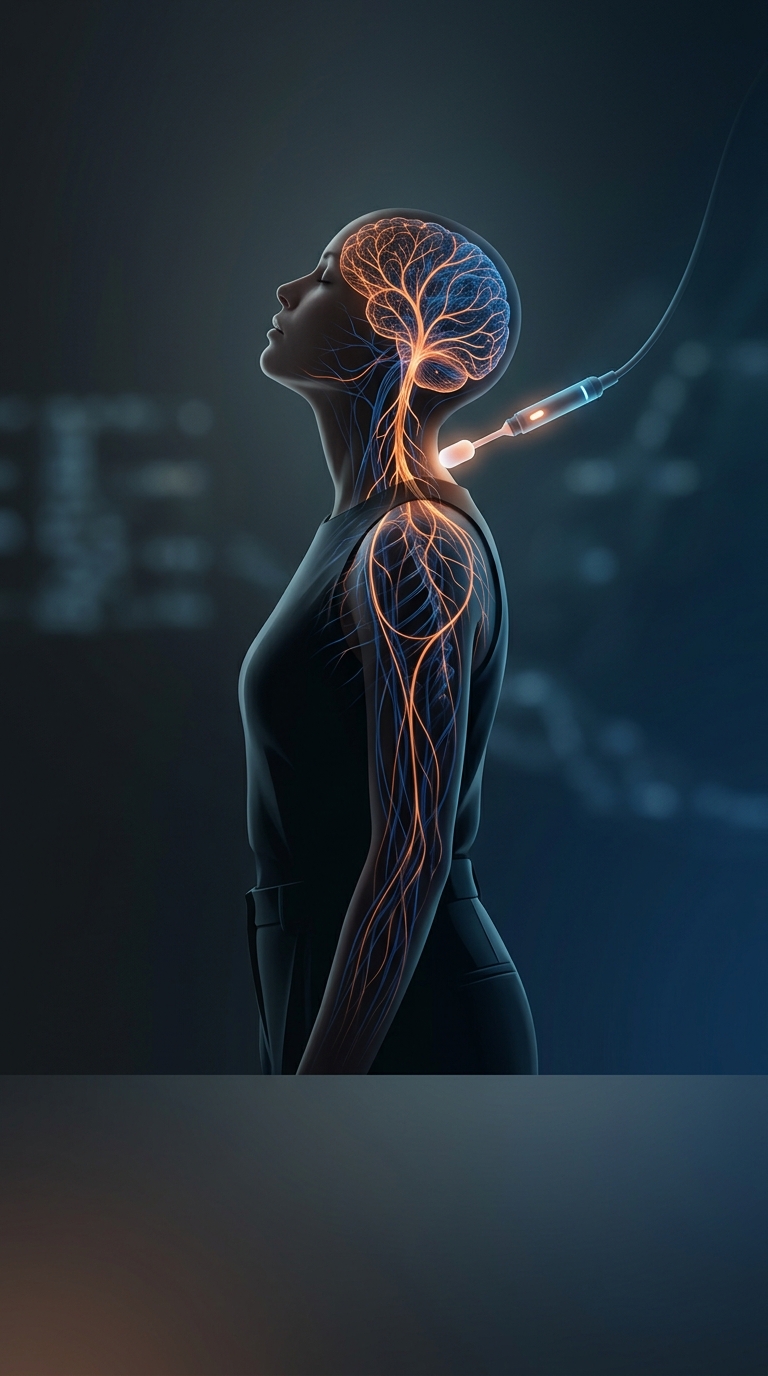
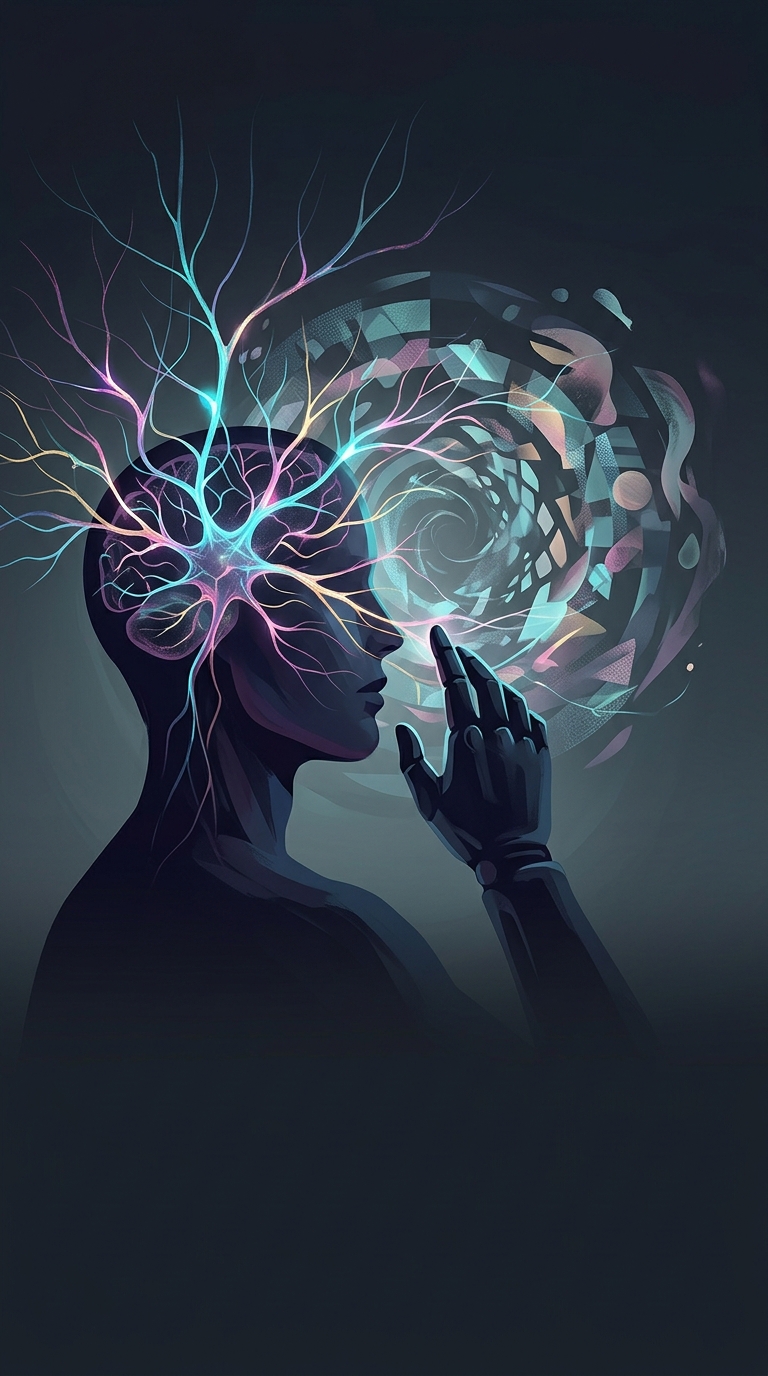
Vision is not a simple recording of what the eyes see. The brain interprets signals from the eyes, filling in details and organizing shapes into recognizable objects. When eye disease or another cause of vision loss reduces those signals, parts of the brain’s visual system may remain active without enough incoming information. That activity can produce images on its own—rather like a visual system generating pictures when its usual input has gone quiet.
The images are visual only; the syndrome does not, by itself, mean someone is losing touch with reality. Many people recognize that what they see is not actually present, though the experience can still be unsettling. The images may come and go, and their content can range from simple patterns to detailed scenes.
Why Recognizing It Matters
Because unexpected visions can have different causes, a person experiencing them should tell a health professional, particularly if the change is new. Recognizing Charles Bonnet syndrome can offer a less frightening explanation: the brain may be producing visual images in response to reduced sight, not inventing a world the person believes is real.