How the brain may register too little to do
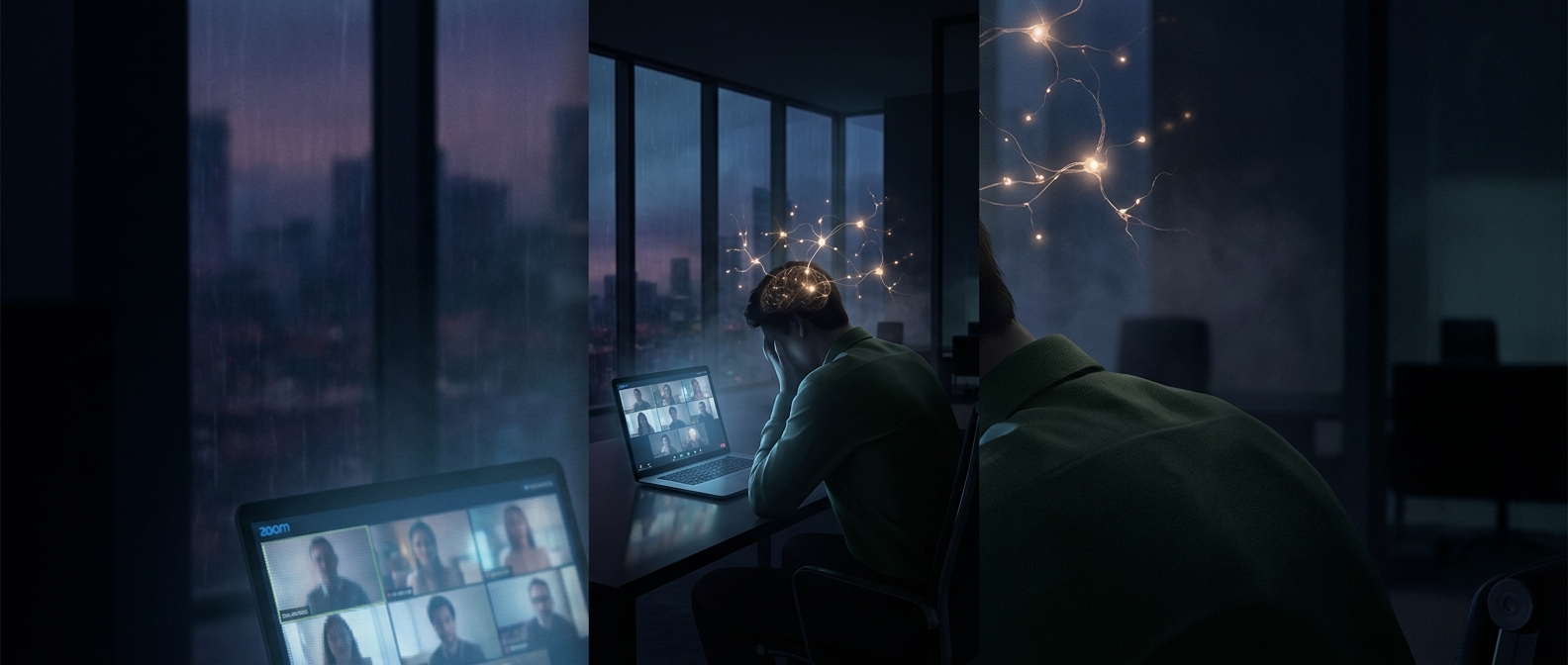
Boredom is more than the absence of excitement. It can arise when a situation fails to hold attention while the mind remains ready for something more engaging. In a long video call, for example, the stream of information may be too repetitive or passive to keep attention occupied. Activity in particular brain cells under those conditions suggests that the brain registers this lack of engagement.
An alarm is not the feeling itself
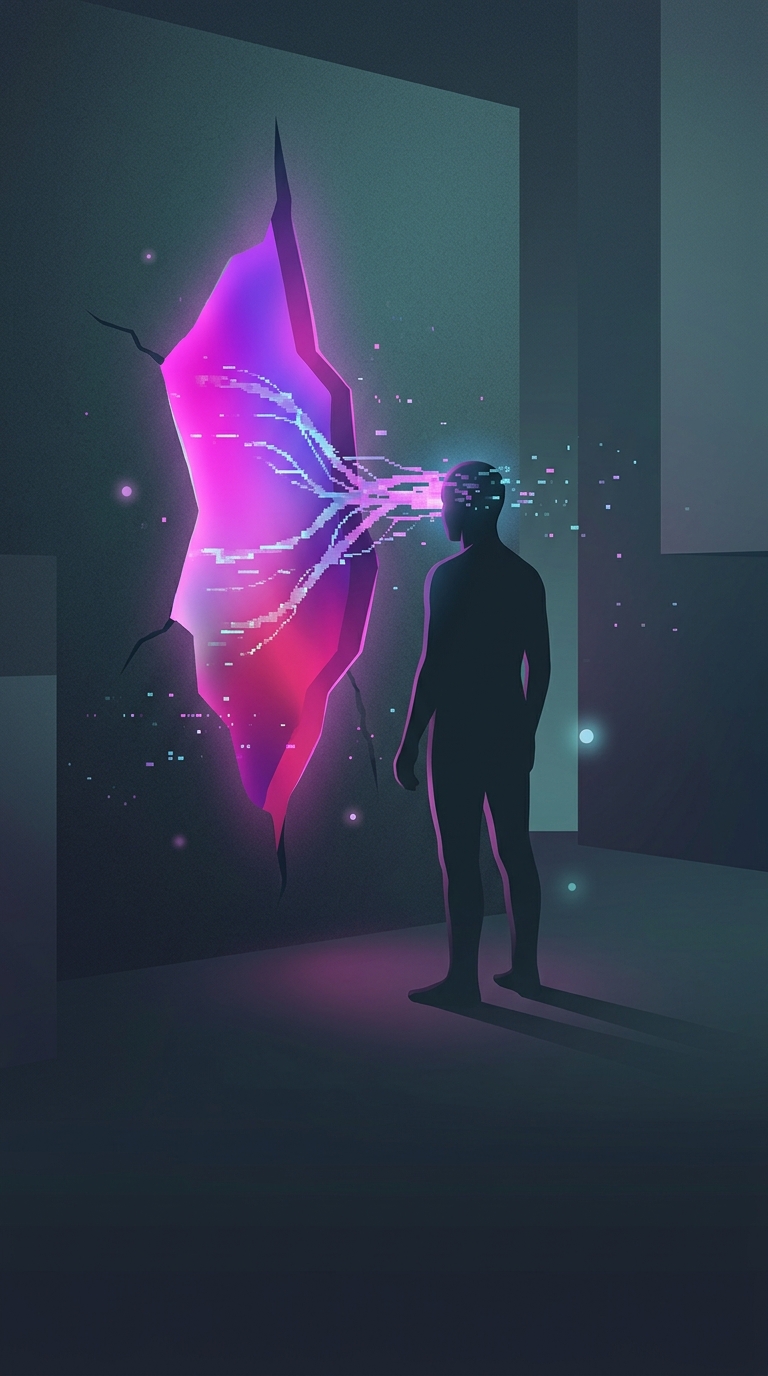
The “alarm” idea describes a possible signal, not a cell that has been shown to produce boredom on its own. Cells can become more active when conditions change, but observing that activity does not establish exactly what the signal means or whether it causes a person’s conscious feeling. It may instead be part of a broader process that tracks how engaging a situation is.
That distinction matters because boredom can prompt a change: people may seek a new task, shift their attention, or try to make the current activity more interesting. A signal of under-stimulation could help the brain notice when its attention is going unused. The cells’ activity is therefore a clue about how the brain monitors engagement—not a complete explanation of the subjective experience.
Why the distinction matters
If this activity helps flag under-engagement, it could be one link between a dull moment and the urge to do something else. But the key question remains whether the signal merely accompanies boredom or helps drive that urge. For now, the long video call is a revealing setting: the brain may be responding to a shortage of engagement even when nothing obviously dramatic is happening.