How a drink can feel stronger than it is
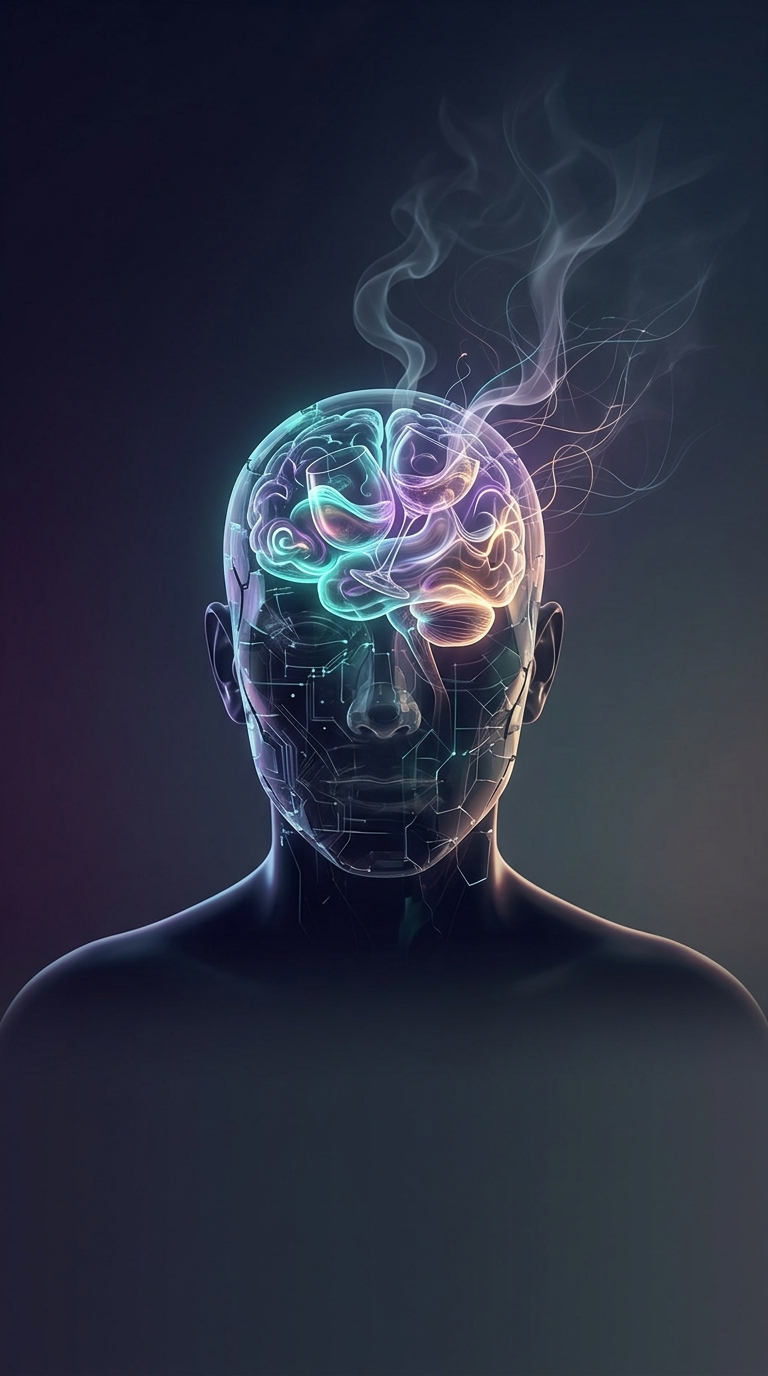
At a loud party, people use more than the liquid in a glass to judge whether they are getting drunk. The setting, the taste of a familiar drink, and the sight of others drinking all help shape what they expect to feel. If someone believes a drink contains alcohol, that expectation can change their experience: they may feel warmer, more relaxed, or less inhibited, and may act in ways that fit the idea of being drunk.
This is a form of expectancy effect: the brain’s predictions influence how sensations are interpreted and how a person behaves. It is not simply “imagining” a feeling. Social cues can reinforce the expectation, making a person’s behavior look like evidence that the drink is working.
What a fake drink cannot do
Expectation is not a substitute for alcohol’s effects on the body. Without alcohol, a person does not get the same chemical impairment of judgment, reaction time, and coordination that follows drinking. Feeling loosened up—or acting as if one is—does not mean those abilities have been affected in the same way.
That difference matters at a party. A person may misread their own mood or confidence, while friends may mistake conspicuous behavior for proof of intoxication. Belief can influence the experience of a drink, but it cannot make a nonalcoholic drink chemically equivalent to alcohol.