Why a screen can lower the social brakes
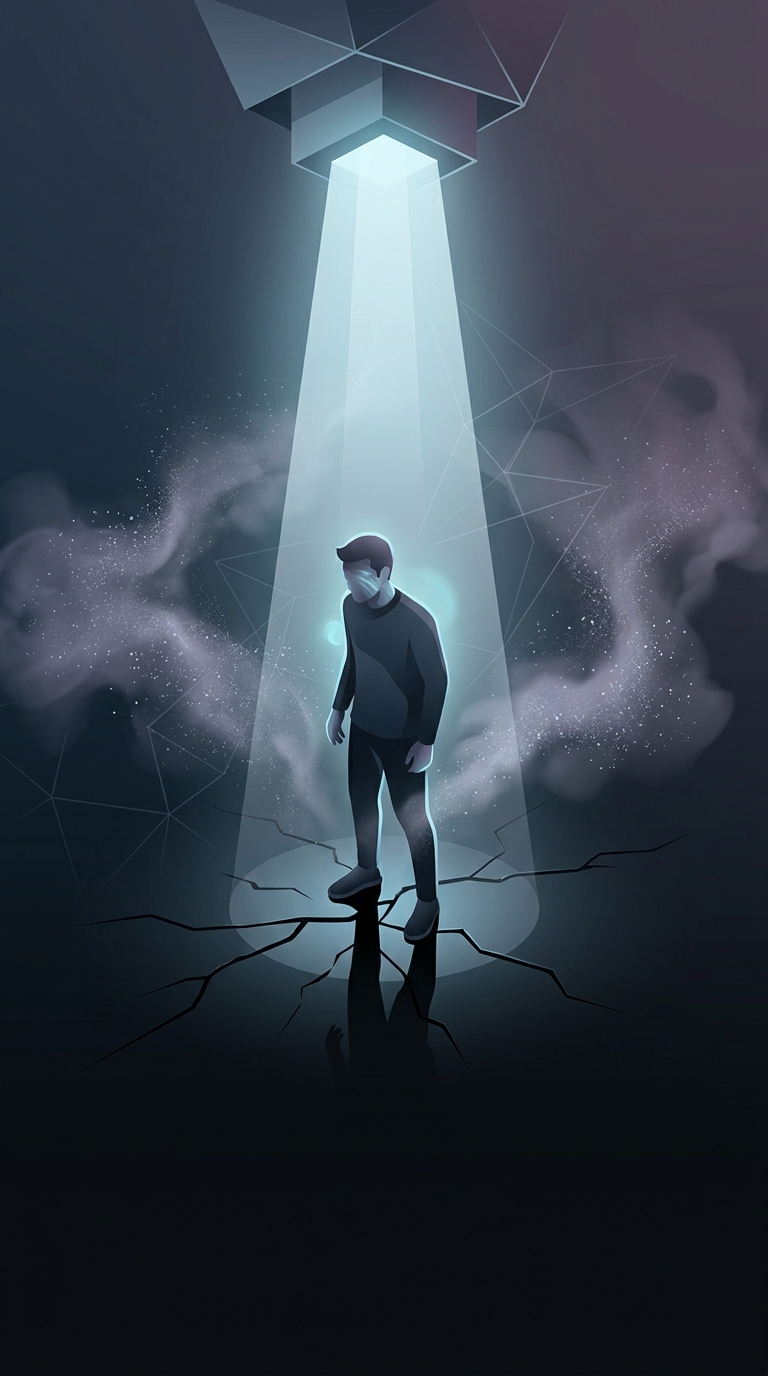
Psychologists often call the shift online disinhibition: people may say or do things online they would hold back in person. It is not a special kind of personality so much as a change in the situation. A screen can weaken the cues that normally make someone pause before speaking.
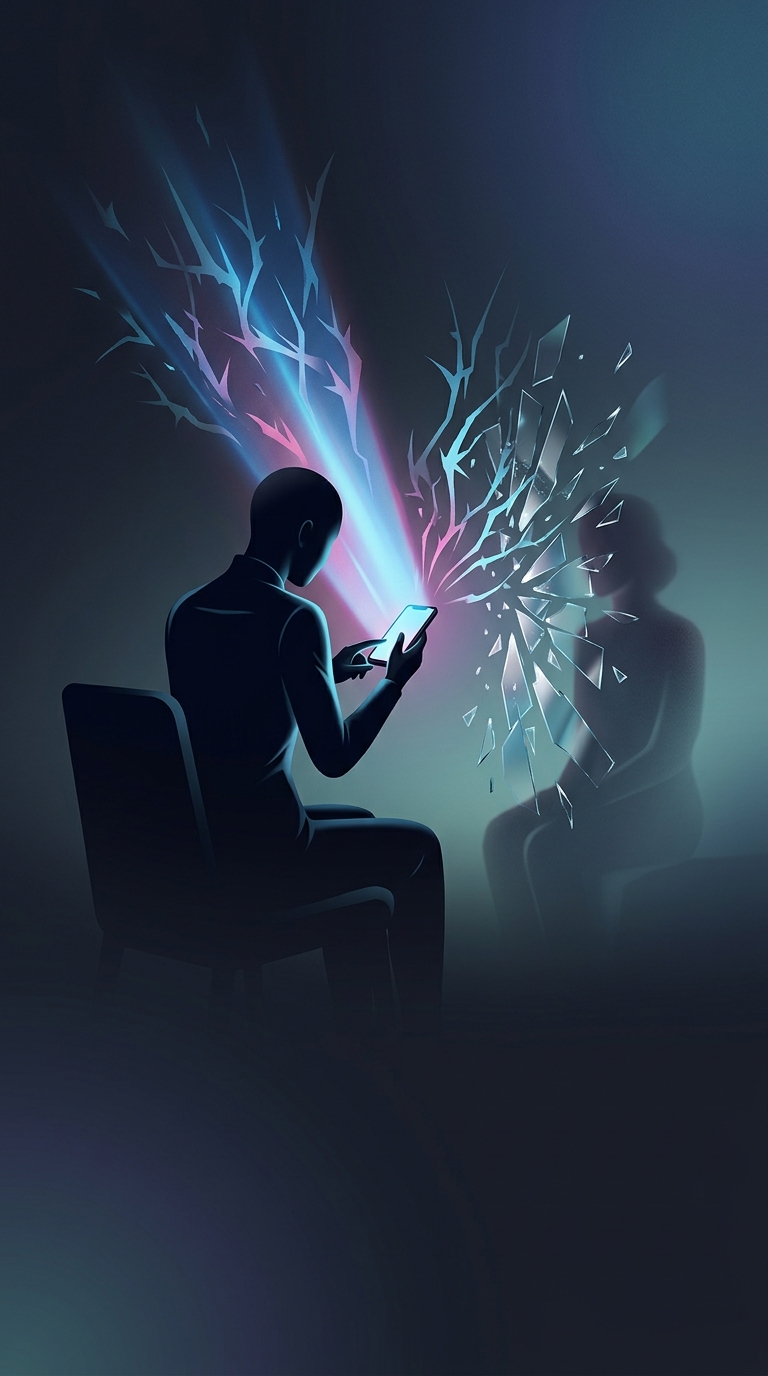
Face-to-face, an insult lands in real time. You can see the other person’s expression, hear their voice change, and feel the awkward silence that follows. Those reactions make the consequences immediate and personal. Online, a person may be physically distant, hard to identify, or represented only by a username. The recipient’s hurt can feel less vivid because it is not visible.
Distance changes the moment of choice
Digital communication also disrupts the usual rhythm of conversation. A message can be typed privately, edited, and sent without watching the recipient react. In a live exchange, another person’s discomfort may interrupt the impulse; in a comment box, there may be no such interruption. Delayed replies can further separate the act from its consequences.
These conditions do not affect everyone equally, and they do not automatically make people cruel. They can, however, reduce the social friction that would otherwise prompt a person to reconsider. The same distance may also make it easier for someone to disclose a worry or ask for help.
That is why an online insult can feel easy to send and much harder to defend once the writer sees its effect: the screen removed some of the cues that would have made the harm feel immediate.