Why clustered holes can feel so unsettling
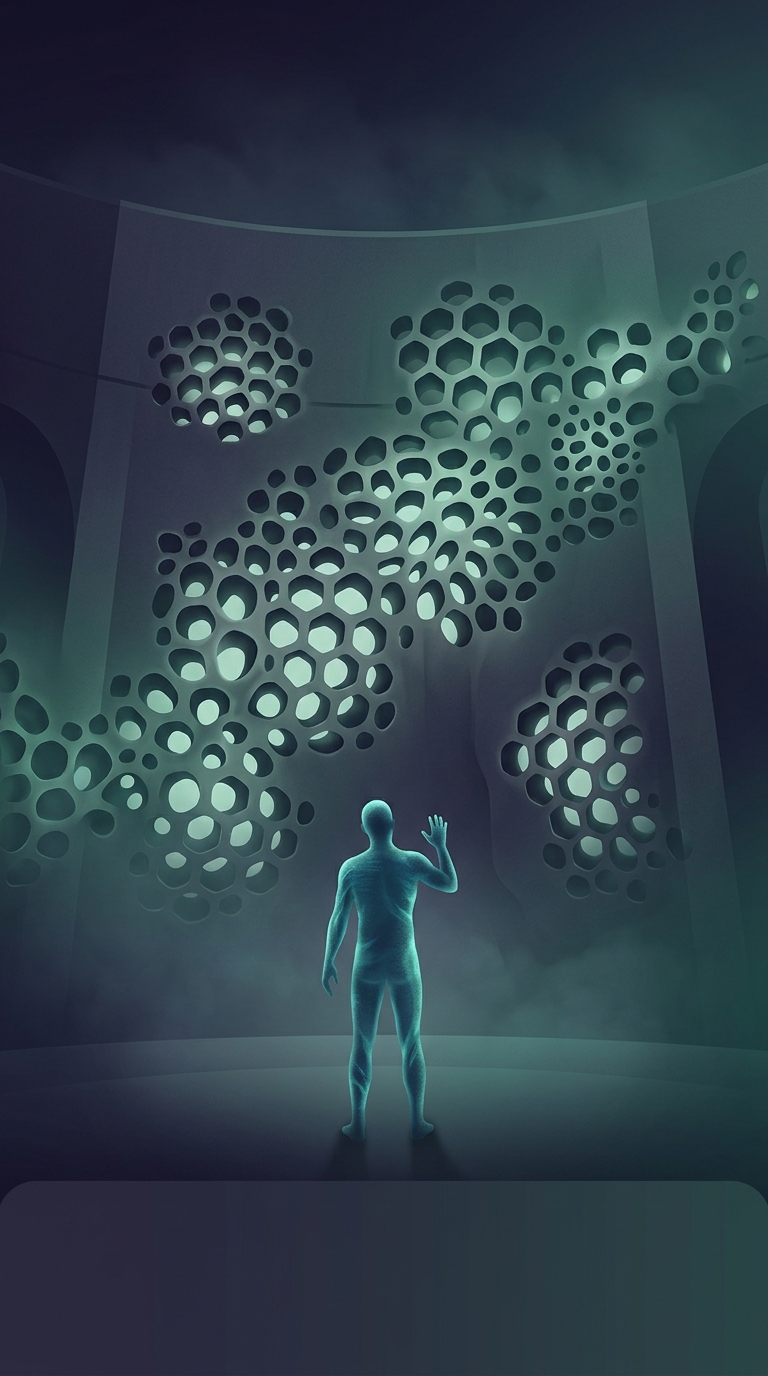
A lotus pod or sponge may be harmless, but the visual pattern can still set off a strong reaction. Closely packed holes create repeated dark spots and sharp contrasts—features the visual system notices quickly. In some people, that pattern brings on disgust, unease, or even physical discomfort. The reaction is often called trypophobia, though it is not an official clinical diagnosis.
A pattern that can resemble a warning
One possible explanation is that clustered holes share visual features with things people may find threatening or contaminating, such as skin conditions, parasites, or certain animals. The resemblance need not be exact: the brain can respond to a pattern before a person has consciously identified what it looks like. Disgust may be part of that response because it helps people avoid possible sources of contamination.
That explanation is plausible, not settled. The same high-contrast, repetitive patterns can also be uncomfortable simply because they are visually demanding. Scientists have not established one cause that explains every person’s reaction.
Why the response varies
Most people can look at a seed pod without distress; others feel a pronounced urge to look away. The object itself does not have to be dangerous, and recognizing that it is harmless does not always switch off the reaction. A quick visual alarm can arrive before deliberate reasoning catches up. That is why an ordinary natural pattern can produce a surprisingly intense response, even when the viewer knows exactly what they are seeing.