Science
Discover facts about science. Small discoveries that change the way you see familiar things.
Science

Why malachite is such a vivid green
Copper in malachite absorbs some colors in white light more strongly than others, leaving green light to bounce back to your eyes. Its stripes tell a…
Discover more
Electrical currents constantly flow deep inside Earth
Earth has a deep, restless engine: swirling liquid iron in its outer core. As that conducting metal moves, it generates electric currents, which keep Earth’s…
Discover more
Lawrencium conclusively finishes the actinide series
Lawrencium atoms are made in tiny amounts and decay quickly, so researchers can’t simply hold a sample up for inspection. Instead, they detect the decay…
Discover more
A paperclip contains an astonishing amount of energy
Einstein’s E=mc² says that mass corresponds to an enormous amount of energy—but a paperclip can’t hand it over like a charged battery. Ordinary chemical…
Discover more
A ranger found a tree science hadn't named in an Australian gorge
David Noble encountered the unusual trees in 1994. They became known as Wollemi pines, members of an ancient conifer family with striking similarities to…
Discover more
Choked river mouths branch into complex sediment deltas
A river slows when it spills into calmer water, dropping the sediment it was carrying. The deposits build up in its channel until the water breaks into a new…
Discover more STACKY FOR IPHONE
A bigger world.
One discovery
at a time.
Keep discovering with Stacky. Interesting facts in an app that is always within reach.

Why peregrine falcons punch their prey
A peregrine’s feet do the first job: they smack the prey in midair. The falcon then grabs the stunned or falling animal, instead of trying to catch a nimble…
Discover more
Why the Moon always shows us the same face
Earth’s gravity tugged on the young Moon and raised tides in it. Friction from those tides gradually slowed the Moon’s spin until it rotated once per trip…
Discover more
A movie’s flicker can be more obvious to a pigeon
Pigeons can resolve faster changes in light than humans under suitable conditions. A sequence of frames that blends smoothly for us may therefore reveal more…
Discover more
Hydrogen gas proves extremely flammable and highly abundant
Hydrogen is abundant in the universe, but on Earth it is usually tied up in compounds such as water. For hydrogen gas to burn, it must mix with an oxidizer…
Discover more
Cassowaries fiercely guard their chosen jungle territories
When a cassowary charges, the real danger is at ground level: a long claw on its inner toe can inflict severe injuries. The bony casque on its head is a…
Discover more
Object-oriented programming neatly bundles data together
An object lets the rest of a program use its data through a small set of actions, while keeping the storage details tucked away. Change how the information is…
Discover more
Pahoehoe lava flows like highly molten syrup
Pahoehoe lava keeps moving beneath a surface that has cooled into a thin, flexible skin. The flowing rock underneath drags that skin into wrinkles and…
Discover more
Transcendental numbers cannot be roots of polynomials
Some irrational numbers still solve polynomial equations: √2 is the answer to x² − 2 = 0. A transcendental number such as π or e goes further—it cannot be a…
Discover more
Synchronicities prove the universe is winking at you
Your brain is a pattern-finding machine, so after you notice a coincidence, it keeps watch for more of the same. Each match gets remembered as evidence; the…
Discover more
Radio waves travel exactly at the speed of electromagnetism
Radio waves cross a room almost instantly, traveling nearly as fast as light. But a video call’s data may take a winding route through cables, routers, and…
Discover more
An echidna makes the ground part of its armor
When threatened, it can dig down until its softer underside is below the surface and its spines face outward. A predator is left trying to reach something…
Discover more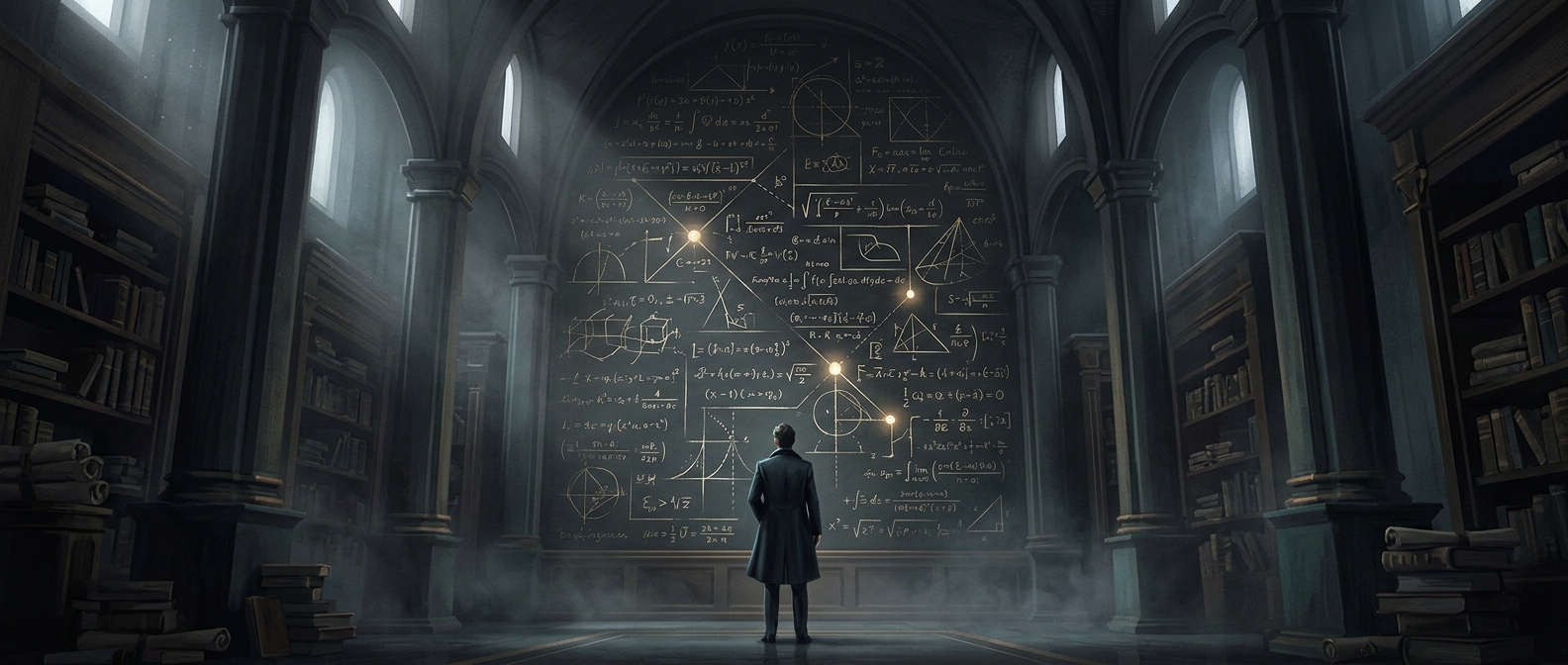
Seven math problems came with million-dollar prizes
One of the seven million-dollar math challenges asked what shapes three-dimensional space could have: the Poincaré conjecture. Grigori Perelman solved it,…
Discover more
Shouting carries heat—but makes a terrible kettle
Sound transfers energy through vibrations. If a drink absorbs that energy, a tiny amount becomes heat, but an ordinary voice supplies far too little to warm a…
Discover more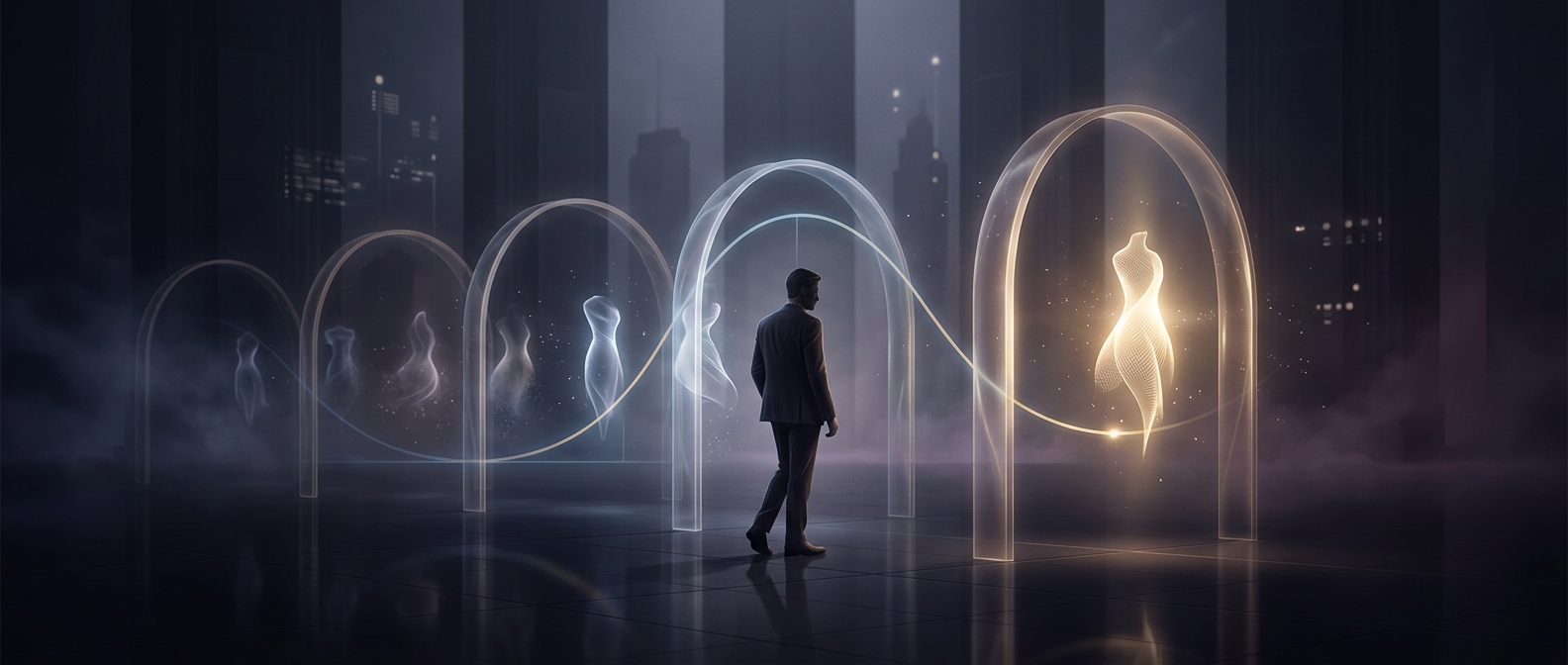
The ruthless math behind choosing the best option
Imagine hiring candidates in random order, with no chance to revisit anyone. You first reject about 37% just to learn what “good” looks like, then accept the…
Discover more
The idea scientists laughed at—until it was right
Wegener had a striking clue—the outlines of some continents match—but not the engine that could move them. The discovery that seafloor forms and spreads…
Discover more
Why climbing Uluru was finally banned
The closure followed decades of requests from the Anangu, Uluru’s Traditional Owners, who regard the site as sacred. Falls and medical emergencies also…
Discover more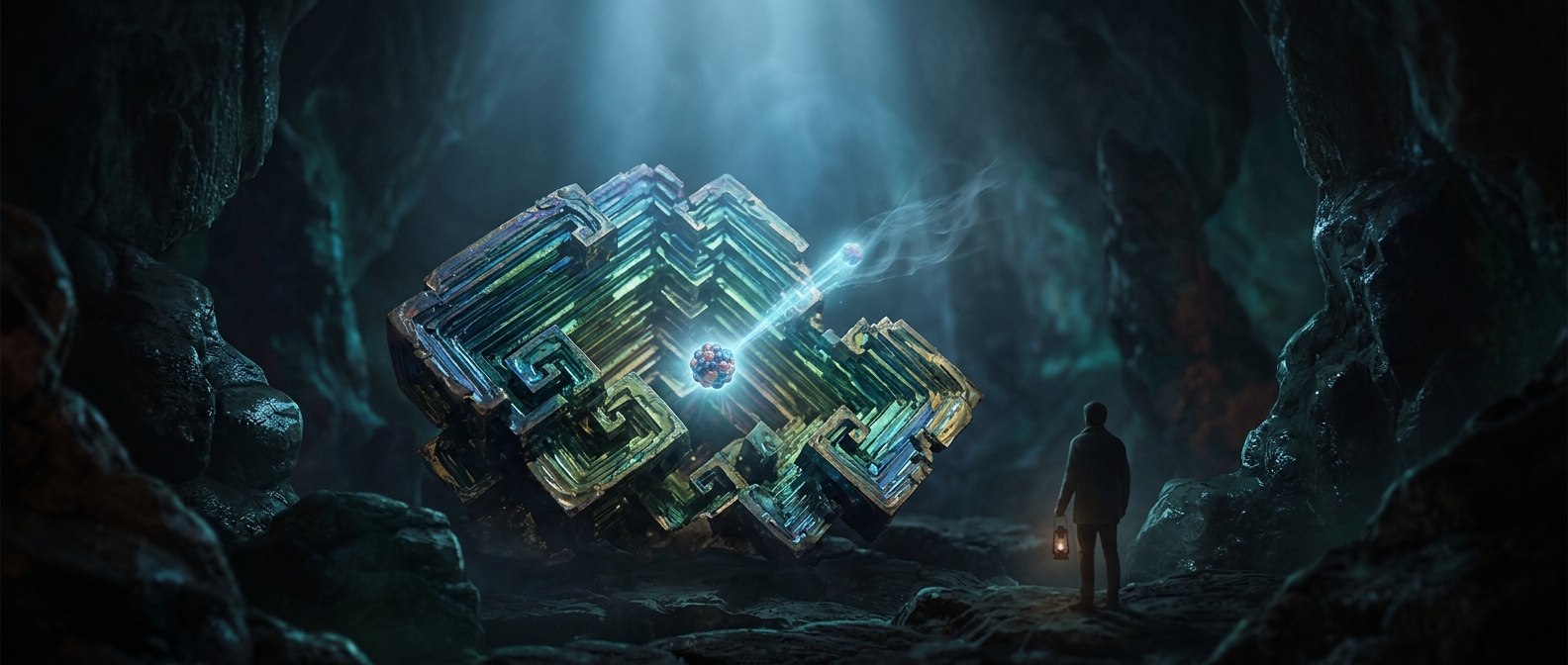
Bismuth holds an incredibly weak radioactive instability
Bismuth looks stable because its atoms almost never decay on a human timescale. But an atom of bismuth-209 can emit a tiny particle from its nucleus and…
Discover more
Soul contracts dictate your interpersonal drama
A painful relationship doesn’t need a cosmic script to explain it: people’s choices and circumstances can cause real harm. “Soul contracts” are a spiritual…
Discover more