Science
Discover facts about science. Small discoveries that change the way you see familiar things.
Science
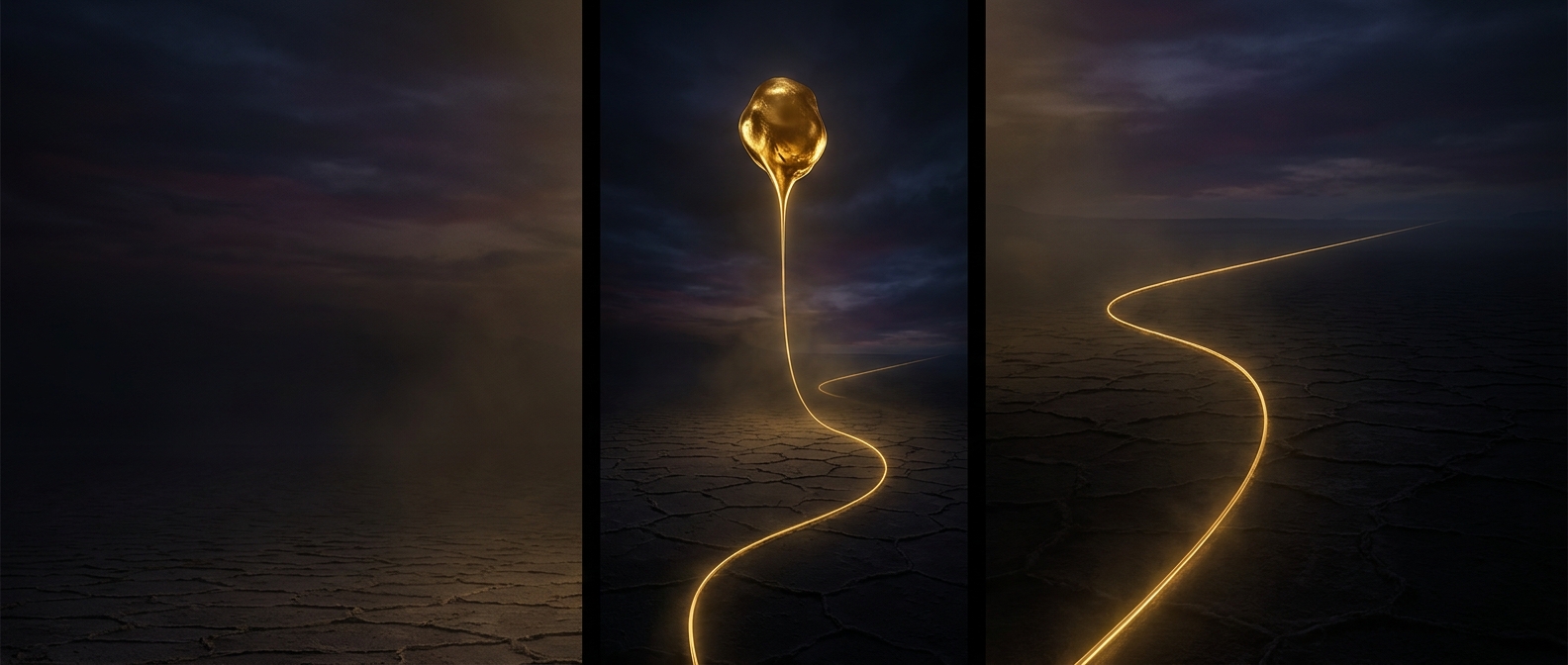
An ounce of gold can become 50 miles of wire
Gold can stretch into wire without snapping, a property called ductility. Makers pull it through a sequence of holes, each a little smaller than the last,…
Discover more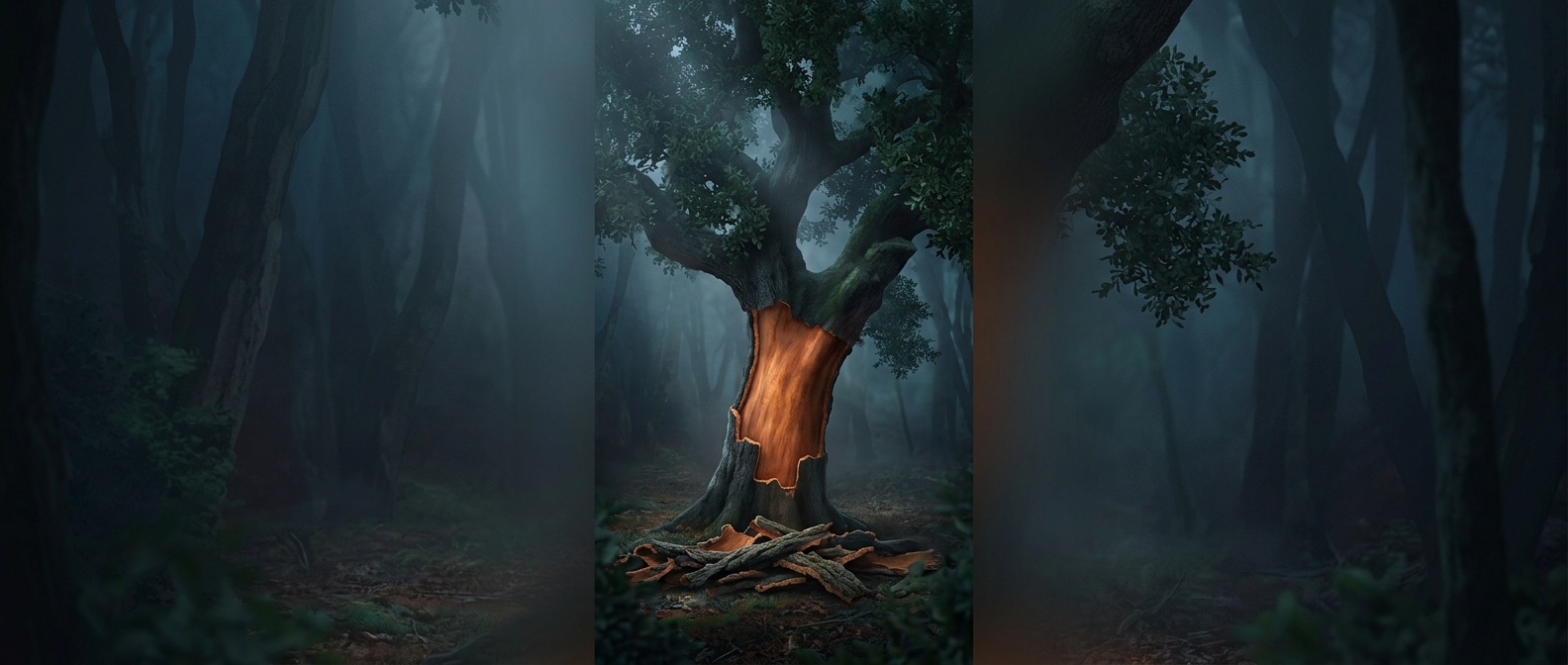
The tree that survives having its bark stripped
A cork oak can regrow the outer bark that has been harvested, so the tree can stay alive and grow. After about a decade, enough new bark is ready for another…
Discover more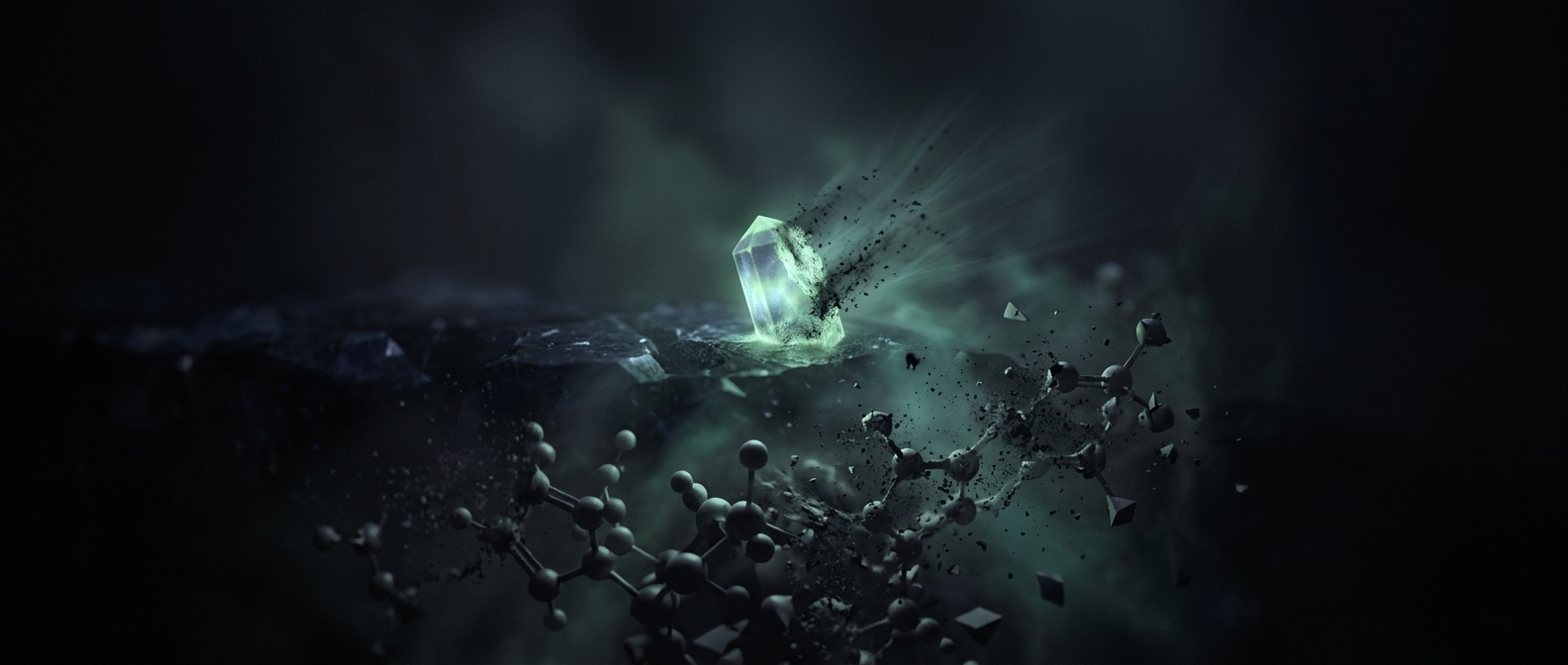
Radium's glow comes with a deadly cost
The light came from two players: radium sent out radiation, and a nearby phosphor absorbed that energy and glowed. So the painted numbers weren’t lit by…
Discover more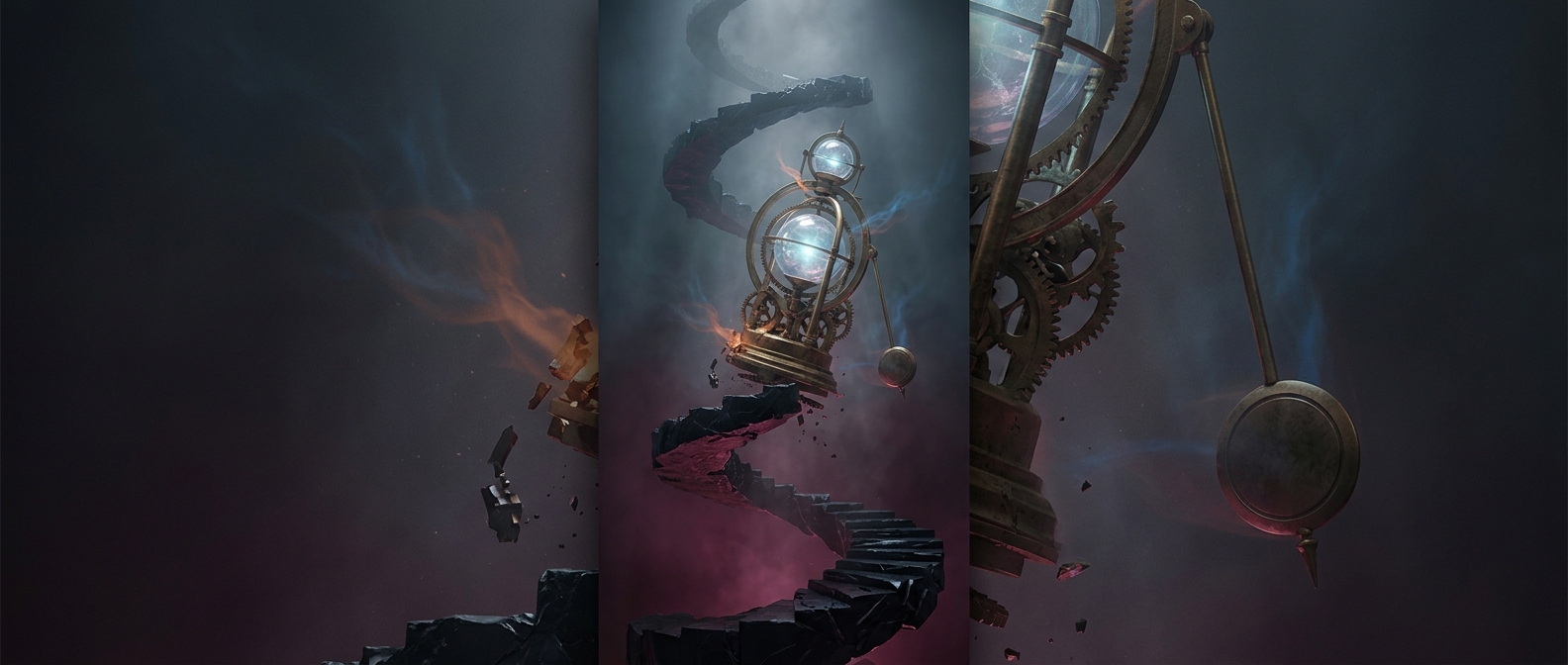
Perpetual motion directly violates thermodynamic laws
A perpetual-motion machine would keep delivering energy without taking any in, effectively making energy from nothing. That breaks thermodynamics; real…
Discover more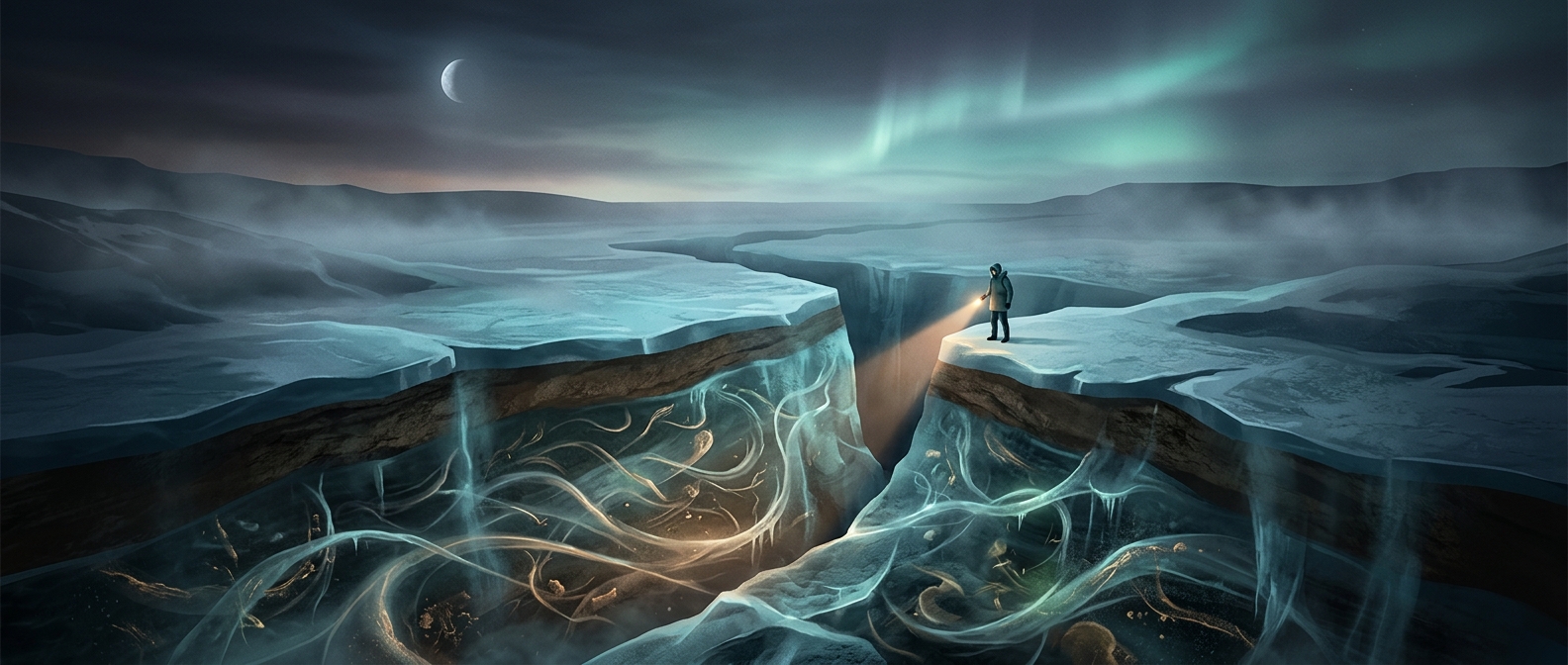
Permafrost traps vast amounts of ancient carbon
Permafrost is less like a sealed vault than a freezer full of food for microbes. Once it thaws, they break down the old organic matter, releasing mostly…
Discover more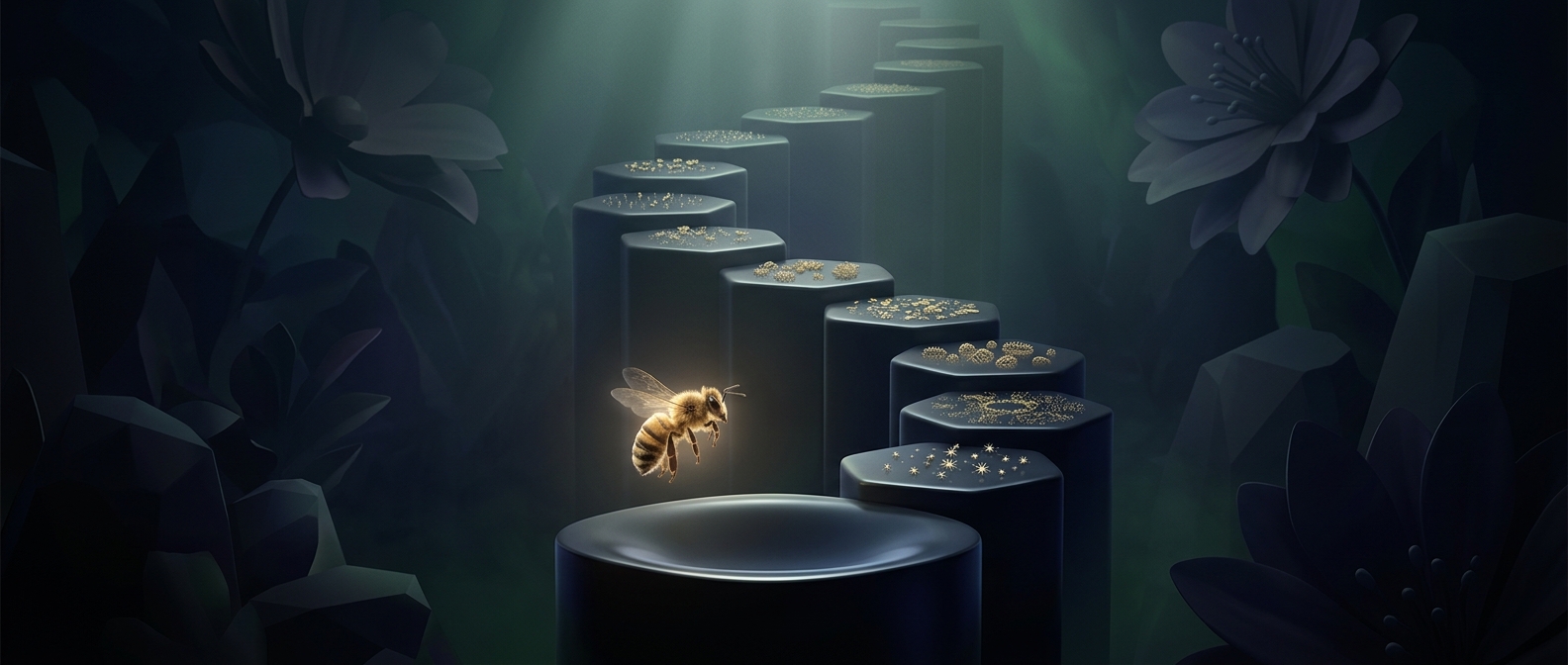
Honeybees can recognize the number zero
Honeybees learned to choose a blank display as less than one marked with a shape. They did not need a written 0; they treated an empty space as representing…
Discover more STACKY FOR IPHONE
A bigger world.
One discovery
at a time.
Keep discovering with Stacky. Interesting facts in an app that is always within reach.
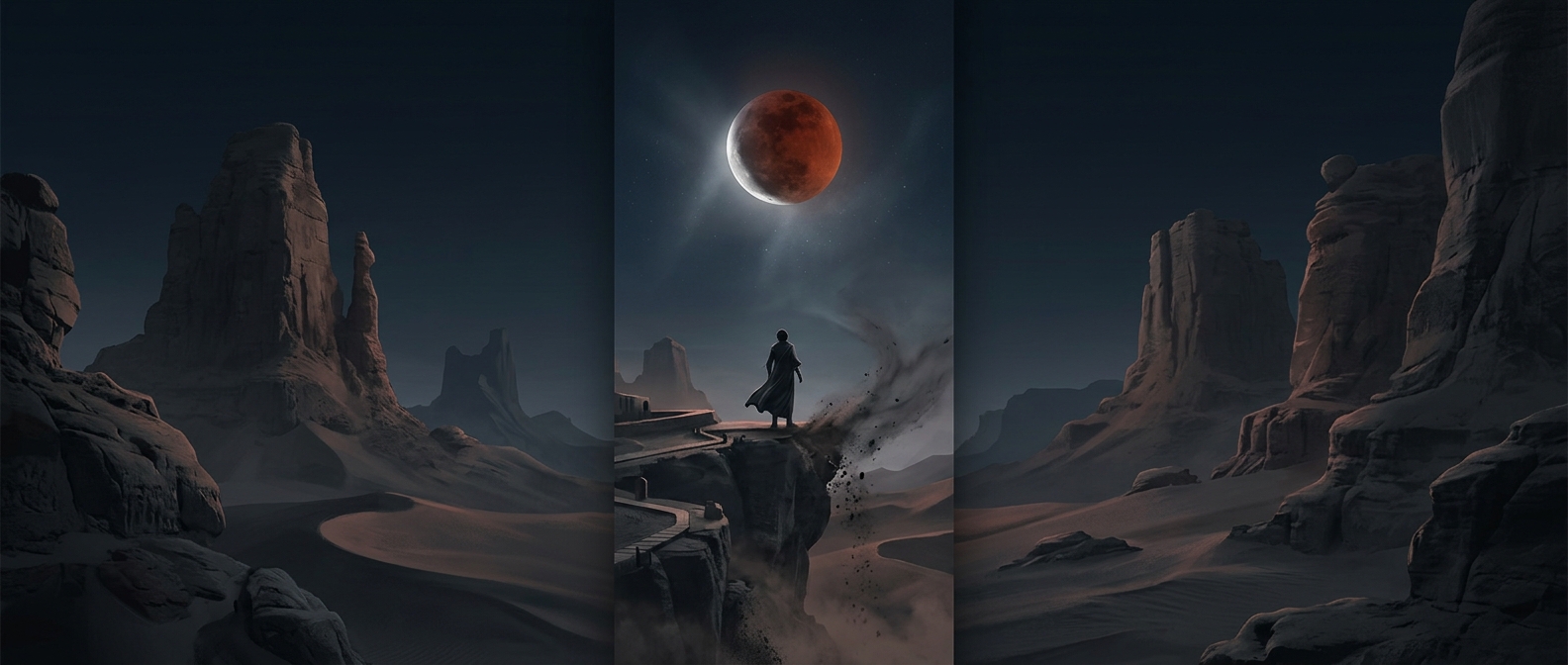
Lunar eclipses force sudden cosmic endings
Earth passes between the Sun and Moon, blocking sunlight and casting its shadow across the Moon. The Moon’s appearance changes, but the alignment doesn’t…
Discover more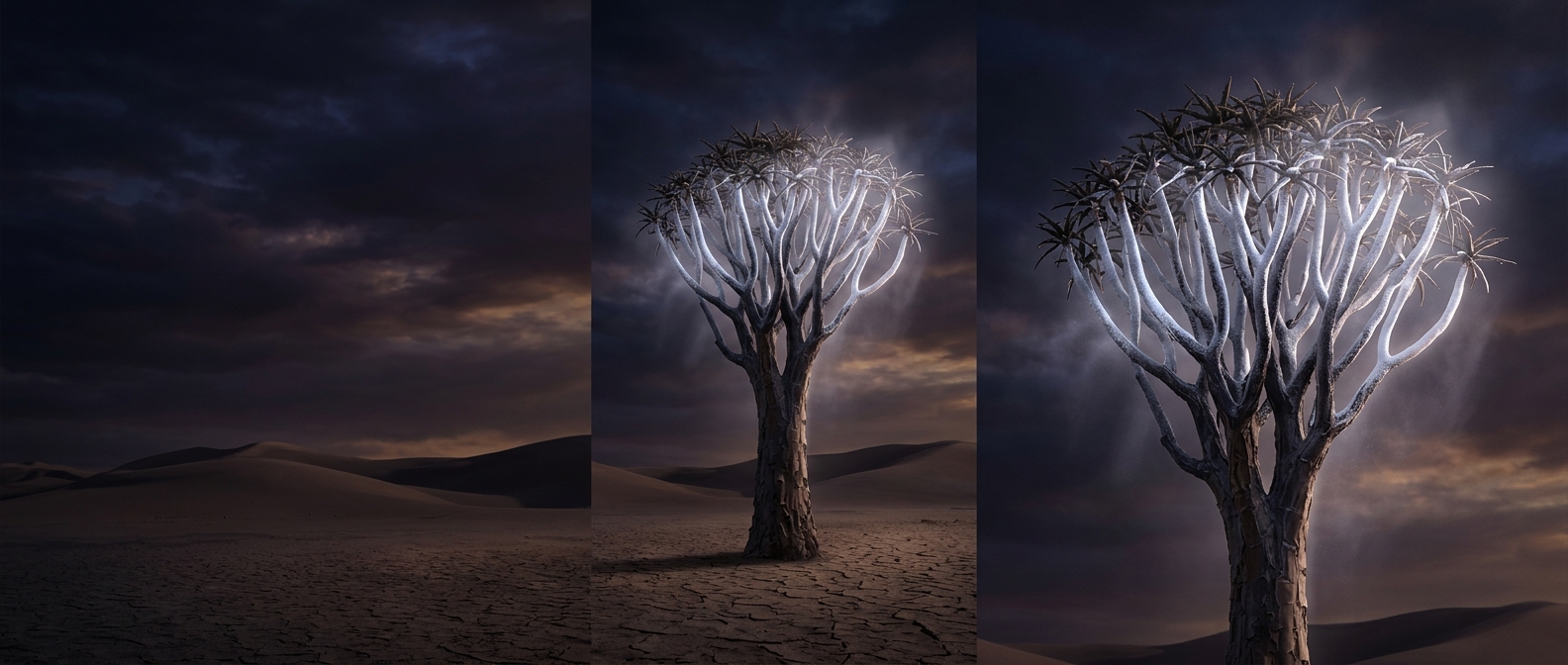
Aloe leaves wear a water-saving coat that also reflects light
A waxy surface reduces moisture loss and can reflect excess sunlight, giving some leaves a pale or bluish cast. Inside, thick tissue stores water for dry…
Discover more
Base metric units are defined by universal constants
Modern units don’t depend on keeping one precious metal object safe. The meter is tied to how far light travels in a precisely defined fraction of a second,…
Discover more
Predicting future choices breaks rational decision models
Imagine the predictor has already watched your habits and filled the box accordingly: a million if it expects you to take only that box, nothing if it expects…
Discover more
Cosmic flushing sweeps away bad vibrations instantly
Imagining white light washing through a room doesn’t physically remove energy or bad vibrations. But focusing on a calming image can help settle your…
Discover more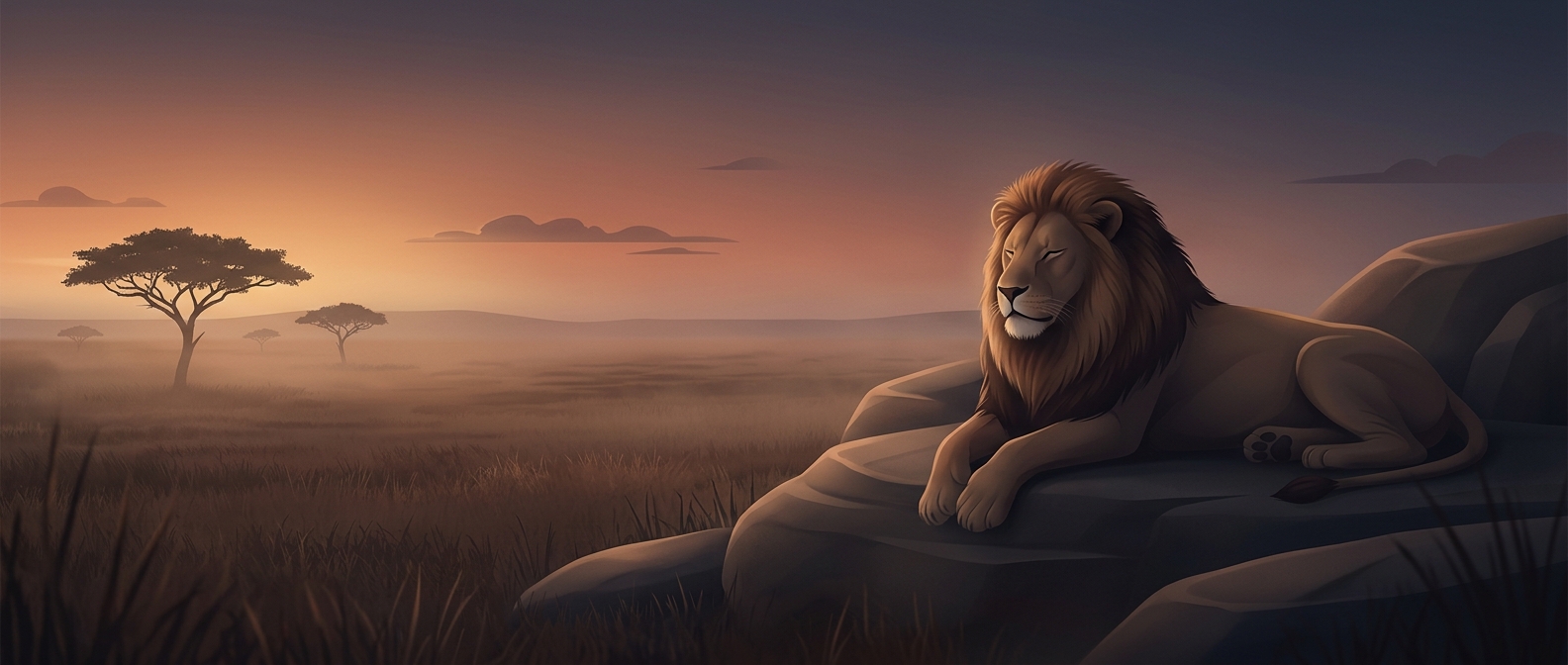
Male lions can spend 20 hours a day resting
A lion’s hunting style is closer to a sprint than a marathon. Resting between hunts saves fuel for those demanding bursts, while lionesses usually do most of…
Discover more
Yahoo's founders liked a name that made fun of themselves
Jerry Yang described choosing Yahoo partly for its association with the rude creatures in Gulliver's Travels. The founders also gave it the playful expansion…
Discover more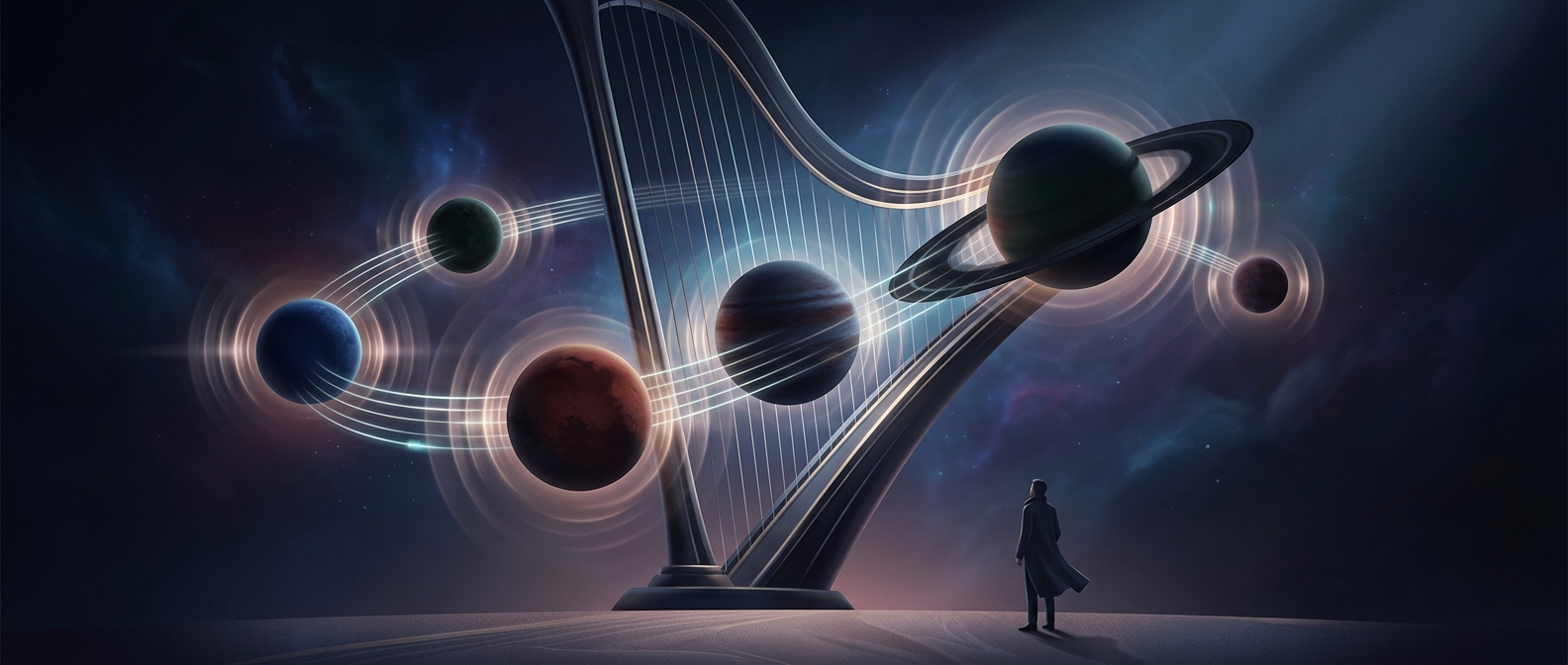
How planets became ambient music
The planets are not sending sound through space; there is too little material there to carry it. Instead, listeners take the planets’ slow orbital cycles and…
Discover more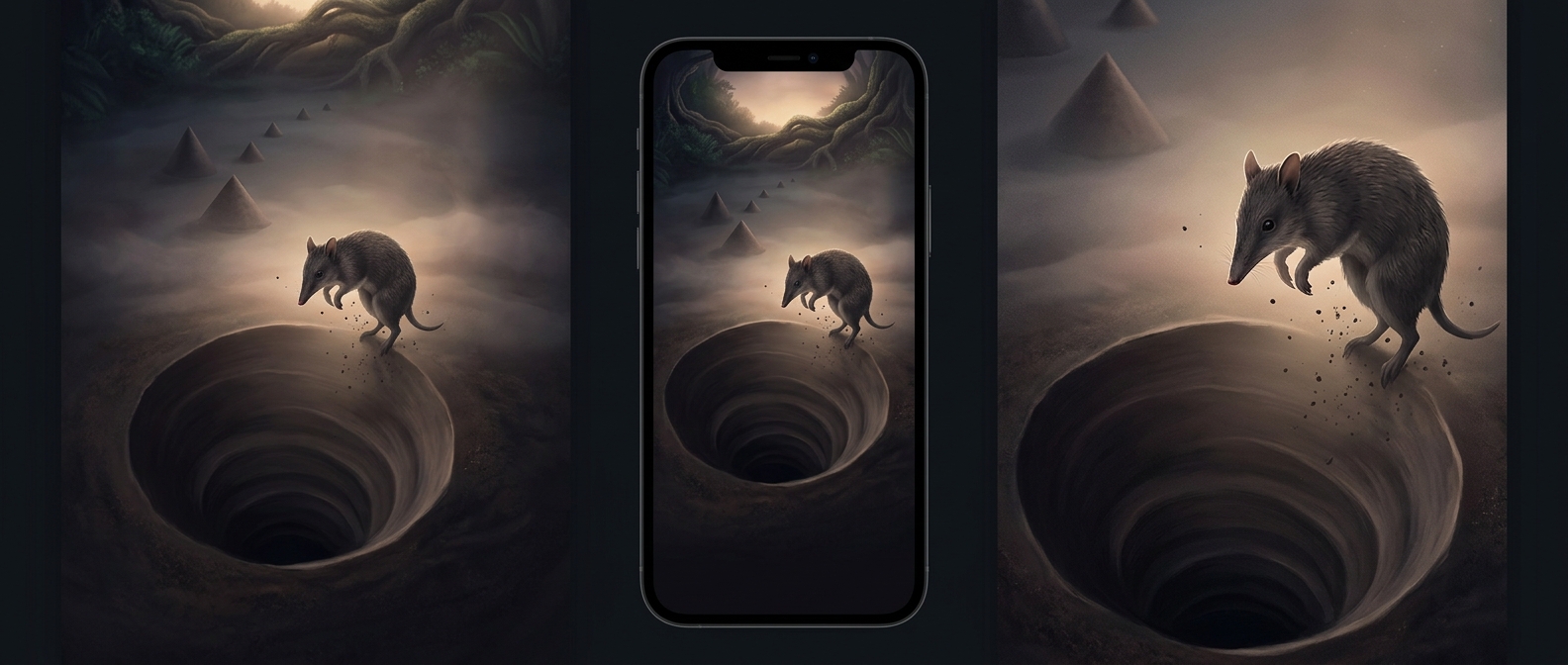
Why bandicoots leave cone-shaped holes
A bandicoot pushes its narrow snout into the soil while searching for grubs, loosening dirt around the entry point. As the loosened soil falls away, the…
Discover more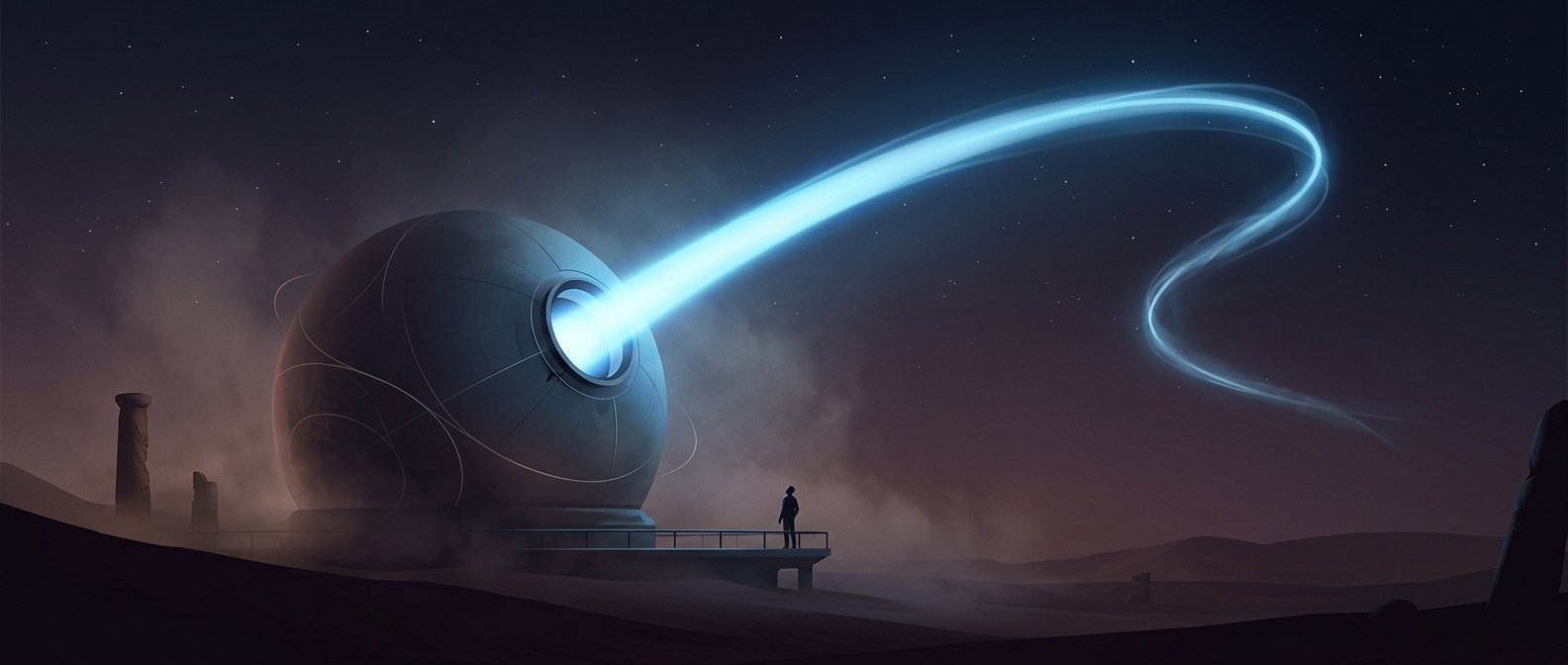
Coriolis described how rotation deflects moving objects
A storm’s winds aren’t created by Earth’s rotation, but their paths are bent by it. The Coriolis effect builds up over long distances, helping broad weather…
Discover more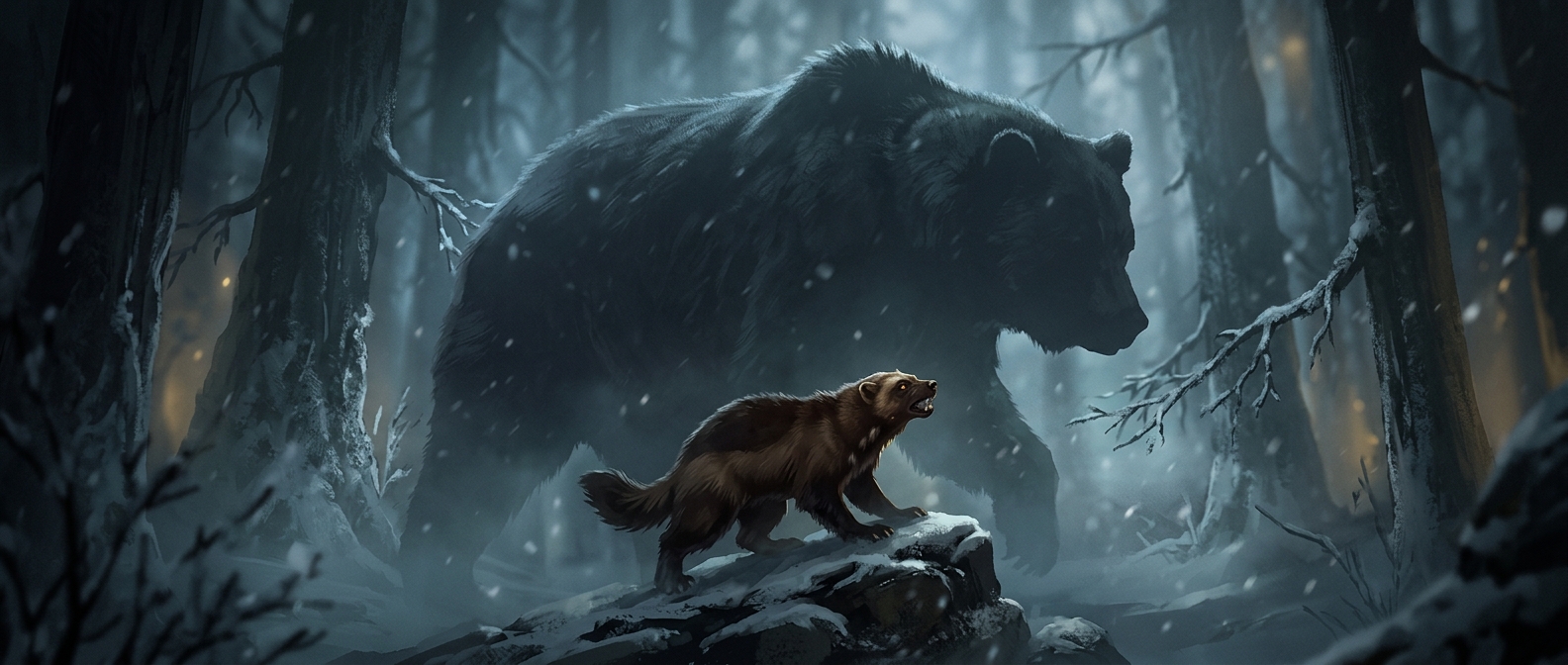
A wolverine's jaws let it eat from winter's freezer
Frozen carcasses can remain food when other meals are scarce. Wolverines have powerful jaws and teeth suited to tearing at tough remains, and they cache food…
Discover more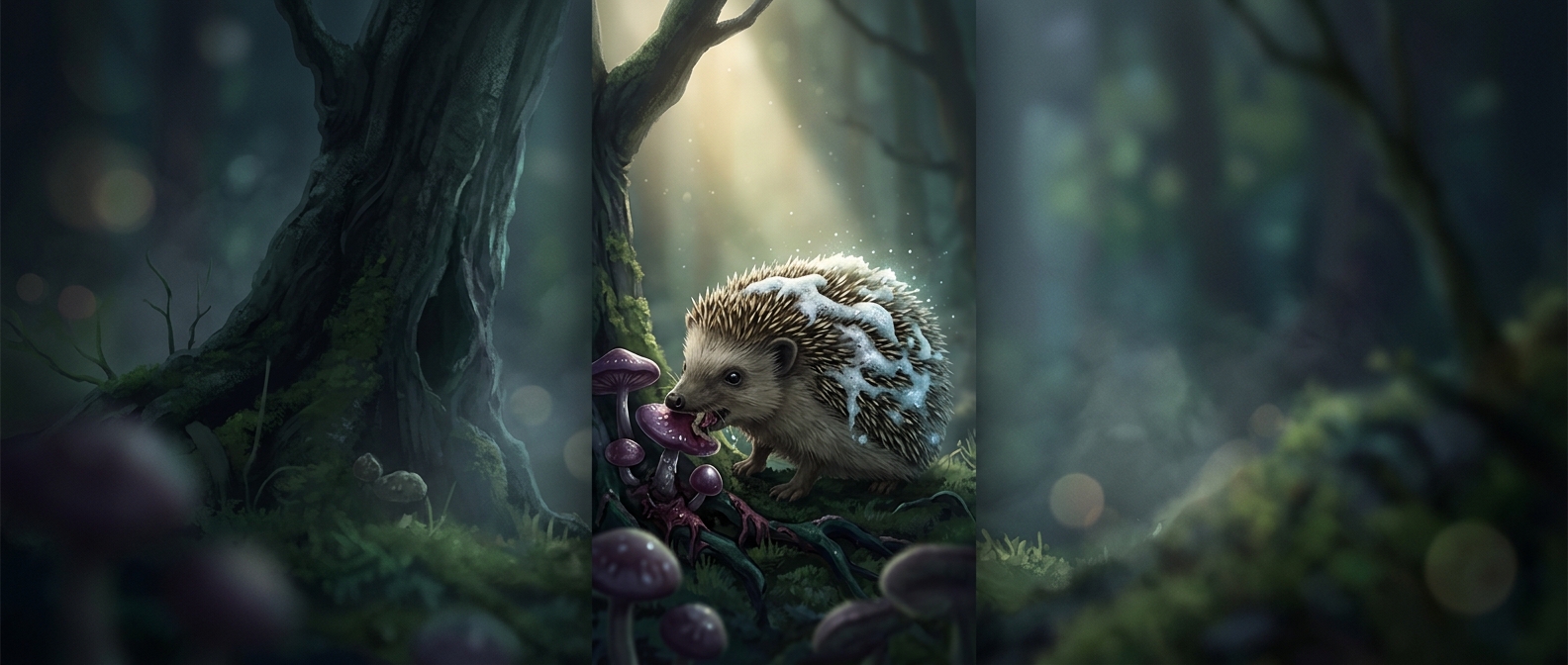
Hedgehogs coat themselves in a strange homemade foam
After encountering certain smells or substances, a hedgehog can produce frothy saliva and twist around to spread it over its spines. Researchers call this…
Discover more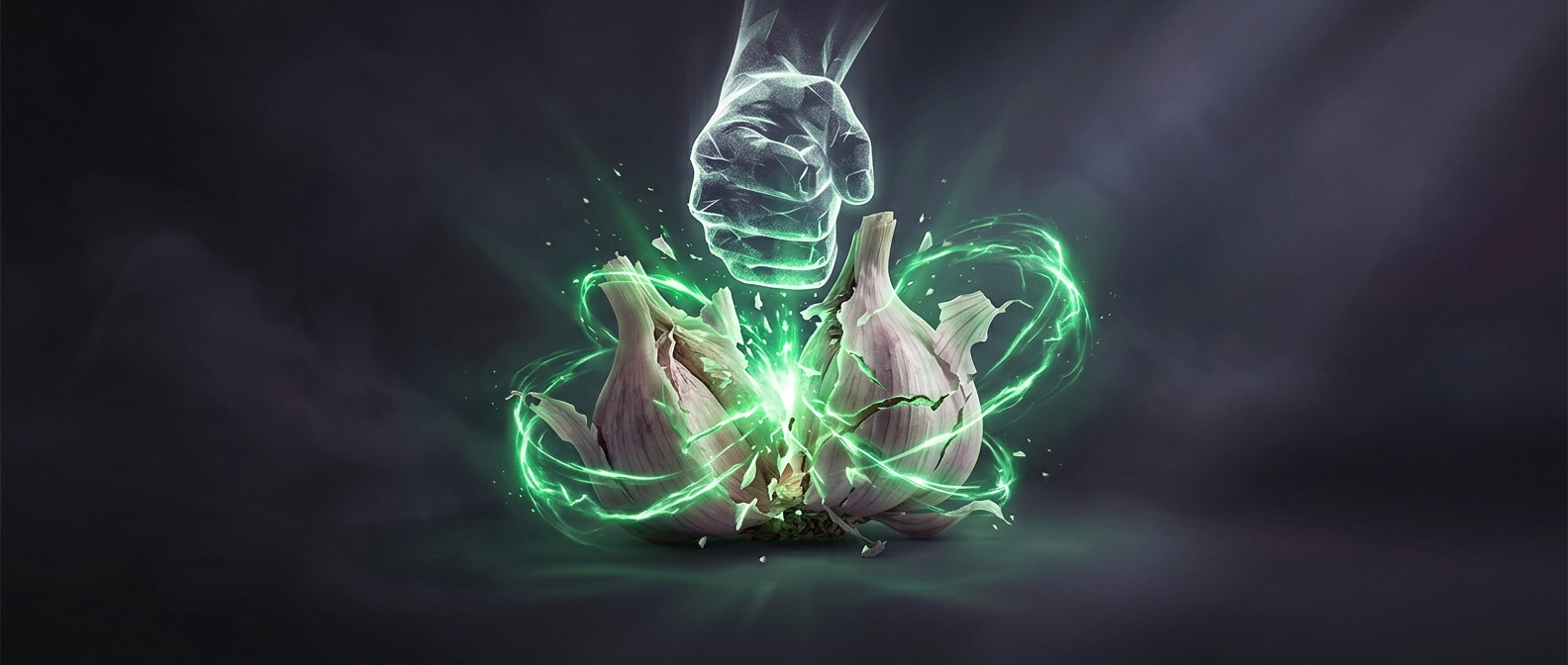
Garlic gets its bite when you crush it
Crushing garlic breaks open cells that keep its sharp-smelling ingredients apart. Once they mix, an enzyme helps make allicin, which gives garlic its pungent…
Discover more
Application programming interfaces dictate communication
A weather app can ask a forecast service for data through an API, which specifies how the request and reply should be formatted. The app does not need to know…
Discover more
Uranium decays slowly into common lead over eons
Inside an old mineral, uranium slowly changes through a series of radioactive elements and eventually becomes stable lead. For uranium-238, that route takes…
Discover more
Solid iron constitutes the dense inner core of Earth
Iron at Earth’s center is hot, but the crushing pressure raises iron’s melting point even higher. So the inner core stays solid while the less-pressurized…
Discover more
Application caches regularly cause sites to display
A browser may keep an old stylesheet—a saved set of instructions for a page’s appearance—even after the website has changed. Then the new content arrives…
Discover more
Sleeping Beauty turns one coin flip into a probability argument
If heads produces one awakening and tails produces two indistinguishable awakenings, what should she believe when she wakes? One side emphasizes the unchanged…
Discover more