Science
Discover facts about science. Small discoveries that change the way you see familiar things.
Science
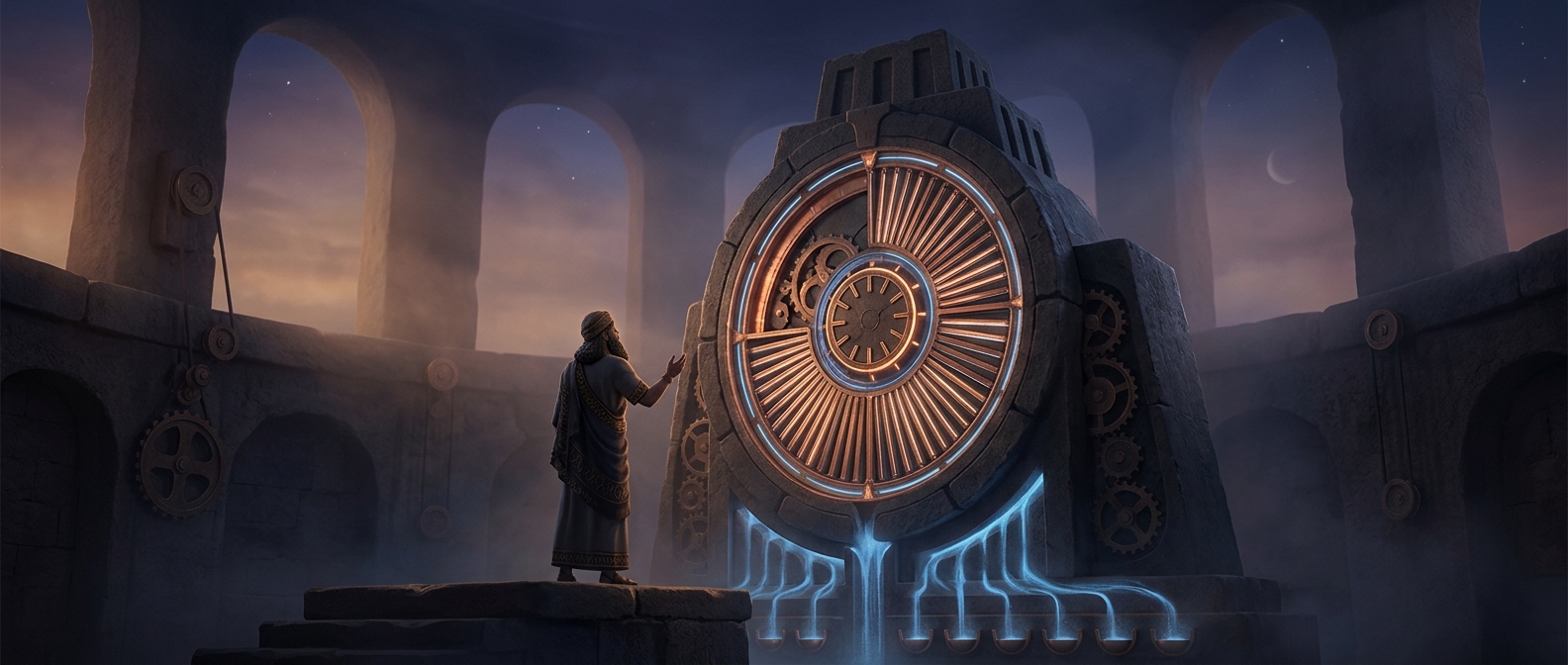
Why clocks still use 60-minute hours
The 60-minute hour is a hand-me-down from the Babylonians, who used a base-60 number system. Sixty divides neatly into halves, thirds, fifths, and other…
Discover more
Dielectric materials increase capacitor storage capacity
Inside a capacitor, a dielectric shifts slightly when an electric field is applied, weakening part of the field between the plates. If the voltage is held…
Discover more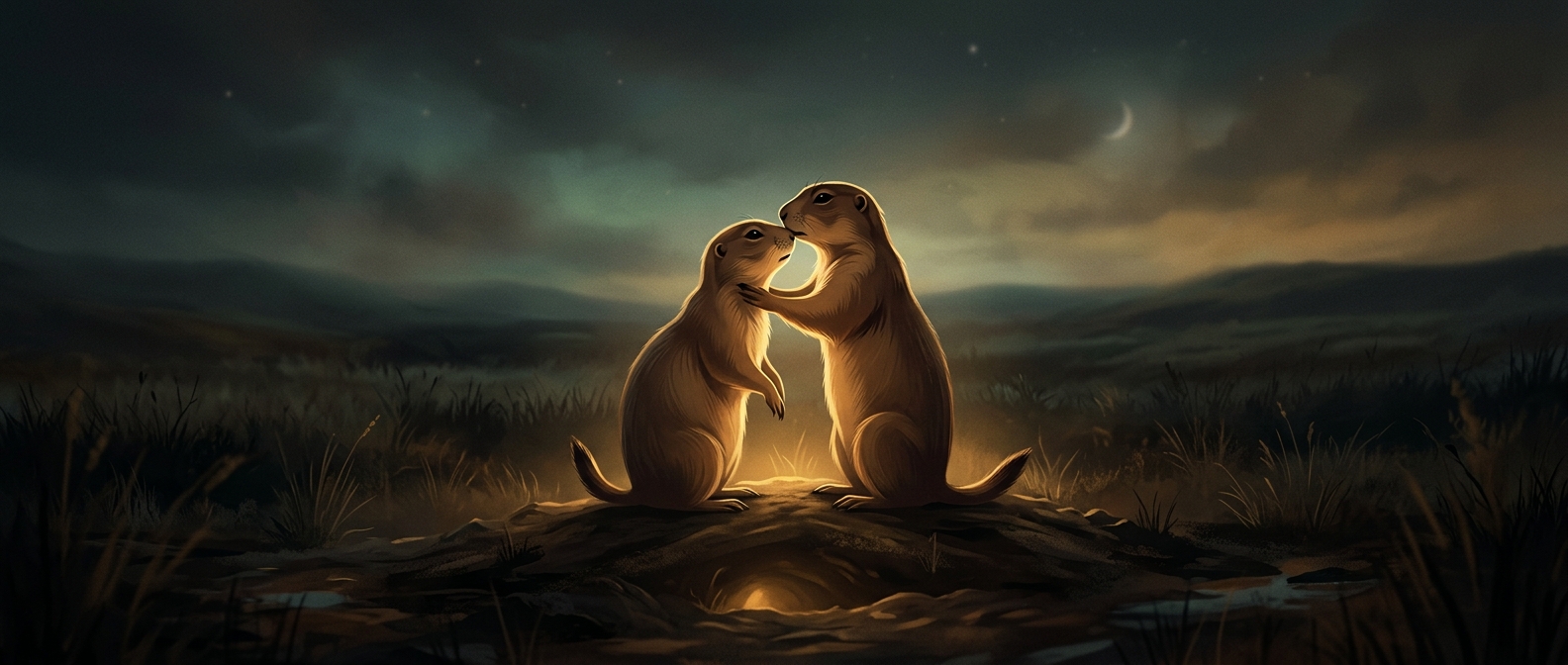
Why prairie dogs appear to kiss
Prairie dogs touch teeth to check whether another animal belongs to their social group. It’s less a kiss than a quick badge scan: if the newcomer seems…
Discover more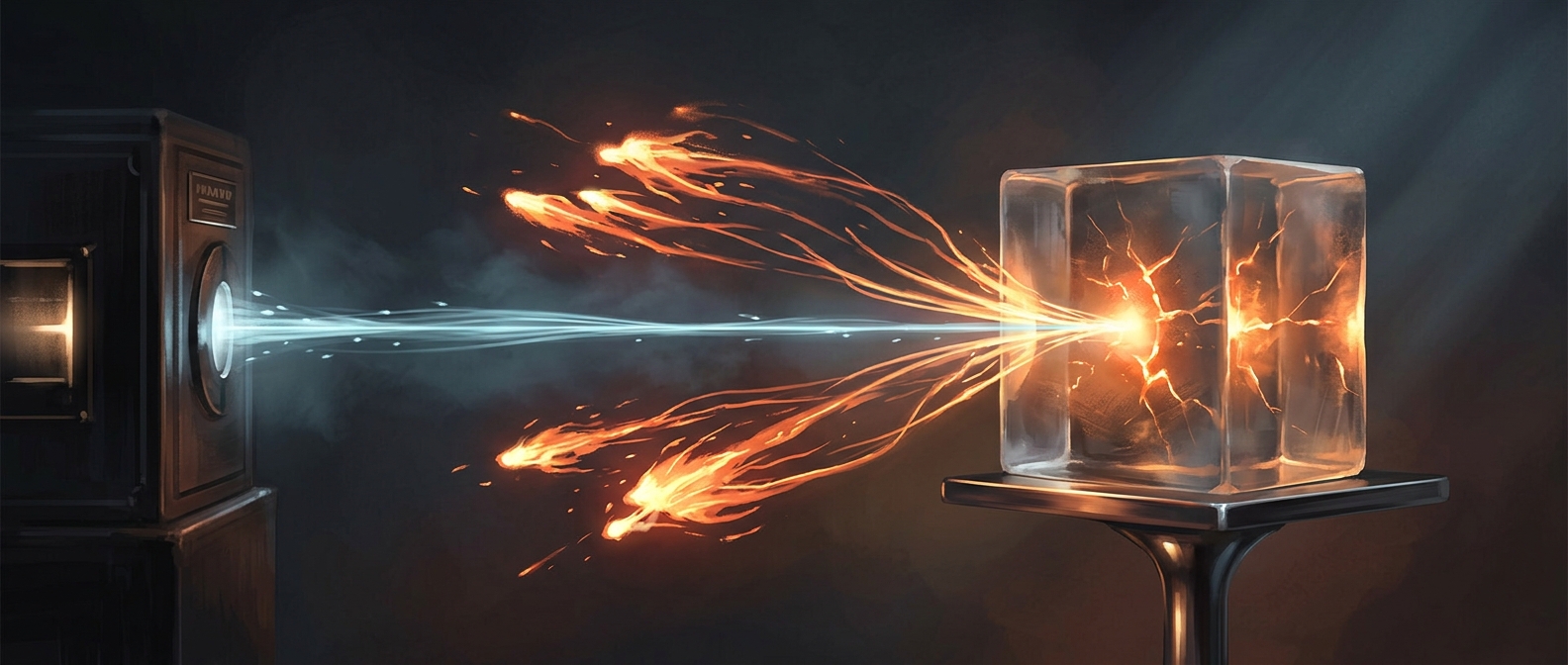
Chadwick discovered the neutron by tracking paraffin wax
Paraffin gave Chadwick a useful target because it is rich in hydrogen. When neutrons struck it, they sent hydrogen nuclei flying; the speed of those recoiling…
Discover more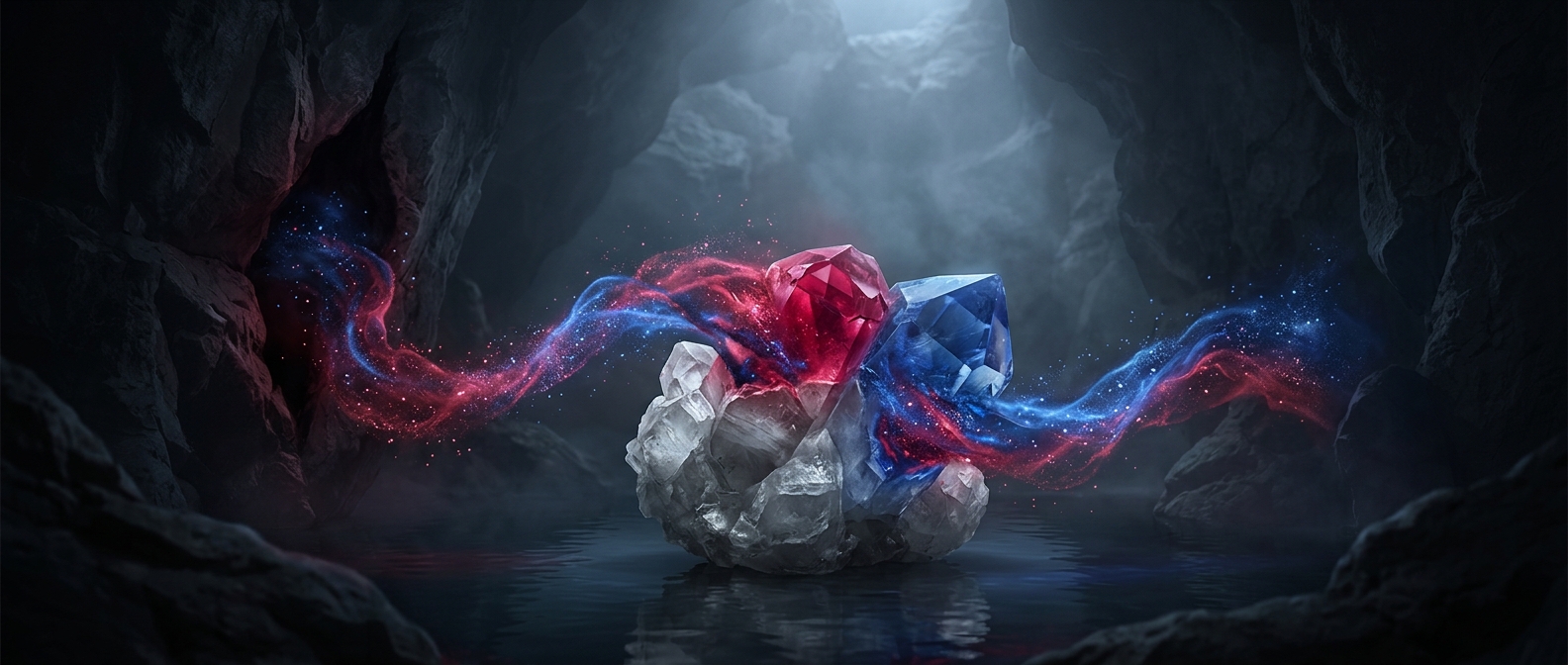
A ruby and a sapphire are the same mineral in different colors
Pure corundum is colorless; tiny traces of other elements act like color filters. Chromium absorbs some wavelengths and lets red light reach your eye, while…
Discover more
Most visible matter is plasma
Inside stars, intense heat strips electrons from many atoms, leaving electrically charged particles. That state of matter is plasma, and its charged particles…
Discover more STACKY FOR IPHONE
A bigger world.
One discovery
at a time.
Keep discovering with Stacky. Interesting facts in an app that is always within reach.

Mathematical knot theory classifies untangleable loops
A mathematical knot is not defined by how tangled it looks on the page. You can bend and stretch the loop, but not cut it or let it pass through itself; if…
Discover more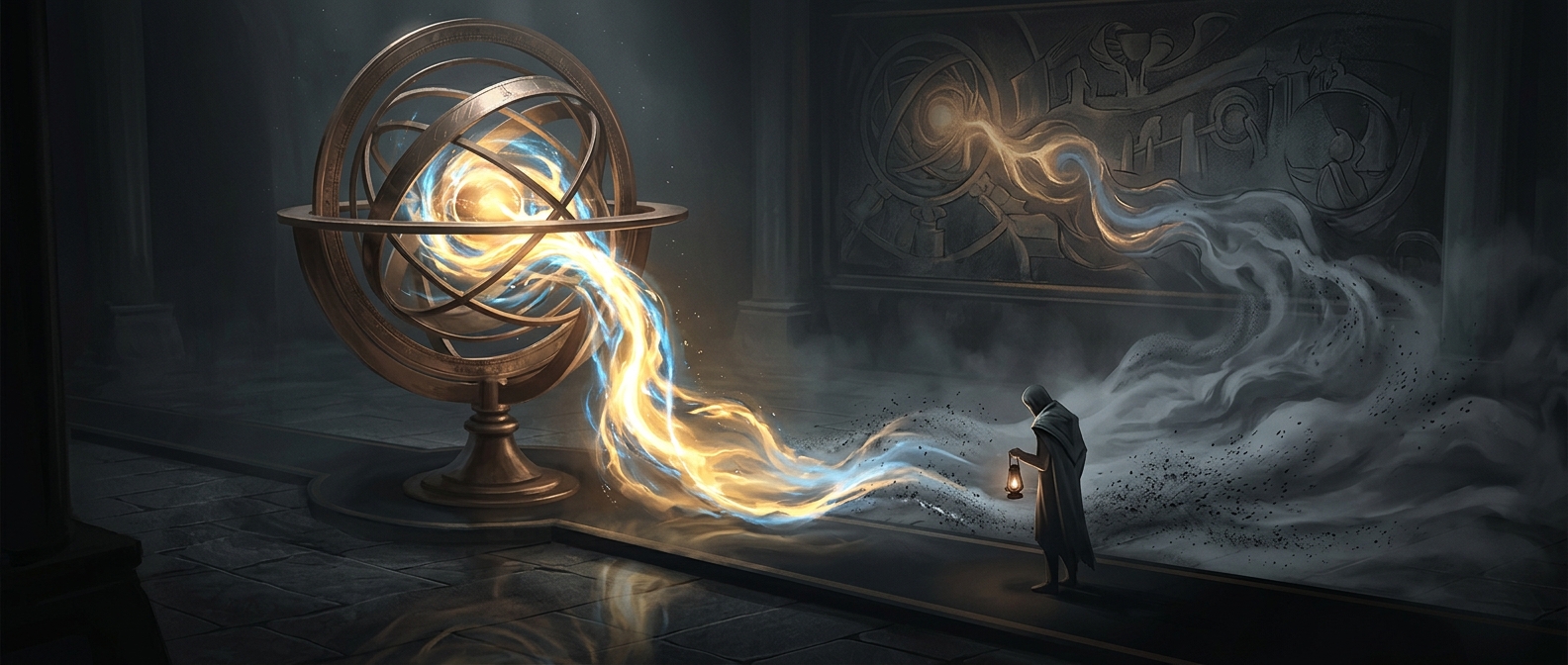
Energy can remain after its usefulness has faded
A heat engine depends on a temperature difference. As heat spreads and temperatures equalize, less of that energy is available to turn into work, even though…
Discover more
White dwarfs are the incredibly dense remnants of dead stars
A white dwarf is a star’s crushed remnant, and its electrons push back against being squeezed further. Quantum rules won’t let all those electrons crowd into…
Discover more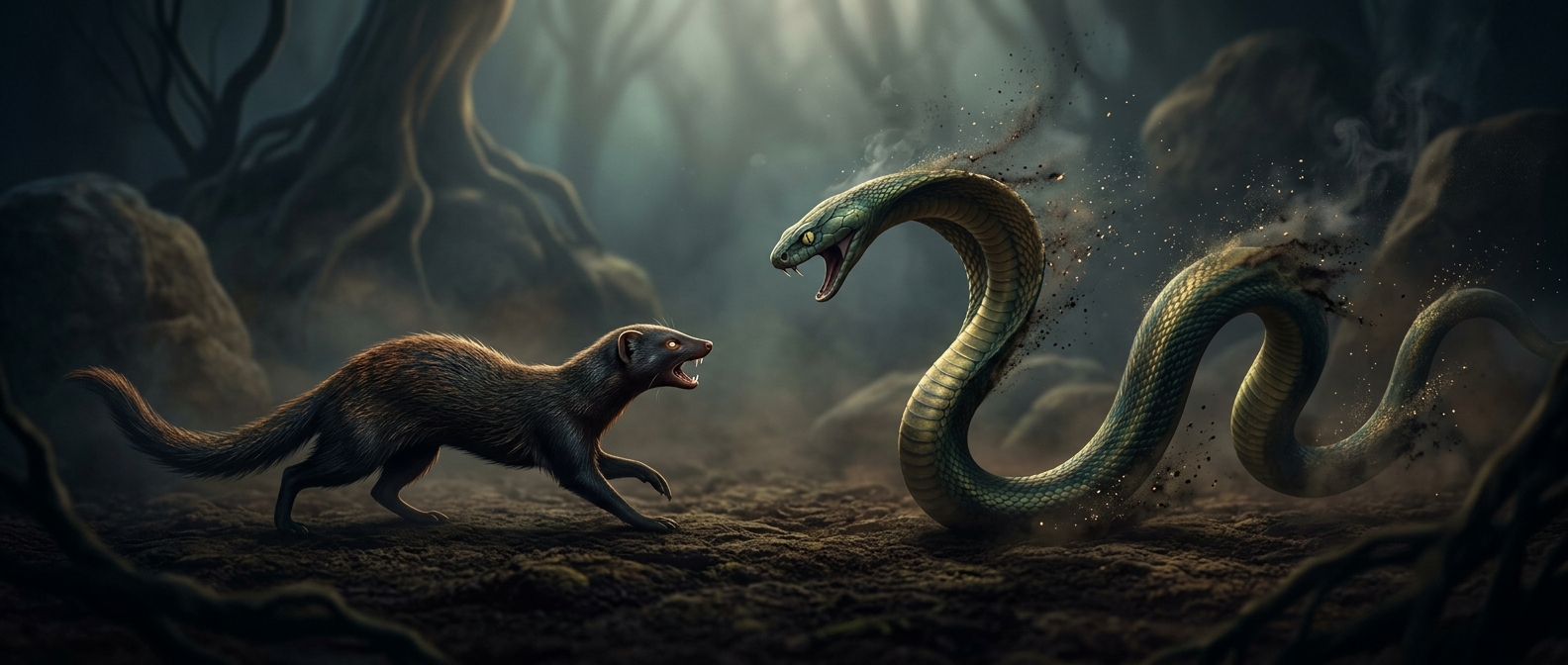
Why mongooses pick fights with deadly snakes
A mongoose survives a snake strike by moving at the right moment. It dodges the lunge, then attacks while the snake is recovering and less able to strike…
Discover more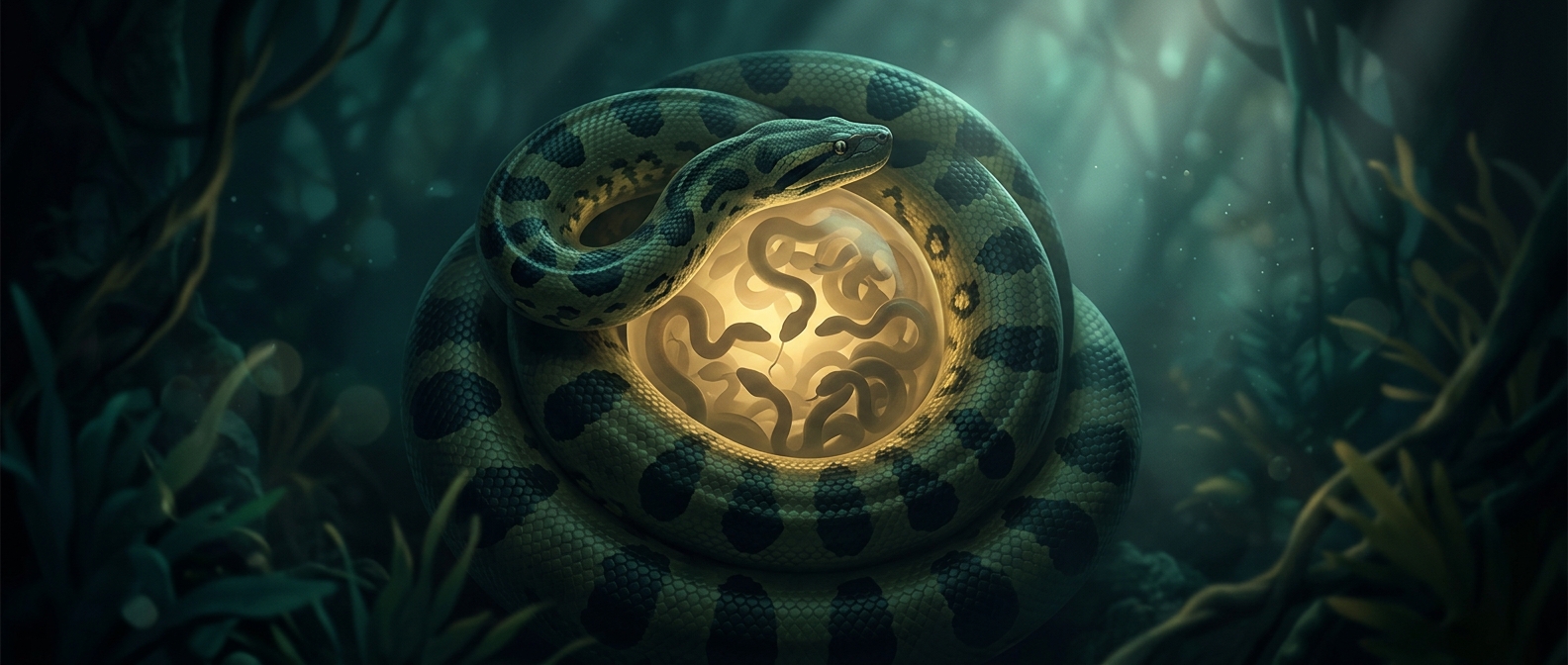
Green anacondas give birth to live young
An anaconda keeps its eggs inside its body while the embryos develop, and the eggs hatch before the babies emerge. So the mother gives birth to live young,…
Discover more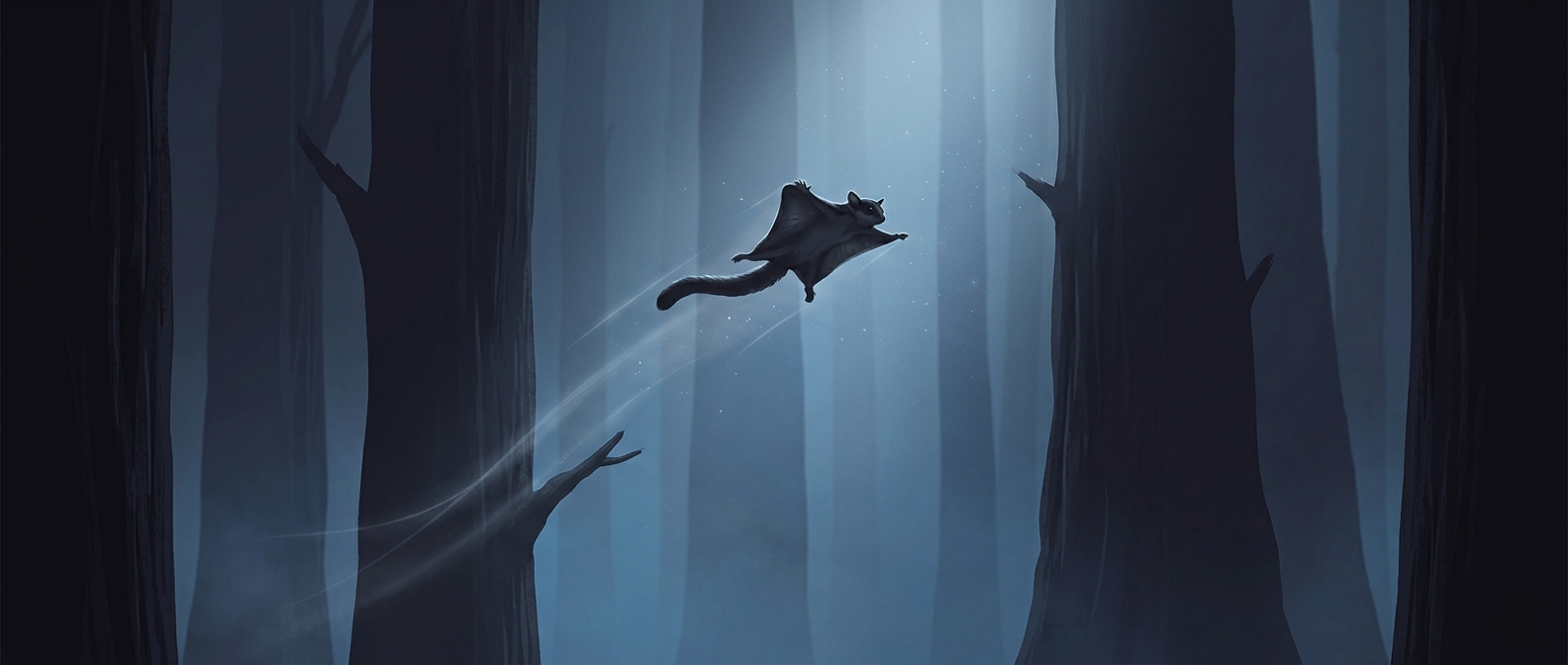
Sugar gliders leap between trees on skin wings
A sugar glider spreads the skin membrane between its limbs, turning a leap into a glide that catches air. Its tail helps steer the trip between trees, but it…
Discover more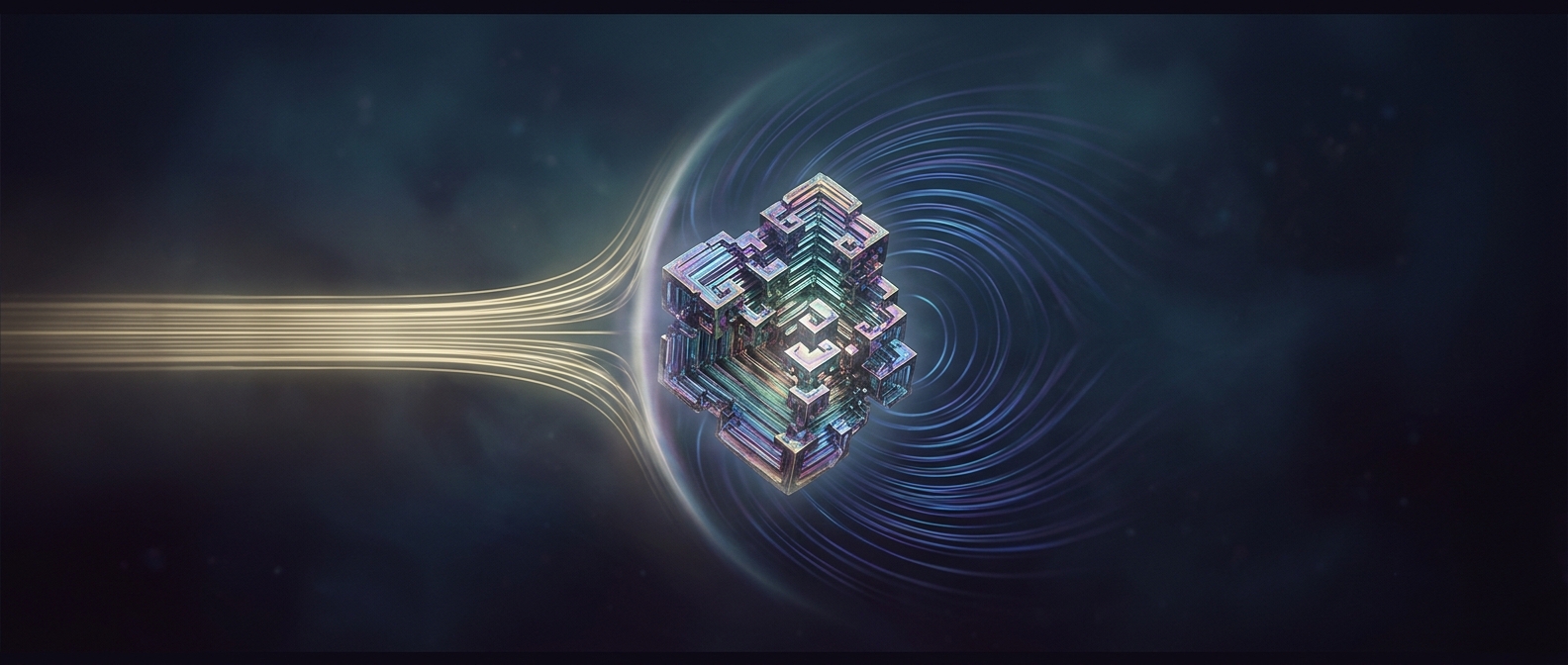
The metal that pushes magnets away
A magnet’s field nudges electrons in bismuth into making a weak field of their own, pointed the opposite way. That opposing field pushes the magnet away while…
Discover more
The tiny brain region that controls your hormones
The hypothalamus monitors clues such as body temperature and water balance, then helps choose a response. It can prompt thirst or shivering and direct the…
Discover more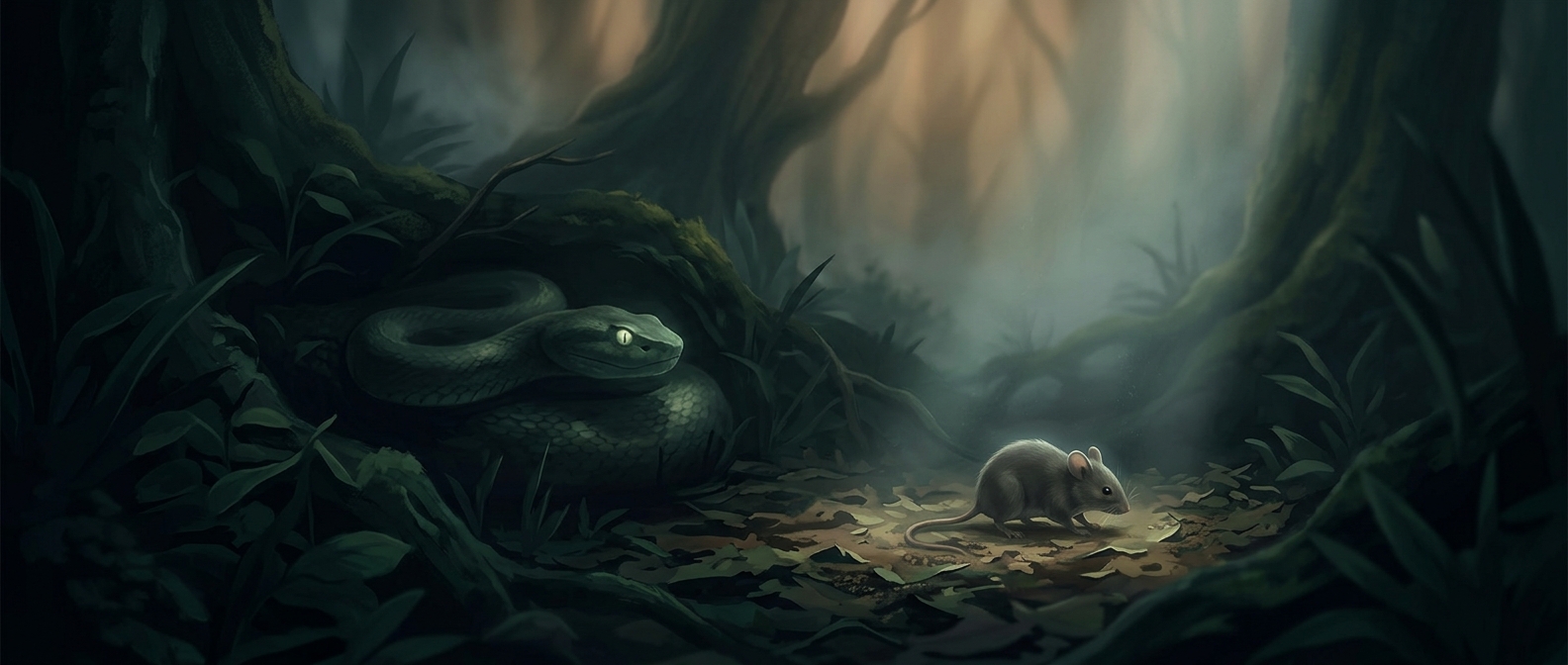
Vipers strictly ambush their entirely unsuspecting targets
Some vipers have heat-sensing pits on their faces that detect patterns of warmth. In the dark, those signals give the snake another clue to where warm-blooded…
Discover more
Why triangles break the 180-degree rule
On a sphere, a triangle’s sides can curve along the surface instead of running straight across a flat page. Follow the equator to a pole, then come back down…
Discover more
Pluto is narrower than North America
The dwarf planet is about 2,377 kilometers across, less than the continent's coast-to-coast span. A world with mountains, ice plains, and a thin atmosphere…
Discover more
How sound can tear buildings apart
A building can be pushed into bigger vibrations if sound waves keep arriving in step with its natural sway—like timed pushes sending a swing higher. That…
Discover more
Expatriates are literally outside the fatherland
An expatriate lives outside their home country, whether temporarily or indefinitely. The word's Latin parts mean “out of” and “homeland,” so they describe…
Discover more
Why skunks stomp before spraying
A skunk stomps to warn a nearby threat, not to power up its spray. If the warning fails, it can release a sulfur-rich blast—but its supply is limited, and…
Discover more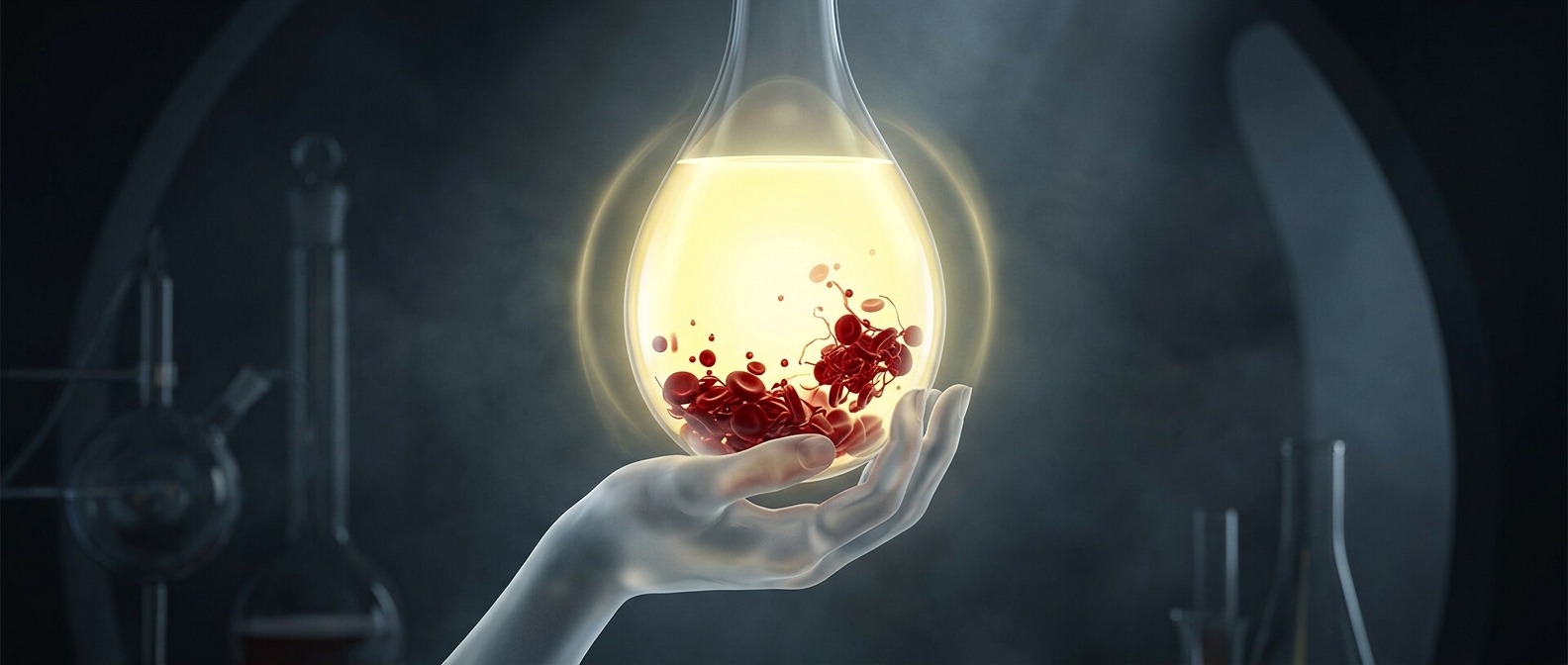
Blood plasma makes up more than half of human blood and is completely pale yellow
Plasma is the liquid that carries nutrients, hormones, and waste through your body. It also transports proteins that help clot blood and fight infection. Its…
Discover more
Why everything tends toward disorder
A tidy room is only one way to think about disorder. Entropy tracks how many arrangements energy and matter can take, and there are usually far more ways for…
Discover more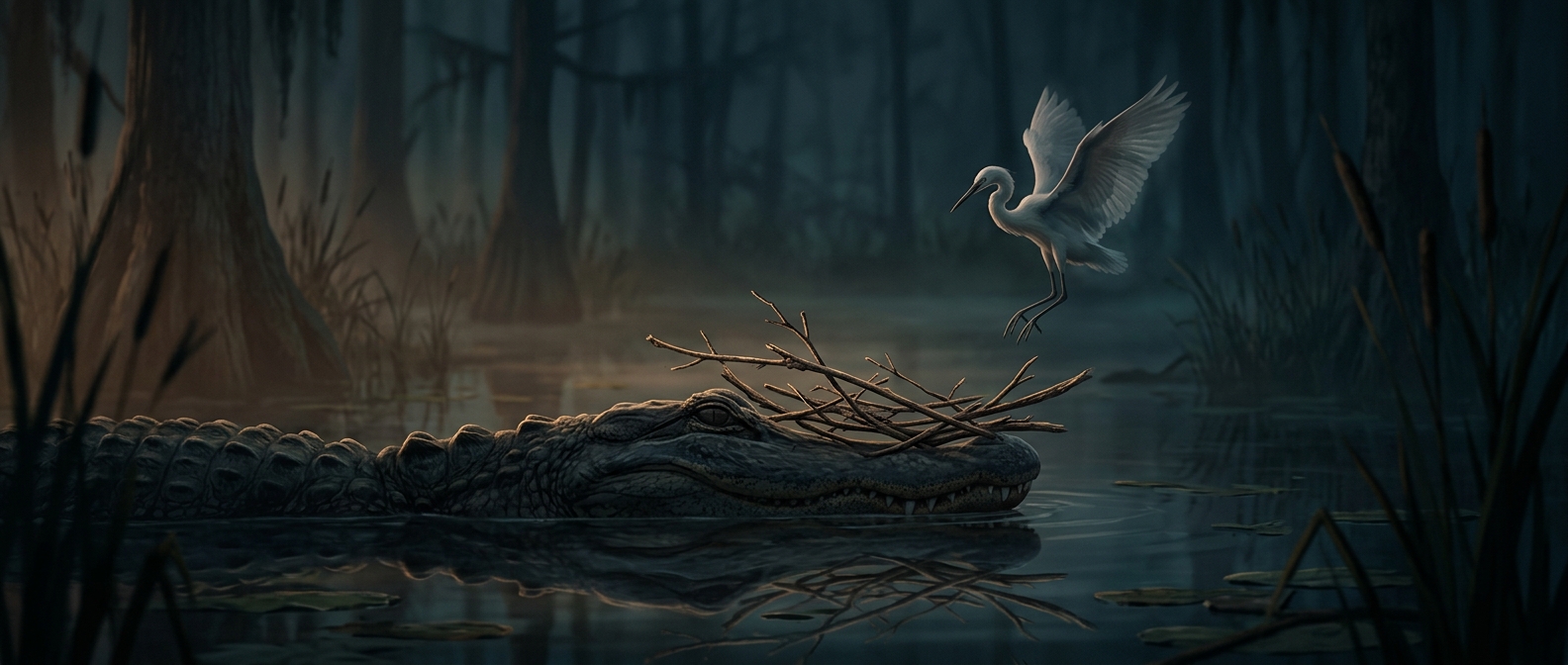
A bird's building material can sit on a predator's nose
Researchers reported crocodilians floating with sticks on their snouts, including alligators observed during birds' nest-building season. They interpreted the…
Discover more
Some cave walls feel like cream cheese
A hard cave deposit is made of crystals packed into a solid crust. In these softer patches, tiny calcite crystals are still floating in water instead, so the…
Discover more