A number system built for easy fractions
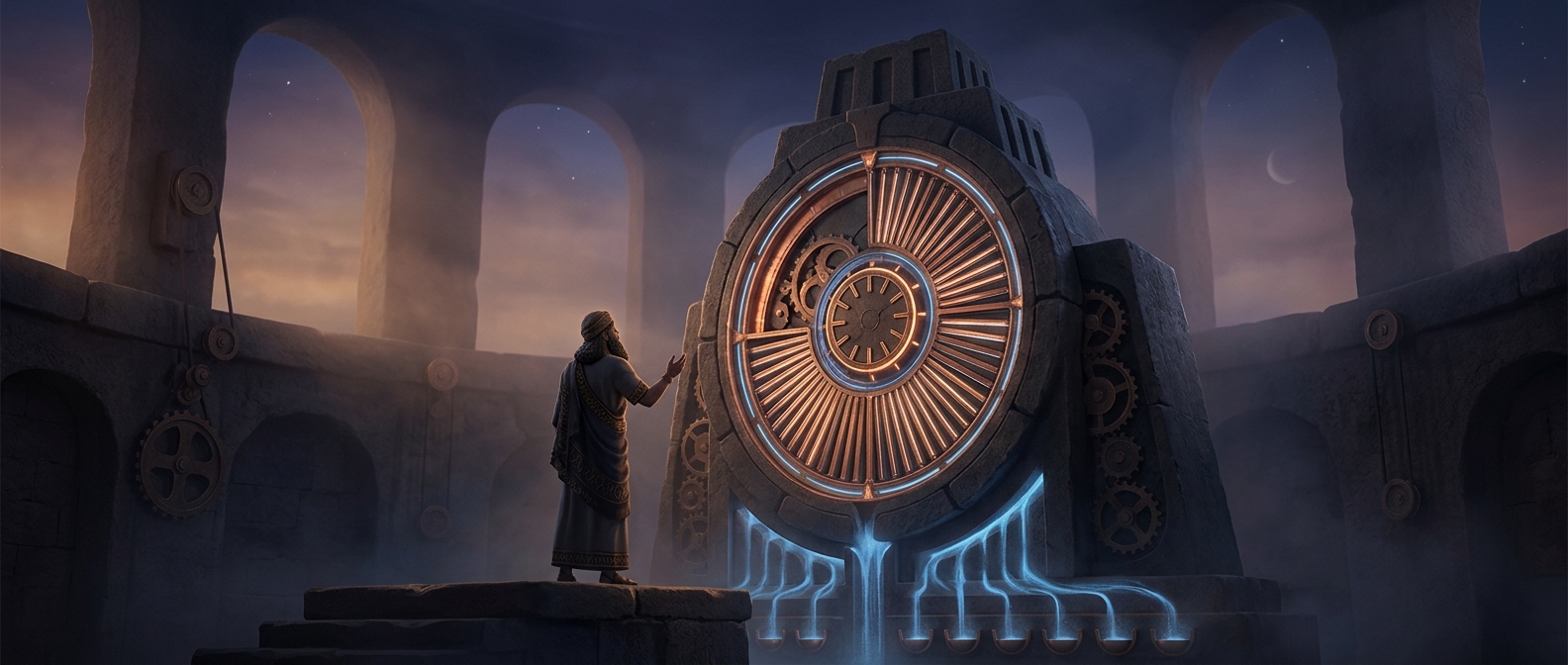
The Babylonians counted in a system based on 60, rather than the decimal system based on 10 that dominates everyday arithmetic today. Sixty is especially convenient for dividing quantities: it can be split evenly into 2, 3, 4, 5, or 6 parts. That made it useful for calculations involving measures and the sky, where people often needed portions rather than whole units.
The system’s influence reached timekeeping through ancient astronomy. As astronomers divided periods of time and angles into smaller units, the Babylonian base-60 approach became part of the mathematical toolkit used by later scholars. The hour’s 60 minutes and the minute’s 60 seconds are surviving pieces of that tradition—not a design invented for modern clocks.
Why the old choice still works
A decimal hour would be easy to write, but dividing it into thirds or fifths would produce awkward repeating decimals. With 60 minutes, a third of an hour is 20 minutes, and a fifth is 12. Those clean divisions are handy when splitting a duration, planning intervals, or reading a clock face.
Modern devices could display time in almost any format. Yet changing the familiar system would mean replacing a shared convention used in schedules, navigation, science, and daily conversation. A choice made useful by ancient arithmetic remains practical because people still need to divide time into ordinary, uneven portions.