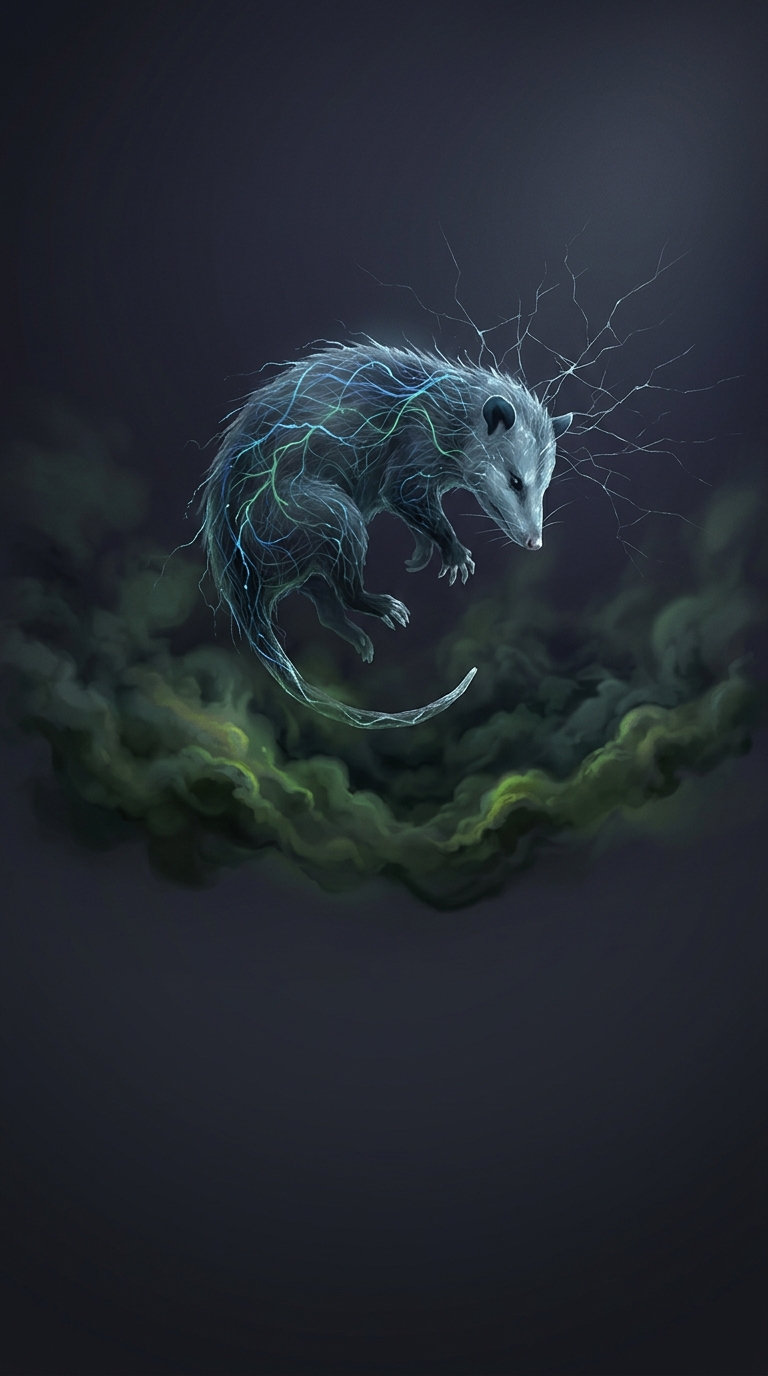
A strange grooming ritual with no settled explanation
When a hedgehog encounters an intense or unfamiliar taste or smell, it may enter a behavior called self-anointing. It chews or licks the material, produces frothy saliva, then twists its body to spread the foam over its spines. The movements can look like an attempt to reach an awkward patch of skin, but the pattern is distinctive enough to have drawn attention as a behavior in its own right.
The coating may change how a hedgehog is detected
One possibility is that the saliva carries the new substance’s smell onto the animal’s spines. If so, self-anointing could alter or mask the hedgehog’s own scent. That might make it harder for another animal to recognize or locate it by smell—but the idea remains a hypothesis, not an established function.
Another possibility is that the coating makes the spines less appealing to a predator. A bitter or irritating substance on a hedgehog’s back could discourage an attack. But a coating that seems unpleasant to people does not automatically deter the animals that prey on hedgehogs, and the behavior alone cannot show that it offers protection.
Why the purpose is hard to pin down
The behavior is easy to observe; its effect is not. A hedgehog can foam and spread saliva after encountering a substance without revealing whether the result helps it, has no protective effect, or serves some other purpose. To establish a function, researchers would need to connect the coating to a measurable change—such as how predators respond—not merely to the act of spreading it.
For now, the clearest conclusion is also the most intriguing: hedgehogs reliably turn certain encounters into a coat of saliva, while the evolutionary payoff remains unsettled.