When an Opossum’s Defense Takes Over
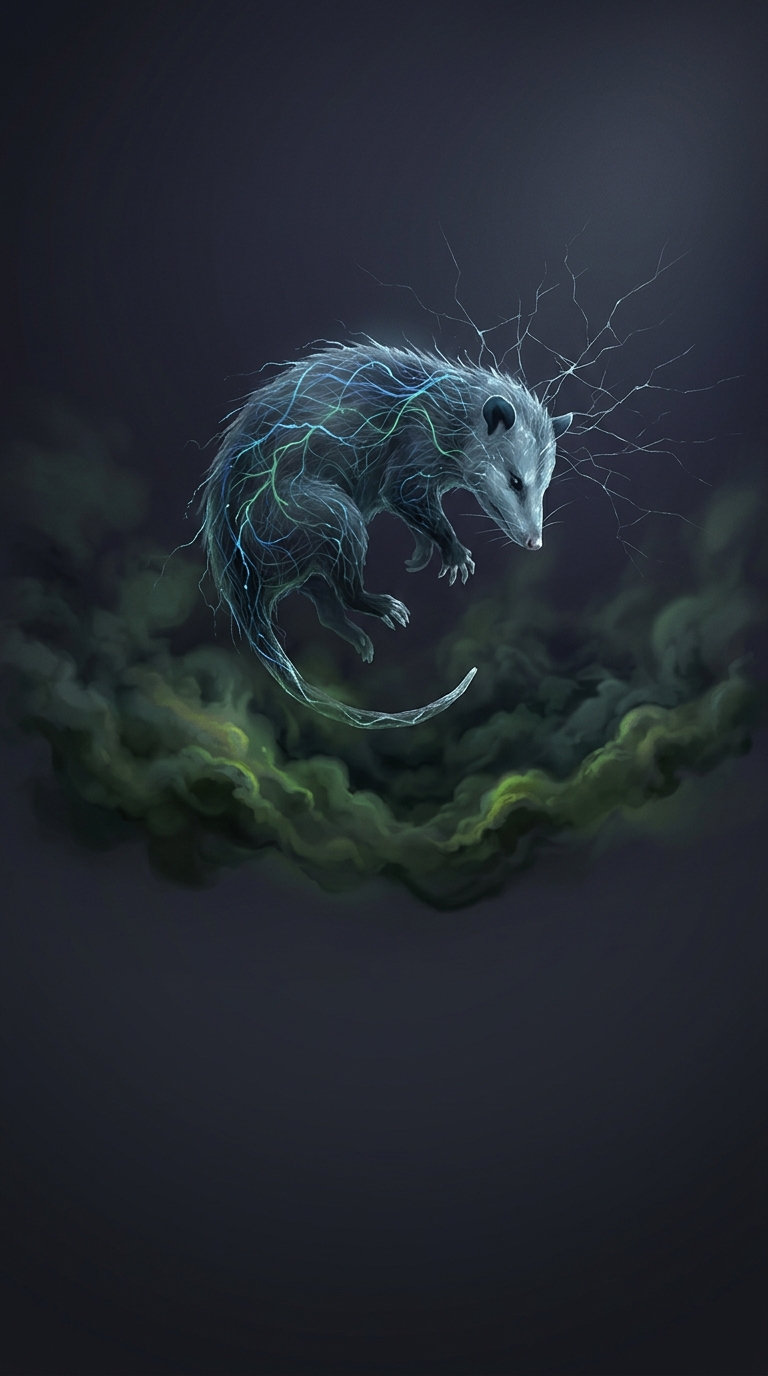
An opossum that appears to be playing dead is not choosing to put on a convincing act. Under extreme threat, its nervous system can trigger an involuntary shutdown-like response. The animal may become limp or stiff, stop responding to its surroundings, and breathe so slowly that it seems lifeless. It cannot simply decide to get up when the danger appears to pass.
Why a predator might lose interest
For a predator, a still, unresponsive animal can be less enticing than one that is moving or struggling. The response may also bring on the release of foul-smelling fluid from the opossum’s anal glands, adding a scent that makes the apparent carcass less appealing. Together, the stillness and odor can make a predator move on rather than continue investigating.
This is not a carefully timed performance. The animal has no reliable way to know whether the predator has left, so the response can continue after the immediate threat is gone. Depending on the circumstances, it may last from around 40 minutes to several hours.
A defense with a cost
The strategy can buy an opossum time, but it also leaves it exposed and unable to flee while the response lasts. Its usefulness depends on a predator losing interest; if the predator does not, the animal cannot switch tactics on command. What looks like a deliberate bit of theater is therefore a risky reflex: the opossum’s body takes over precisely when conscious control would seem most useful.