What Happens During a Lunar Eclipse
A lunar eclipse begins when the Sun, Earth, and Moon line up with Earth in the middle. The Moon does not make its own light; it reflects sunlight. As Earth moves between the two, its shadow sweeps across the Moon, dimming it or, in a total eclipse, covering it entirely.
Why the Moon Can Turn Red
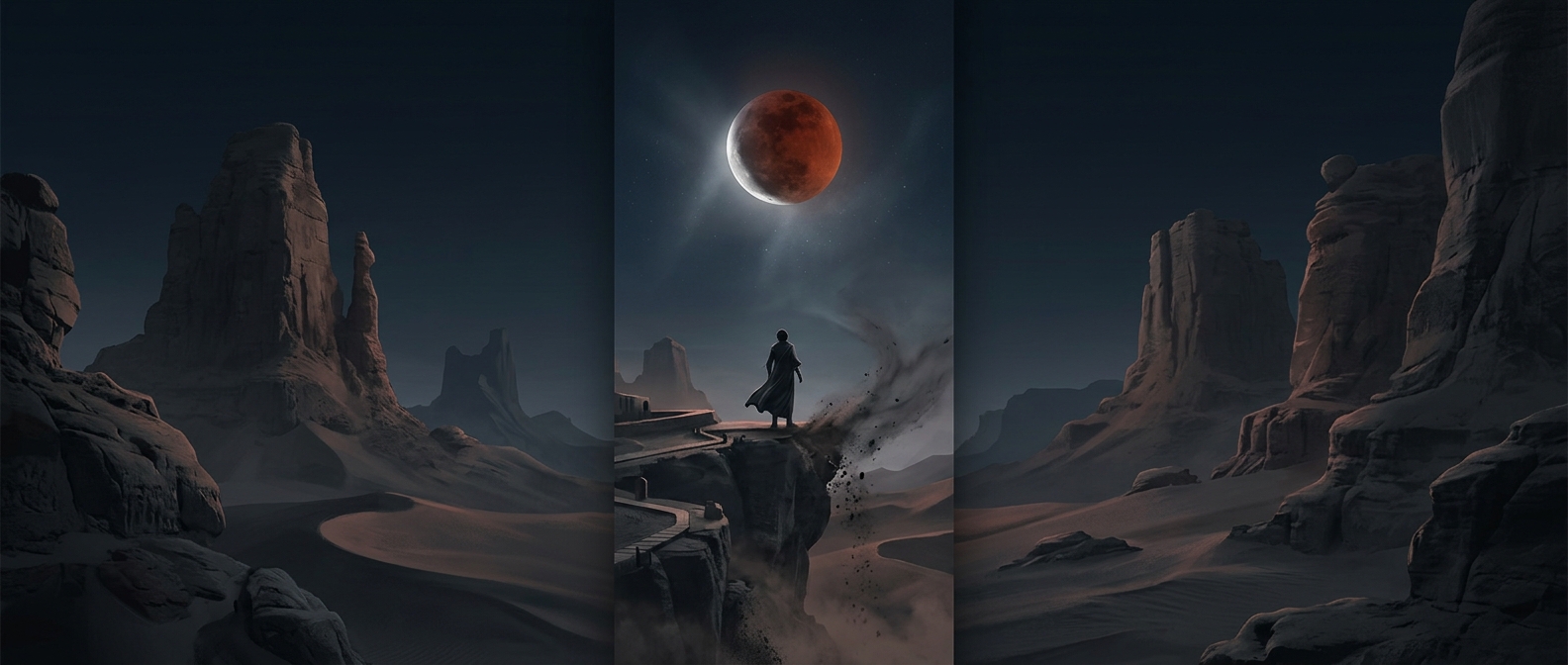
Earth’s shadow is not always pitch-black. Some sunlight passes through Earth’s atmosphere, where air scatters much of the blue light and bends the remaining reddish light into the shadow. That filtered light can give an eclipsed Moon its familiar copper or red color. Dust and clouds in the atmosphere can affect the shade, so one eclipse may look brighter or more muted than another.
A Precise Alignment, Not a Personal Signal
The changing view is caused by the positions and motions of three astronomical bodies. It can be dramatic because the Moon’s familiar face gradually darkens and then reappears, but the event has no known physical mechanism for directing decisions or changing relationships. Its effect is on the light reaching the Moon—and on what observers see from Earth.
Because the Moon orbits Earth on a tilted path, it usually passes above or below Earth’s shadow at full moon. A lunar eclipse happens only when the full moon arrives near the point where its orbit crosses Earth’s orbital plane. That narrow alignment is what makes the spectacle unusual; the sudden change is in the sky, not in anyone’s life.