Why the light changes so abruptly
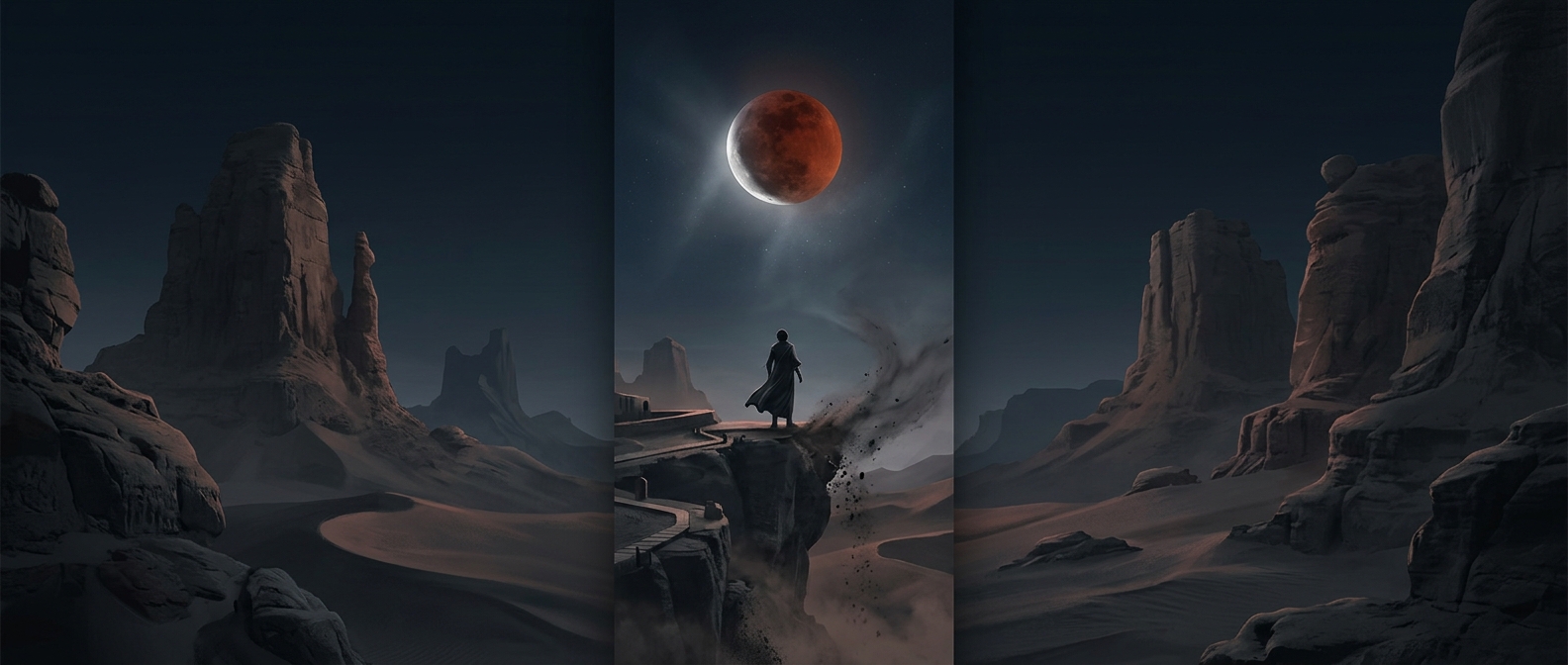
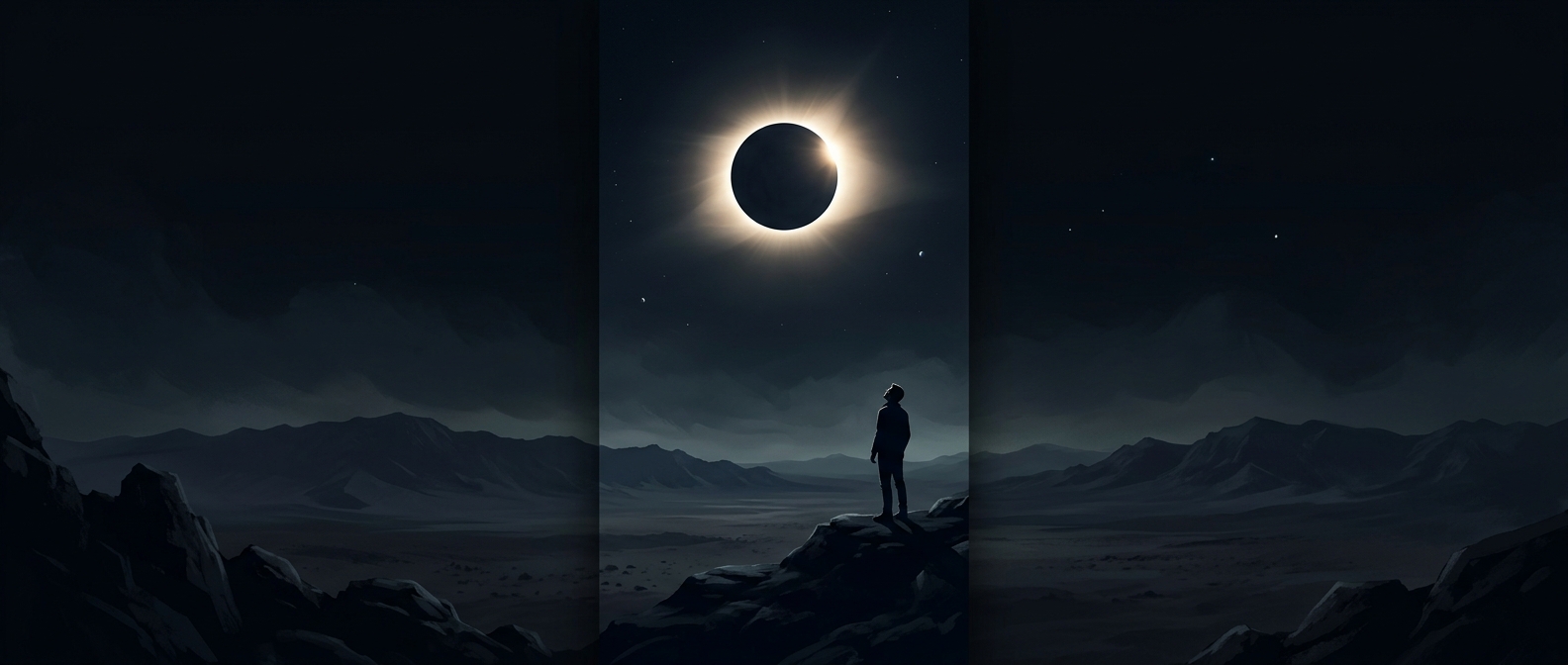
In an ordinary sunset, sunlight fades gradually as the Sun sinks below the horizon. During a total eclipse, the Moon instead covers the bright disk while the Sun is still high in the sky. The drop can be sudden enough to make the landscape feel like evening, even though the sky is not simply becoming night.
Some light still reaches the surroundings. It is scattered through the atmosphere, and the distant horizon may remain brighter than the area beneath the eclipse. That uneven, muted illumination gives the scene its unusual twilight quality. The Sun’s outer atmosphere, the corona, can also become visible around the Moon’s dark silhouette—but it contributes little to the daylight lost when the bright disk is covered.
Birds respond to cues, not a clock striking dusk
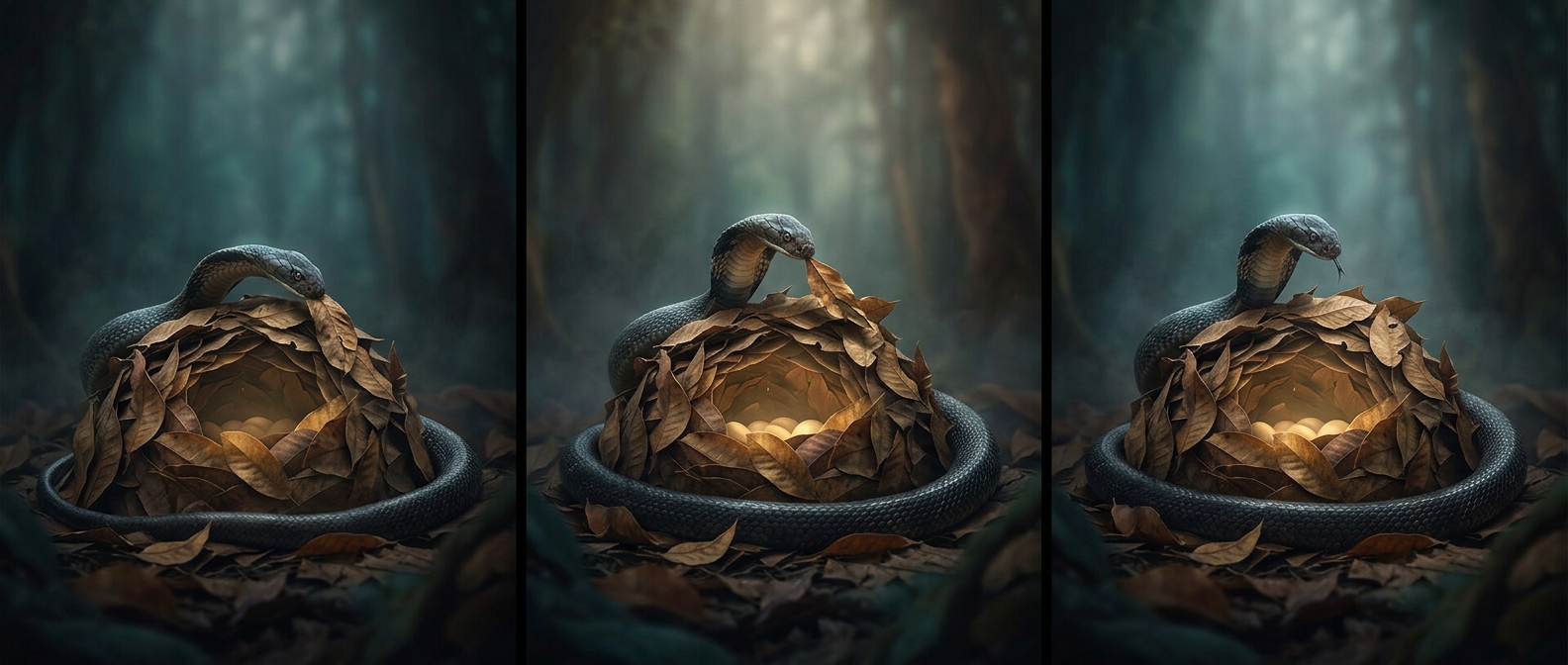
Birds use changing light as one signal for daily activity. As illumination falls, some may quiet down, return to roosting places, or behave as they do near evening. The response varies: species differ, and an eclipse’s brief darkness does not affect every bird in the same way. Once sunlight returns, the cue reverses, but behavior may take time to settle.
The cooling has a similarly direct cause. Sunlit ground normally absorbs energy and warms the air close to it. When the Moon’s shadow cuts off most incoming sunlight, the ground receives less energy; the air’s temperature then responds as heat continues to move between the surface and the atmosphere. Because the event is short, this is a temporary local change rather than the start of a lasting cooling trend.
The eclipse is striking because two familiar signals—bright daylight and a warming surface—change together. For a few minutes, animals and the air around them encounter conditions that resemble evening, then sunlight’s return restores the cues that daytime is continuing.