Turning orbital time into pitch
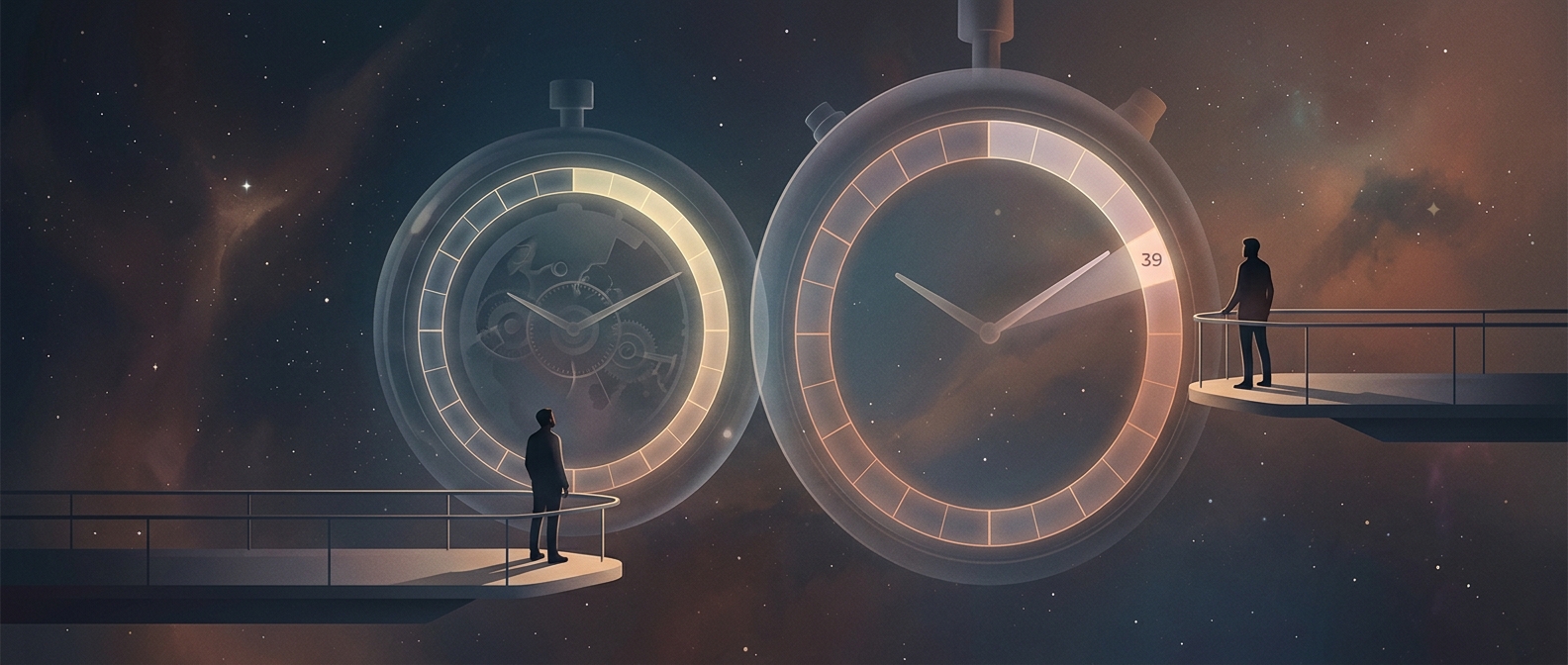
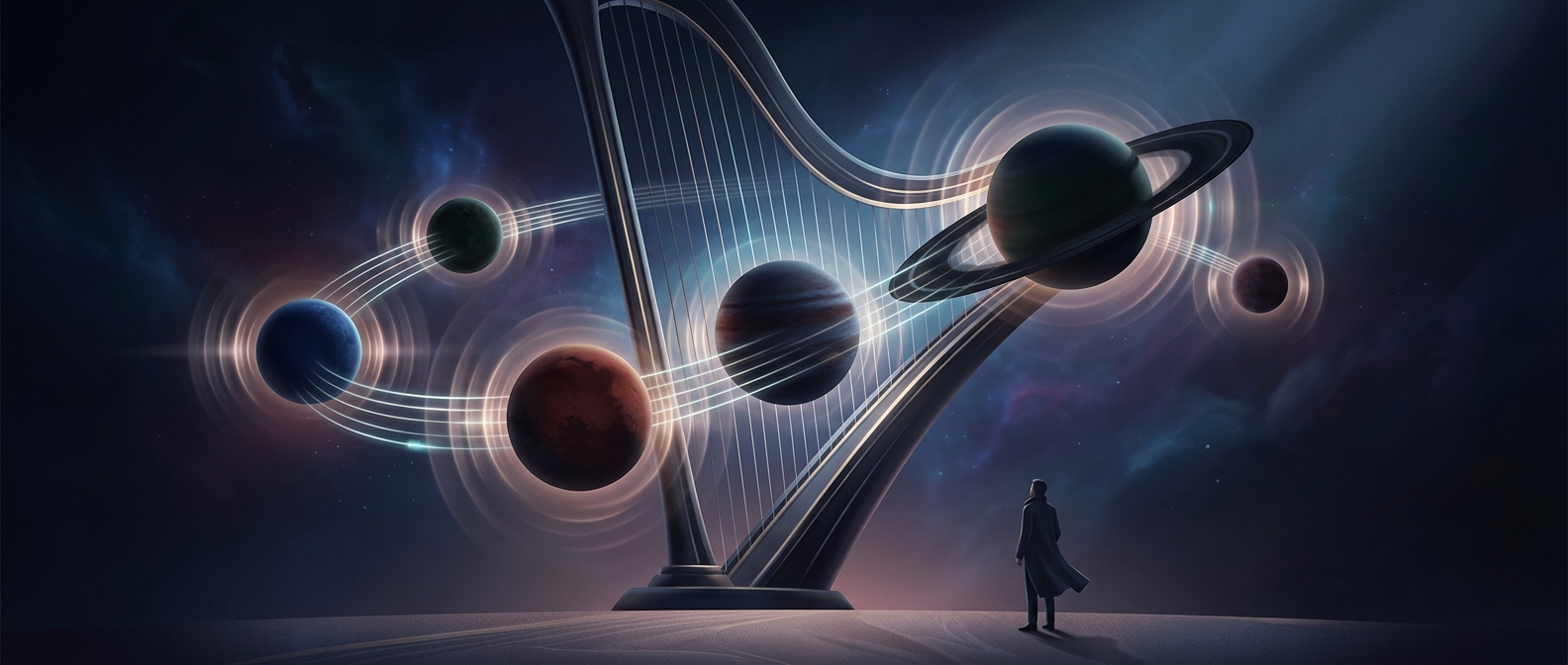
A planet’s orbit repeats on a timescale far beyond human hearing: a full circuit may take years, not fractions of a second. To make that motion audible, a composer or sonification designer speeds up the cycle by an enormous factor. The orbit’s repetition rate then becomes a sound frequency—the number of vibrations heard per second.
The crucial choice is how to scale the data. If every orbital rate is multiplied by the same factor, the planets’ relative timing is preserved, and their resulting pitches keep the same relationships. The result is not a literal sound captured in space; it is a consistent translation of motion into tones.
Why the result can feel ambient
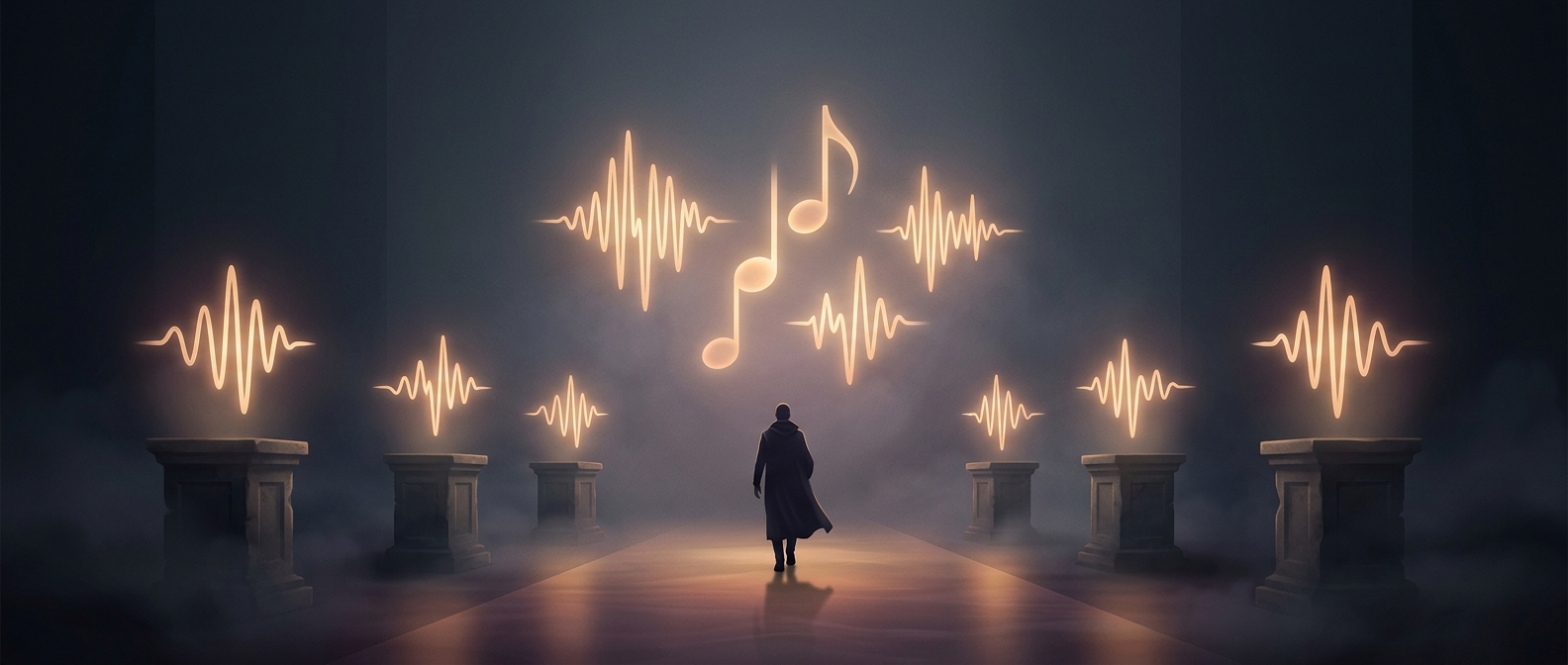
Orbital rates change slowly, so the translated pitches can form sustained tones or gradually shifting patterns rather than a beat-driven song. Designers may layer those tones, adjust their loudness, or choose how to represent other measurements. Those choices shape the mood, but the underlying musical material comes from the data and the mapping used to convert it.
That distinction matters: there is no single, inevitable “sound of the planets.” Change the scaling or the musical choices, and the same orbital diagram can become a different piece. What listeners hear is a way of making immense stretches of planetary time perceptible within a few minutes.