Why an octave feels like a return
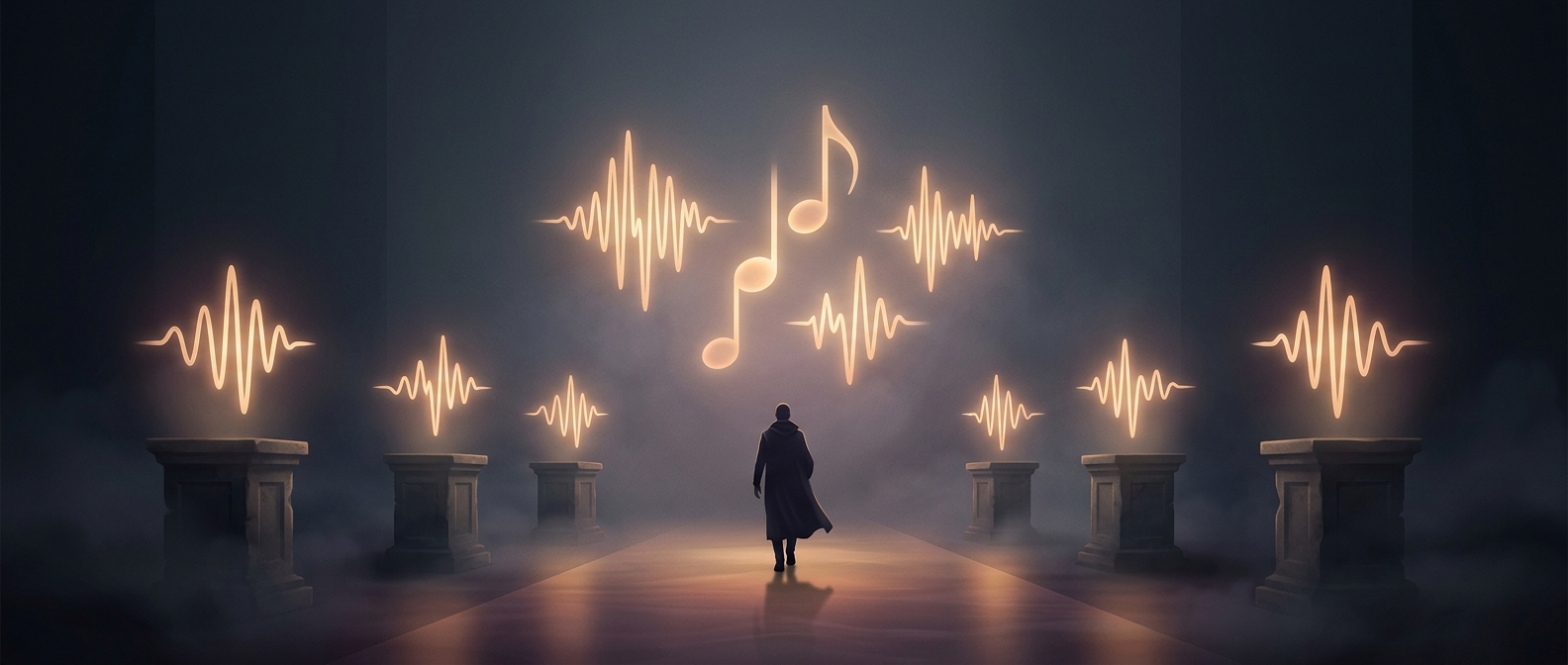
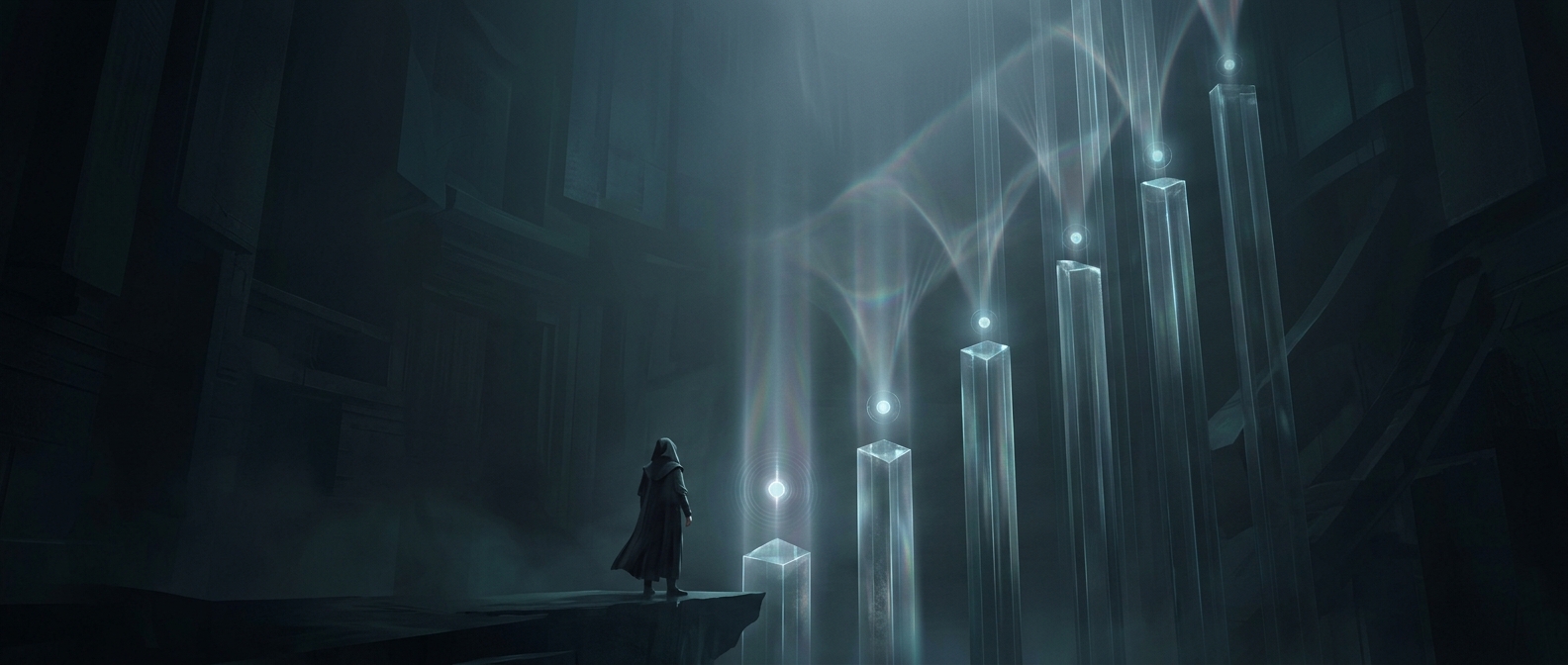
A plucked string or vibrating column of air usually produces more than one frequency at once. Alongside its lowest frequency—the fundamental, which largely sets the note’s perceived pitch—it produces higher components called harmonics. In an ideal harmonic series, those components occur at whole-number multiples of the fundamental: twice as fast, three times as fast, four times as fast, and so on.
The component at twice the fundamental is exactly one octave above it. So when a sound contains that harmonic, the higher octave is literally part of the lower note’s acoustic mixture. It may not stand out as a separate pitch, but it helps shape the note’s timbre, or tone color.
The ear groups the relationship
The octave is special not simply because one sound contains a frequency related to the other. The auditory system tends to treat pitches an octave apart as versions of the same pitch category at different heights. That helps explain why a melody can seem recognizably the same when moved into a higher register, and why octave doublings often blend rather than sounding like unrelated notes.
This does not mean every low note visibly or audibly contains a separate upper octave. A nearly pure tone can have very few overtones, while real instruments produce different mixes depending on how they are made and played. The octave relationship remains even when the overtone itself is weak or absent.
A simple ratio with musical consequences
In modern equal-tempered tuning, moving up an octave means multiplying frequency by two; the steps between notes are arranged so this ratio holds across the scale. The same relationship links musical register to physical vibration: a string shortened to half its vibrating length, under otherwise similar conditions, produces a frequency about twice as high. That clean ratio is why octave doubling can sound both like a change in height and like a return to the same musical identity.