Science
Discover facts about science. Small discoveries that change the way you see familiar things.
Science

Semantic web standards seamlessly link unrelated data
A database that sees the word Paris cannot know whether it means a city or a person just from the spelling. Semantic web data gives things shared identifiers…
Discover more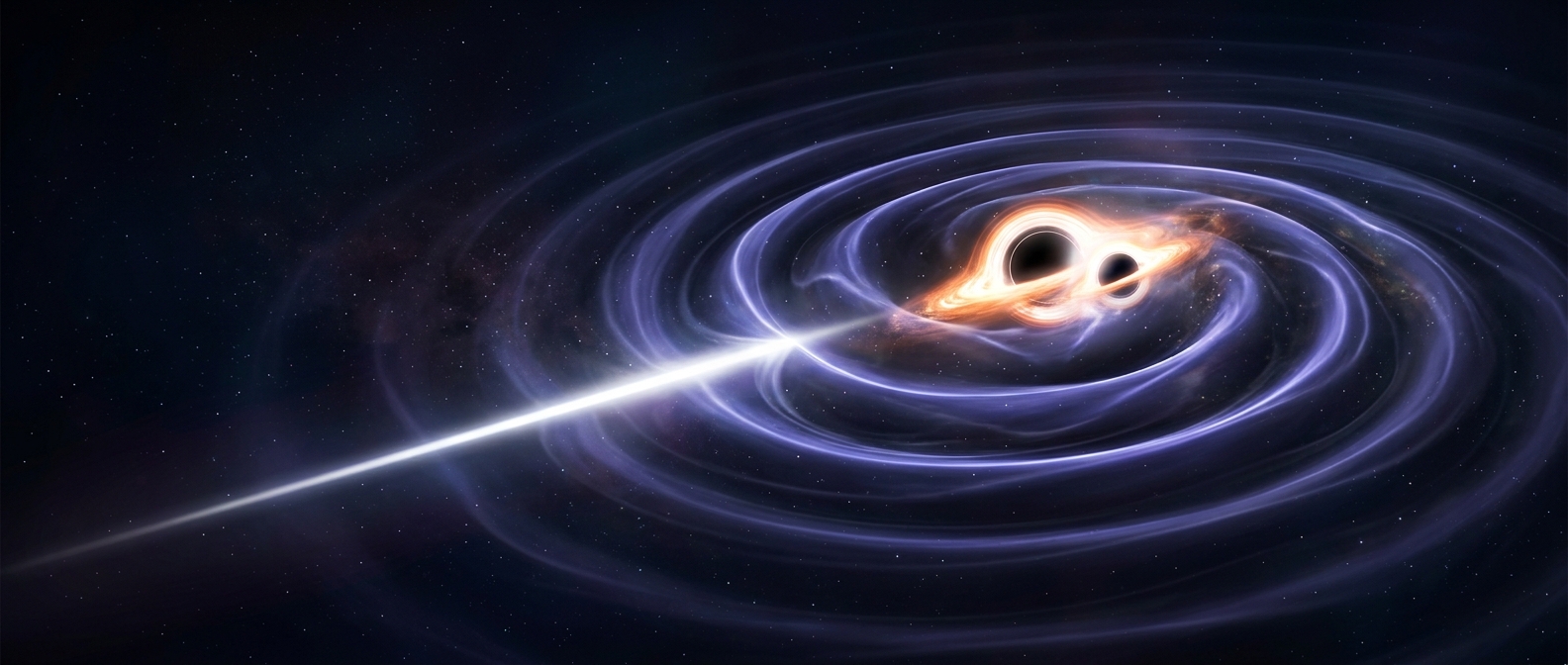
Gravity isn't instantaneous—it travels at light speed
Gravity can’t send news faster than light. If the Sun’s gravitational pull changed, that change would travel across space at light speed, just as sunlight…
Discover more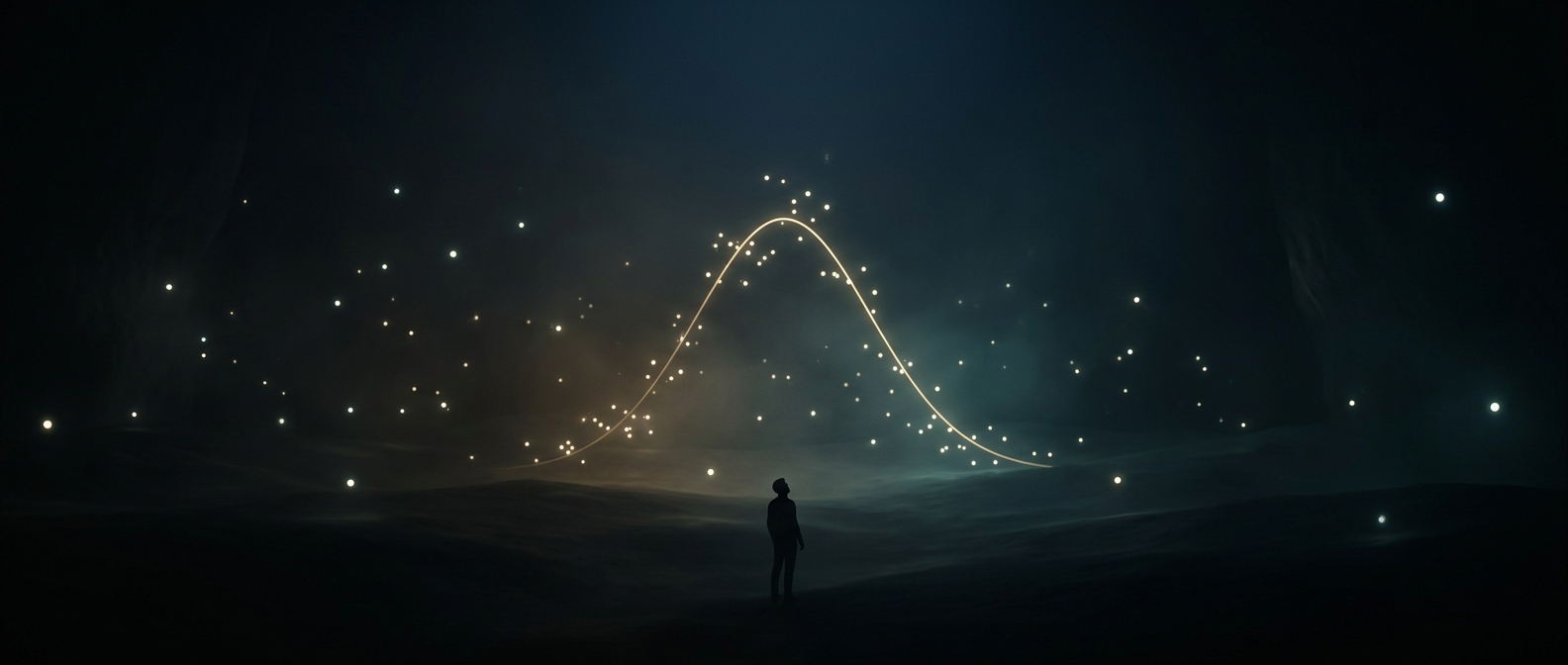
Rare independent events strictly follow a specific curve
An average tells you the usual pace of errors, not what the next minute will bring. The Poisson distribution estimates the odds of getting different counts…
Discover more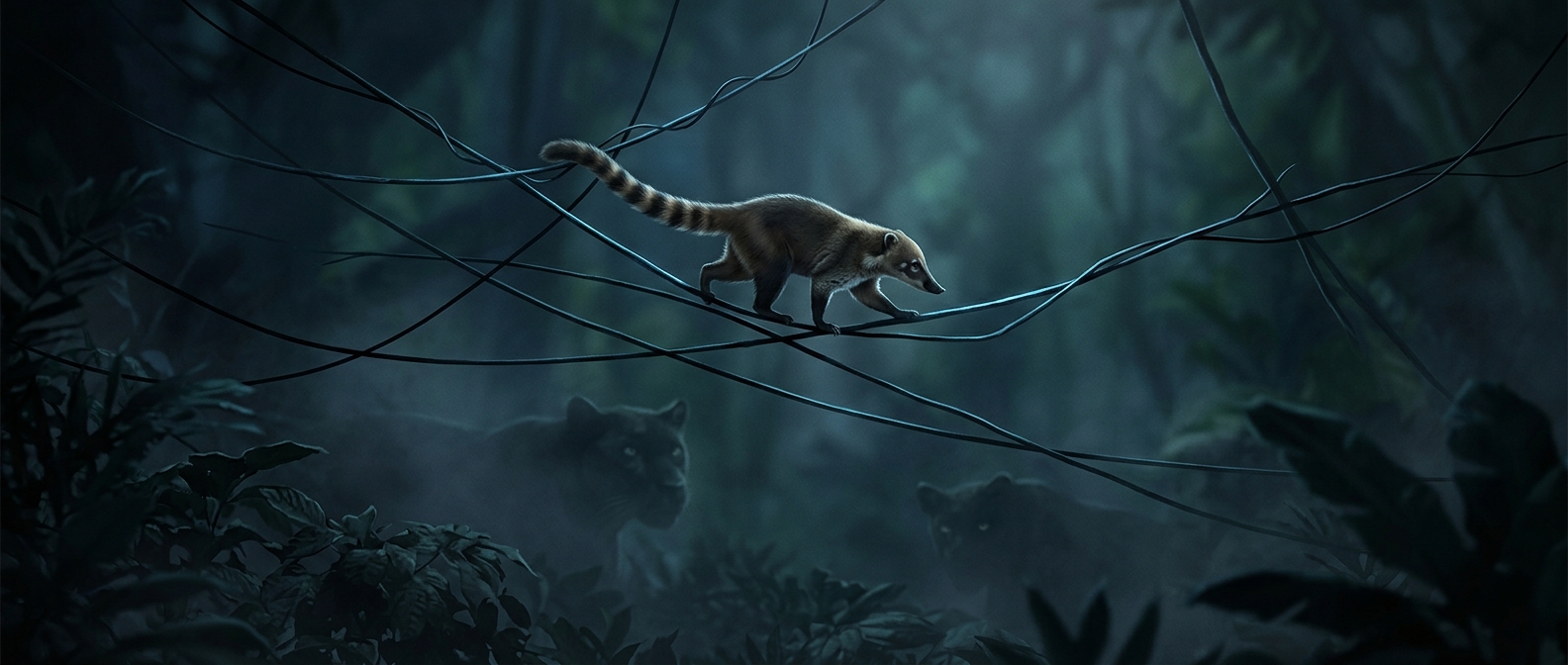
Coatis balance on incredibly thin branches to dodge hunters
A coati can climb onto a branch too delicate for a heavier predator. If the hunter makes the branch crack, the coati gets an early warning and can escape.…
Discover more
Time moves slower for objects traveling at high speeds
A traveler who races away and returns can age less than someone who stayed home. The turnaround makes their journeys through spacetime different: each clock…
Discover more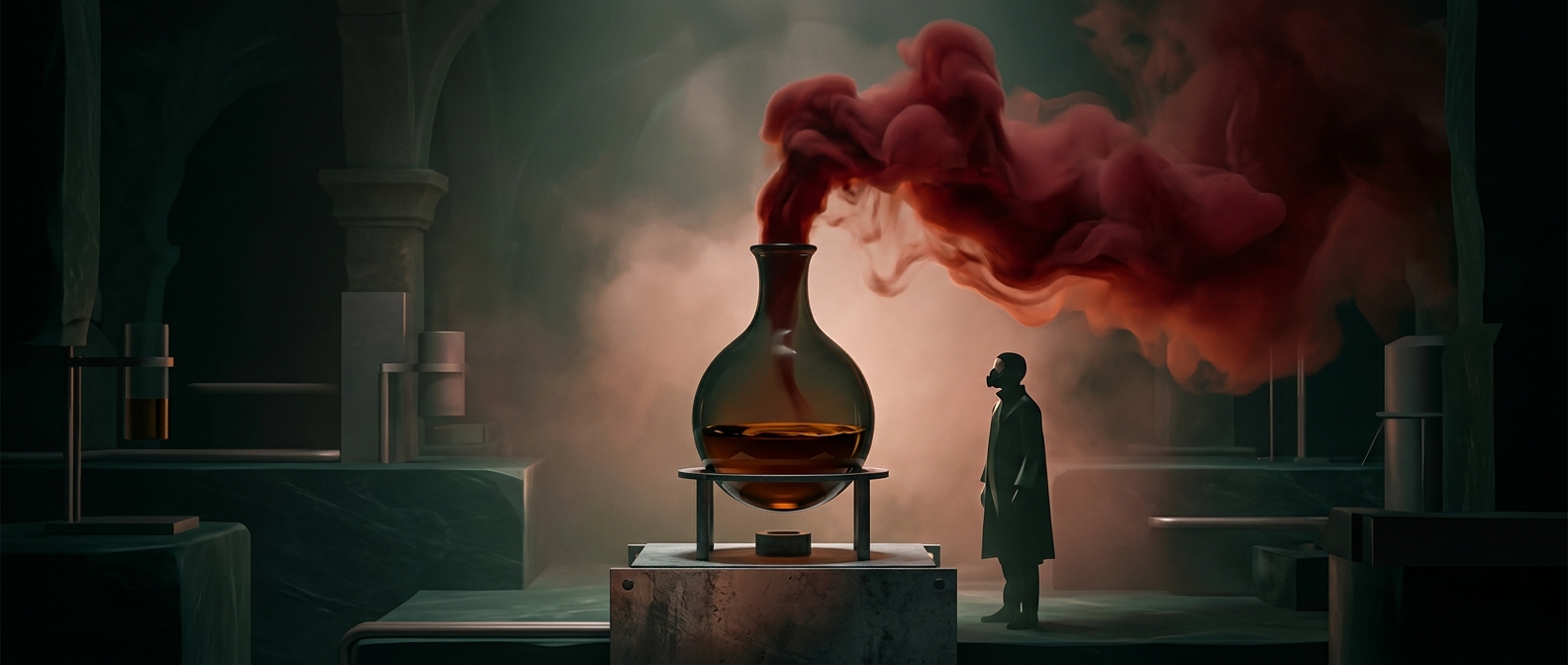
Bromine turns into a toxic red vapor
Bromine gives off red-brown vapor even at room temperature, so a spill can fill the surrounding air with a toxic, corrosive cloud. It doesn’t have to boil…
Discover more STACKY FOR IPHONE
A bigger world.
One discovery
at a time.
Keep discovering with Stacky. Interesting facts in an app that is always within reach.
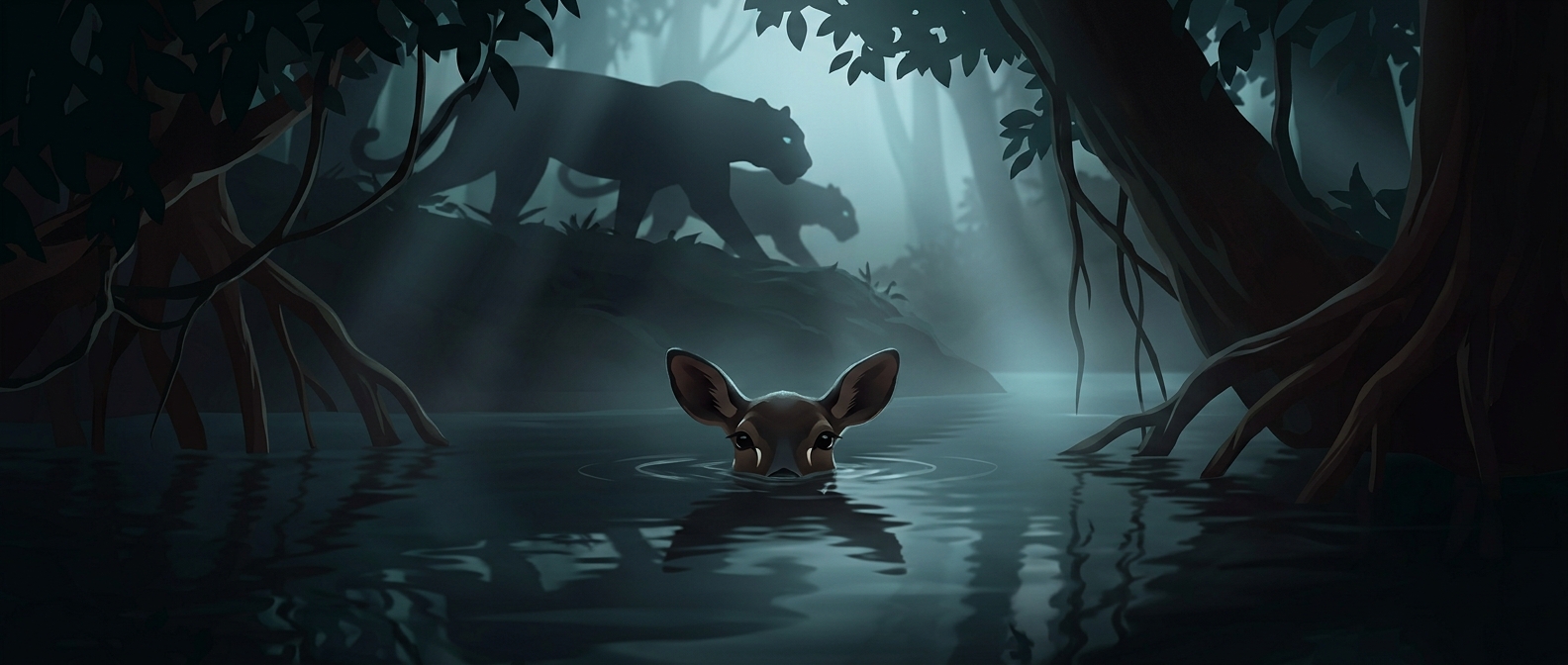
This fanged forest animal can escape along a riverbed
The water chevrotain can dive and move underwater when threatened. Males have prominent canine teeth, giving the small animal its fanged appearance. It…
Discover more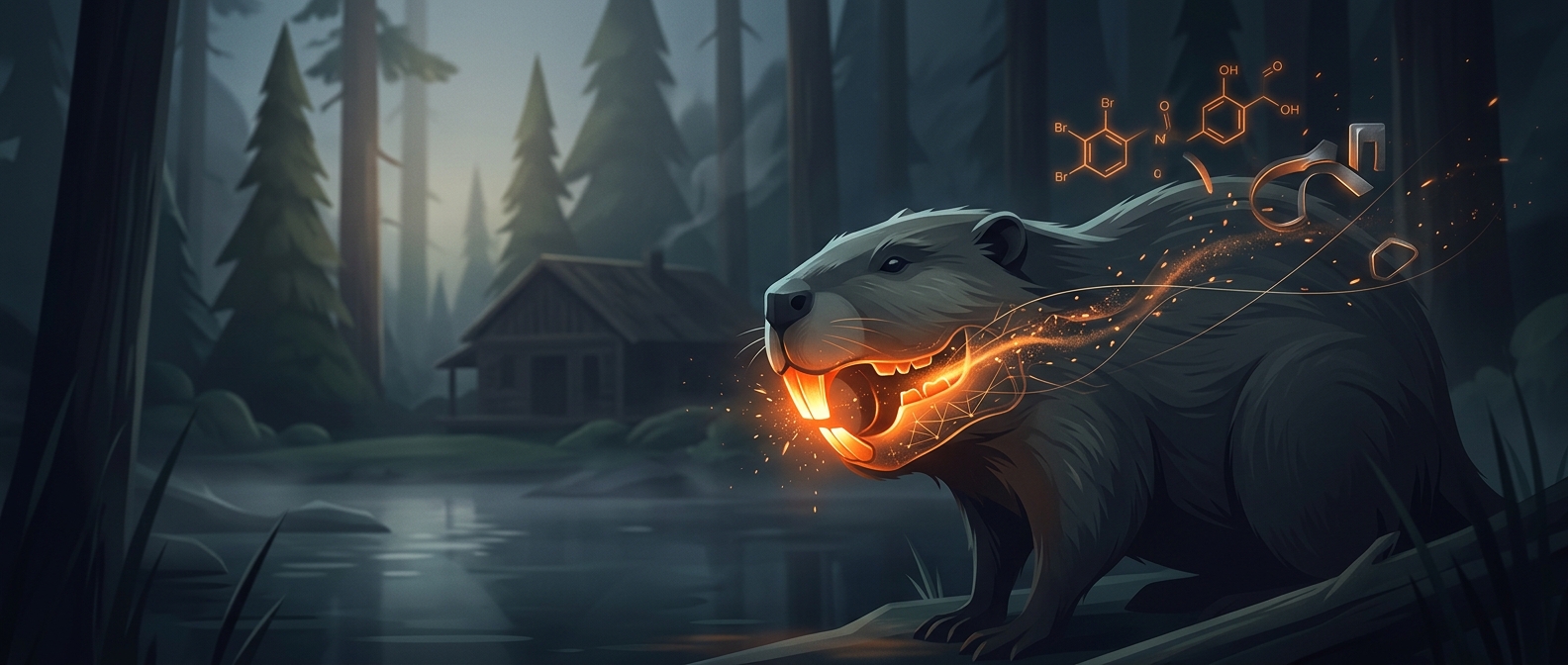
Why beavers have bright orange teeth
A beaver’s orange incisors aren’t dirty; iron is part of the enamel itself. That iron helps strengthen the teeth, which take a beating as the animal chews…
Discover more
Why quarks can never exist alone
Pull two quarks apart and the strong force doesn’t politely fade away. It takes more and more energy to separate them, until that energy can produce a new…
Discover more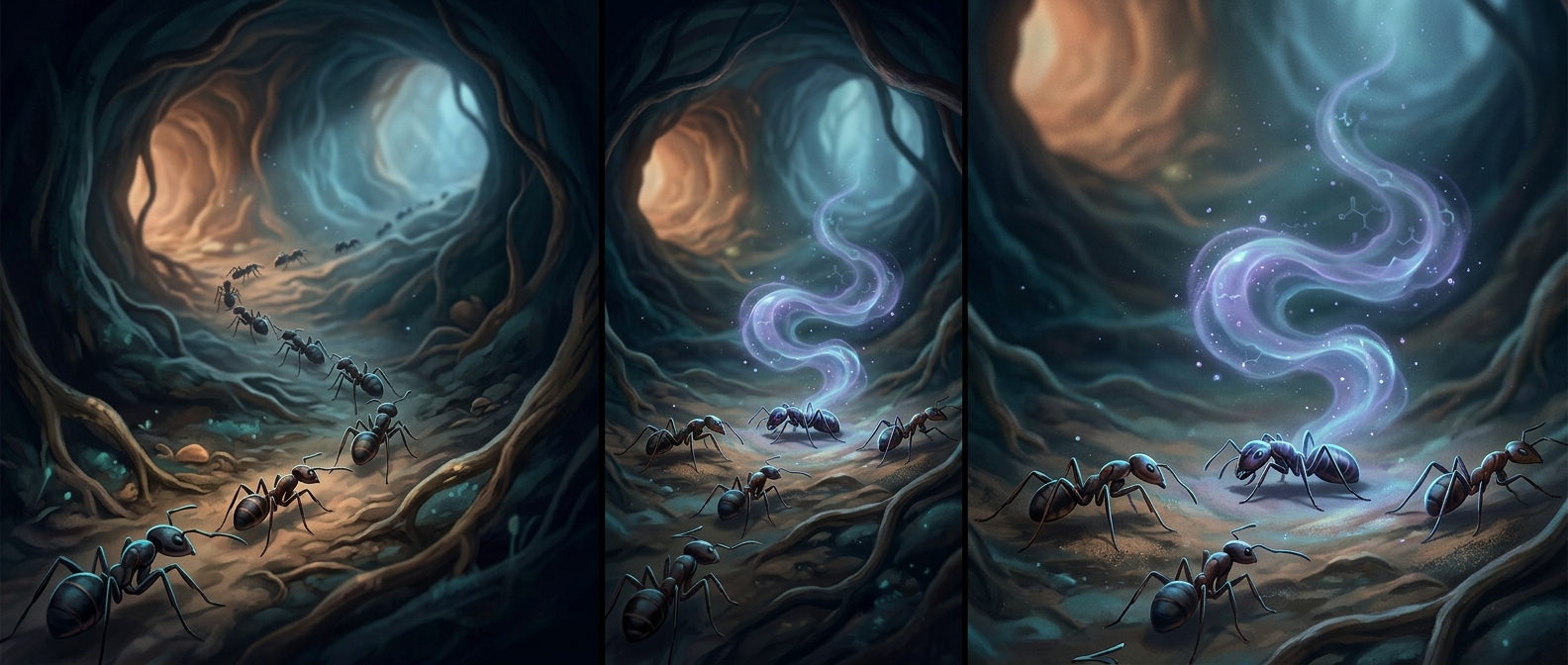
How ants identify their dead
A dead ant releases oleic acid as its body decomposes, and that smell tells workers to carry it away. Coat a living ant with the same chemical and its…
Discover more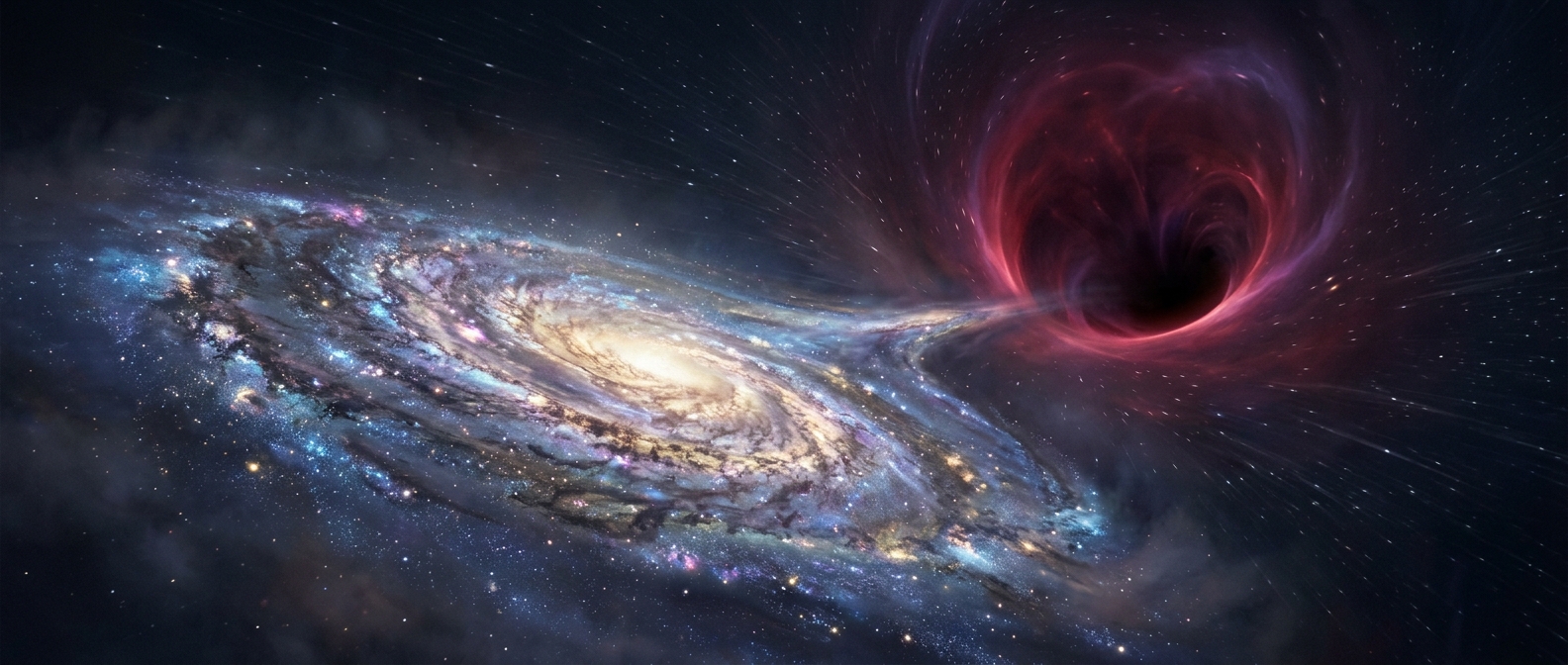
The Great Attractor hides behind our own galaxy
The motions of nearby galaxies reveal a large concentration of mass drawing them in a common direction. Much of the region is difficult to observe because the…
Discover more
South node represents your previous baggage
As the Moon travels around Earth, it crosses the plane of Earth’s orbit twice. The southbound crossing is the South Node; “past baggage” is an astrological…
Discover more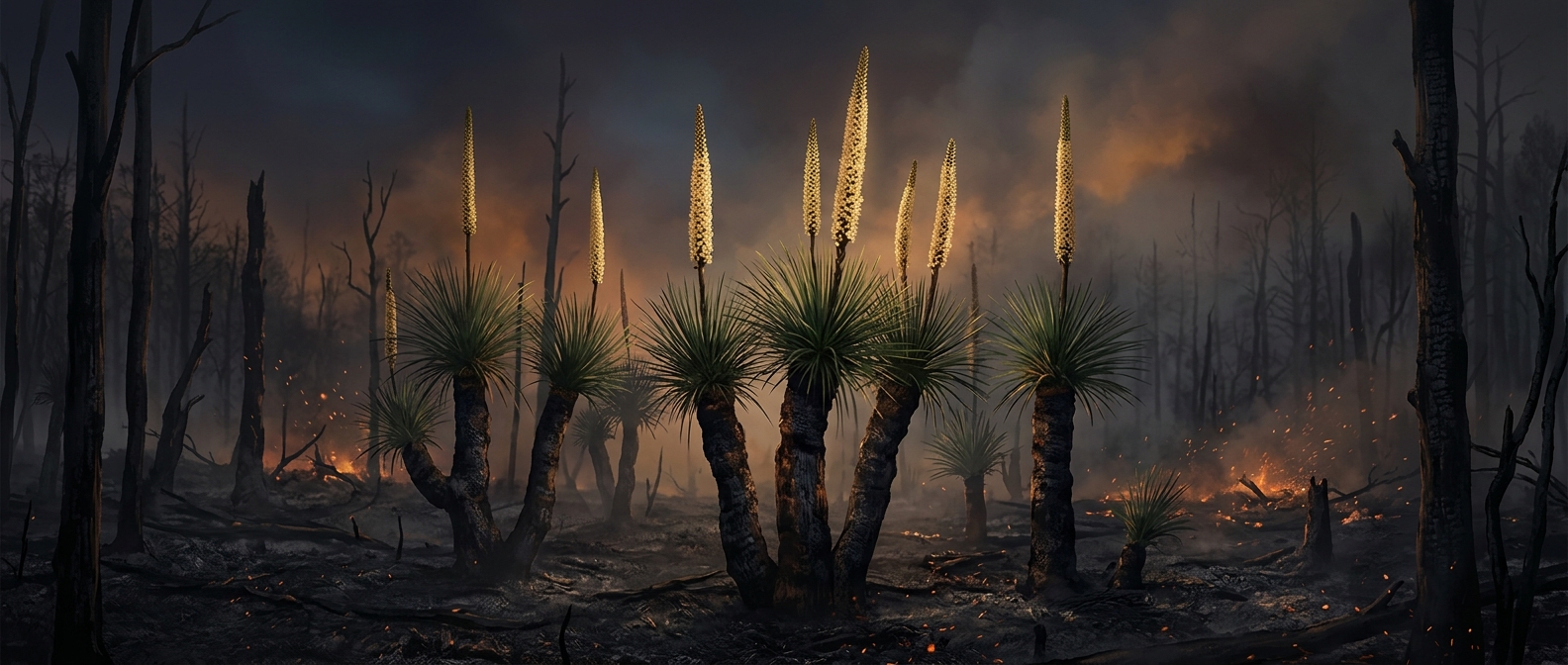
The Australian trees that bloom after wildfires
Some Australian grass trees keep their growing point tucked beneath leaves, where it can survive a wildfire even as the outside is charred. After the flames…
Discover more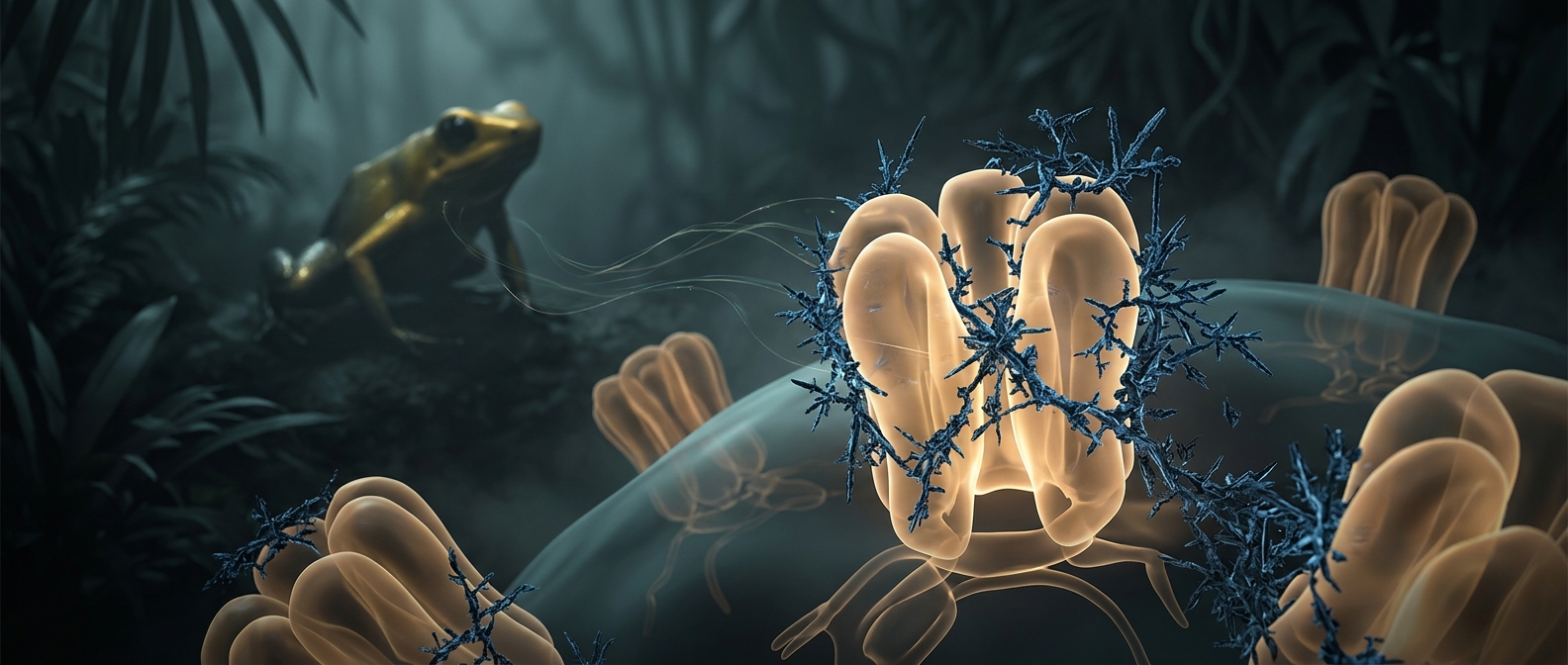
Dart frog poison shuts down internal cellular ion channels
Nerves and muscles send messages with tiny gates in their cell walls, opening them briefly so charged sodium atoms can pass. Batrachotoxin jams some gates…
Discover more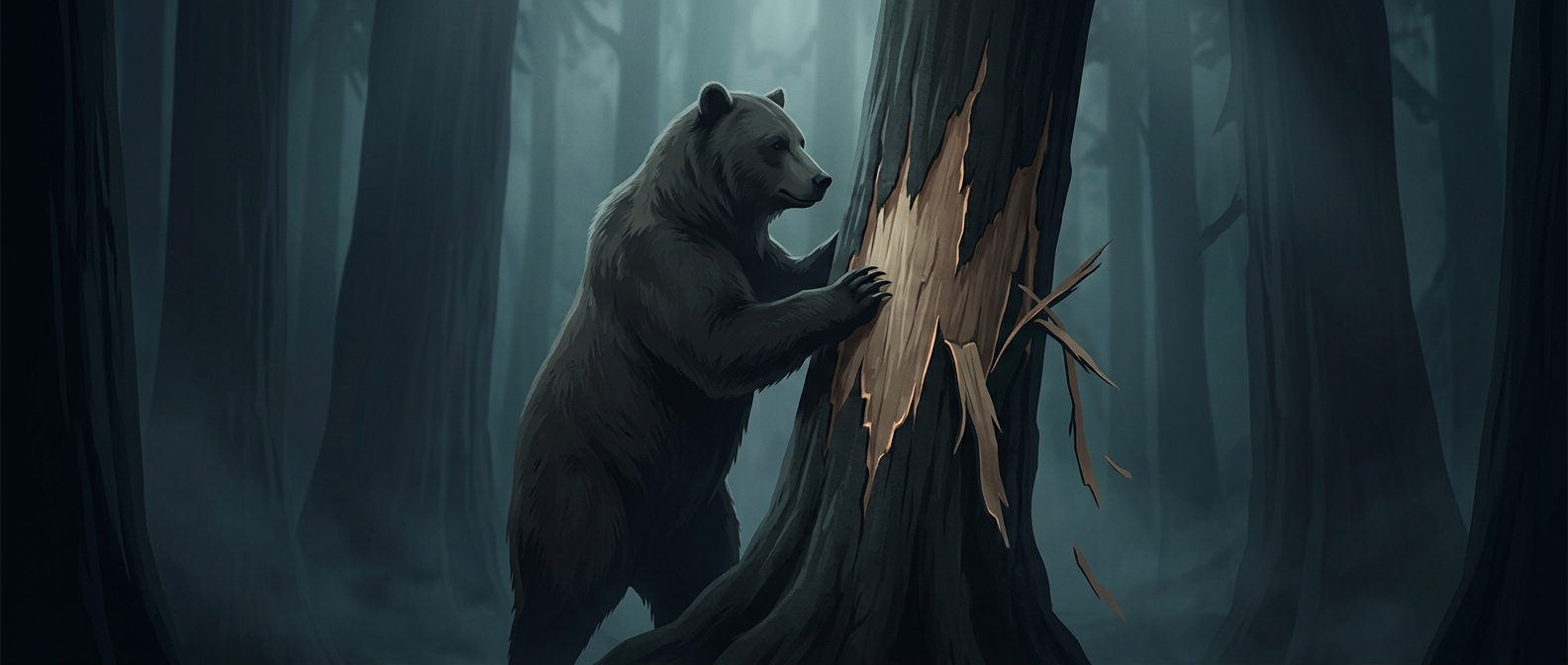
How grizzlies mark their territory
Bears turn a tree into a shared message board. Scratches leave a visible mark, while scent carries information another bear can detect up close. The next bear…
Discover more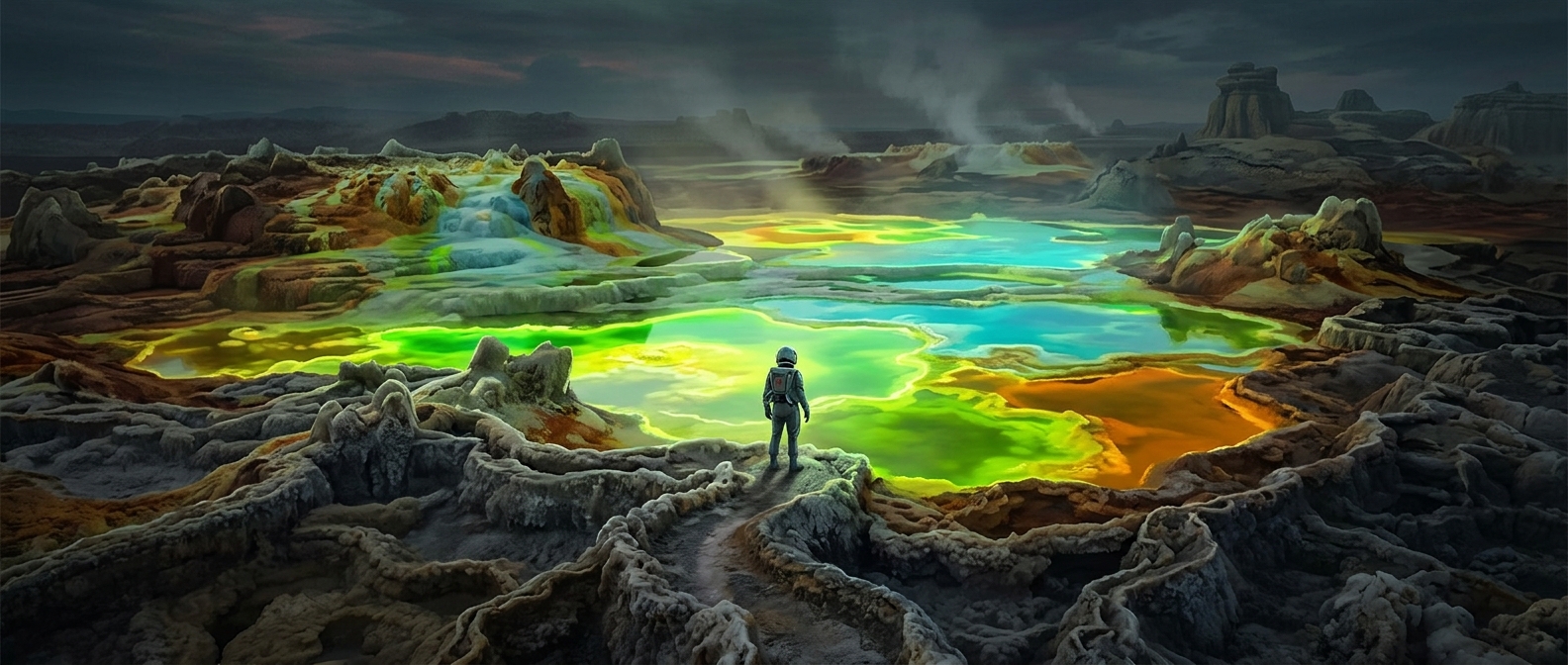
Dallol looks like an alien world of acid and neon
Dallol’s colors come from mineral-rich brines as they cool and lose water. Different compounds form different deposits—yellow, green, and orange—instead of…
Discover more
Perfect number equals the sum of all its proper divisors
Take 6 and add its positive divisors other than itself: 1 + 2 + 3 = 6. That exact match makes 6 a perfect number; 28 passes the same test because 1 + 2 + 4 +…
Discover more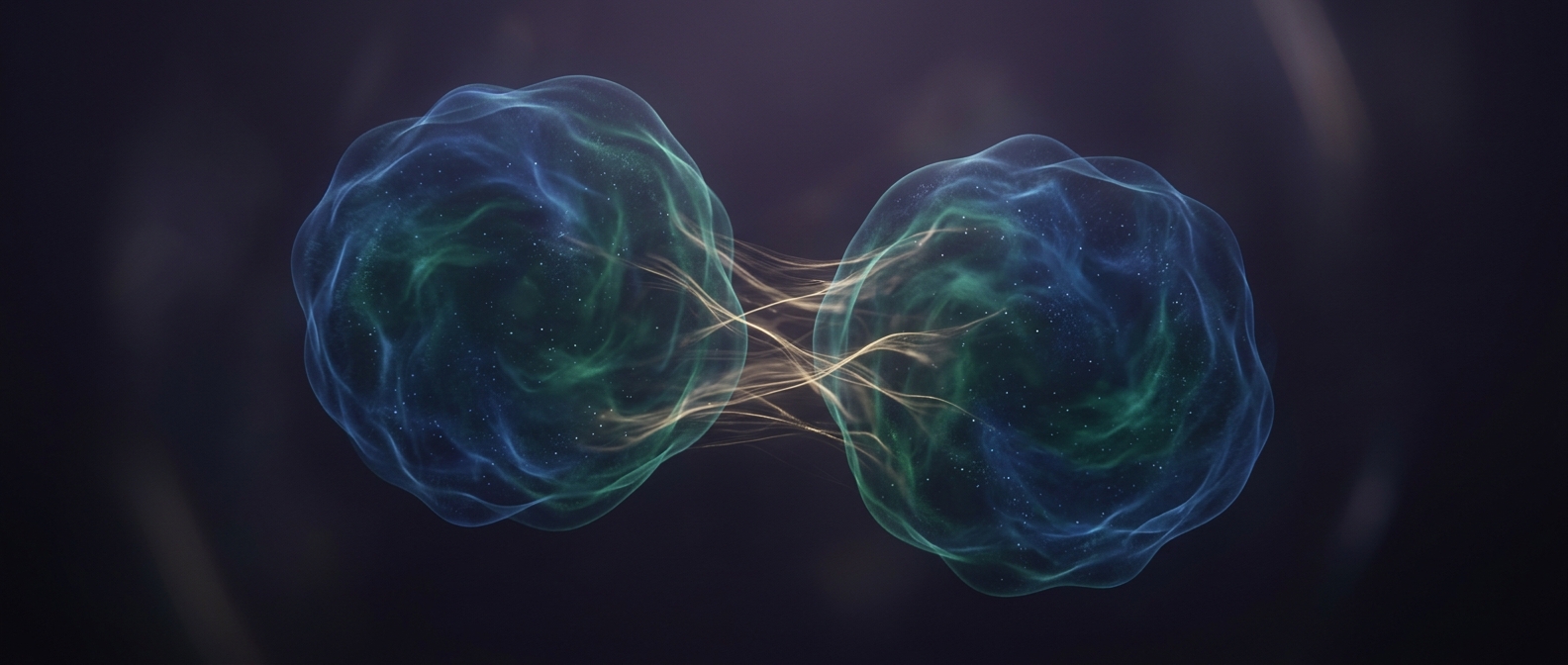
Van der Waals forces create weak atomic attractions
Electrons keep shifting around molecules, briefly making one side more negative and the other more positive. That lopsided charge nudges electrons in a nearby…
Discover more
Physicists watch huge tanks of water for a proton to disappear
Super-Kamiokande searches for the light signals that particular forms of proton decay would produce. No confirmed event has appeared, pushing estimated…
Discover more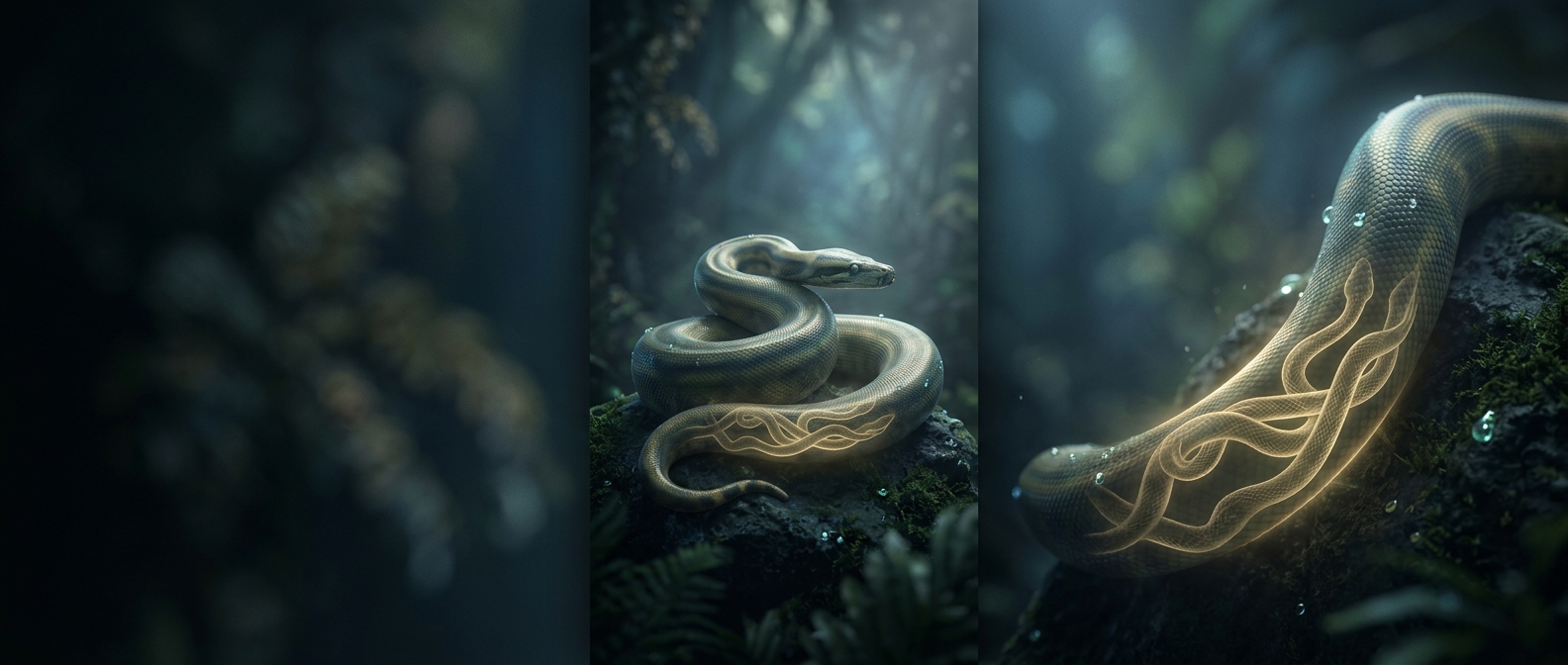
Male snakes and lizards carry two penises
Male snakes and lizards keep two hemipenes folded inside the body. During mating, one everts and does the job while its partner stays put: a spare, not a…
Discover more
Glacial erratics are boulders dropped miles away
A glacier can carry a boulder far from its original home, then drop it when the ice melts. Geologists call the misplaced rock an erratic; if its rock type…
Discover more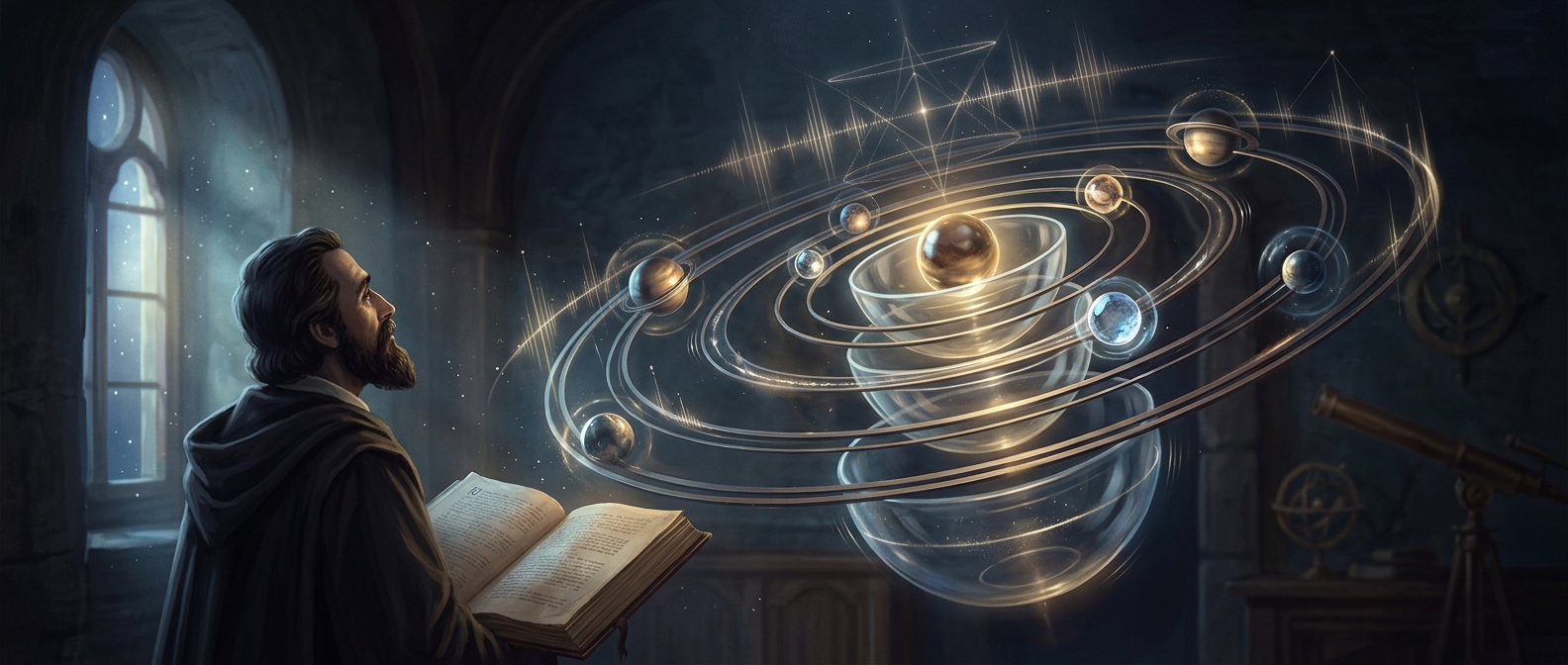
Kepler thought planets were playing music
Kepler turned changes in planetary speed into musical intervals, treating orbital motion as a pattern that could be written like music. The “music” was…
Discover more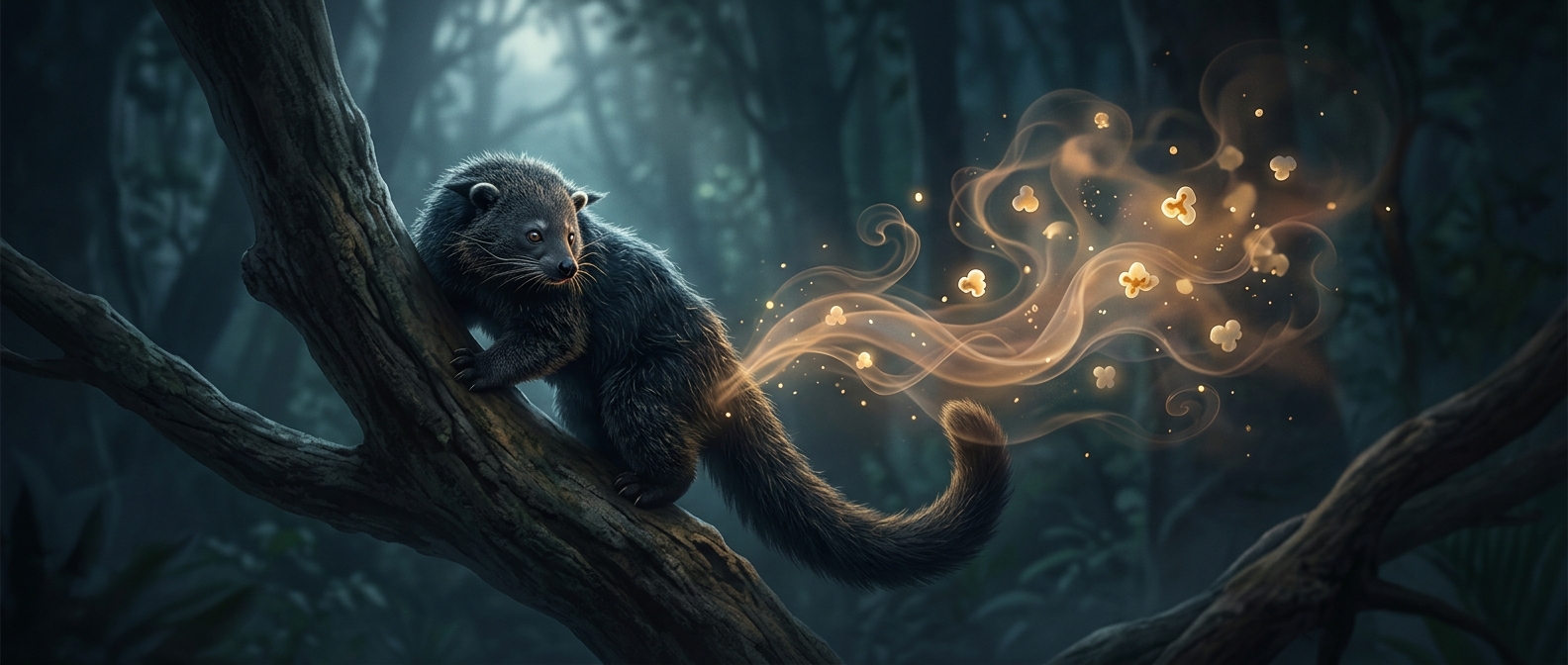
This animal smells exactly like movie theater popcorn
A binturong’s popcorn-like smell comes partly from a molecule called 2-acetyl-1-pyrroline, which also gives buttered popcorn much of its familiar aroma. The…
Discover more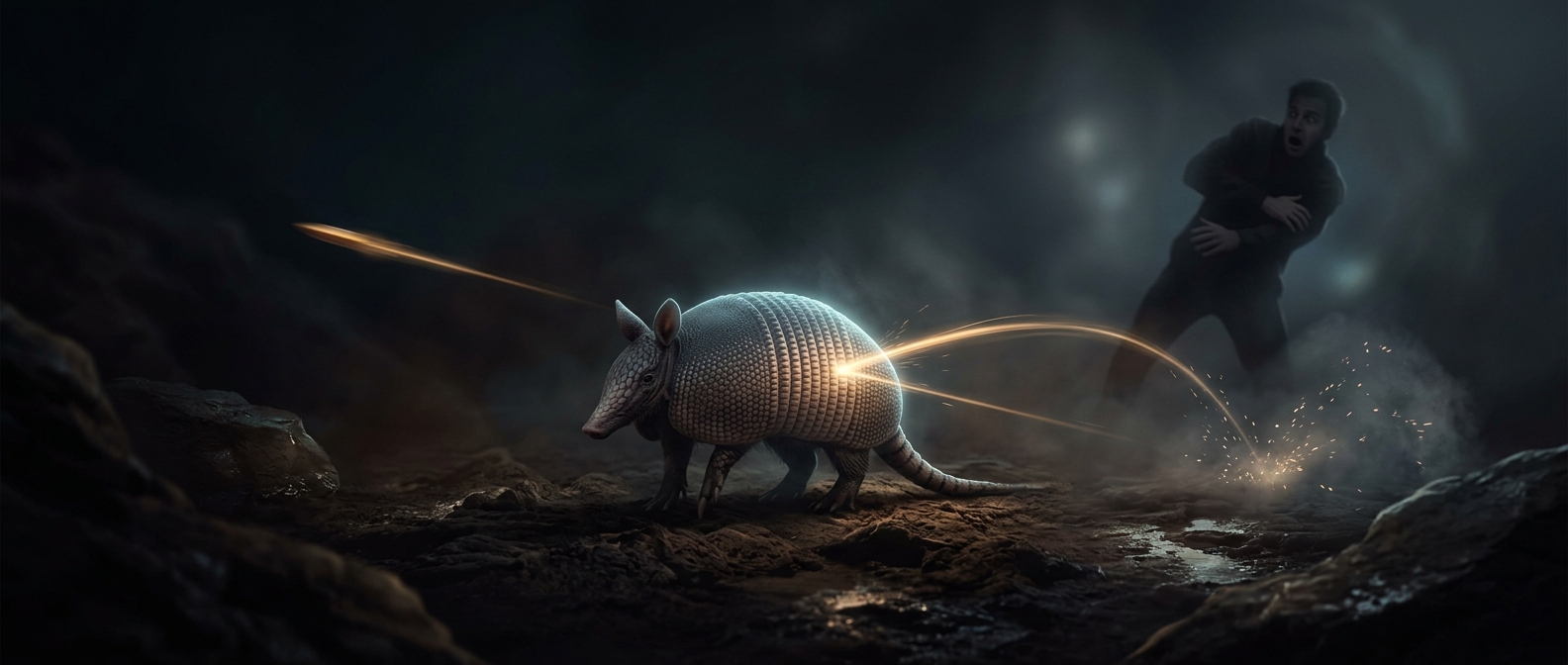
Why an armadillo can send a bullet back
The plates under an armadillo’s skin are bone, and their shape can sometimes deflect a bullet at a particular angle. But a ricochet is a chance outcome, not a…
Discover more